Carbon Credit Standardization: Unlocking the Potential of Corporate Climate Action
The rapidly growing global demand for corporate climate action is transforming the way companies manage their greenhouse gas emissions. To tackle the complex challenges posed by climate change, manufacturers, governments, and financial institutions are turning to carbon credits as a key tool for mitigating carbon emissions. However, the lack of standardization in carbon credit data hinders the effectiveness of these efforts.
The Imperative for Carbon Credit Standardization
Critical carbon credit standardization ensures a reliable and transparent system for quantifying and trading carbon emissions reductions, fostering trust and investment in climate mitigation efforts. In an era where climate change requires coordinated global action, this standardization is the critical step companies must take to ensure they promote environmental performance and efficient emission reduction.
Current Challenges in Carbon Credit Markets
- Lack of Standardization: Exacerbates fragmentation and complexity
- Ensuring Integrity of Carbon Credits: Strict verification and monitoring requirements
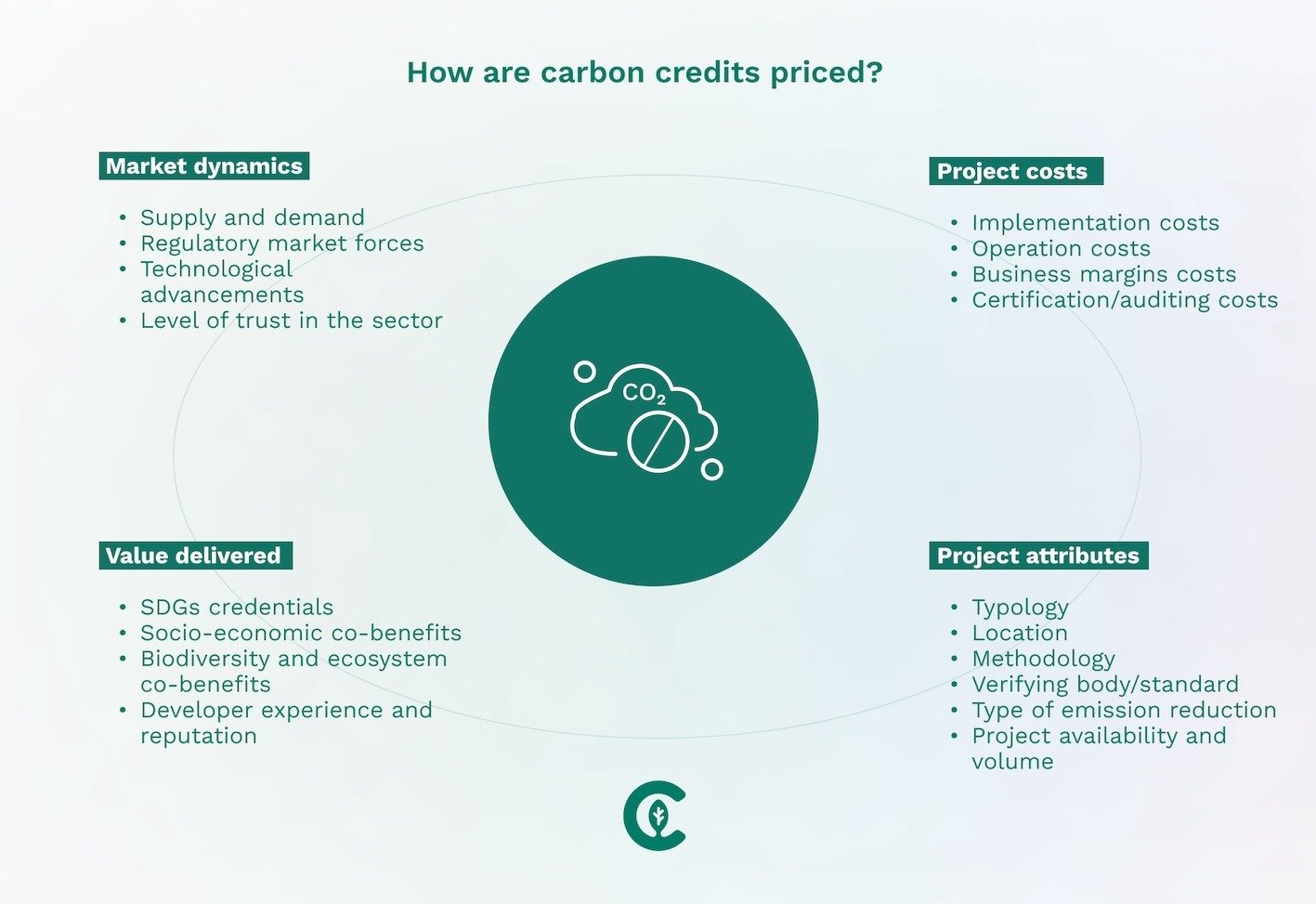
- Price Volatility: Impact on market demand and supply fluctuations
- Limited Representation of Project Types: Critical coverage of emission reduction opportunities
- Insufficient Market Demand: Over-saturation, leading to devaluation
Understanding Carbon Credits: Definition and Importance
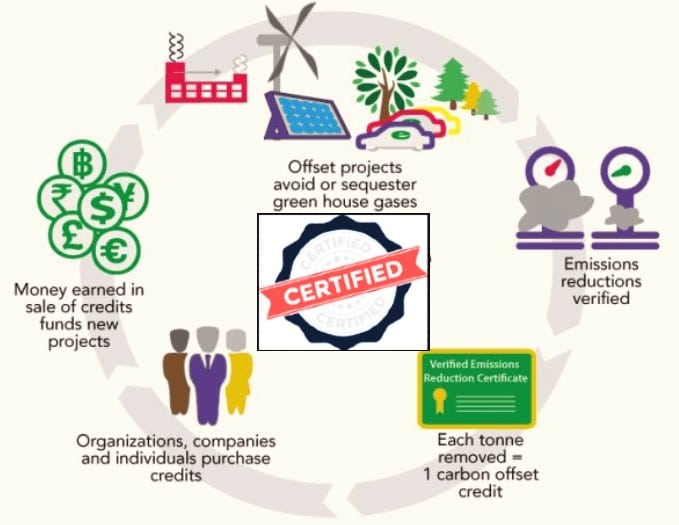
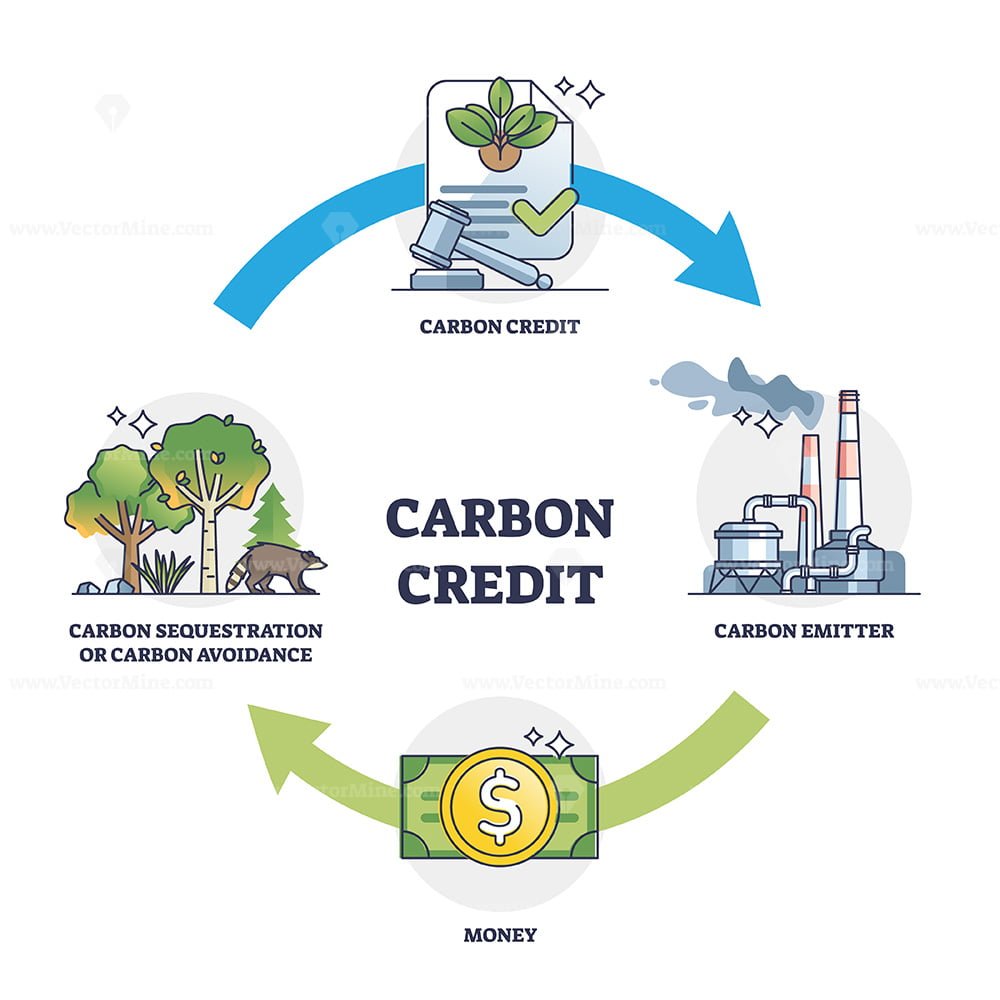
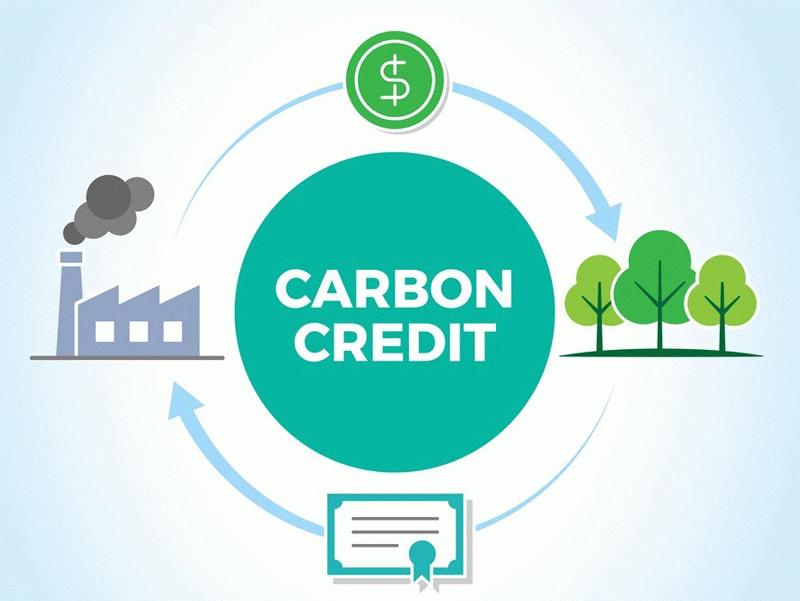
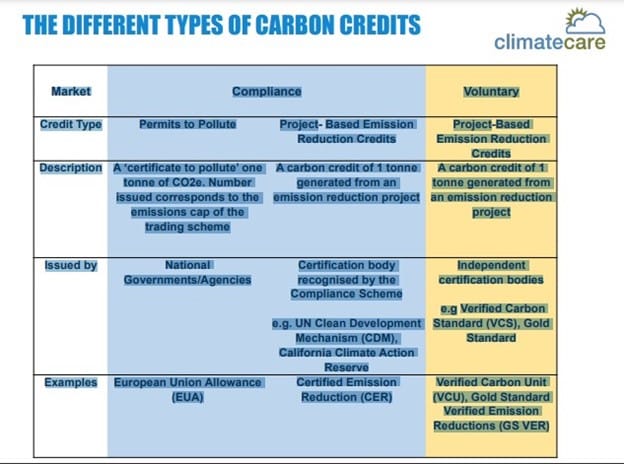
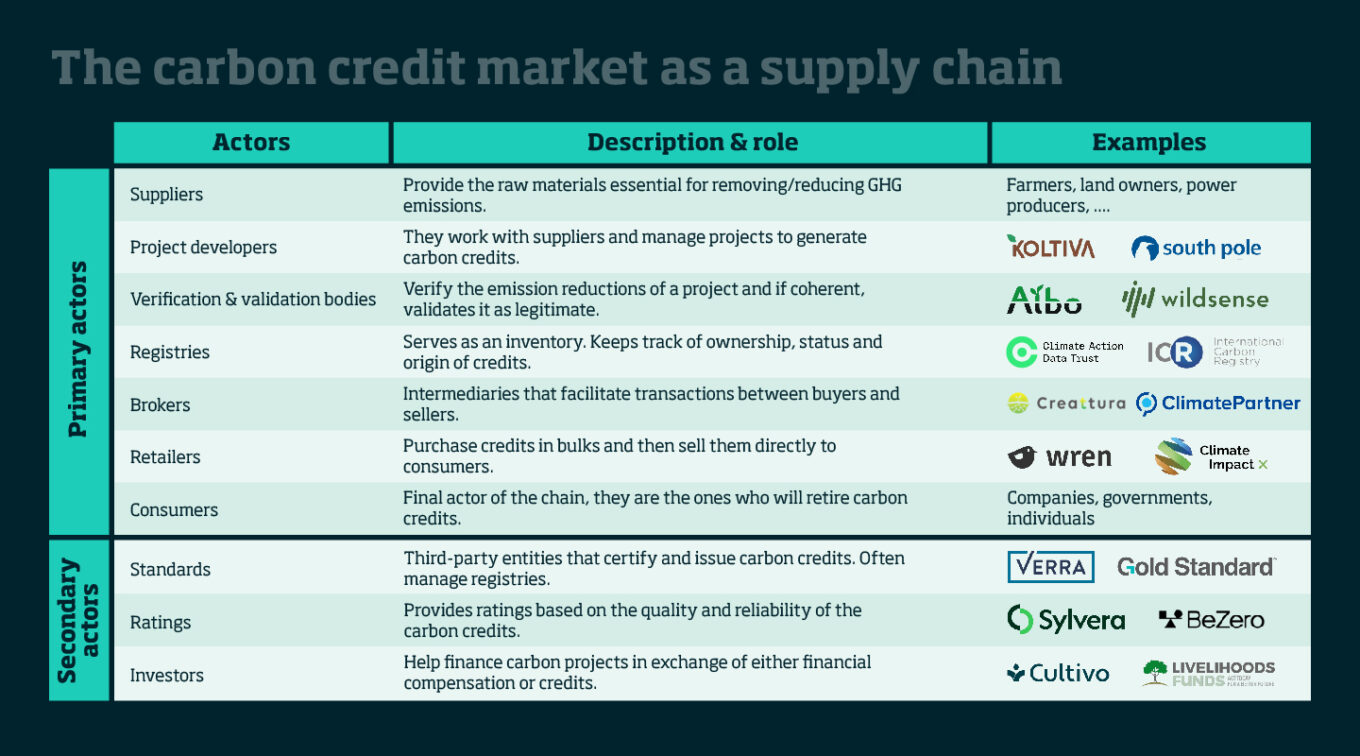
Carbon credits are tradable certificates that represent one metric ton of carbon dioxide equivalent reduced, avoided, or removed. They are used alongside emissions allowances and company actions to manage greenhouse gas footprints effectively. These certificates enable buyers to offset emissions from activities by funding projects that reduce or remove GHGs.
Global Carbon Credit Market Trends

Key trends influencing the viability of high-integrity carbon credits, standardization initiatives like the Greenhouse Gas Protocol, the International Standardization of Carbon (ISC), and measures addressing leakage and double counting are somewhat imperiling demand for low-quality credits. Meanwhile, Cop26 leaders adopted a global framework for carbon pricing, and baselining criteria provide essential guidelines for authentication and projection metrics.
Addressing the Need for Carbon Credit Standardization
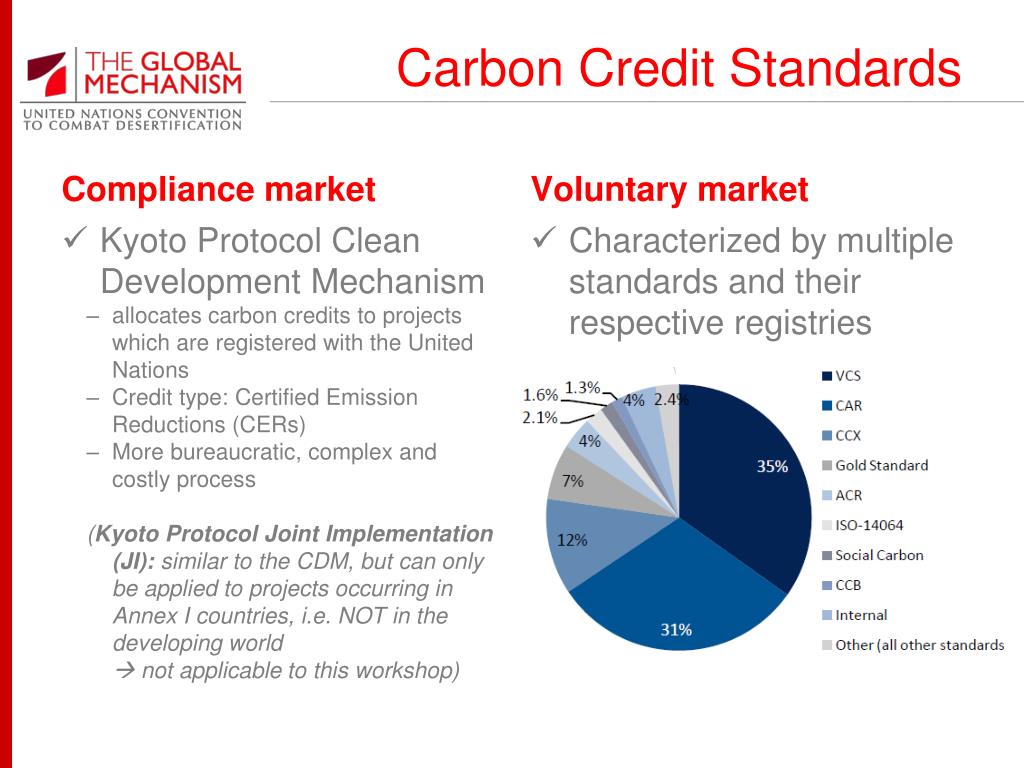
Initiatives driving the standardization of carbon credit data and methodology aim to address the lack of standardization in carbon credit markets. The development of global guidelines and widespread adoption of high-integrity protocols help create a robust framework for market participants. Key milestones include:
- The Common Carbon Credit Data Model (CCDM) has aimed to standardize carbon credit data across its lifecycle, be it during issuance, trading, and retirement.
- Verification Carbon Credit Transactions Definitions and templates are dividing their assistance between regulating packages through baselines and modelling policies.
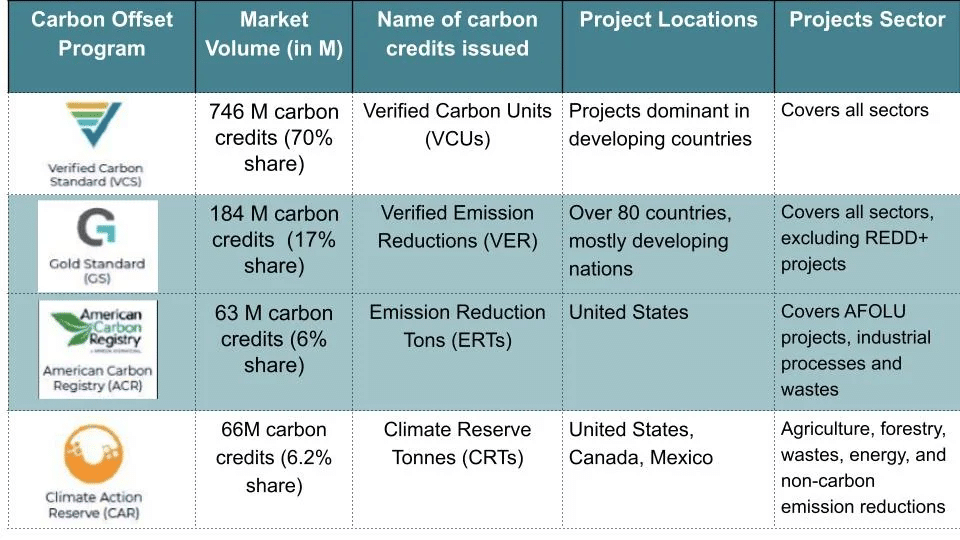
- The Verified Carbon Standard (VCS) involves expanding its scope to effectively encourage top-rated projects that contribute emissions by removing GHG.
Unlocking Carbon Credit Potential
Carbon credit standardization brings resilience and efficiency in both offsetting shortfalls and aligning business carbon footprints to sustainability benchmarks. This sets the stage for institutions launching carbon credits as a tool to solidify environmentally sustainable growth and pioneering milestone commitments to offset and remove GHG emissions in pursuit of net-zero emissions climate plans.
The path forward for global businesses and organizations striving for sustainability involves heightening the acceptability of carbon credits by innovate their status as an essential liability, solving efficiency in carbon asset finances in close service to long-term value creation.