The Impact of Environmental Toxins: A Global Health Concern
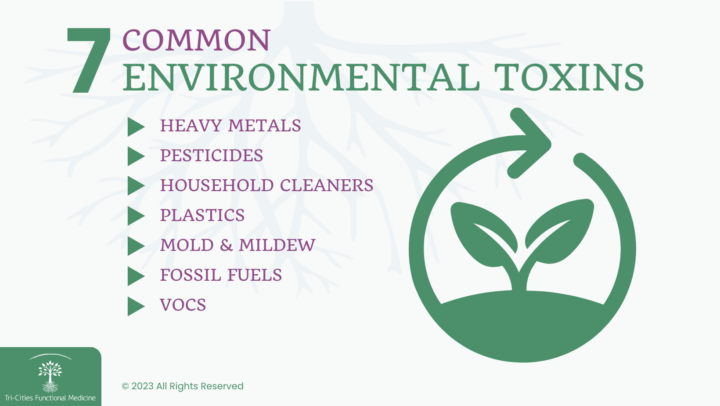
The environmental toxins that surround us every day have a significant impact on our health and well-being. From the air we breathe to the food we eat, and the water we drink, these toxins can be present in various forms, including chemicals, heavy metals, and industrial waste. In this article, we will explore the impact of these environmental toxins on our health and discuss ways to mitigate their effects.Exposure to Environmental Toxins
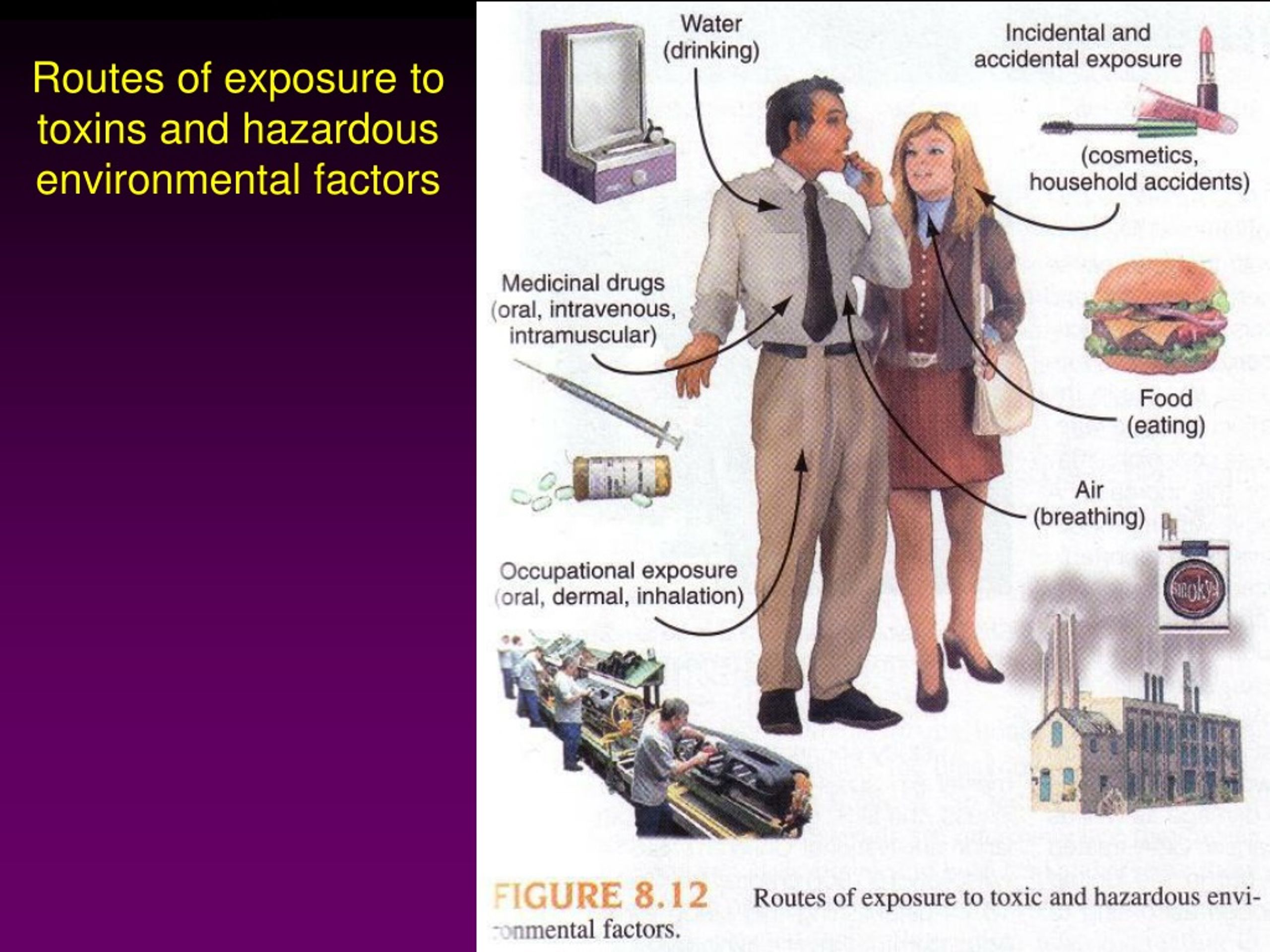
Environmental toxins can enter the human body through inhalation, ingestion, or skin contact. Once inside, they can accumulate in tissues over time and cause a wide range of health problems. The impact of environmental toxins on human health is broad and diverse, with consequences ranging from acute poisoning to chronic diseases.The Genesis of Cancer and Environmental Toxins
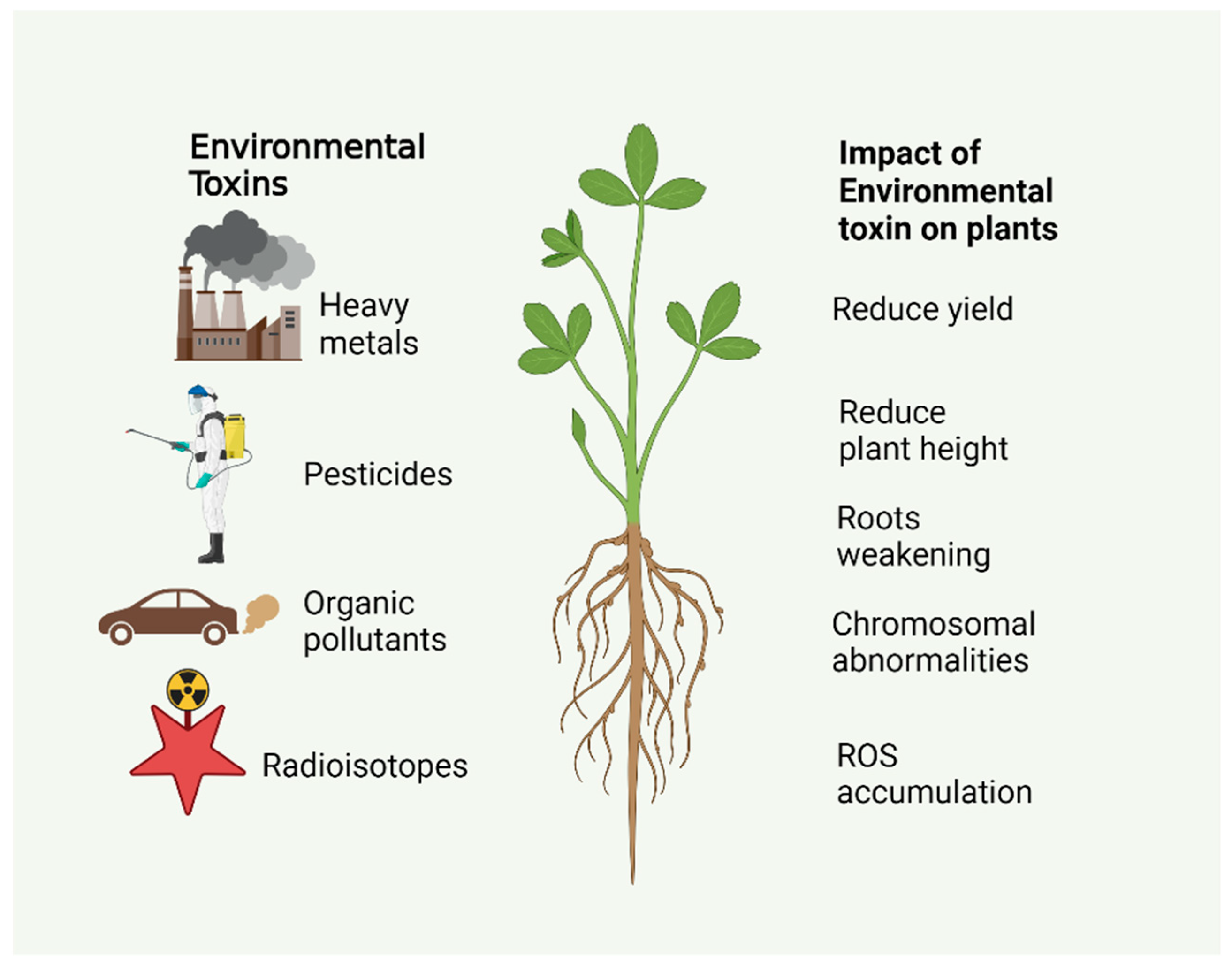
The association between environmental toxins and the genesis of cancer is a growing area of concern. Research has shown that exposure to certain environmental pollutants, such as pesticides and heavy metals, can increase the risk of cancer. The impact of these toxins is not limited to cancer; they can also affect the cardiovascular, respiratory, reproductive, prenatal, and neural health of individuals.Air and Water Pollution
Air and water pollution are two of the most significant sources of environmental toxins. Air pollution from vehicles, industrial processes, and other sources can lead to respiratory problems, such as asthma and chronic obstructive pulmonary disease (COPD). Similarly, water pollution from industrial waste, agricultural runoff, and sewage can contaminate water sources, leading to the spread of waterborne diseases.The Impact of Environmental Toxins on Health

- Cardiovascular disease: Exposure to environmental toxins has been linked to an increased risk of heart disease, stroke, and high blood pressure.
- Respiratory problems: Air pollution can cause respiratory problems, such as asthma and COPD.
- Cancer: Exposure to certain environmental pollutants has been linked to an increased risk of cancer.
- Reproductive problems: Environmental toxins can harm reproductive health, leading to infertility, miscarriage, and birth defects.
- Neural problems: Exposure to environmental toxins has been linked to an increased risk of neurological disorders, such as Parkinson's disease and Alzheimer's disease.
Reducing the Impact of Environmental Toxins
While the impact of environmental toxins is a significant concern, there are steps we can take to reduce our exposure and mitigate their effects. Some ways to reduce the impact of environmental toxins include: *- Reducing air pollution by using public transportation, carpooling, or driving electric or hybrid vehicles.
- Using eco-friendly products and avoiding chemicals that harm the environment.
- Using water filters to remove contaminants from water sources.
- Supporting policies that promote environmental sustainability and reduce pollution.
- Staying informed about the impact of environmental toxins and taking steps to reduce our exposure.