Understanding GLP-1 and Caloric Intake: A Comprehensive Guide
GLP-1 (Glucagon-Like Peptide-1) receptor agonists are a type of medication used to treat obesity and type 2 diabetes. These medications work by suppressing appetite and reducing caloric intake, leading to significant weight loss in many individuals. However, with this reduction in caloric intake comes a risk of malnutrition and micronutrient deficiencies. In this article, we will explore the relationship between GLP-1 and caloric intake, highlighting the importance of nutritional planning and dietary adjustments while on GLP-1 therapy.
Navigating GLP-1 and Caloric Intake: Tips and Strategies
- Listen to your body**: Pay attention to your hunger and fullness cues, and adjust your caloric intake accordingly.
- Eat balanced meals**: Focus on whole, nutrient-dense foods, including protein, healthy fats, and complex carbohydrates.
- Portion control**: Be mindful of serving sizes and adjust your portions based on your individual needs.
- Track your caloric intake**: Monitoring your daily caloric intake can help you stay aware of your minimum calorie needs.
The Science Behind GLP-1 and Caloric Intake
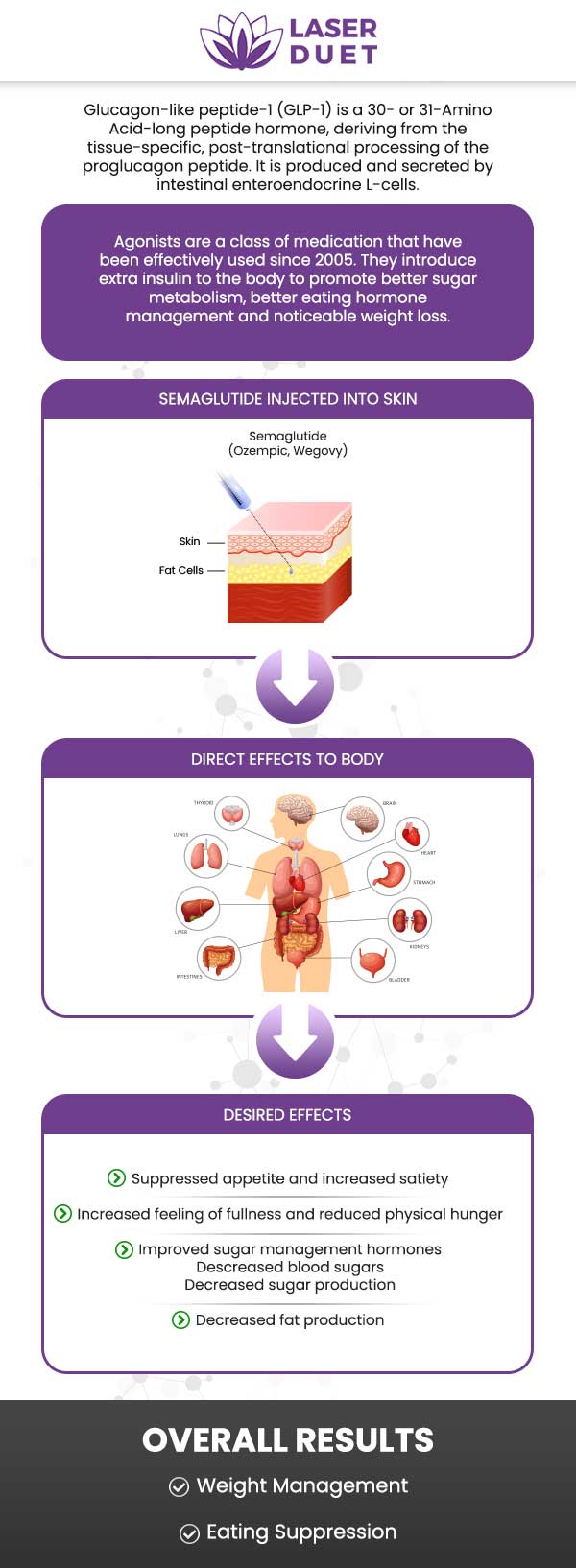
GLP-1 agonists, such as Ozempic (semaglutide) and Wegovy (semaglutide), work by mimicking the action of the GLP-1 hormone, which is naturally produced by the intestines. GLP-1 helps regulate blood sugar levels and suppress appetite, leading to a reduction in caloric intake. Research has shown that GLP-1 therapy can result in a 30-40% reduction in caloric intake, which can lead to significant weight loss.
GLP-1 Nutrition Deficiencies: What You Need to Know
As you reduce your caloric intake while on GLP-1 therapy, it becomes increasingly important to prioritize nutrient-dense foods and consider supplements to fill potential gaps. GLP-1 nutrition deficiencies can occur when your medication reduces your food intake to the point where you struggle to meet your basic nutritional needs through diet alone.
GLP-1, Protein Intake, and Muscle Preservation

Research has shown that GLP-1 therapy can lead to muscle loss, particularly if you do not consume enough protein. To mitigate this risk, consider the following strategies:
- Higher protein intake**: Aim for 1.2-1.6g of protein per kilogram of body weight daily to support muscle synthesis and preservation.
- Resistance training**: Engage in regular resistance training to help build and maintain muscle mass.
- Creatine supplementation**: Consider adding creatine to your supplement routine to help maintain muscle strength and volume.
Key Takeaways for GLP-1 Users
When using GLP-1 medications, it is essential to focus on muscle preservation, metabolic health, and satiety. Some key takeaways include:
- Prioritize protein**: Aim for 0.8-1g of protein per pound of body weight daily to support muscle growth and preservation.
- Strategic low-carb intake**: Focus on nutrient-dense, high-fiber foods to help regulate blood sugar levels and support satiety.
- High fiber intake**: Aim for 30-40 grams of fiber daily to support gut health and digestion.
Conclusion
The relationship between GLP-1 and caloric intake is complex, and it is essential to navigate this relationship with careful consideration and a personalized approach. By understanding your unique caloric needs, embracing a balanced diet rich in nutrients, and staying mindful of portion sizes, you can maximize the benefits of GLP-1 medications and support your weight loss goals effectively.