Foundation Design and Construction: The Backbone of Every Structure
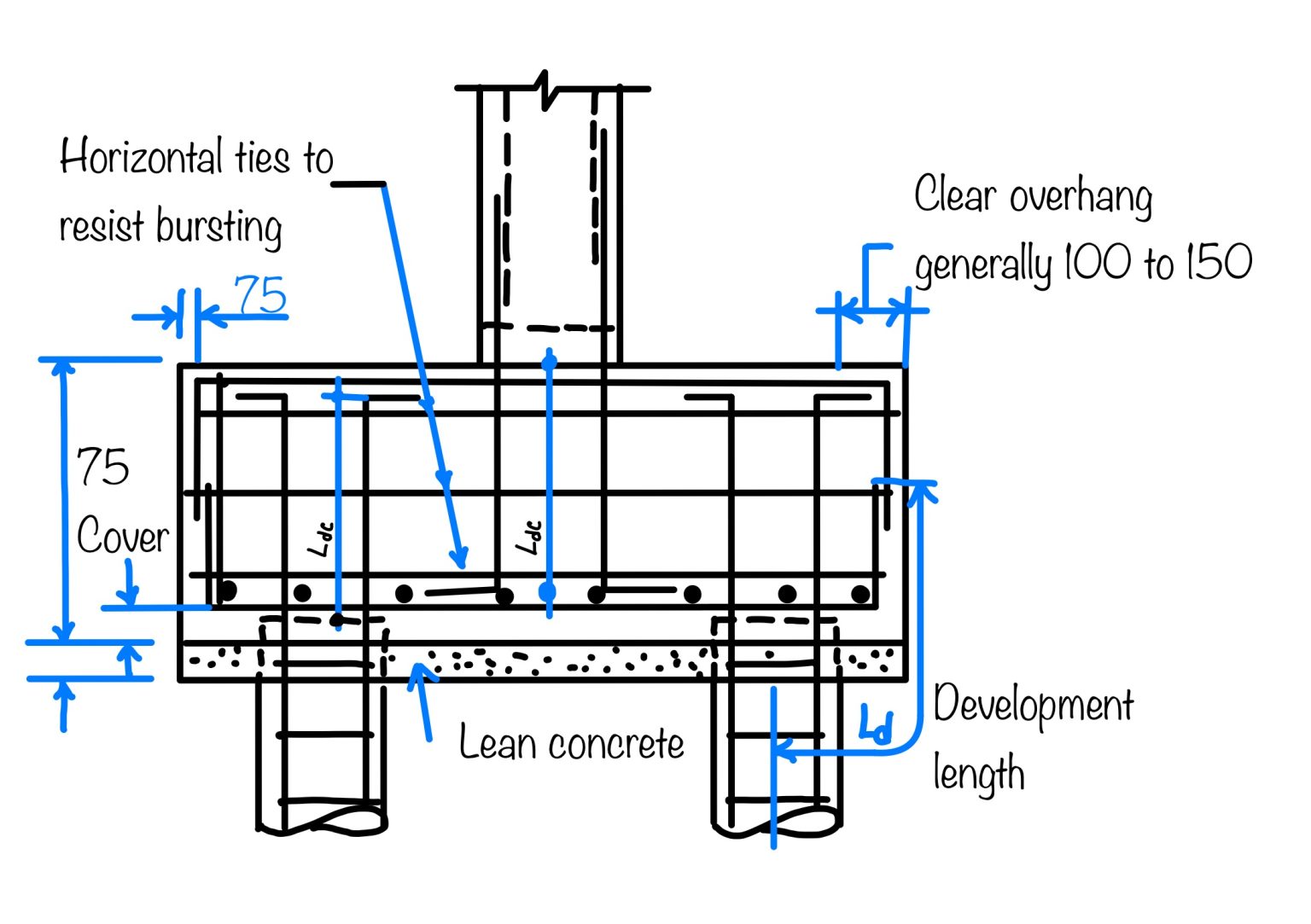
When it comes to building structures that will stand the test of time, the foundation is the unsung hero. A well-designed and constructed foundation is the backbone of every structure, providing a solid base that supports the weight of the building and transfers loads safely into the soil. In this article, we will delve into the world of foundation design and construction, covering key types of foundations, the importance of reinforcement, soil analysis, modern design tools, and best practices to ensure stable, durable, and cost-effective structures.
Types of Foundations: A Comprehensive Overview
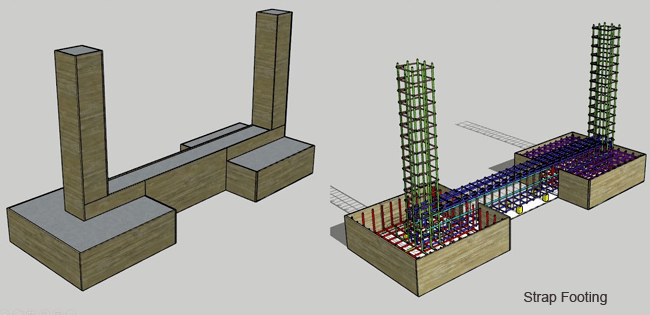
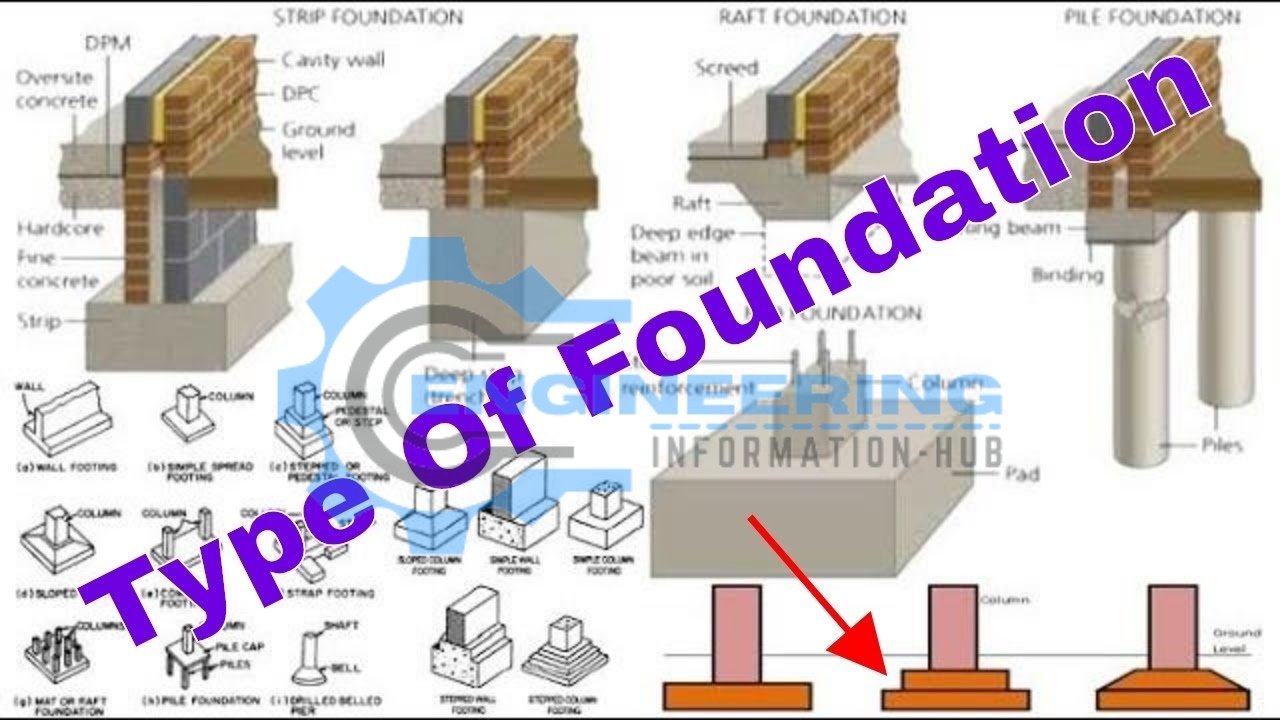
There are several types of foundations, each with its unique characteristics and applications. Some of the most common types of foundations include:
- Shallow Foundations: These foundations are shallow and spread the weight of the building over a large area. They are often used for small structures like houses and buildings with light loads.
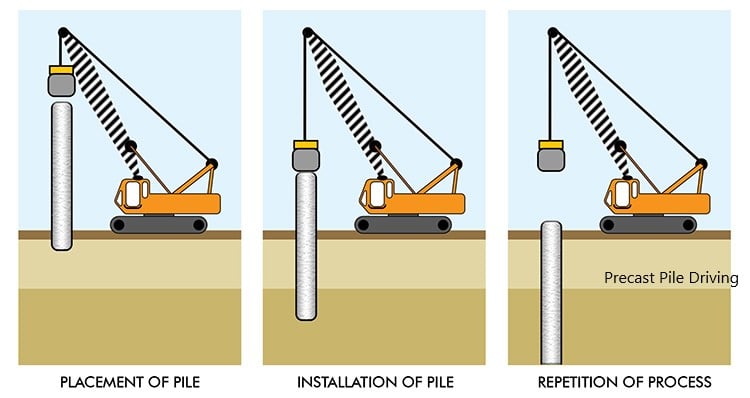
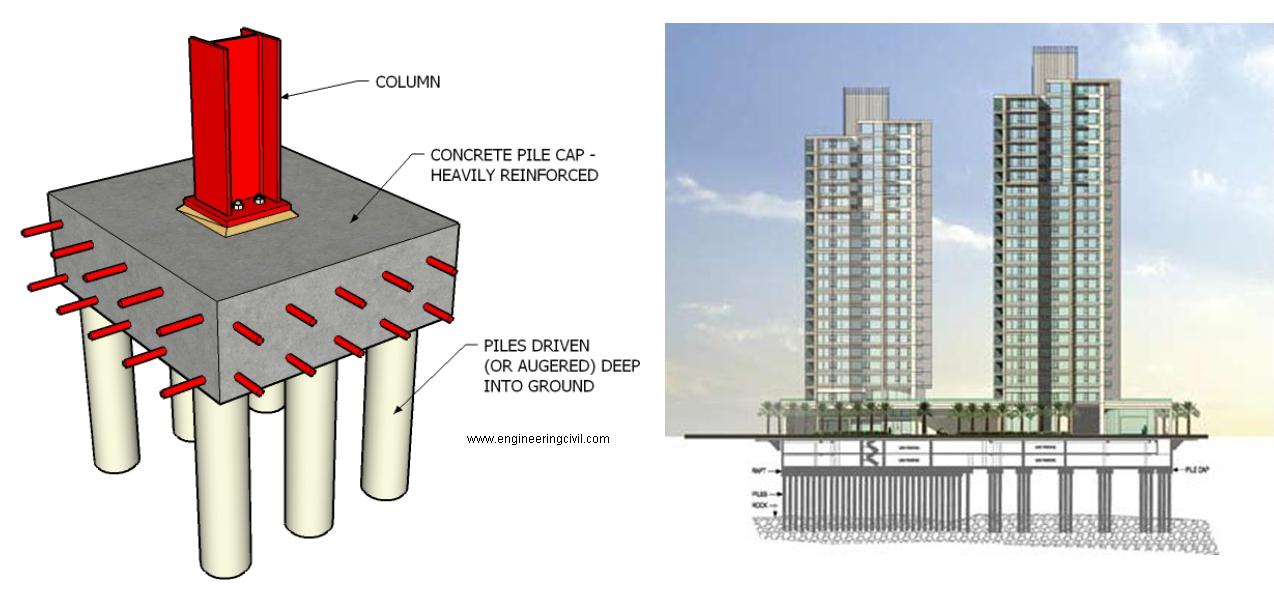
- Deep Foundations: These foundations are deep and transfer the weight of the building to a deeper, more stable soil layer. They are often used for large structures like skyscrapers and buildings with heavy loads.
- Raft Foundations: These foundations are a type of shallow foundation that is typically used for large structures like commercial buildings and shopping centers.
- Caisson Foundations: These foundations are a type of deep foundation that is typically used for large structures like bridges and tunnels.
The Importance of Reinforcement in Foundation Design
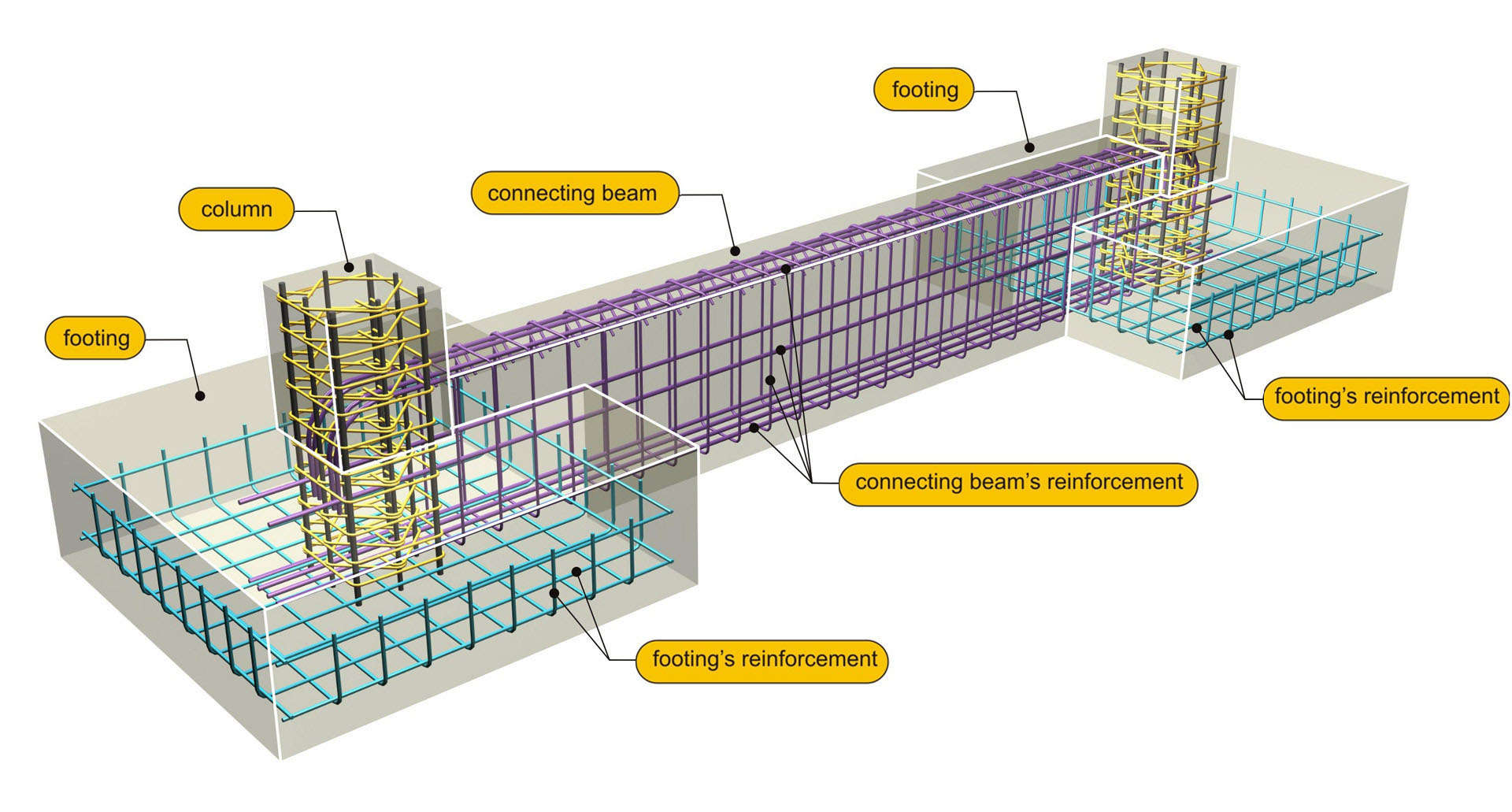
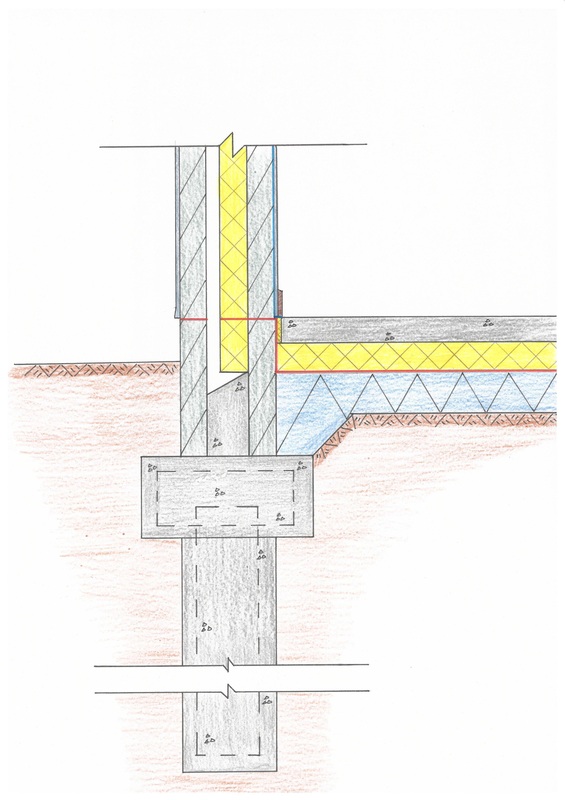
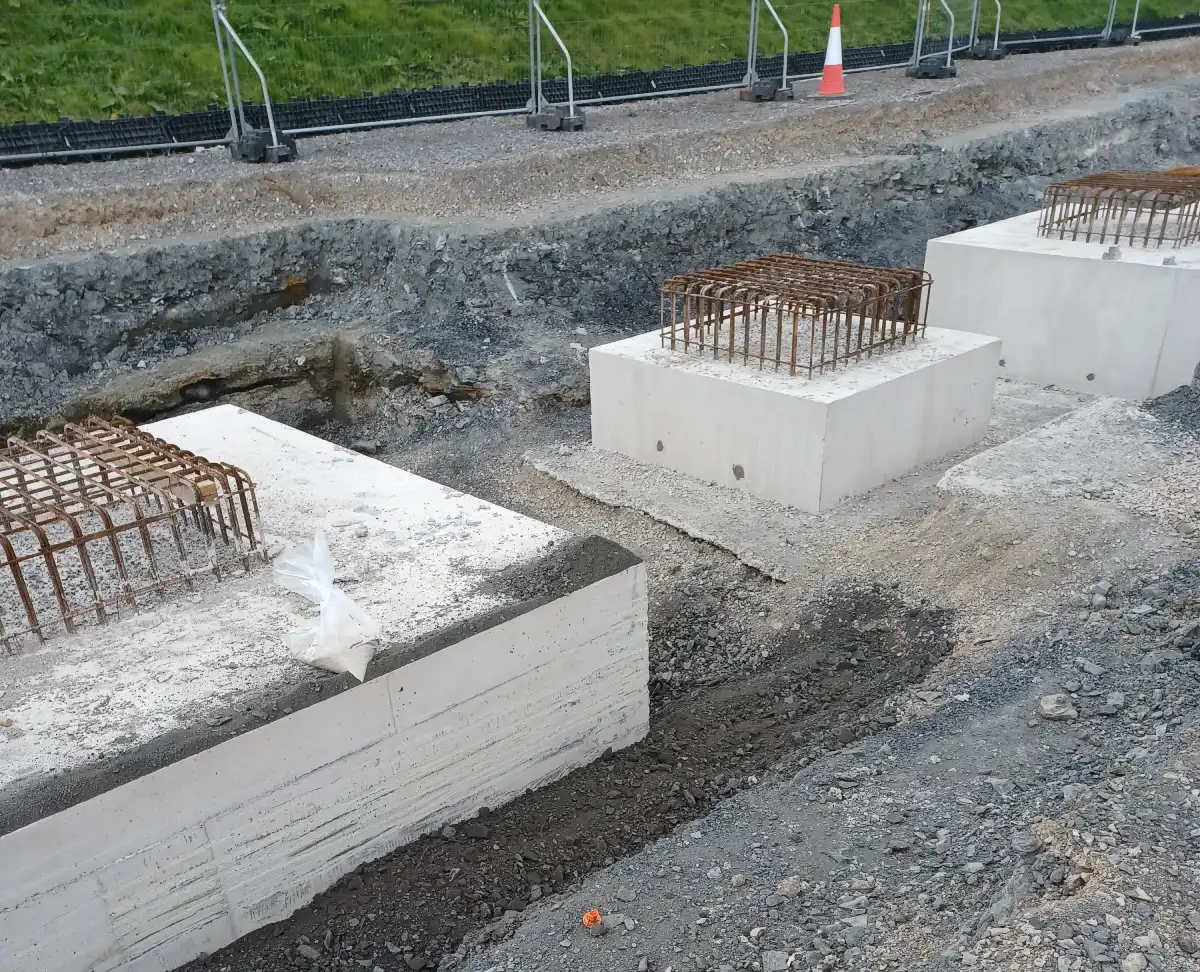
Reinforcement is a critical aspect of foundation design and construction. It involves adding materials like steel rebar or fiber-reinforced polymers to the foundation to increase its strength and durability. Reinforcement helps to:
- Withstand external loads and forces
- Reduce the risk of settlement and cracking
- Improve the overall stability of the structure
Soil Analysis: The Key to Successful Foundation Design
Soil analysis is a critical step in the foundation design process. It involves studying the properties of the soil to determine its bearing capacity, settlement characteristics, and other factors that can affect the stability of the foundation. Soil analysis helps to:
- Identify potential soil-related problems li> Determine the most suitable foundation type and design
- Minimize the risk of foundation failure
Modern Design Tools: Streamlining the Foundation Design Process
Modern design tools have revolutionized the foundation design process, making it faster, more efficient, and more accurate. Some of the most common design tools used in foundation design include:
- CAD Software: Computer-aided design (CAD) software is used to create detailed drawings and models of the foundation.
- Building Information Modeling (BIM): BIM software is used to create detailed 3D models of the foundation and structure.
- Finite Element Analysis (FEA): FEA software is used to analyze the behavior of the foundation under various loads and conditions.
Best Practices in Foundation Design and Construction
There are several best practices that can be followed to ensure successful foundation design and construction. Some of the most important best practices include:
- Conducting thorough soil analysis
- Using reinforced materials in the foundation
- Designing the foundation to withstand external loads and forces
- Constructing the foundation with precision and care
In conclusion, foundation design and construction are critical aspects of building structures that will stand the test of time. By understanding the different types of foundations, the importance of reinforcement, soil analysis, modern design tools, and best practices, we can create stable, durable, and cost-effective structures that meet the needs of modern society.