Understanding Export License Types: A Comprehensive Guide
International trade requires a thorough understanding of export license types to ensure compliance with regulations and facilitate smooth operations. In this article, we'll delve into the world of export licensing, exploring the intricacies of different types of licenses, their requirements, and best practices for compliance.
What is an Export License?
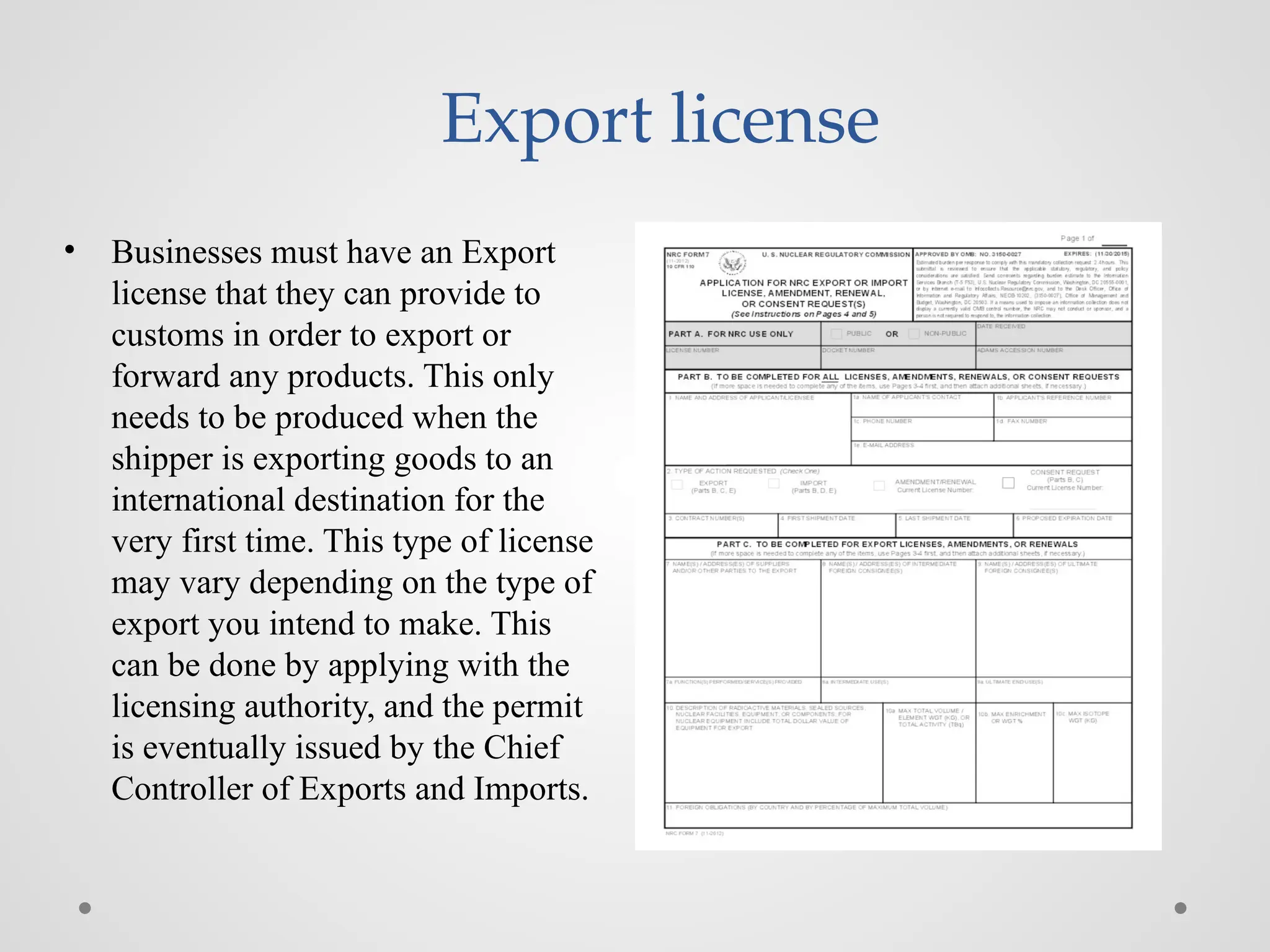
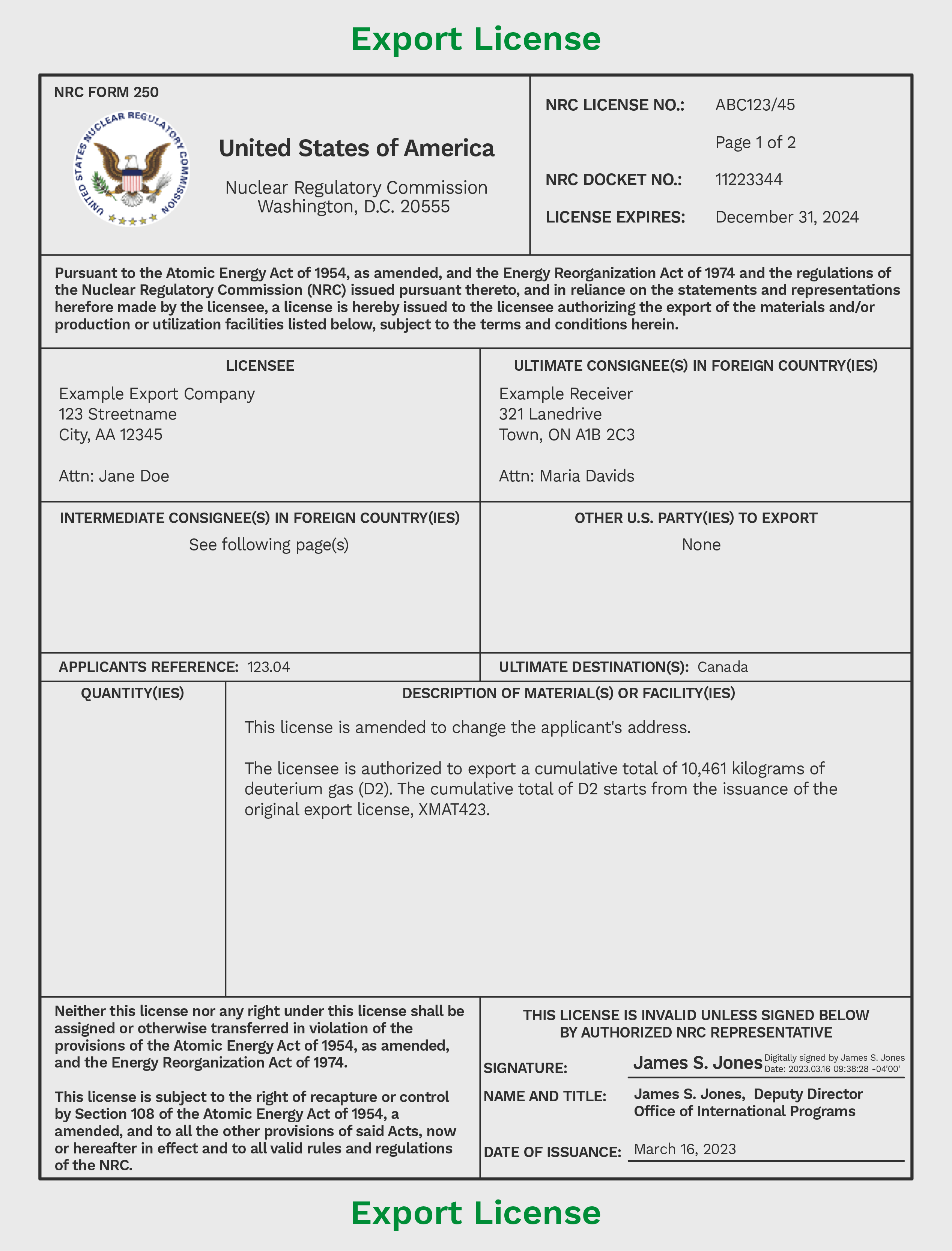
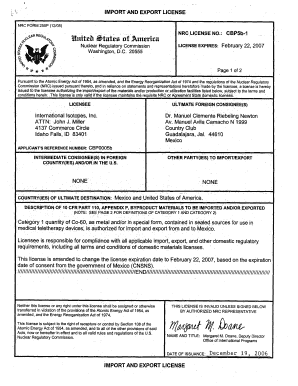
An export license is a government document that grants permission to conduct a specific export transaction, including the export of technology. It's a crucial component of international trade, as it regulates the transfer of sensitive goods and technologies across borders.
Types of Export Licenses
The complexity of export licenses arises from the diverse range of goods and technologies subject to regulation. To effectively navigate the export licensing process, businesses must understand the various types of licenses available. Some of the most common types of export licenses include:
- General Export License: A general export license is a broad license that allows the export of certain goods or technologies to specific countries or regions.
- Specific Export License: A specific export license is tailored to a particular product or technology and may include conditions and restrictions.
- Dual-Use License: A dual-use license authorizes the export of goods or technologies with both civil and military applications.
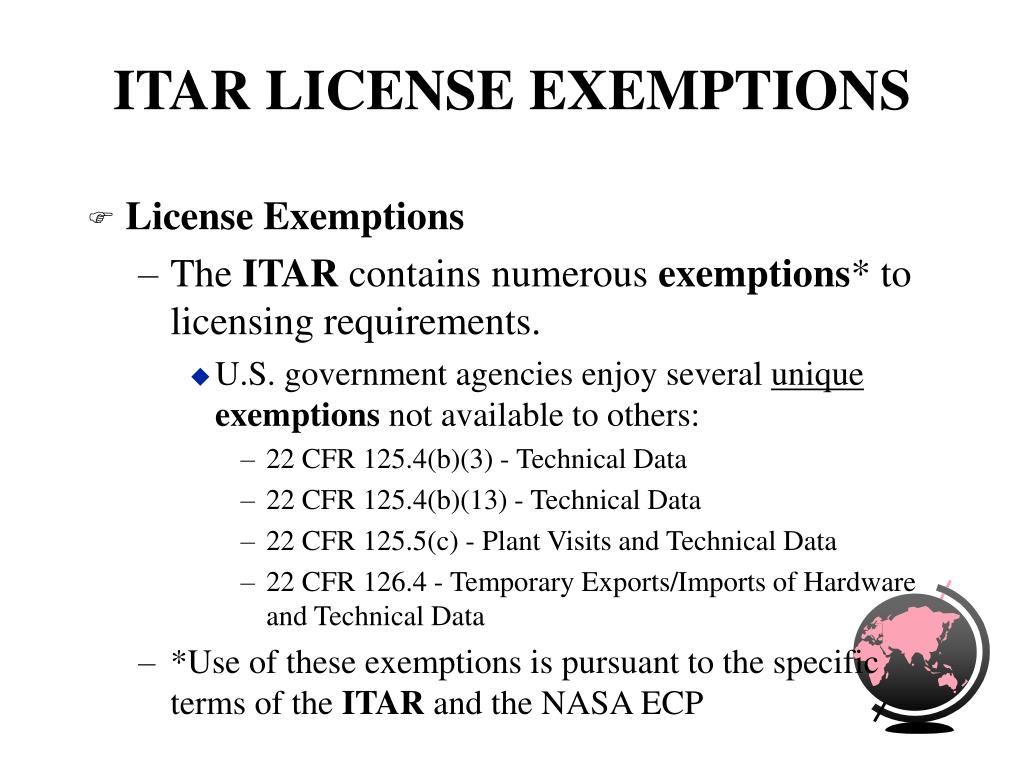
- License Exceptions: License exceptions are authorizations that allow for the export or reexport of certain items subject to the Export Administration Regulations (EAR) under specific conditions.
Importance of Export License Management
Effective export license management is critical for businesses to ensure compliance with regulations and avoid costly mistakes. Companies must navigate the complexities of export control laws and regulations, often involving multiple government agencies and licenses. Poor management can lead to:
- Delayed Shipments: Failure to obtain the necessary licenses can cause delays in shipments and disrupt international trade operations.
- Fines and Penalties: Non-compliance with export regulations can result in significant fines and penalties, damaging a company's reputation and financial stability.
- Loss of Business Opportunities: Inadequate export license management can lead to the loss of business opportunities, as buyers may not engage with companies that fail to meet export regulations.
Best Practices for Export License Compliance
Compliance with export regulations requires businesses to adopt best practices, including:
- Conducting Due Diligence: Companies must conduct thorough due diligence on export partners, destinations, and end-users.
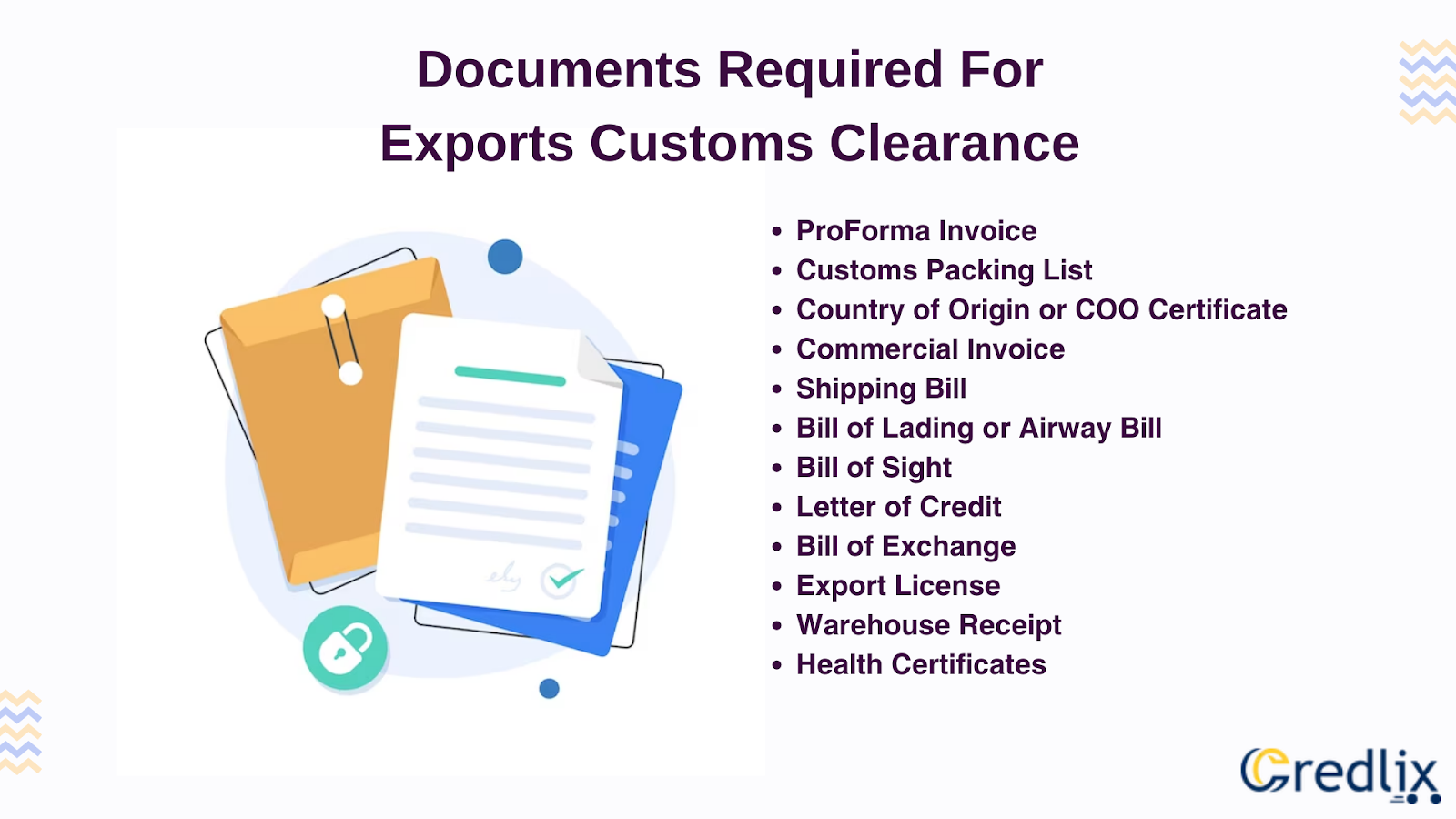
- Maintaining Accurate Records: Businesses must maintain accurate records of export transactions, including licenses, permits, and shipments.
- Staying Up-to-Date with Regulations: Companies must stay informed about changes in export regulations, including new license requirements and restrictions.
Conclusion
Export license types are a complex aspect of international trade, requiring businesses to navigate multiple regulations and agencies. By understanding the different types of export licenses and adopting best practices for compliance, companies can avoid costly mistakes and ensure smooth international trade operations. In this article, we've explored the intricacies of export licensing, providing a comprehensive guide for businesses seeking to expand their operations globally.