Smart Thermostat Installation for Homes with Heat Pumps: A Comprehensive Guide
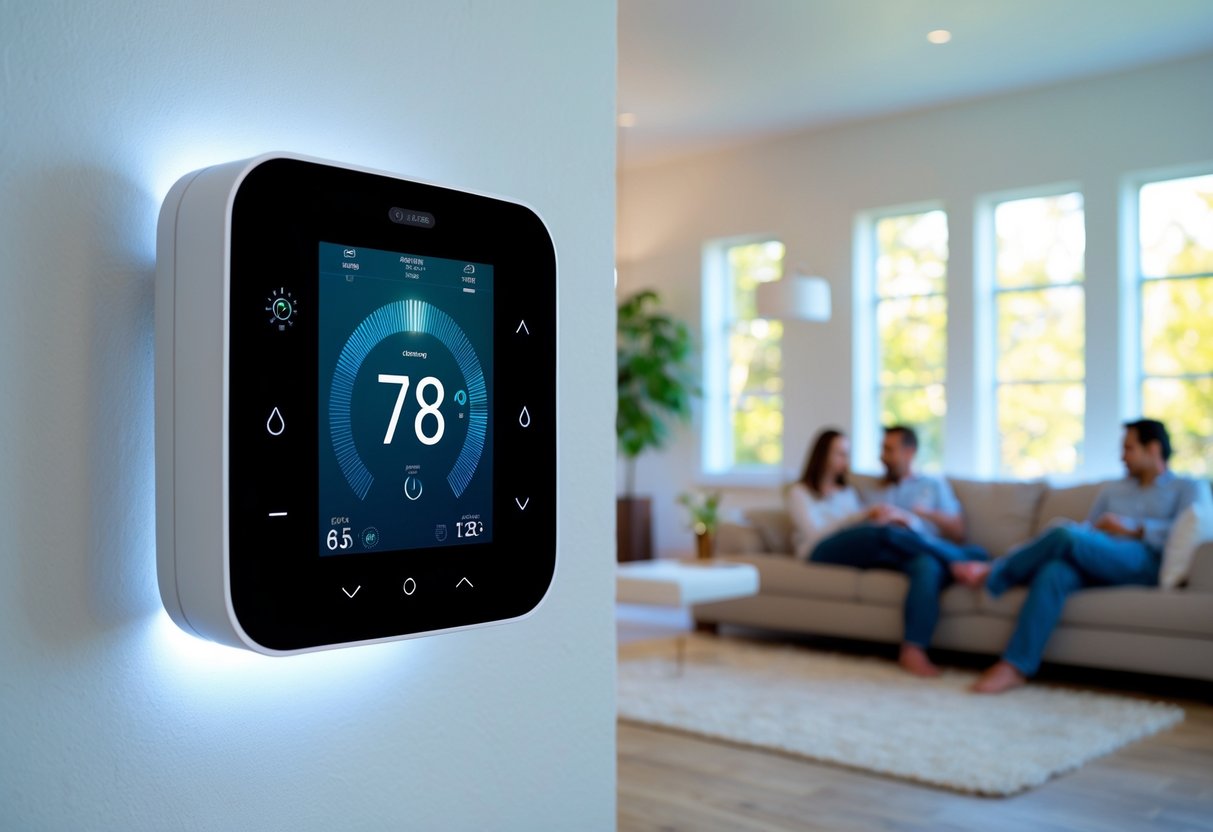
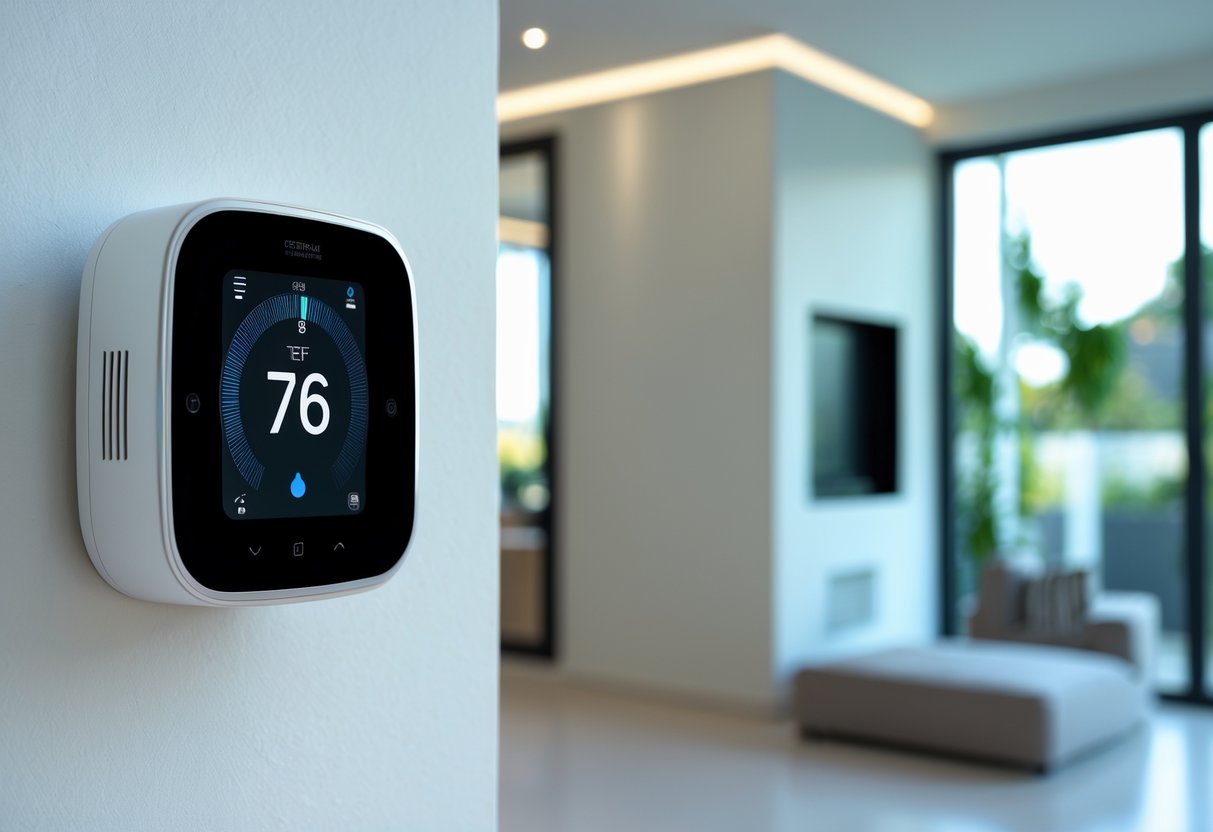
As homeowners increasingly seek to optimize their energy efficiency and enhance their living comfort, smart thermostat installation has become an essential aspect of modern home automation. However, integrating a smart thermostat with a heat pump requires a deeper understanding of the technology and the specific requirements for seamless integration.
Benefits of Smart Thermostat Installation for Homes with Heat Pumps
The primary advantages of smart thermostat installation for homes with heat pumps include:
- Precise climate control: Smart thermostats enable homeowners to adjust temperature settings remotely, ensuring optimal comfort and energy efficiency.
- Energy savings: By optimizing heating and cooling cycles, smart thermostats can lead to significant reductions in energy consumption, lowering utility bills and environmental impact.
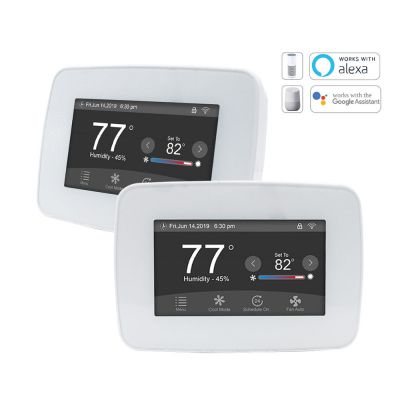
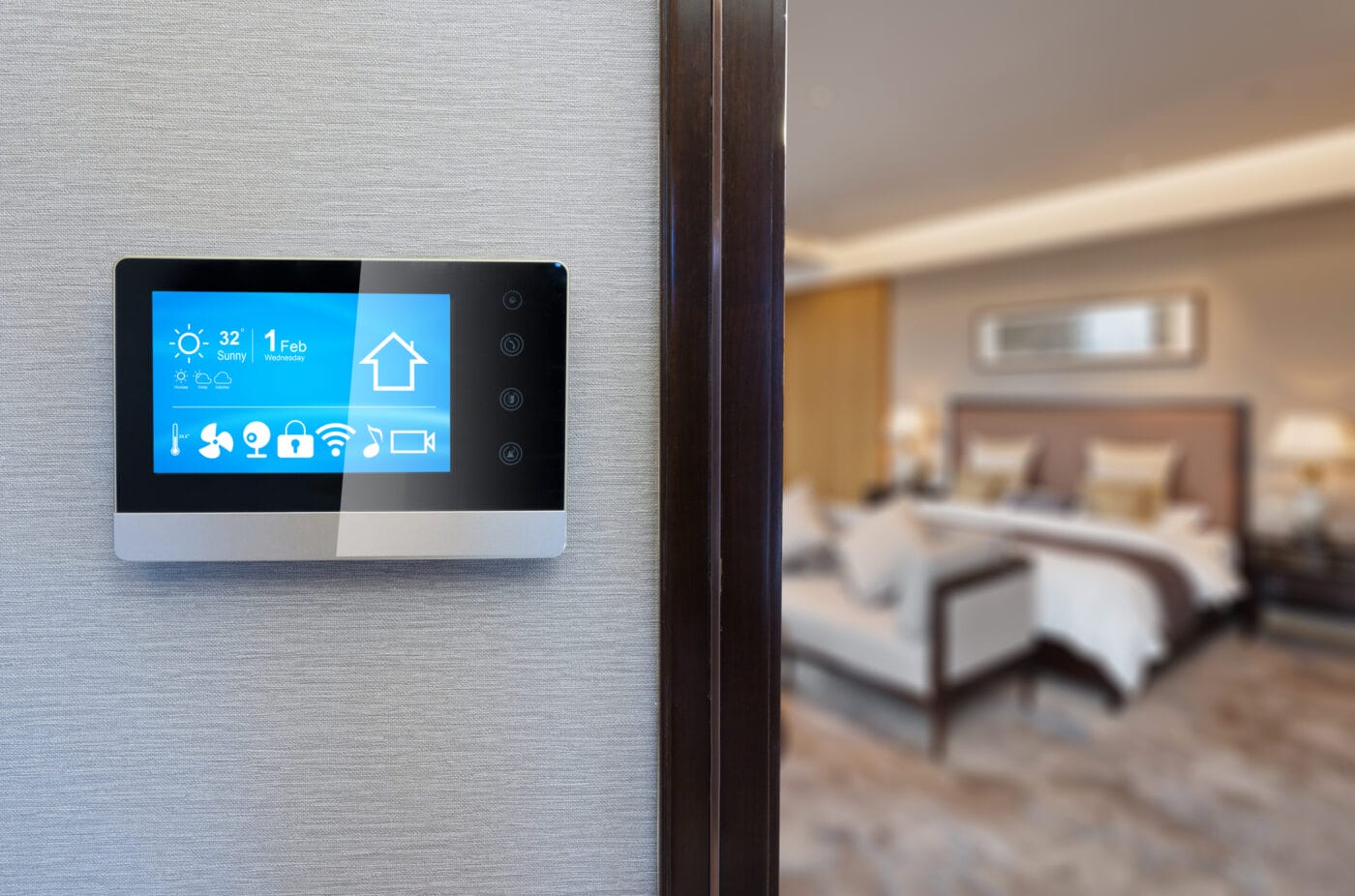
- Enhanced convenience: Smart thermostats often integrate with popular voice assistants, scheduling apps, and energy management systems, making it easier to manage home temperature settings.
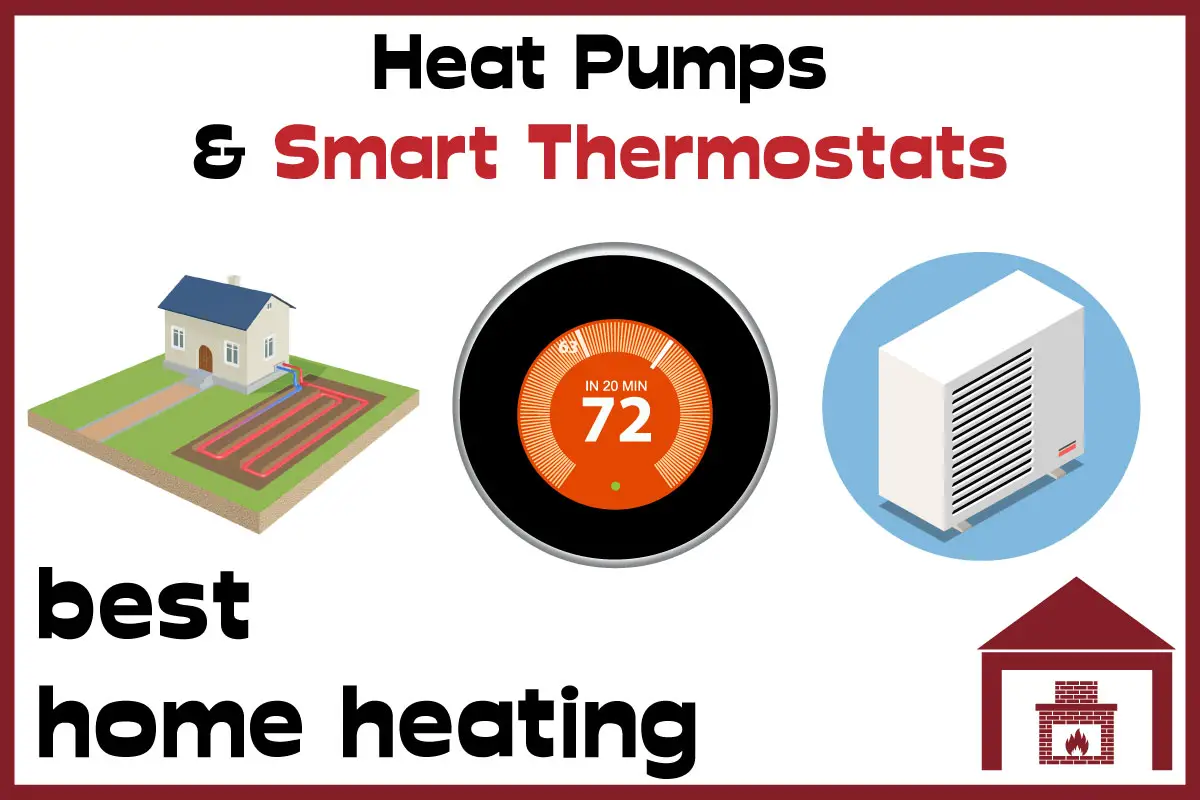
- Compatible with various heat pump systems: Smart thermostats are designed to work with a wide range of heat pump systems, including air-to-air, air-to-water, and ground-source heat pumps.
Things to Consider Before Smart Thermostat Installation
Before installing a smart thermostat, homeowners should consider the following factors:
- Compatibility: Ensure the chosen thermostat is compatible with the existing heat pump system and home network.
- Wiring requirements: Identify the necessary wiring and electrical connections for proper installation.
- C-wire requirements: Determine if a C-wire is necessary for continuous power supply, and explore options for C-wire adapters or alternative wiring configurations.
- Power supply: Verify that the thermostat receives sufficient power and that the heat pump system is designed to handle the thermostat's power requirements.
- System configuration: Understand the specific configuration requirements for the heat pump system and thermostat integration.
Popular Smart Thermostat Options for Homes with Heat Pumps
Several smart thermostat models are designed to work seamlessly with heat pumps, including:
- Ecobee smart thermostats: Compatible with air-to-air and air-to-water heat pumps.
- Nest thermostats: Supports a wide range of heat pump systems, including air-to-air and ground-source heat pumps.
- Honeywell heat pump thermostats: Offers advanced features and compatibility with various heat pump systems.
- Insteon heat pump thermostats: Provides precise climate control and energy efficiency for homes with heat pumps.

Smart Thermostat Installation Process
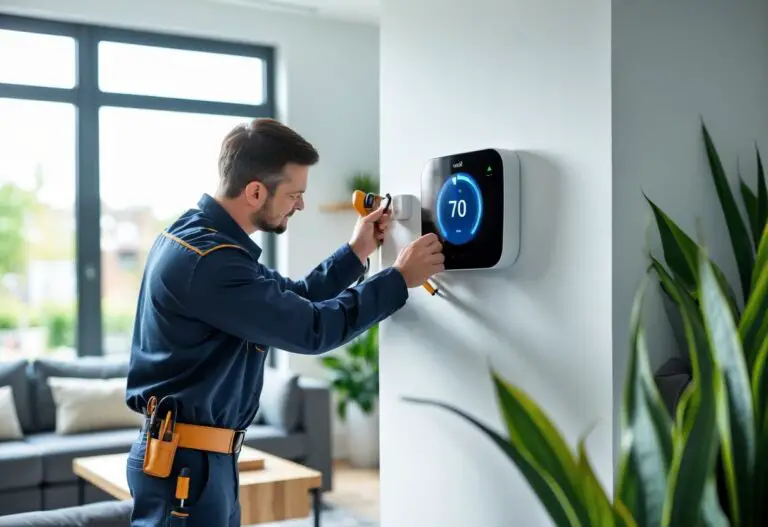
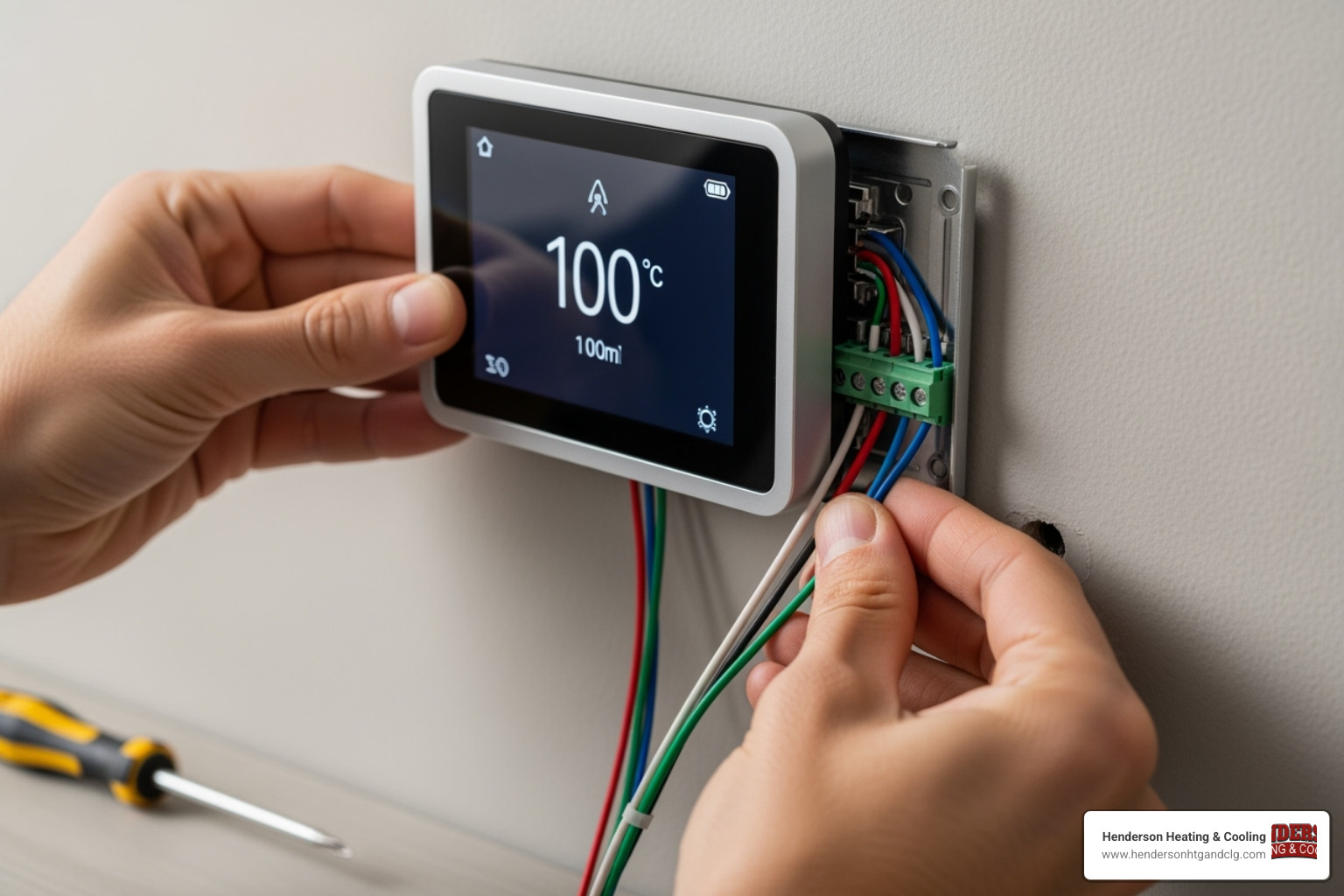
The installation process typically involves:
- Power off: Shut down the heat pump system and thermostat.
- Wiring connection: Connect the thermostat to the heat pump system and home network.
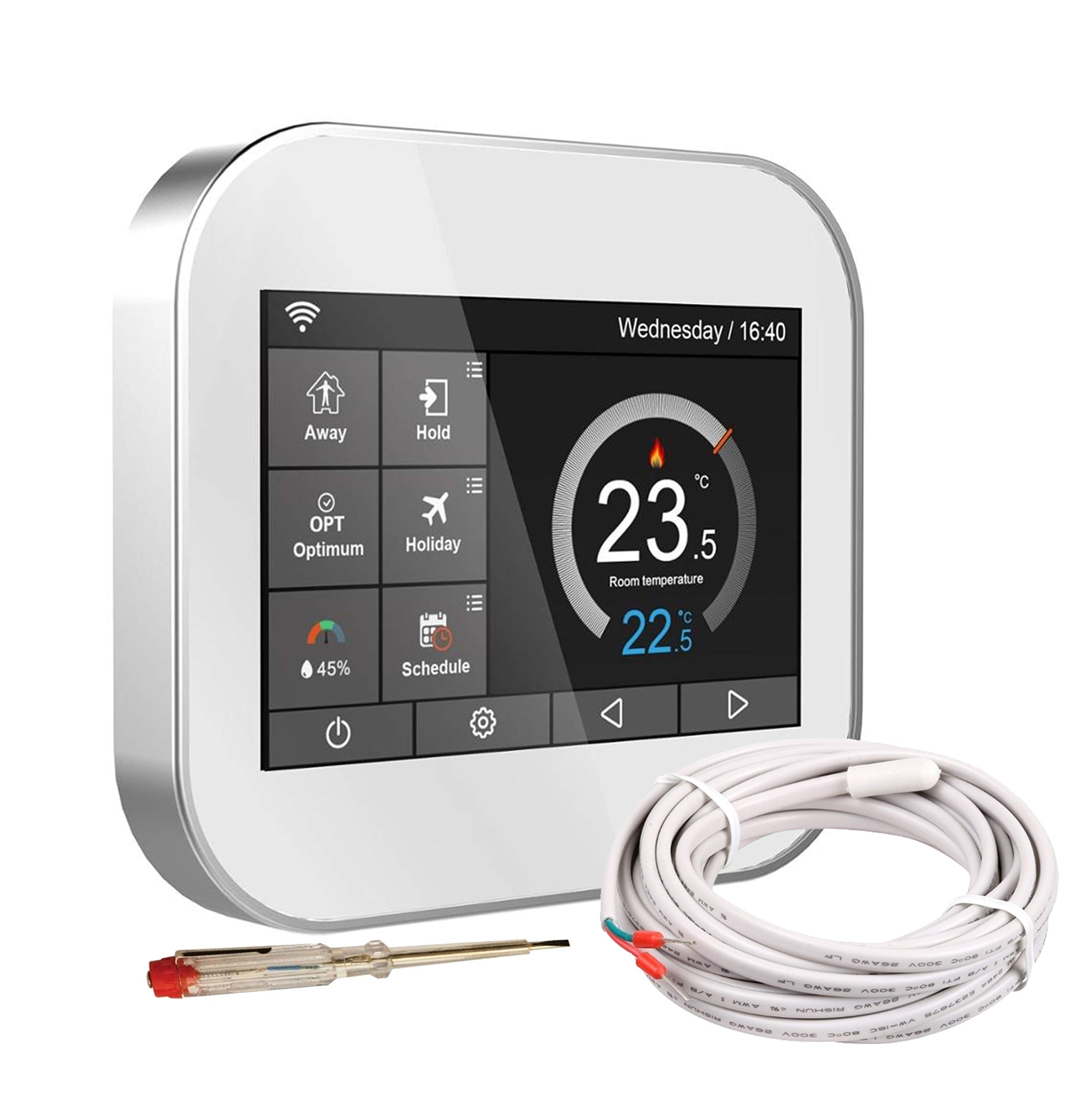
- Thermostat configuration: Configure the thermostat settings and connectivity through the app or interface.
- System linking: Link the thermostat to the heat pump system via the app or system settings.
Tips for Successful Smart Thermostat Installation
Homeowners can ensure a smooth installation process by following these tips:
- Consult the manufacturer's instructions and guidelines.
- Seek professional assistance if unsure about any aspect of the installation process.
- Perform regular software updates to maintain optimal performance and security.
- Monitor and adjust thermostat settings to achieve optimal energy efficiency and comfort.
Conclusion
Smart thermostat installation for homes with heat pumps offers numerous benefits, including precise climate control, energy savings, and enhanced convenience. By understanding the specific requirements for smart thermostat installation and selecting a compatible model, homeowners can enjoy a more comfortable and sustainable living space.
By following the guidelines outlined in this comprehensive guide, homeowners can ensure a successful smart thermostat installation, achieving optimal comfort and energy efficiency for their home with a heat pump system.

%20(1).jpg "Essential Guide to Smart Thermostat Installation | Geeks on Site")