Understanding the Connection between Obesity and GLP-1 Hormone
The human body is a complex system governed by a delicate balance of hormones, which play a crucial role in regulating various bodily functions, including appetite, metabolism, and blood sugar levels. Among these hormones, glucagon-like peptide-1 (GLP-1) has emerged as a key player in managing obesity and weight loss. In this article, we will delve into the relationship between obesity and GLP-1 hormone, exploring its mechanisms, benefits, and potential therapeutic applications.
The Role of GLP-1 Hormone in Weight Regulation
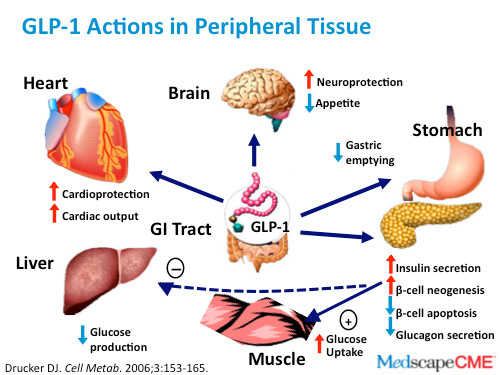
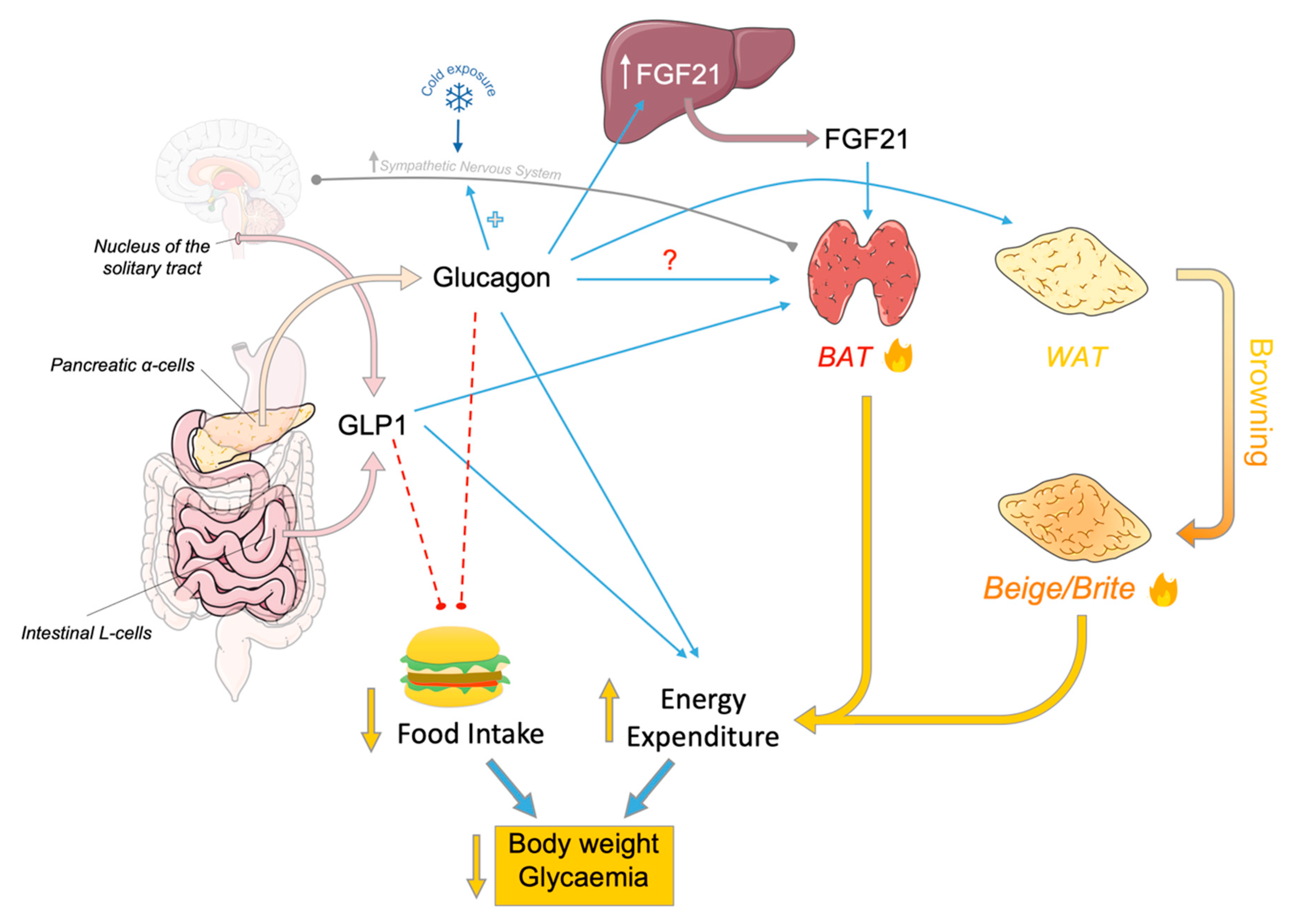
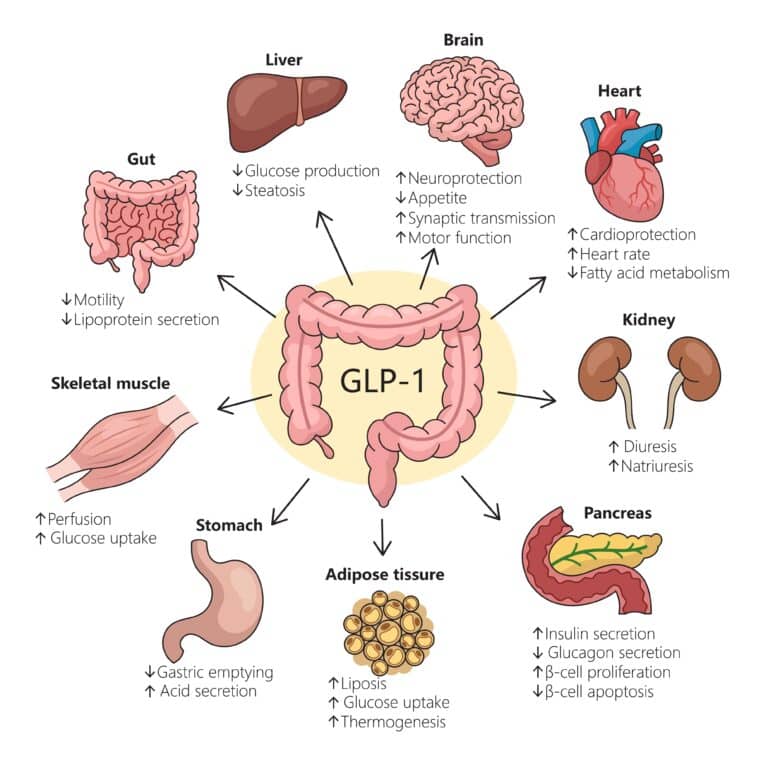
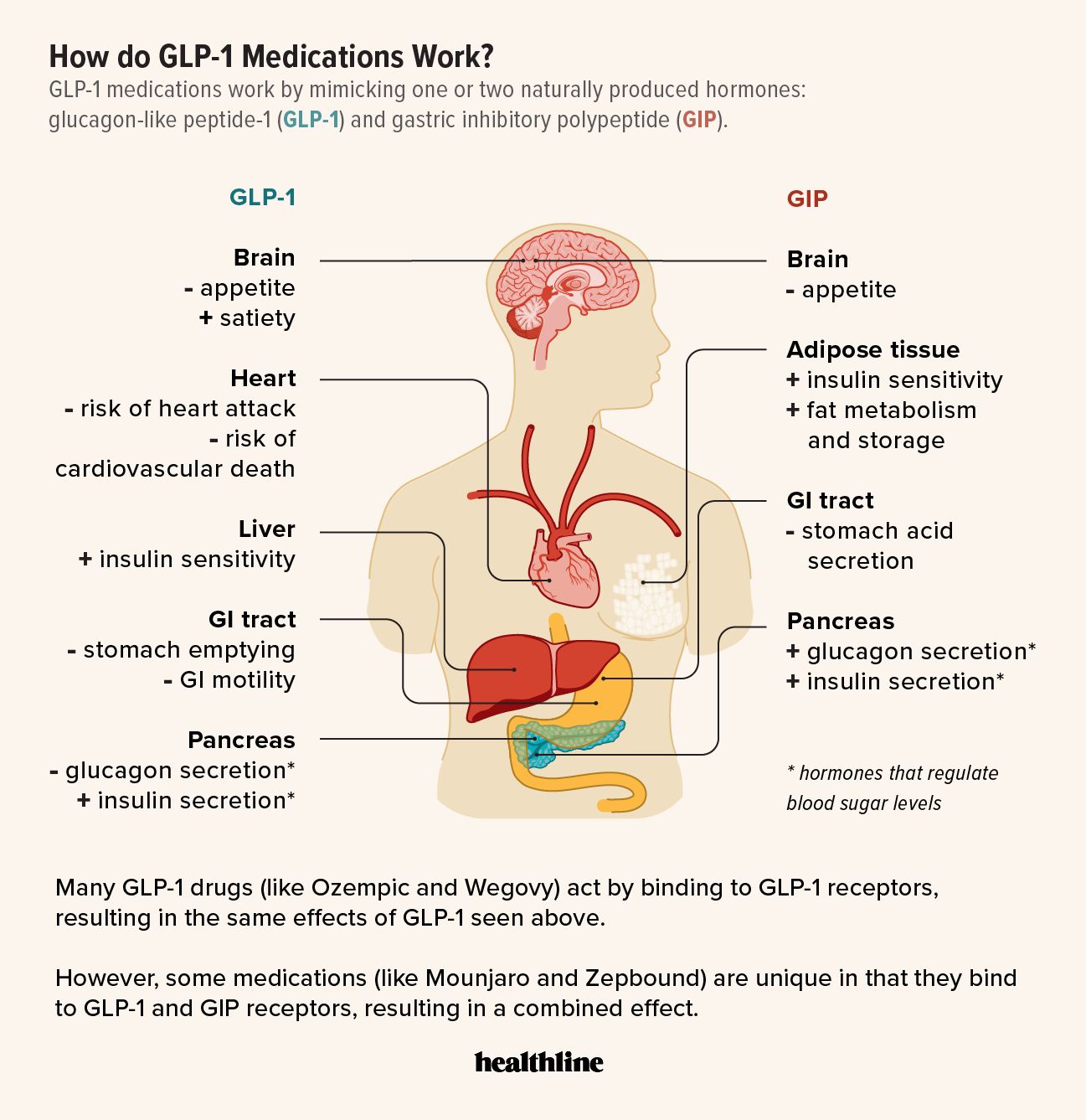
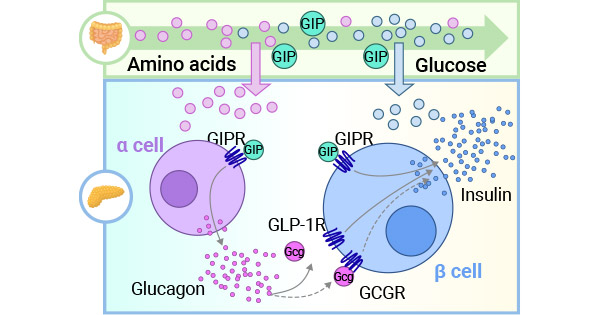
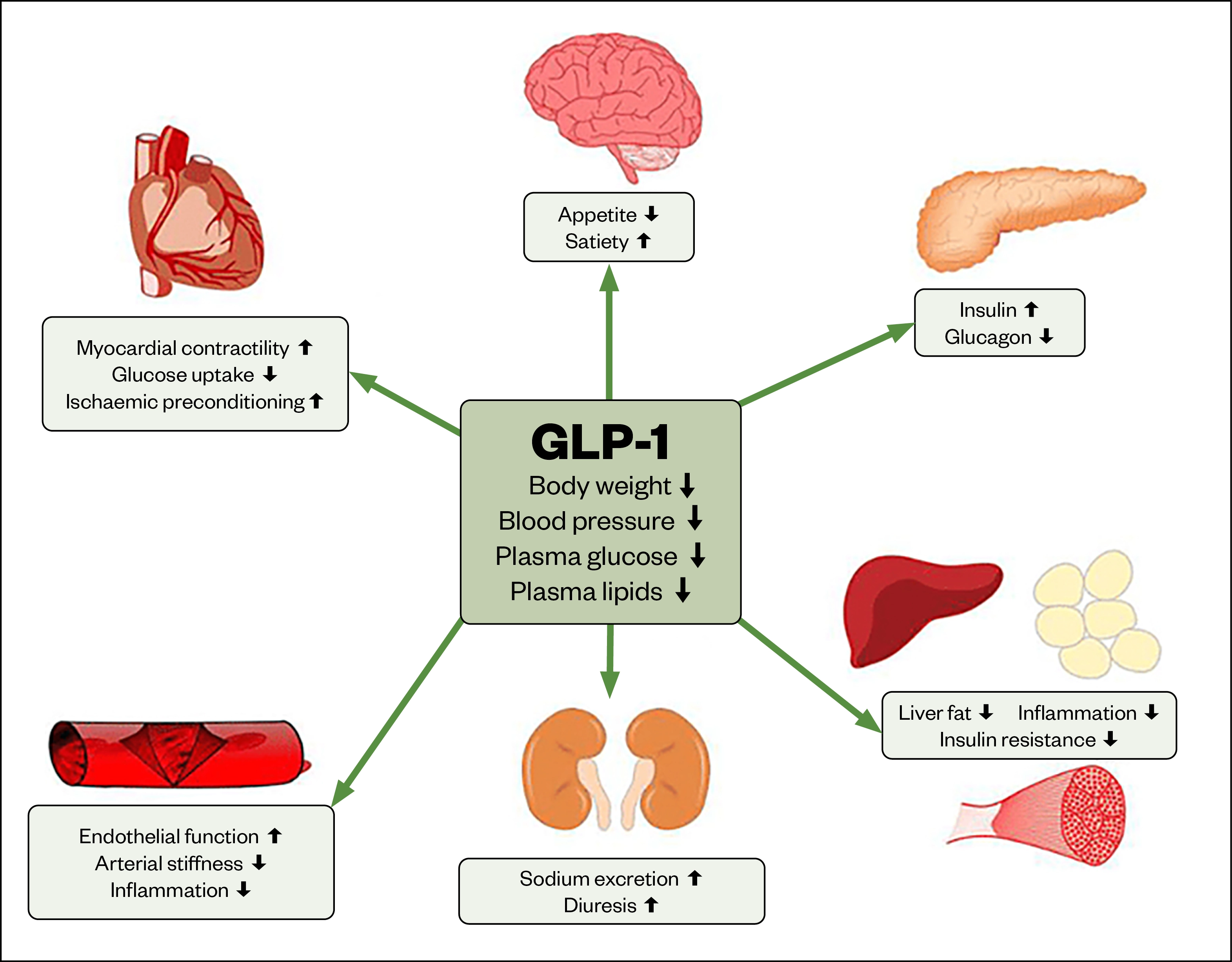
GLP-1 hormone is an incretin hormone produced by the intestines in response to food intake. It plays a vital role in regulating blood sugar levels, appetite, and metabolism. GLP-1 hormone helps stimulate insulin secretion, suppresses glucagon release, and slows gastric emptying, which ultimately leads to a reduction in appetite and food intake.
How GLP-1 Hormone Affects Obesity
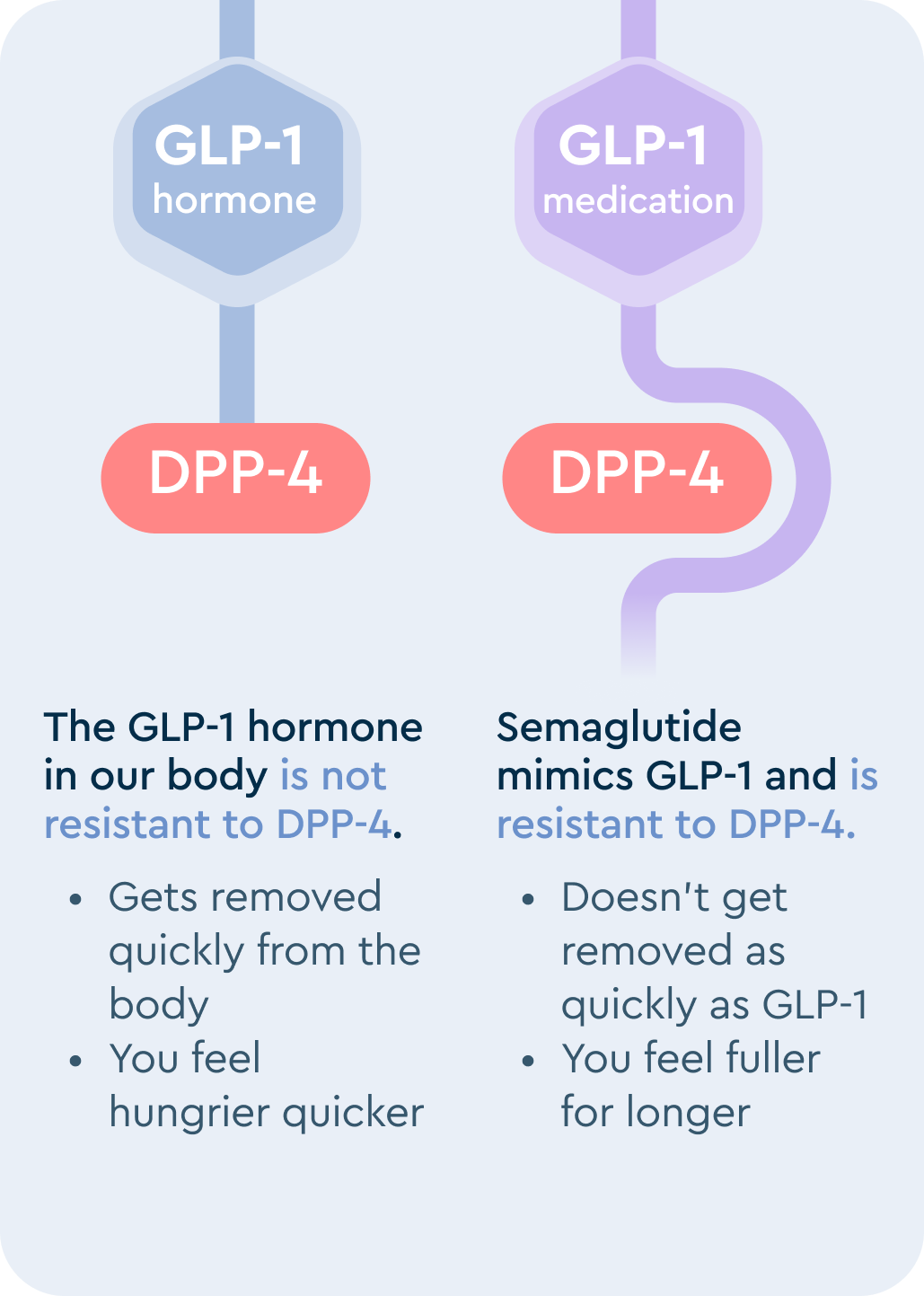
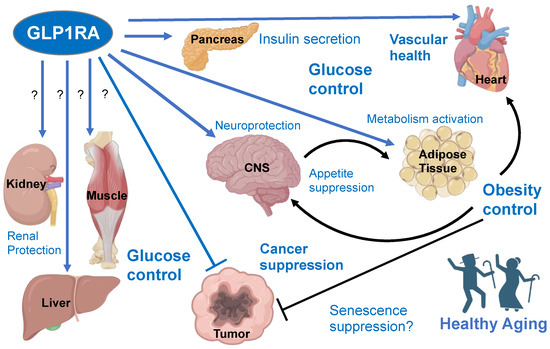
Research has shown that GLP-1 hormone has a profound impact on weight regulation. By mimicking the natural GLP-1 hormone, GLP-1 therapies (glucagon-like peptide-1 receptor agonists) can help reduce appetite, increase feelings of fullness, and improve insulin sensitivity. This, in turn, can lead to significant weight loss and improved metabolic health.
GLP-1 Therapies for Obesity and Weight Loss
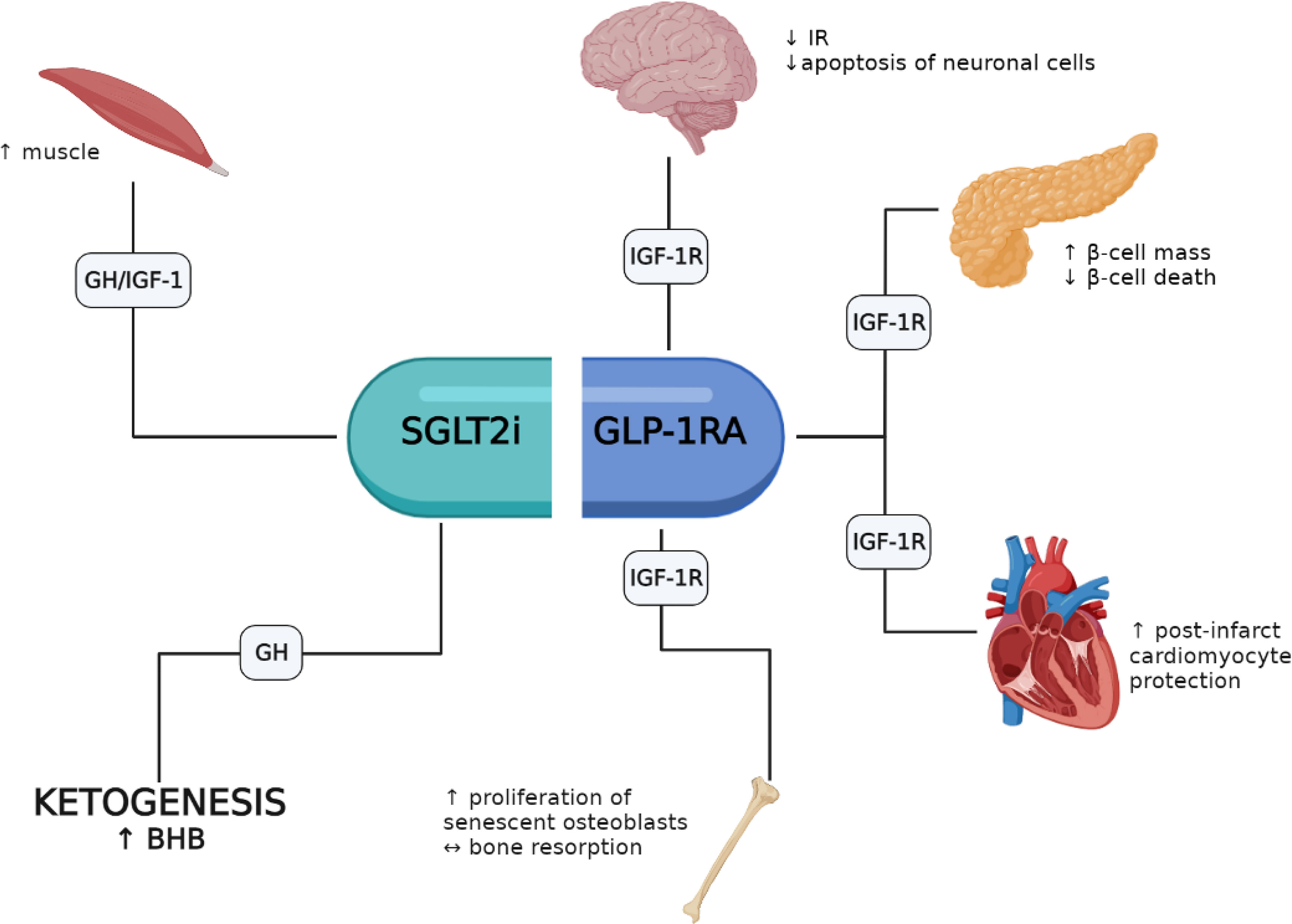
GLP-1 therapies have gained significant attention in recent years for their potential to treat obesity and weight loss. Originally developed for managing type 2 diabetes, these medications have shown remarkable efficacy in promoting weight loss and improving cardiovascular health. Some GLP-1 drugs have been approved by regulatory agencies for the treatment of obesity, while others are still in the development pipeline.
Benefits of GLP-1 Therapies for Obesity and Weight Loss
The benefits of GLP-1 therapies for obesity and weight loss are multifaceted. These medications have been shown to:
- Reduce appetite and increase feelings of fullness
- Improve insulin sensitivity and glucose metabolism
- Lower blood pressure and cholesterol levels
- Reduce the risk of heart attack, stroke, and heart failure
- Promote sustainable weight loss and improved metabolic health
Conclusion
In conclusion, the connection between obesity and GLP-1 hormone is a complex and fascinating one. GLP-1 hormone plays a vital role in regulating appetite, metabolism, and blood sugar levels, making it an attractive target for obesity and weight loss therapies. GLP-1 therapies have shown remarkable efficacy in promoting weight loss and improving cardiovascular health, offering new hope for individuals struggling with obesity and related metabolic disorders.
Future Directions in GLP-1 Research
While GLP-1 therapies have shown promise in managing obesity and weight loss, there is still much to be learned about the underlying mechanisms and potential therapeutic applications. Ongoing research is focused on developing next-generation GLP-1 therapies, including GLP-1-based multi-receptor agonists, oral GLP-1 strategies, and novel obesity targets such as the amylin receptor (AMYR), GPR75, and activin type II receptors (ActRII). These advancements hold great promise for improving the treatment of obesity and related metabolic disorders.