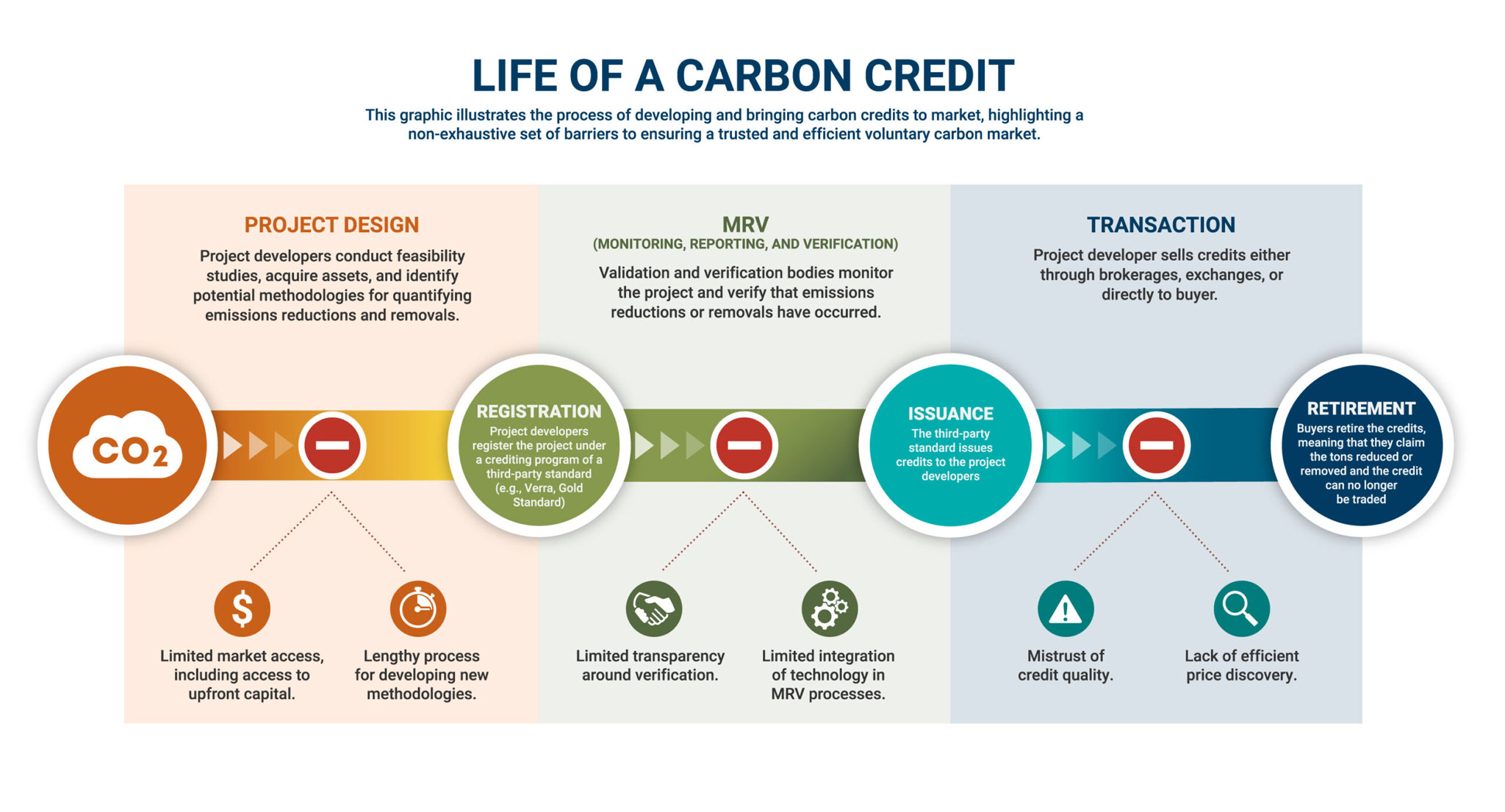
Carbon Credit Trading with ESG Criteria
Carbon credit trading has emerged as a vital tool in the fight against climate change, with investors and corporations seeking to reduce greenhouse gas emissions and promote sustainable business practices. Incorporating Environmental, Social, and Governance (ESG) criteria into carbon credit trading has become increasingly important, as companies and investors strive to make more informed investment decisions.
What are Carbon Credits?
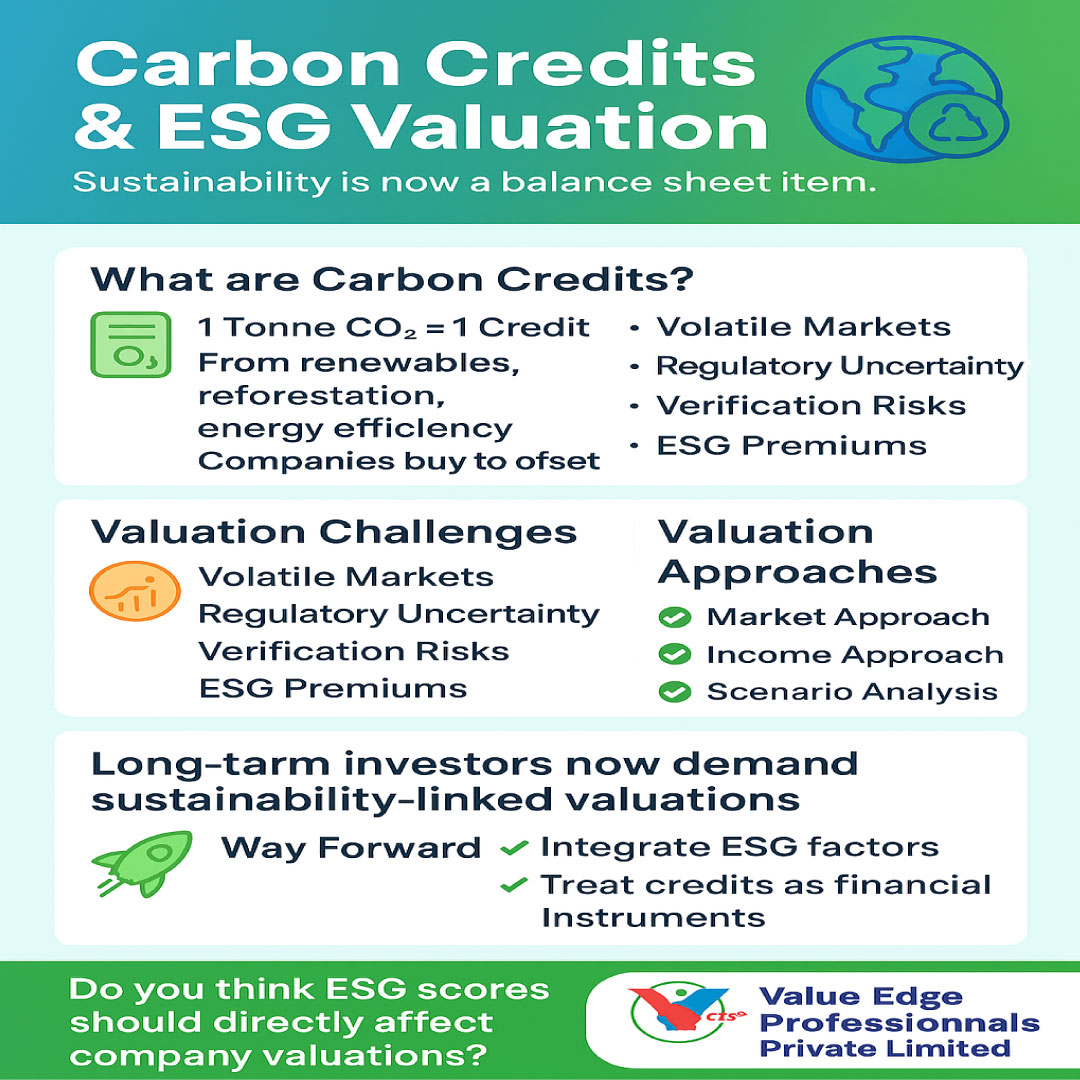
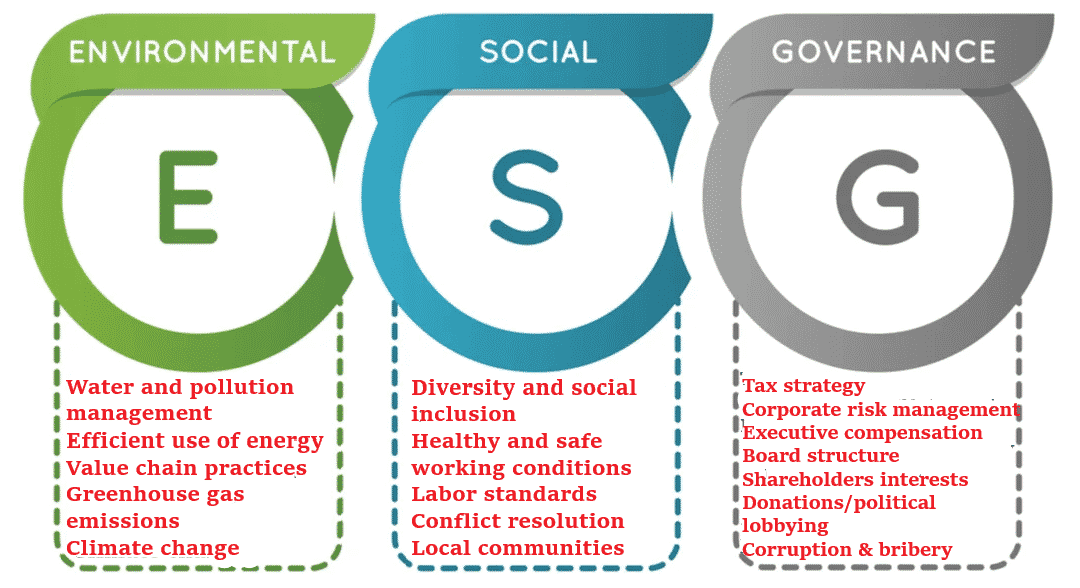
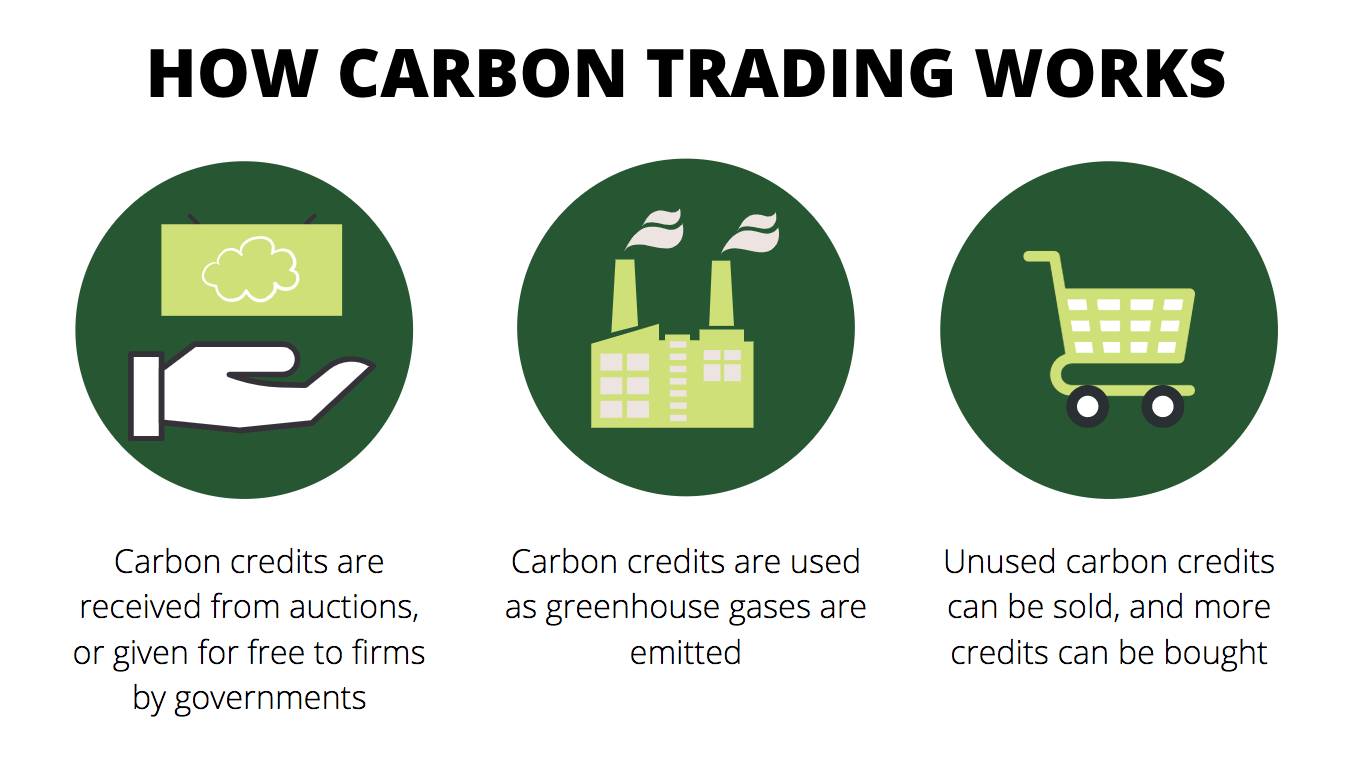
Carbon credits represent the right to emit one ton of carbon dioxide or its equivalent greenhouse gases (GHGs). The process of buying, selling, or exchanging these credits allows companies to offset their emissions and comply with environmental regulations. ESG investing evaluates companies based on their environmental, social, and governance performance, promoting sustainable and ethical business practices.
Types of Markets Drive Carbon Credit Trade
Carbon credit trading is driven by two main types of markets: compliance and voluntary markets. Compliance markets, such as the European Union's Emissions Trading System (EU ETS), require companies to purchase emissions allowances to meet their emissions reduction targets. Voluntary markets, on the other hand, allow companies to buy and sell credits to voluntarily offset their emissions.
- Compliance Markets: Focus on compliance with environmental regulations and emissions reduction targets.
- Voluntary Markets: Focus on voluntary offsetting of emissions for companies that want to demonstrate their commitment to sustainability.
Impact of Carbon Credit Trading on ESG Reporting
Carbon credit trading has a significant impact on ESG reporting, as companies that participate in carbon credit trading must disclose their climate-related risk and governance practices. This increased transparency and accountability drive companies to adopt more sustainable business practices and reduce their environmental impact.
Benefits of Carbon Credit Trading with ESG Criteria
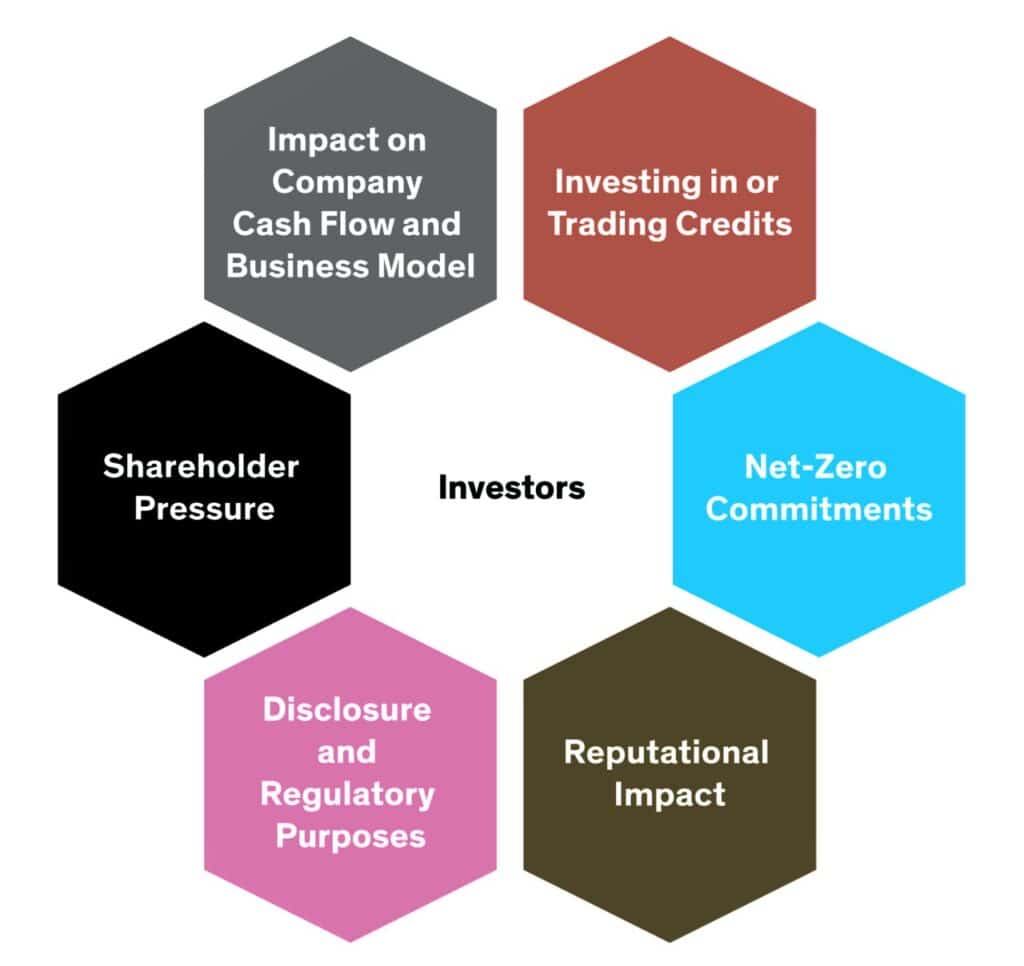
Carbon credit trading with ESG criteria offers several benefits for companies and investors, including:
- Enhanced Corporate Image: Investing in carbon credits can improve a company's reputation and demonstrate its commitment to sustainability.
- Regulatory Compliance: Carbon credits can help companies comply with environmental regulations and manage climate-related risks.
- Risk Management: Integrating carbon credits into an ESG strategy can help companies manage risks associated with climate change.
- Strategic Carbon Credit Sales: Companies that sell credits strategically can reduce costs, fund future sustainability efforts, and align with investor expectations.
Future Trends in Carbon Credit Trading
The integration of Artificial Intelligence (AI) and blockchain technology is transforming the carbon credit trading landscape. AI agents are supporting the dynamic scaling of platforms by integrating new credit types, monitoring compliance across multiple jurisdictions, and adapting to emerging market standards.
Conclusion
Carbon credit trading with ESG criteria has emerged as a crucial tool in promoting sustainability and combatting climate change. By incorporating ESG criteria into carbon credit trading, companies and investors can make more informed investment decisions and reduce their environmental impact. As the market continues to evolve, it is essential to stay up-to-date with the latest trends, news, and facts in carbon credit trading.
References
References used in this article include:
- MarketsandMarkets™ report on the global Carbon Credit Validation, Verification, and Certification Market.
- International Carbon Action Partnership — Indian Carbon Credit Trading Scheme Profile.
- Columbia University CGEP — 'Lessons for Structuring India's Carbon Market to Support a Cost-Efficient Energy Transition'.
- Reuters sustainable news coverage.
- Verra — a non-profit organization that develops and manages standards for sustainable development, climate action, and responsible business practices.
- ASUENE — an all-in-one solution that integrates GHG accounting, ESG supply chain management, a Carbon Credit exchange platform, and third-party verification.