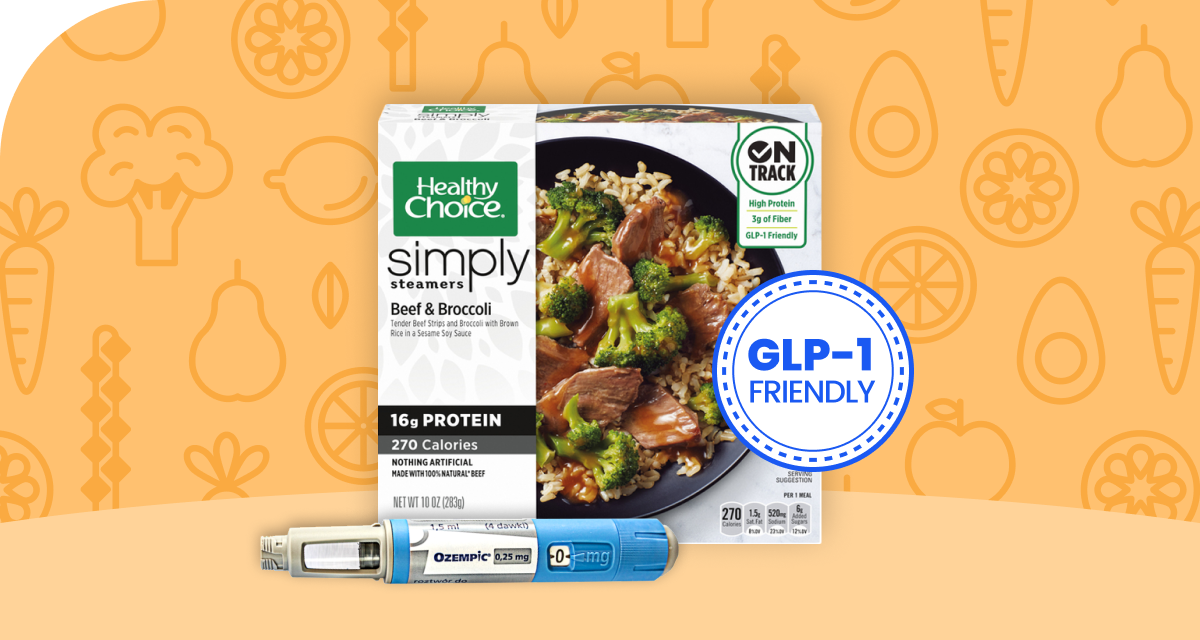
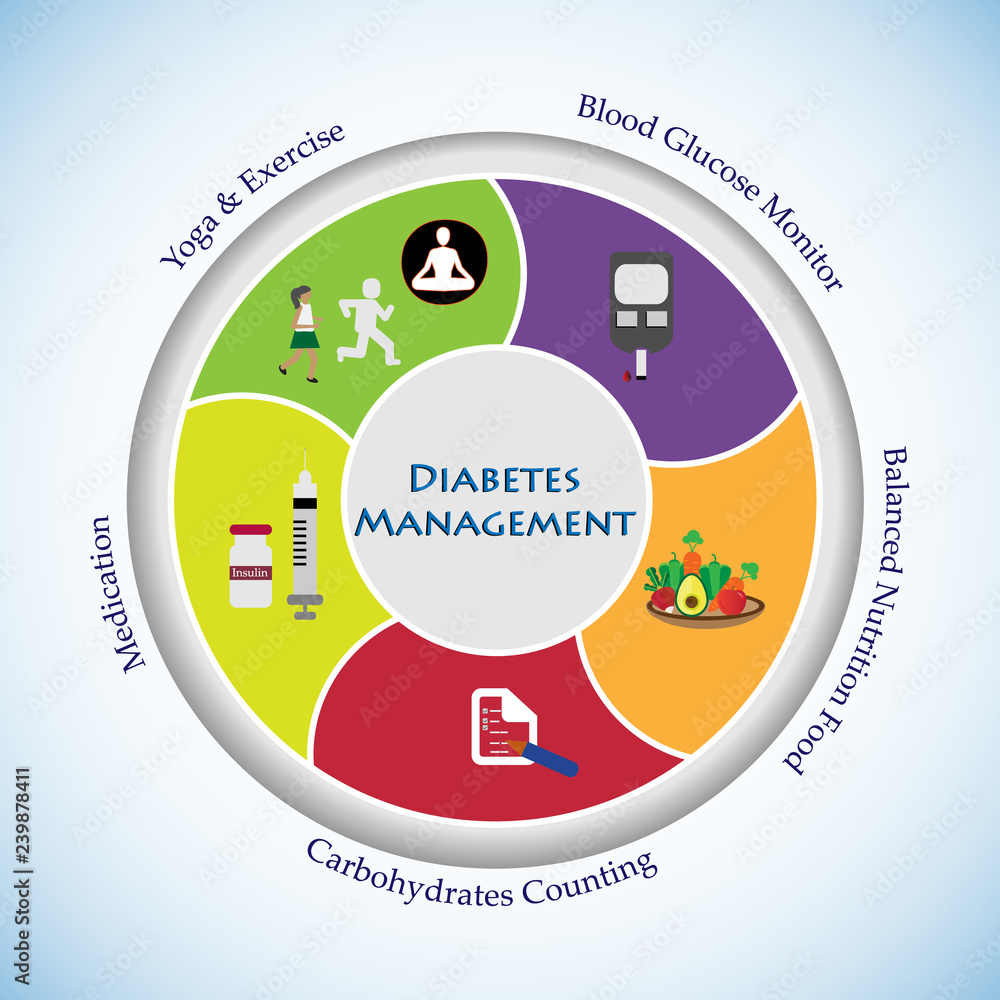
GLP-1 Diabetes Management Diet Plan for Men: A Comprehensive Guide
Whether you're living with type 2 diabetes or using GLP-1 medications for weight loss, maintaining a healthy diet is crucial for maximizing the effectiveness of these treatments. A well-planned diet can help regulate blood sugar levels, promote weight loss, and reduce the risk of cardiovascular disease and other health complications.
What is a GLP-1 Diet Plan?
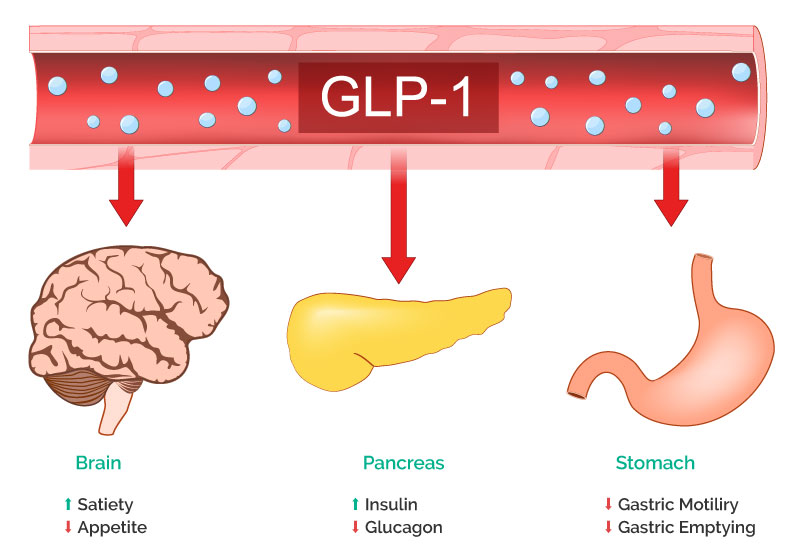
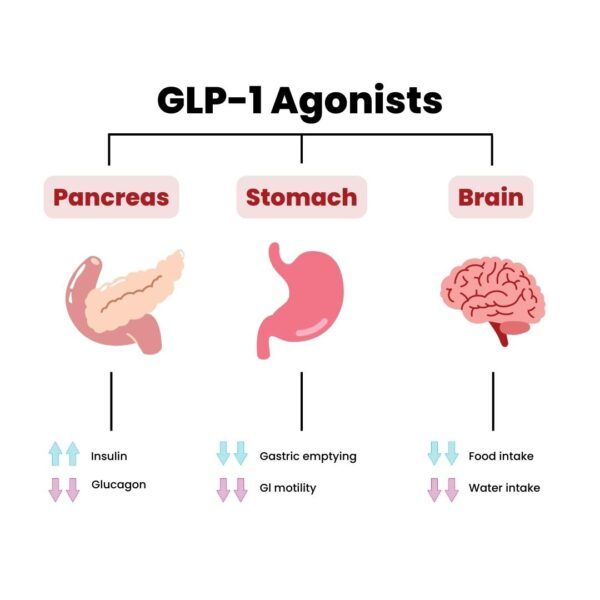
A GLP-1 diet plan prioritizes high-quality protein, fiber-rich vegetables, low-glycemic carbohydrates, and controlled healthy fats to maximize satiety and nutrient density when appetite is reduced. This approach is unlike traditional weight loss diets, as GLP-1 agonist medications fundamentally alter your digestive process, slowing gastric emptying and requiring easily digestible foods.
Key Principles of a GLP-1 Diet Plan for Men
- Focus on high-protein foods to maintain muscle mass and satiety
- Incorporate fiber-rich vegetables to support digestive health and regulate blood sugar levels
- Choose low-glycemic carbohydrates to minimize spikes in blood sugar
- Control healthy fats to maintain energy and support overall nutrition
- Drink plenty of water throughout the day to stay hydrated
- Consider consulting a registered dietitian to develop a personalized meal plan
Sample Meal Plan for a GLP-1 Diet Plan for Men
Here's a sample 7-day meal plan that incorporates the key principles of a GLP-1 diet plan:

- Monday:
- Breakfast: Scrambled eggs with spinach and whole-grain toast (300 calories, 20g protein)
- Lunch: Grilled chicken breast with roasted vegetables and quinoa (400 calories, 40g protein)
- Dinner: Baked salmon with brown rice and steamed broccoli (500 calories, 35g protein)
- Tuesday:
- Breakfast: Greek yogurt with berries and almonds (300 calories, 20g protein)
- Lunch: Turkey and avocado wrap with mixed greens (400 calories, 30g protein)
- Dinner: Grilled chicken breast with roasted sweet potatoes and green beans (500 calories, 40g protein)
- Wednesday:
- Breakfast: Smoothie bowl with protein powder, banana, and almond milk topped with granola and nuts (350 calories, 25g protein)
- Lunch: Chicken Caesar salad (400 calories, 35g protein)
- Dinner: Grilled shrimp with zucchini noodles and cherry tomatoes (500 calories, 30g protein)
- Thursday:
- Breakfast: Omelette with mushrooms and whole-grain toast (300 calories, 20g protein)
- Lunch: Turkey and cheese sandwich on whole-grain bread with carrot sticks (400 calories, 30g protein)
- Dinner: Grilled chicken breast with roasted asparagus and quinoa (500 calories, 40g protein)
- Friday:
- Breakfast: Avocado toast with scrambled eggs and whole-grain bread (350 calories, 20g protein)
- Lunch: Chicken quesadilla with mixed greens (400 calories, 35g protein)
- Dinner: Baked chicken breast with roasted Brussels sprouts and brown rice (500 calories, 40g protein)
- Saturday:
- Breakfast: Overnight oats with protein powder and almond milk (300 calories, 20g protein)
- Lunch: Grilled chicken breast with mixed greens and whole-grain wrap (400 calories, 35g protein)
- Dinner: Shrimp and vegetable skewers with quinoa (500 calories, 30g protein)
- Sunday:
- Breakfast: Breakfast burrito with scrambled eggs, black beans, and avocado (350 calories, 20g protein)
- Lunch: Chicken and vegetable stir-fry with brown rice (400 calories, 35g protein)
- Dinner: Grilled chicken breast with roasted bell peppers and quinoa (500 calories, 40g protein)
Benefits of a GLP-1 Diet Plan for Men
Adopting a GLP-1 diet plan can help men with type 2 diabetes or using GLP-1 medications for weight loss achieve several benefits, including:
- Improved blood sugar control
- Weight loss and increased lean body mass
- Reduced risk of cardiovascular disease and other health complications
- Increased energy and improved overall nutrition
- Support for long-term weight management and health goals
Conclusion
A GLP-1 diet plan is a crucial component of diabetes management and weight loss using GLP-1 medications. By prioritizing high-quality protein, fiber-rich vegetables, low-glycemic carbohydrates, and controlled healthy fats, men can maximize the effectiveness of these treatments and achieve improved health outcomes. Remember to consult a registered dietitian to develop a personalized meal plan and stay committed to your health goals.