Understanding the Role of GLP-1 in Blood Sugar Control
Glucagon-like peptide-1 (GLP-1) agonists have revolutionized the way we manage blood sugar levels in people with type 2 diabetes. These medications have been shown to be effective in regulating glucose metabolism, improving insulin sensitivity, and even promoting weight loss. But how do GLP-1 agonists work, and what is their role in blood sugar control?
The Science Behind GLP-1 and Blood Sugar Control
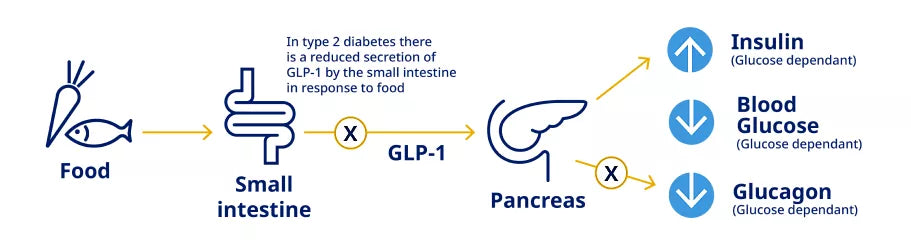
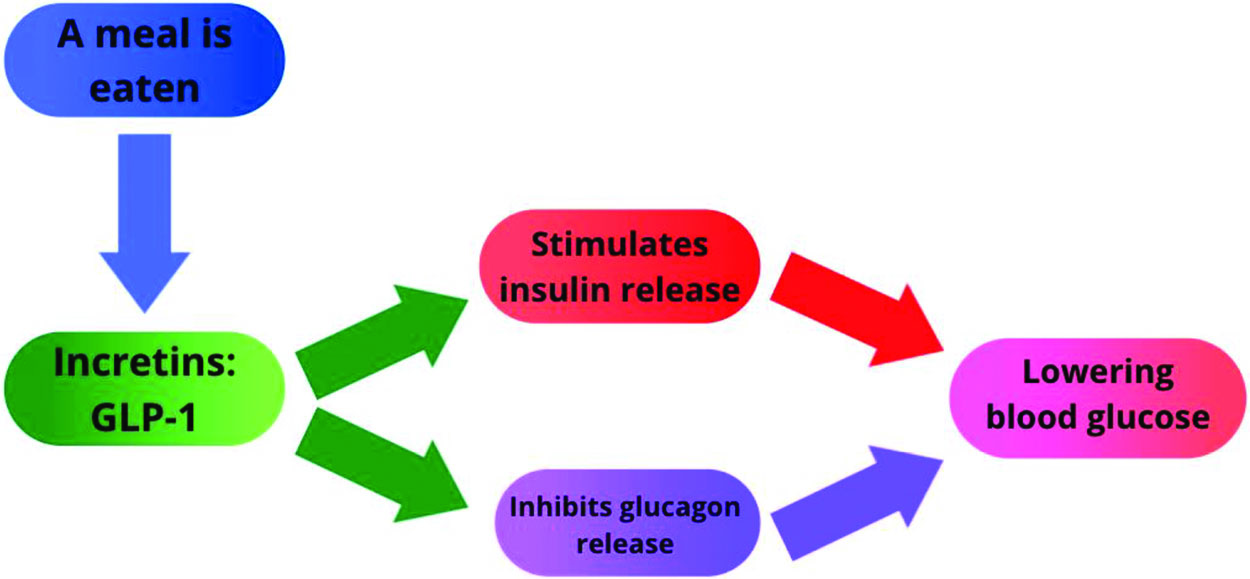
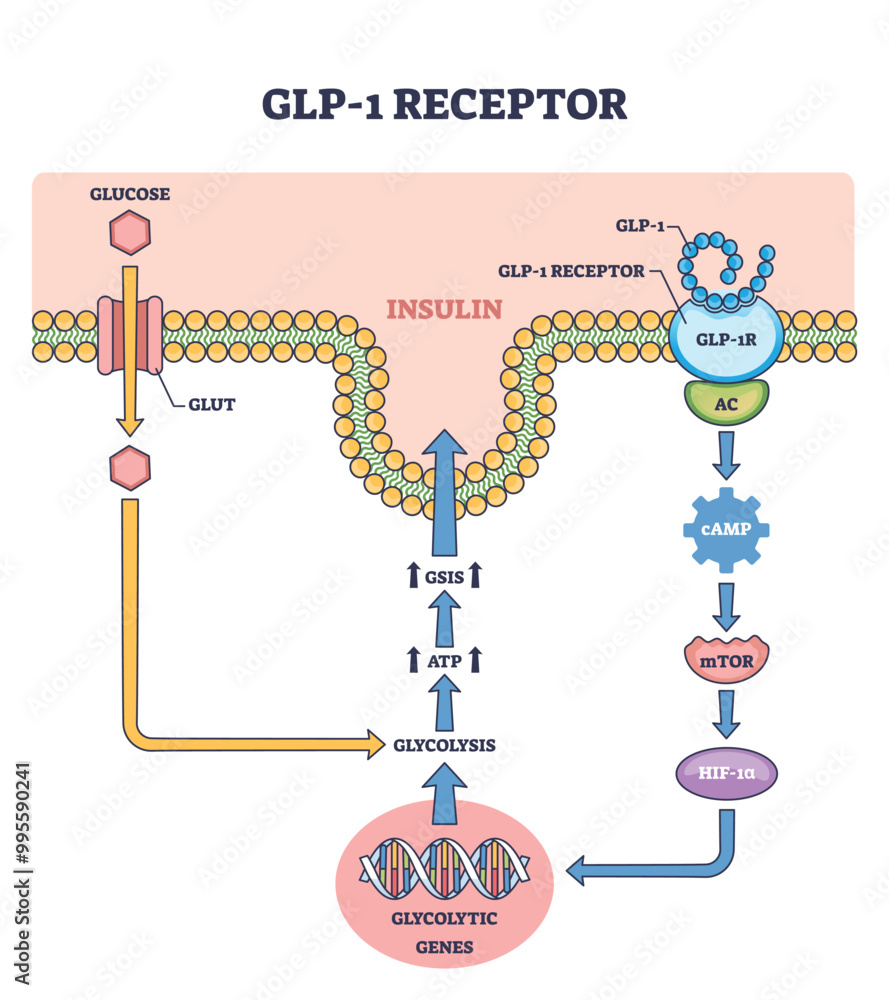
GLP-1 is a natural hormone produced by the intestines in response to food intake. Its primary function is to regulate blood sugar levels by stimulating insulin secretion and suppressing glucagon release. When glucose levels rise in the blood, GLP-1 is released to signal the pancreas to release insulin, promoting glucose uptake into cells. This natural process helps maintain healthy blood sugar levels.
However, individuals with type 2 diabetes often struggle with insulin resistance, making it difficult for their bodies to produce enough insulin to effectively manage blood sugar levels. GLP-1 agonists mimic the action of natural GLP-1, helping patients with type 2 diabetes to:
- Improve insulin secretion and sensitivity
- Suppress glucagon release
- Delay gastric emptying, reducing postprandial glucose spikes
The Benefits of GLP-1 Agonists for Blood Sugar Control
Studies have consistently shown that GLP-1 agonists significantly reduce HbA1c levels, improve fasting and postprandial glucose control, and promote weight loss. These benefits make GLP-1 agonists a valuable addition to the treatment armamentarium for patients with type 2 diabetes.

- Reduced HbA1c levels: GLP-1 agonists have been shown to decrease HbA1c levels by an average of 1-2% compared to placebo
- Improved fasting and postprandial glucose control: GLP-1 agonists help regulate blood sugar levels throughout the day, reducing the risk of hypo- and hyperglycemia
- Weight loss: GLP-1 agonists have been shown to promote weight loss, particularly in obese patients with type 2 diabetes
GLP-1 agonists have been shown to promote weight loss by:
- Redistributing body fat: GLP-1 agonists promote the loss of visceral fat, which is associated with improved insulin sensitivity and reduced cardiovascular risk
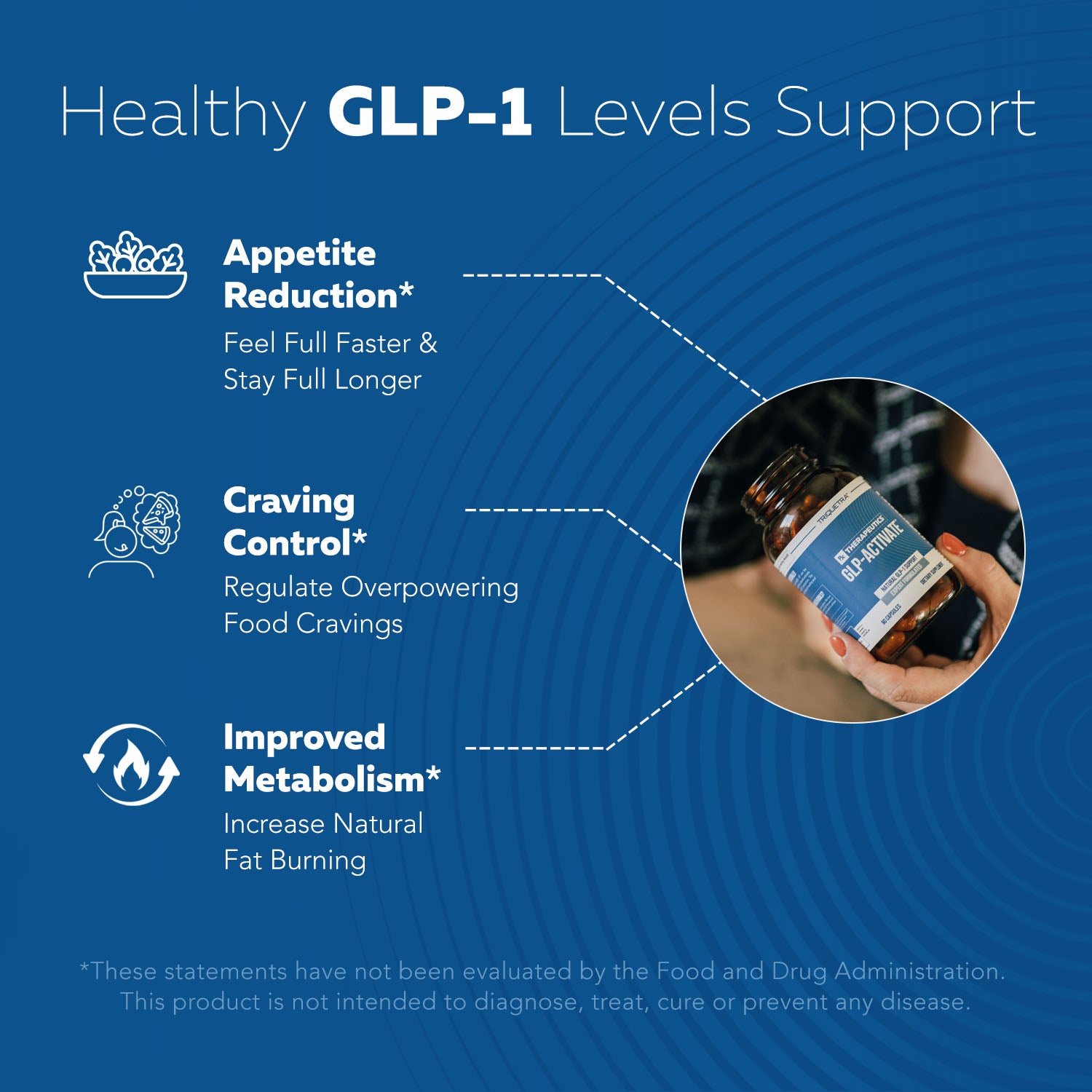
- Suppressing appetite: GLP-1 agonists help regulate appetite and food intake, leading to a reduction in calorie consumption
- Improving glucose metabolism: GLP-1 agonists enhance glucose uptake into cells, reducing the need for insulin and promoting weight loss
Conclusion
The clinical evidence clearly supports the effectiveness of GLP-1 agonists in controlling blood sugar levels in patients with type 2 diabetes. By mimicking the natural hormone GLP-1, these medications improve insulin secretion, suppress glucagon release, and promote weight loss. As a treatment for type 2 diabetes, GLP-1 agonists have the potential to revolutionize the way we manage this common metabolic disorder.