GLP-1 and Surgery for Weight Loss: Understanding the Complexities
Obesity is a multifaceted condition influenced by various factors, including genetics, environmental factors, medications, and lifestyle choices. Many individuals struggle for years to achieve and maintain significant weight loss. In recent years, glucagon-like peptide-1 (GLP-1) receptor agonists (GLP-1) and bariatric surgery have emerged as two promising approaches to tackle obesity and its related comorbidities.
GLP-1: A Medicinal Breakthrough for Weight Loss
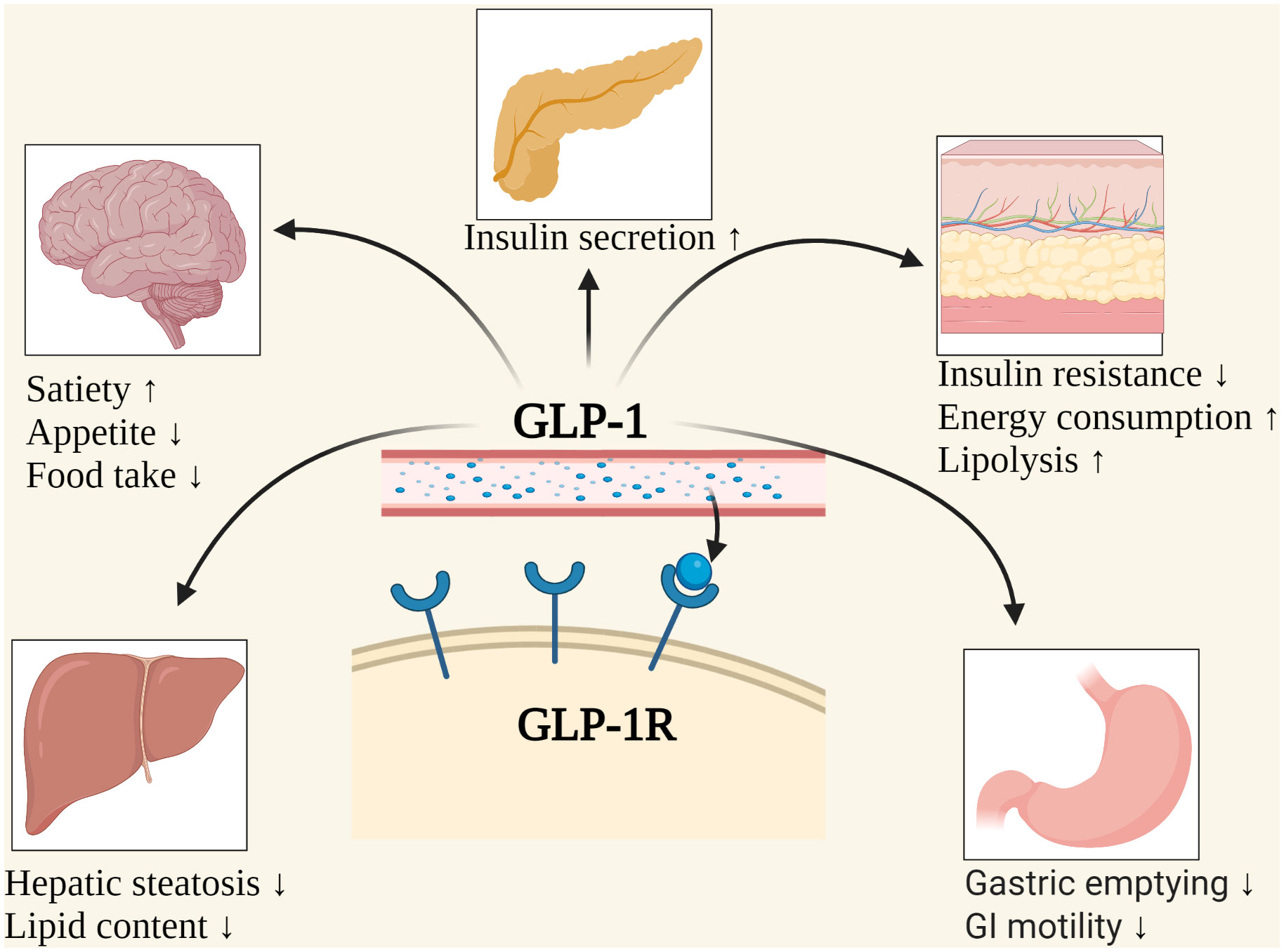
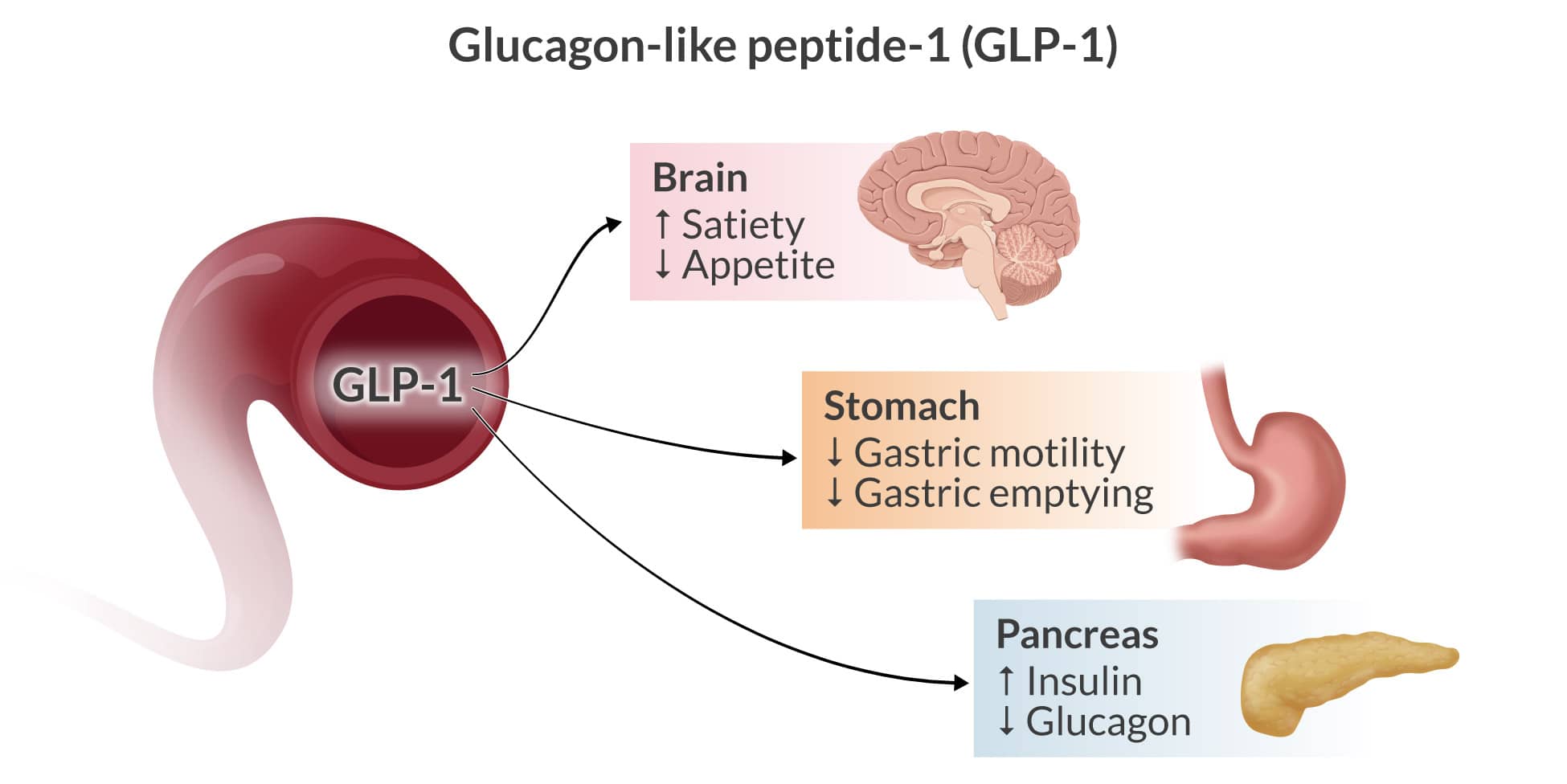
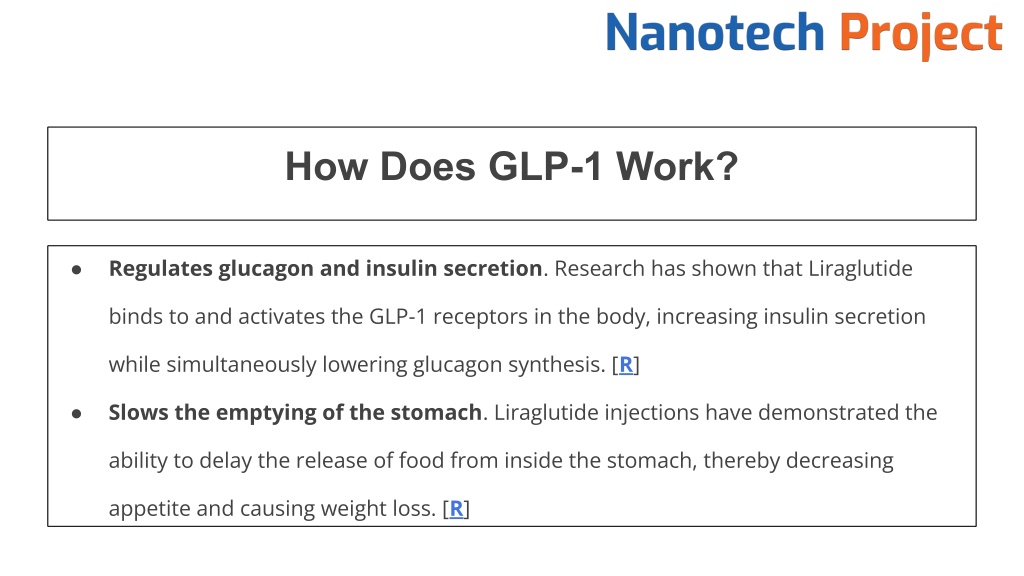
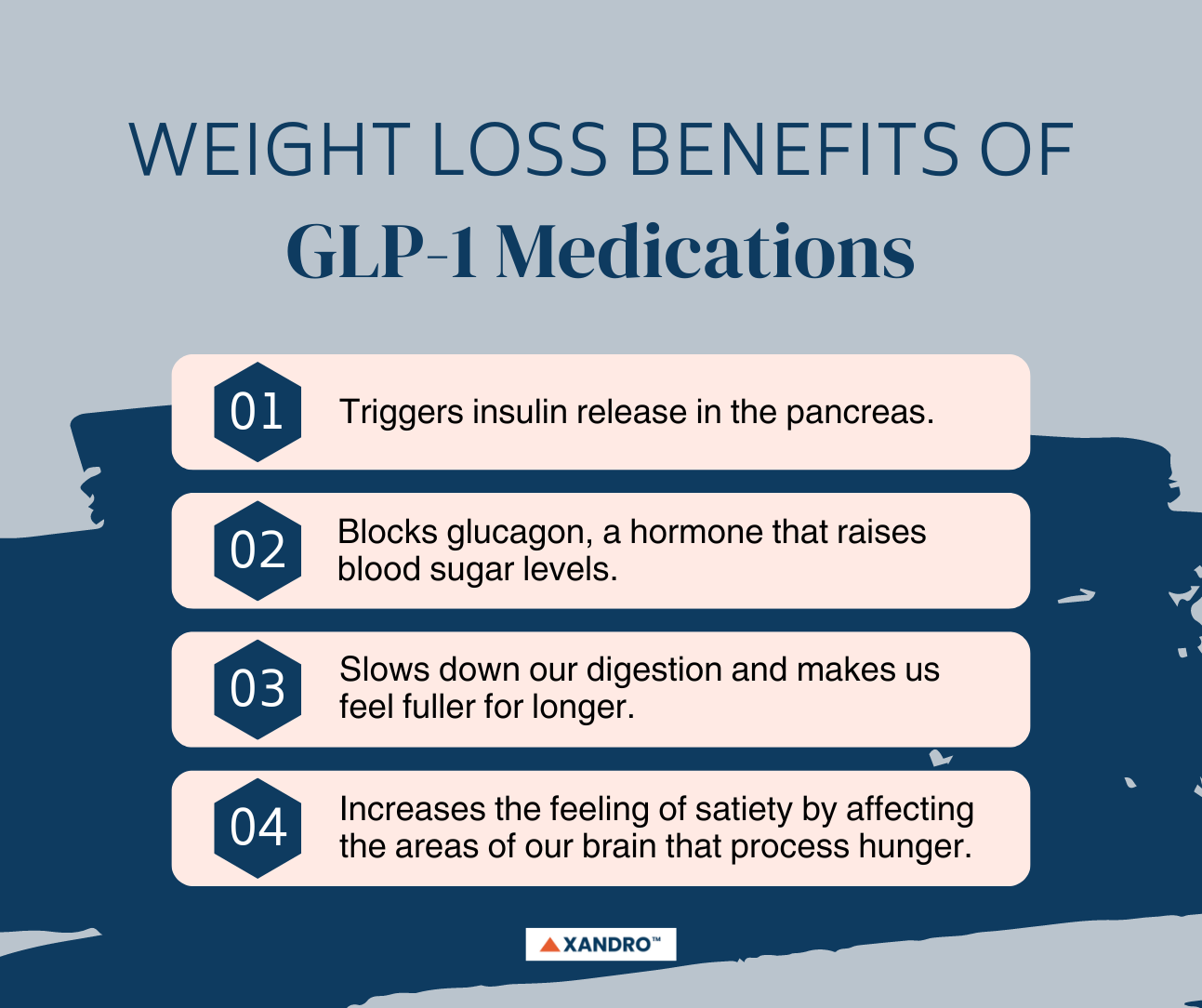
GLP-1s, such as Wegovy (semaglutide) and Zepbound (tirzepatide), are injectable medications initially designed to treat type 2 diabetes. These medications have been shown to promote weight loss, improve blood sugar control, and reduce the risk of certain cancers. They work by enhancing the body's natural GLP-1 hormone, which regulates appetite, satiety, and glucose metabolism.
Bariatric Surgery: A Radical yet Effective Approach
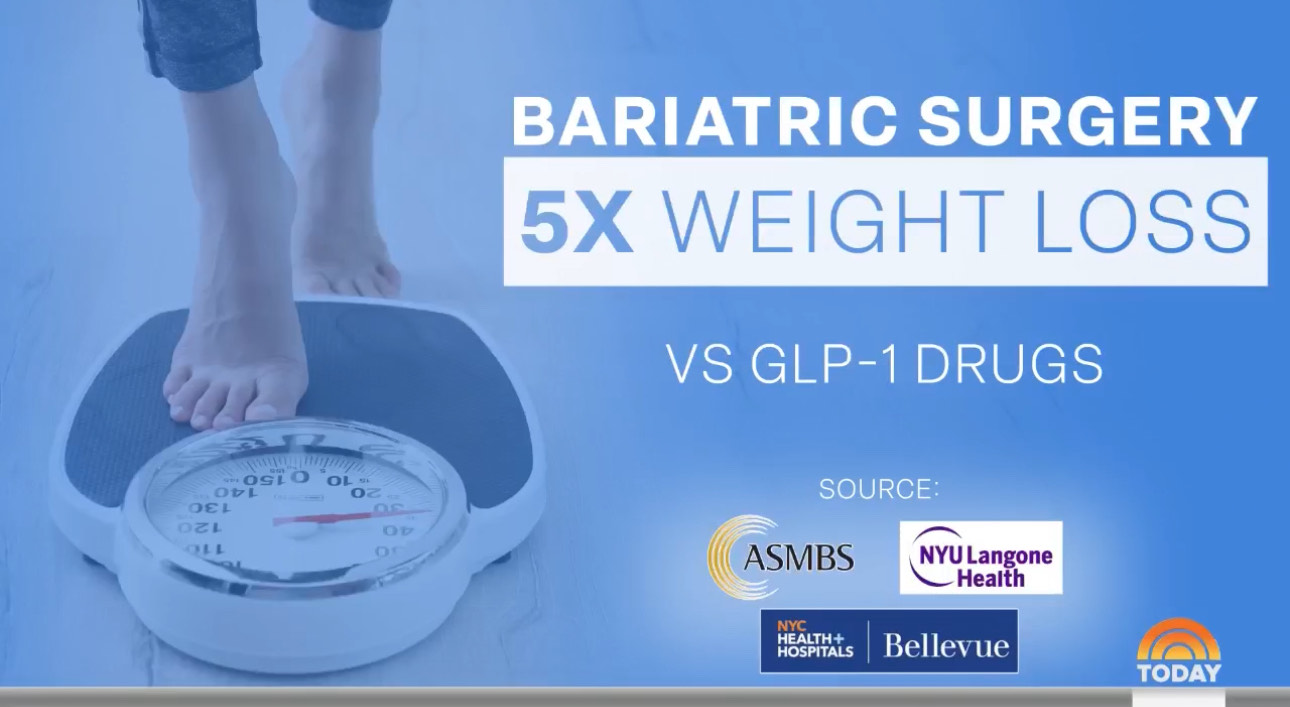
Bariatric surgery, such as gastric bypass and sleeve gastrectomy, remains the most effective treatment for obesity. While surgery is often seen as a drastic measure, research suggests that it can lead to significant and sustainable weight loss, improved metabolic health, and reduced risk of chronic diseases like heart disease, stroke, and cancer.
The Intersection of GLP-1 and Surgery for Weight Loss
Studies have explored the use of GLP-1 analogues as adjunct therapies to bariatric surgery, either preoperatively or postoperatively. The rationale is that combining these approaches may help optimize weight loss and improve health outcomes. However, the relationship between GLP-1 and surgery is complex, and more research is needed to fully understand their interactions.
Comparing GLP-1 and Surgery for Weight Loss
When considering GLP-1 medications and bariatric surgery, patients must weigh their benefits, risks, and costs. GLP-1s can be an effective starting point for those with moderate obesity, offering a lower-risk, lower-cost option. However, surgery may be a better choice for individuals with higher starting weights or obesity-related health conditions, providing greater and more sustained weight loss.
The Role of GLP-1 in Recovery and Maintenance
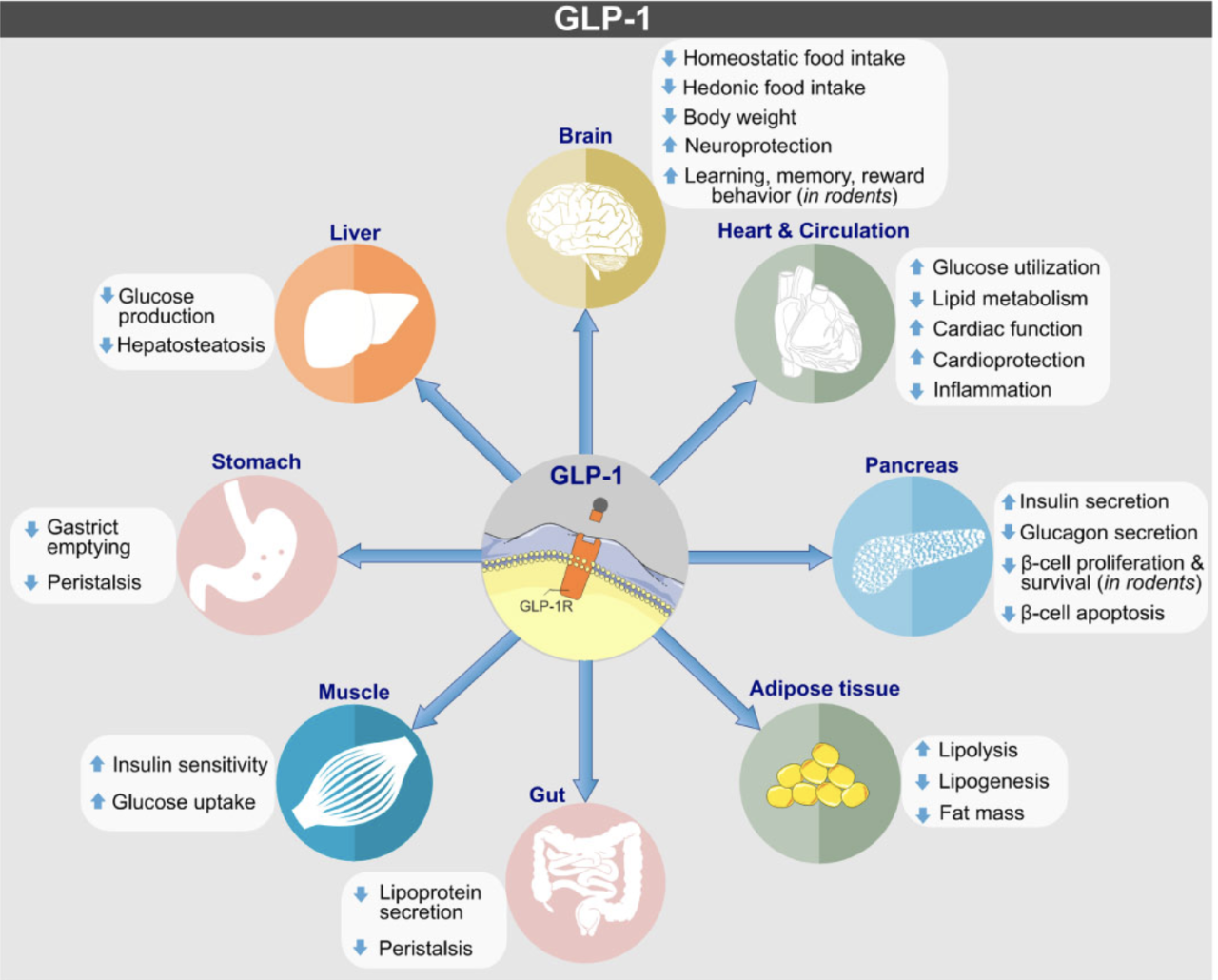
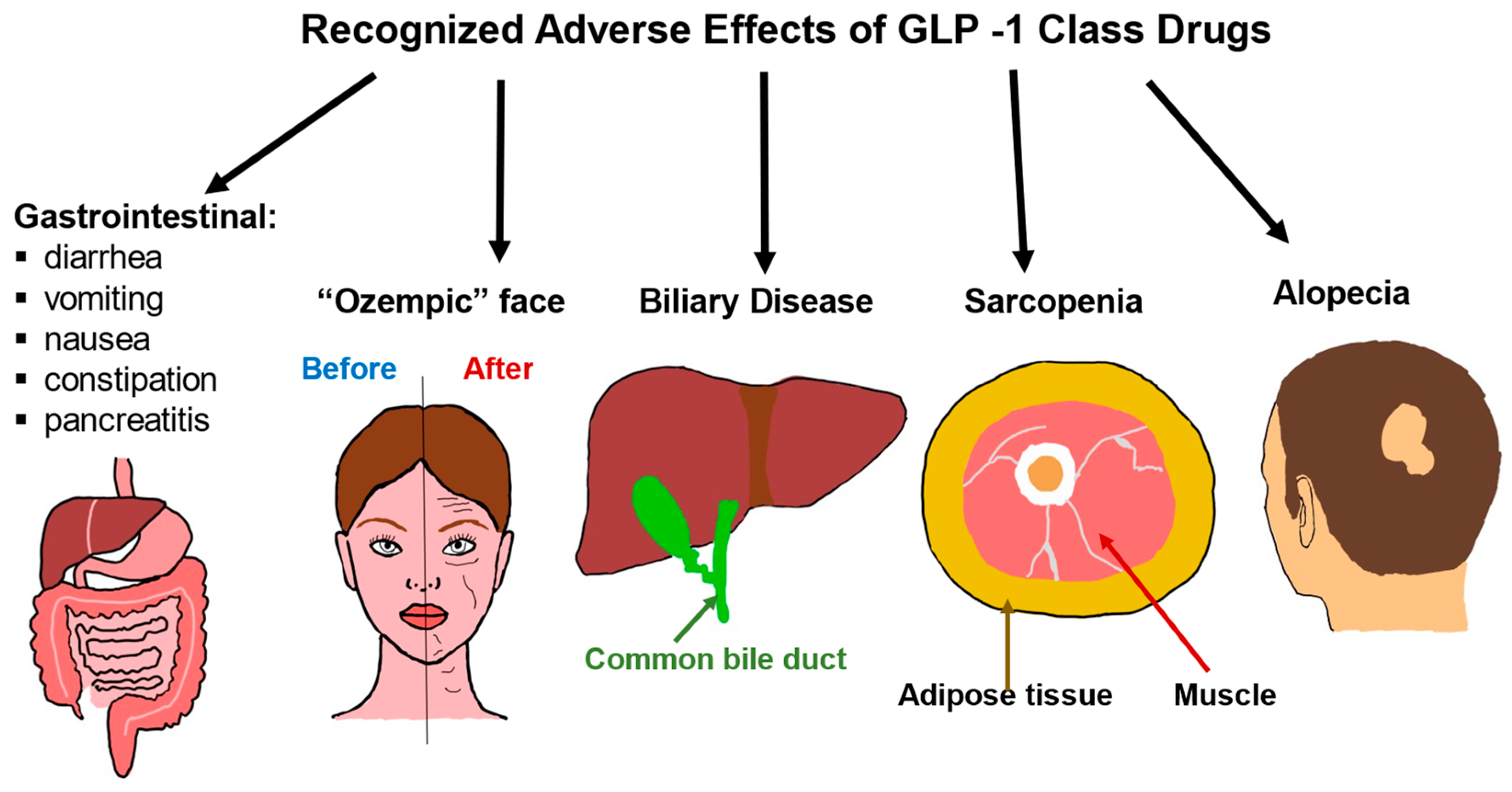
After surgery, GLP-1 medications may be used to optimize weight loss and improve nutrient absorption. Their effects on gut hormones, satiety, and metabolism can also reduce the likelihood of weight regain. However, their impact on lean body mass, nutrient deficiencies, and skin removal after significant weight loss must be carefully managed.
Conclusion: A Patient-Centric Approach
The decision between GLP-1 medications and bariatric surgery for weight loss is deeply personal and depends on individual health status, weight loss goals, and risk tolerance. As the scientific landscape continues to evolve, it is crucial for healthcare professionals to provide informed guidance, helping patients navigate the complex interplay between GLP-1 and surgery for optimal weight loss outcomes.
Side Effects and Potential Solutions
- GLP-1 medications can address side effects like nausea, constipation, muscle loss, and bone density reduction.
- Bariatric surgery can mitigate risks and complications associated with rapid weight loss.
- Combining GLP-1 medications with strength training and a balanced diet can support muscle retention.
- Regular monitoring, mental health support, and personalized care are essential for sustainable weight loss.
Addressing the Financial Considerations of GLP-1
- GLP-1 prices can be high, ranging from $936 to $1,023 per month.
- Most large employer health plans restrict coverage when prescribed primarily for weight loss.
- Comparing the cost-effectiveness of GLP-1s with bariatric surgery can help patients make informed decisions.
Understanding the Timeline and Reality of GLP-1 and Surgery
Starting GLP-1 injections early and carefully planning for surgery can lead to better weight loss outcomes. A realistic timeline for weight loss achievements should be discussed with a healthcare professional to ensure a successful journey.






-(1).png?sfvrsn=c236e848_3 "GLP-1 and Muscle Loss: How to Preserve Lean Mass During Weight Loss")