GLP-1 Receptor Agonists and Blood Sugar Regulation: A Comprehensive Review
The management of blood sugar levels is a crucial aspect of treating and managing type 2 diabetes, obesity, and other metabolic disorders. In recent years, a class of medications known as glucagon-like peptide-1 (GLP-1) receptor agonists has emerged as a pivotal treatment option for these conditions.
Physiological Roles of GLP-1
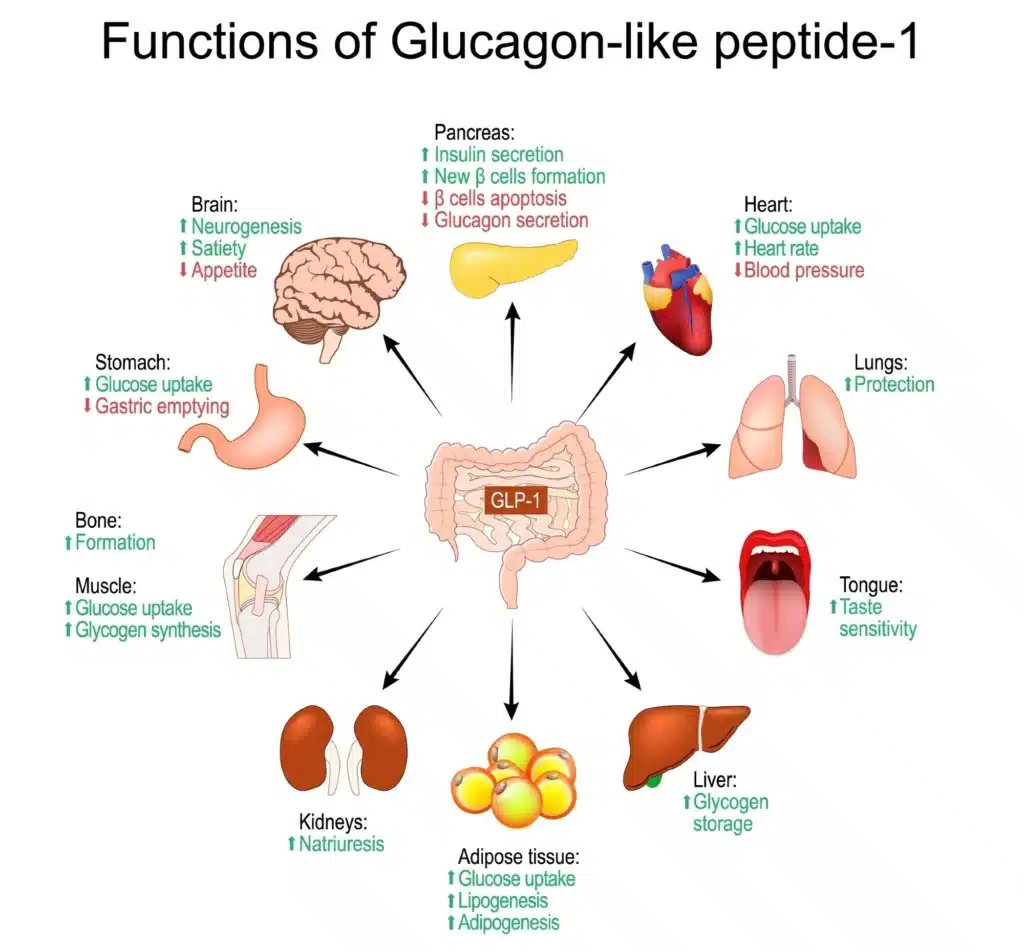
GLP-1 is a secreted peptide that plays a key role in regulating blood glucose homeostasis. It stimulates insulin secretion, slows gastric emptying, and suppresses glucagon release, thus maintaining healthy blood sugar levels. The GLP-1 receptor, found on beta cells of the pancreas and neurons of the brain, interacts with GLP-1 to modulate glucose metabolism and appetite.
GLP-1 Receptor Agonists in Diabetes Management
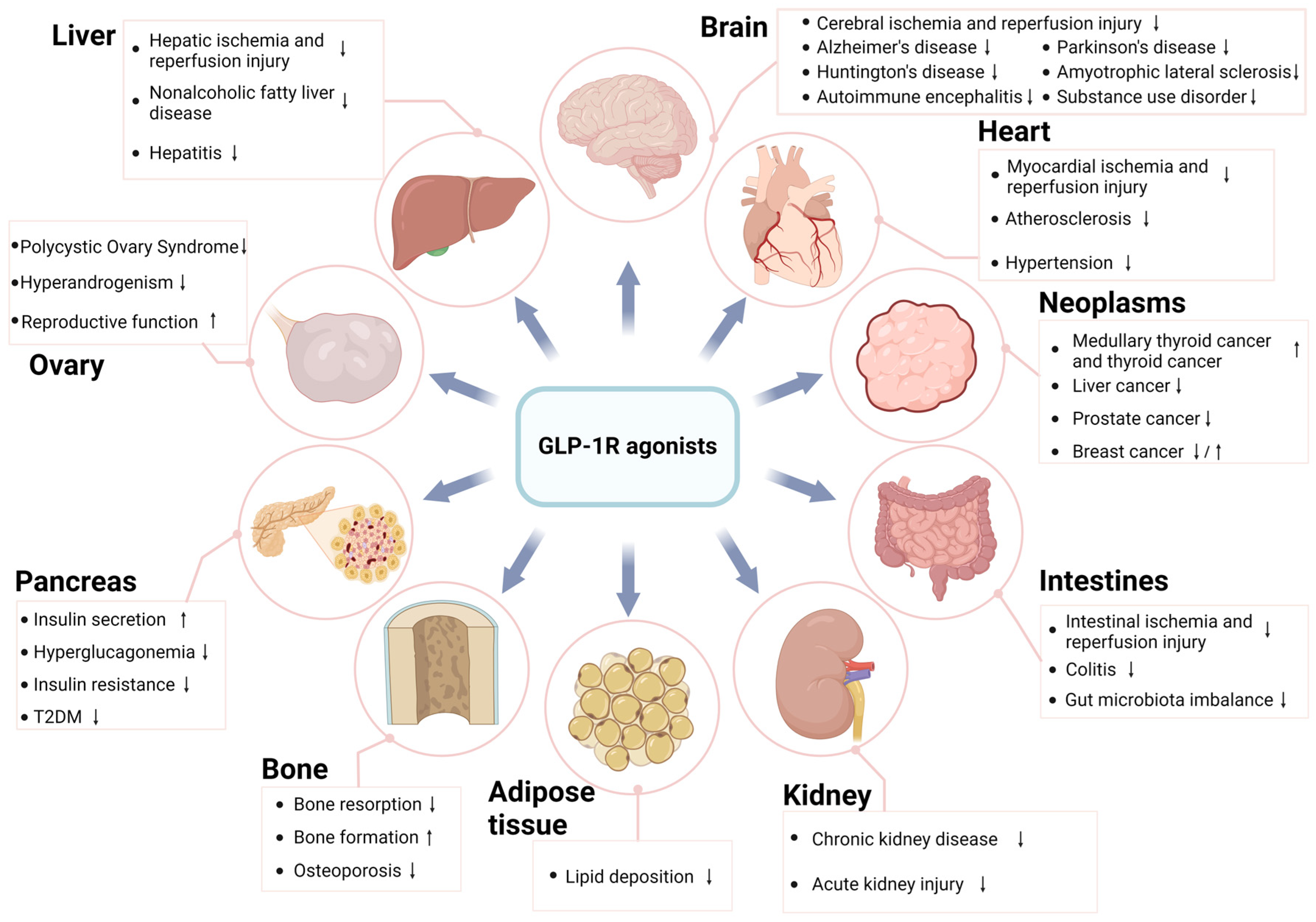
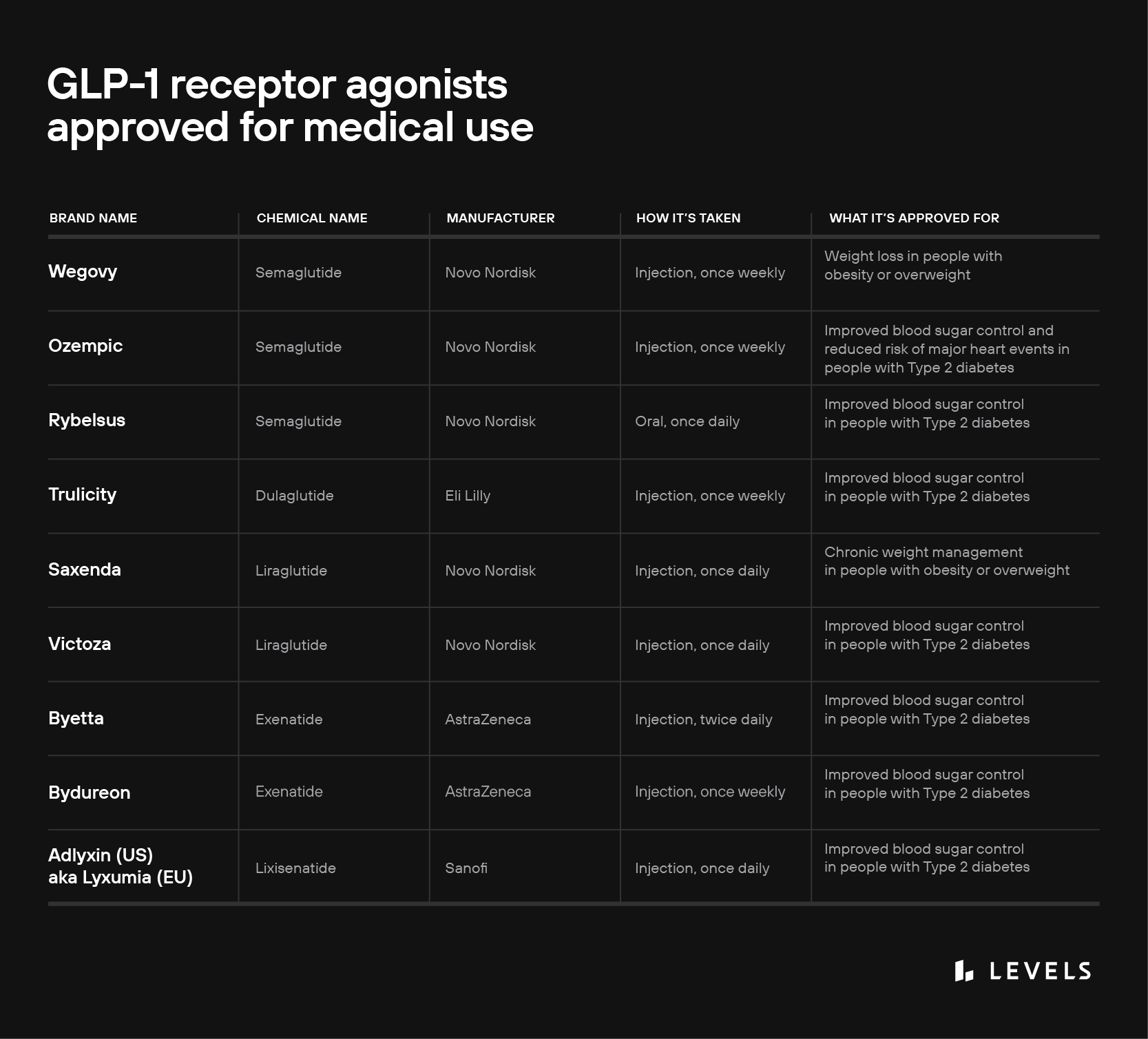
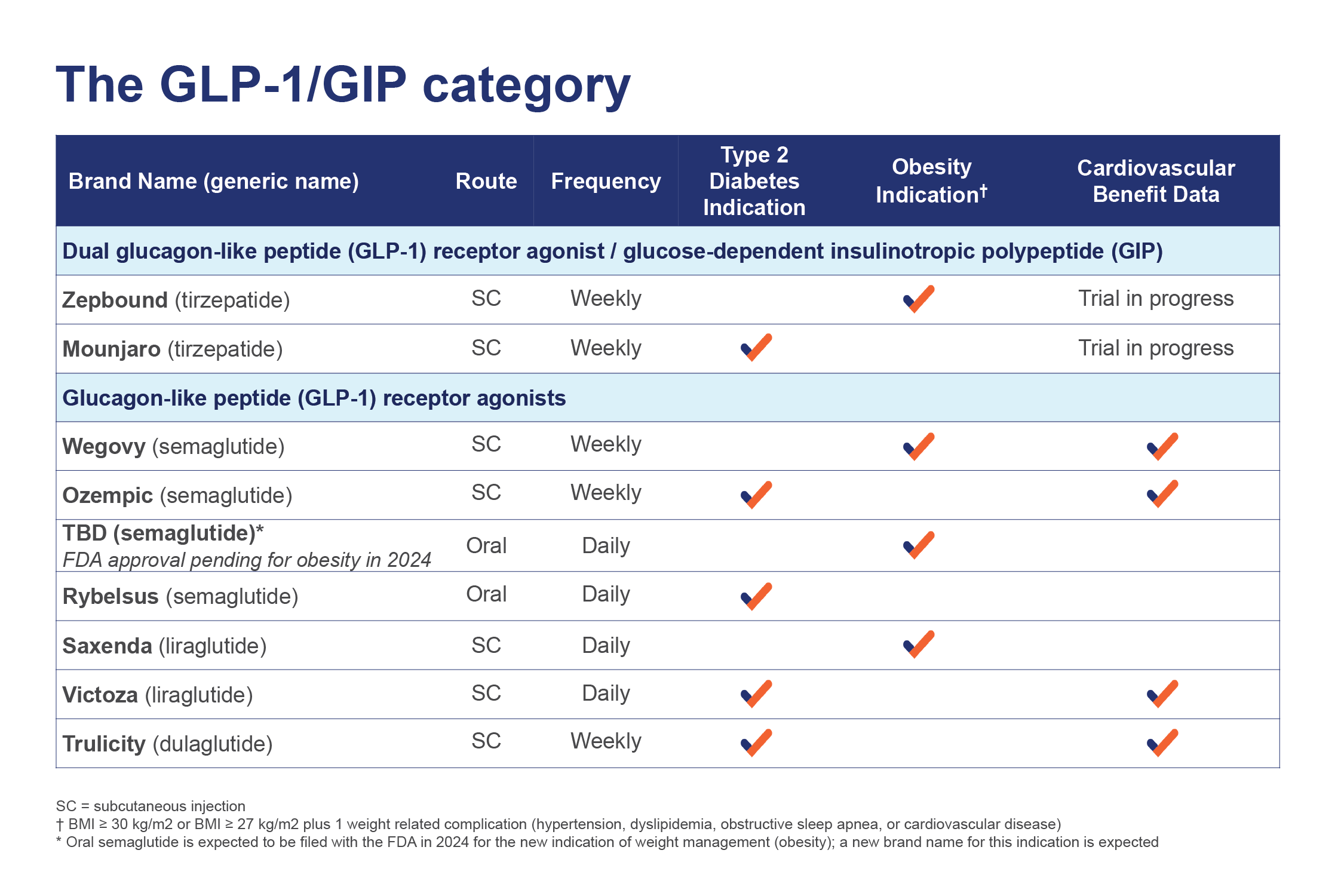
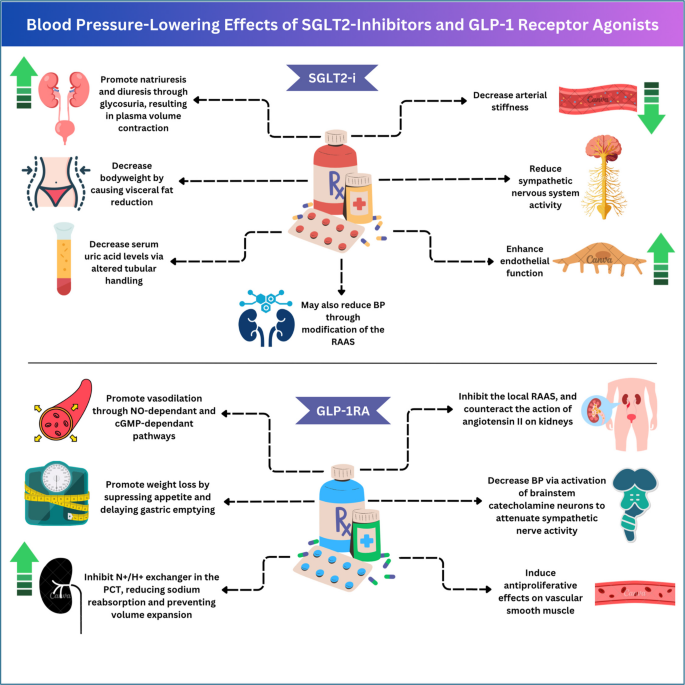
GLP-1 receptor agonists, such as liraglutide, semaglutide, and tirzepatide, mimic the action of natural GLP-1 to regulate blood sugar levels, promote weight loss, and offer cardiovascular benefits. These medications have been shown to improve glycemic control in patients with type 2 diabetes, reduce the risk of kidney disease and heart disease, and promote weight loss in obese patients.
Key Mechanisms of GLP-1 Receptor Agonists
- Stimulate insulin secretion in response to food intake
- Suppress glucagon release to reduce glucose production in the liver
- Regulate appetite and satiety by communicating with the brain
- Slow gastric emptying to control blood sugar spikes
Benefits and Effects of GLP-1 Receptor Agonists
GLP-1 receptor agonists have been shown to have a range of benefits, including:
- Improved glycemic control
- Weight loss
- Cardiovascular benefits
- Reduced risk of kidney disease
- Improved appetite regulation
- Delayed gastric emptying
GLP-1 Receptor Agonists vs. Insulin

GLP-1 receptor agonists and insulin work through different mechanisms to regulate blood sugar levels. While insulin helps the body lower glucose directly, GLP-1 medications act through hormone pathways that influence appetite, insulin secretion, and digestion.
Novel GLP-1 Receptor Agonists
Researchers have developed novel GLP-1 receptor agonists that preserve blood sugar control while reducing nausea and vomiting, offering a potential safer approach to treating diabetes and obesity.
Emerging Evidence on GLP-1 Receptor Agonists
Studies have demonstrated the efficacy of GLP-1 receptor agonists in managing type 2 diabetes, obesity, and other metabolic disorders. For instance, a landmark study published in The New England Journal of Medicine evaluated semaglutide therapy in patients with type 2 diabetes and showed significant improvements in glycemic control and weight loss.
Conclusion
GLP-1 receptor agonists have revolutionized the treatment of metabolic disorders, offering a safe and effective way to regulate blood sugar levels, promote weight loss, and reduce the risk of cardiovascular disease. As research continues to uncover the mechanisms and benefits of these medications, it is clear that GLP-1 receptor agonists will play a crucial role in managing and treating these conditions.
References:
- GLP-1 Receptor Agonists and Insulin Sensitivity. (2022). Journal of Clinical Endocrinology and Metabolism.
- Semaglutide and Cardiovascular Outcomes in Patients with Type 2 Diabetes. (2019). The New England Journal of Medicine.
- Tirzepatide and Weight Loss. (2022). Obesity.
- GLP-1 and Gut Health. (2022). American Journal of Gastroenterology.
Keywords:
- GLP-1 receptor agonists
- blood sugar regulation
- type 2 diabetes
- obesity
- cardiovascular disease
- kidney disease
- insulin sensitivity
- gut health