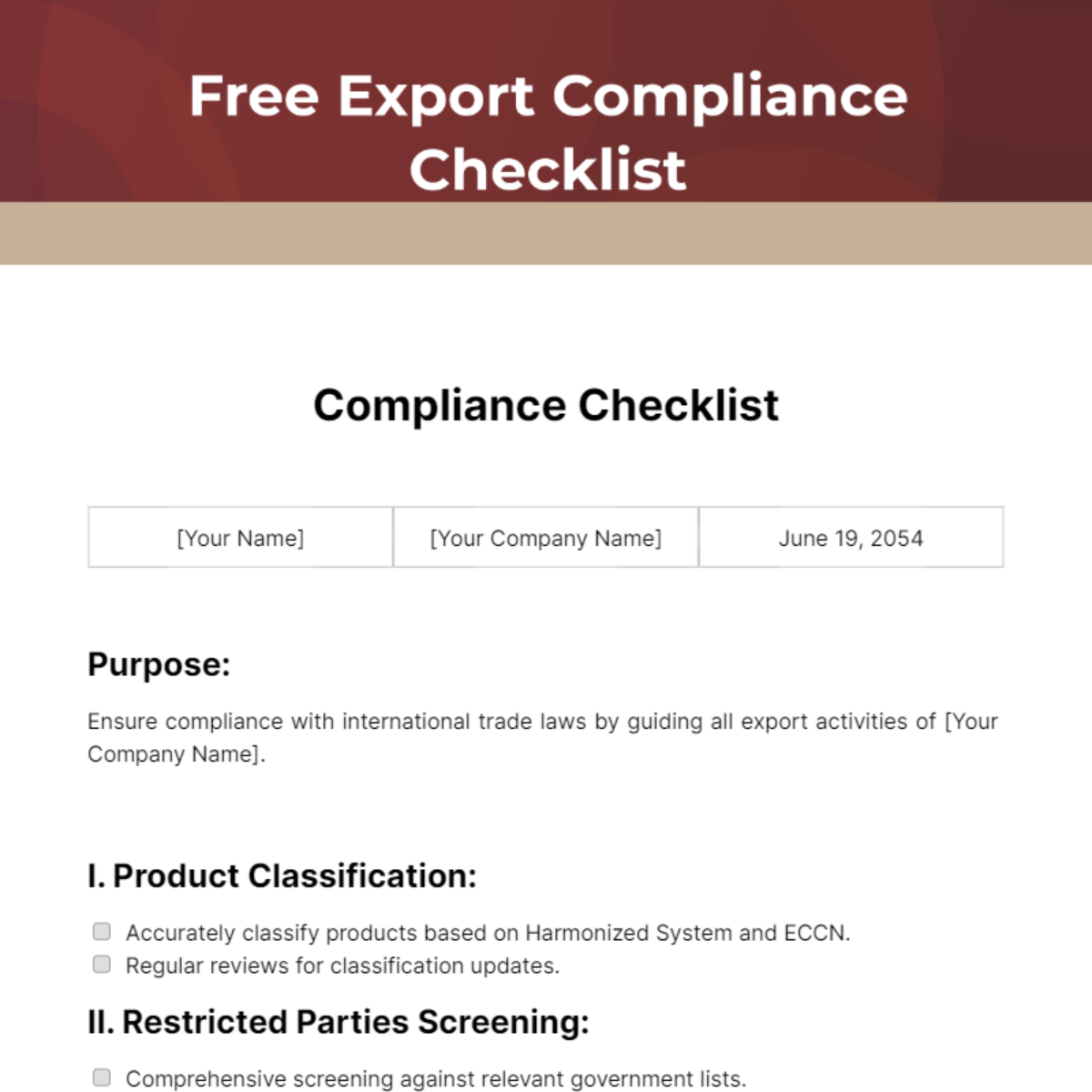
US Export License Review: A Comprehensive Guide
The landscape of export regulations in the US is complex and ever-evolving. As a result, businesses engaging in global commerce must navigate a web of requirements to ensure compliance with US export laws. In this article, we will provide a comprehensive review of the US export license review process, including the key agencies involved, licensing requirements, and exceptions.
The Three Key Agencies
The US government maintains a comprehensive system of export controls, regulating the shipment of certain goods, software, and technology to foreign destinations. The three key agencies involved in the export license review process are:
- Bureau of Industry and Security (BIS)
- Department of State's Directorate of Defense Trade Controls (DDTC)
- US Customs and Border Protection (CBP)
Each agency has a specific role in the export license review process, with BIS responsible for regulating the export of dual-use items, DDTC responsible for regulating the export of defense articles, and CBP responsible for enforcing export regulations at the border.
The 95 Percent Myth
One of the most common misconceptions about export regulations is that about 95 percent of all items exported from the US do not require a license. While this is true, it is essential to note that even if a license is not required, businesses must still comply with other export regulations, such as those related to customs, taxation, and intellectual property.
Determining Jurisdiction: ITAR or EAR?
When determining whether a license is required for a particular export, businesses must first determine whether the item is subject to the International Traffic in Arms Regulations (ITAR) or the Export Administration Regulations (EAR). The ITAR regulates the export of defense articles, while the EAR regulates the export of dual-use items.
The ITAR Compliance Path
For businesses subject to the ITAR, the compliance path involves:
- Filing a license application with DDTC
- Obtaining an export license
- Registering with the DDTC
Beyond these steps, businesses must also comply with other ITAR regulations, such as those related to technical data, brokering, and end-use/end-user.
The EAR Analysis: A Four-Factor Test

For businesses subject to the EAR, the compliance path involves a four-factor test to determine whether a license is required:
- Is the item subject to the EAR?
- Is the item destined for a country subject to a comprehensive arms embargo?
- Is the item for a military end-user?
- Is the item subject to a specific license requirement?
If the answer to any of these questions is yes, a license may be required.
License Exceptions: A Potential Alternative
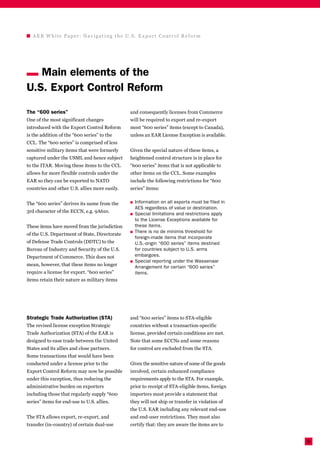
License exceptions are authorizations that allow businesses to export or reexport items subject to the EAR without a license. The most common license exceptions are:
- Strategic Trade Authorization (STA)
- Technology and Software Under Open-Source Licenses (TSUOLS)
- Radio Frequency (RF) Software (RS)
Businesses must meet specific requirements to qualify for these exceptions, including registration with the BIS and adherence to specific conditions.
Applying for a License
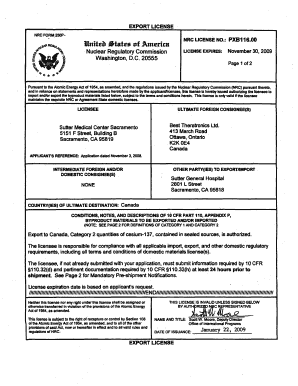
If a license is required, businesses must submit a license application to the relevant agency. The application must include:
- Complete and accurate information about the export
- Supporting documentation, such as technical data and business plans
- A detailed description of the item being exported
The agency will then review the application and issue a license if all requirements are met.
Conclusion
The US export license review process is complex and requires careful navigation. By understanding the key agencies involved, licensing requirements, and exceptions, businesses can ensure compliance with US export laws and avoid penalties and restrictions on future export activities. Regular updates to export regulations require businesses to stay informed and adapt to changing requirements.