Deck Building Regulations: Ensuring a Safe and Compliant Outdoor Space
Building a deck can be an exciting project, but it requires careful attention to local regulations and codes to ensure a safe and compliant outdoor space. In this article, we'll delve into the world of deck building regulations, exploring the key requirements and guidelines that govern deck construction.
Understanding Local Building Codes and Regulations
Before starting your deck building project, it's essential to familiarize yourself with local building codes and regulations. These codes are designed to ensure that decks are built to safety standards, withstand various weather conditions, and meet accessibility requirements. The International Residential Code (IRC) and the International Building Code (IBC) are two prominent codes that govern deck construction in the United States.
- The IRC sets minimum standards for deck design, construction, and materials.
- The IBC provides guidance on building codes, zoning regulations, and permit requirements.
Key Deck Building Codes and Regulations
Here are some critical deck building codes and regulations to keep in mind:
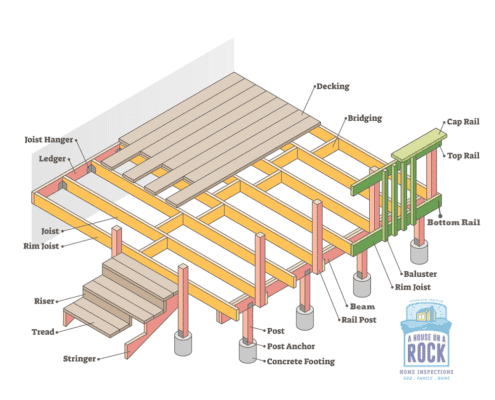
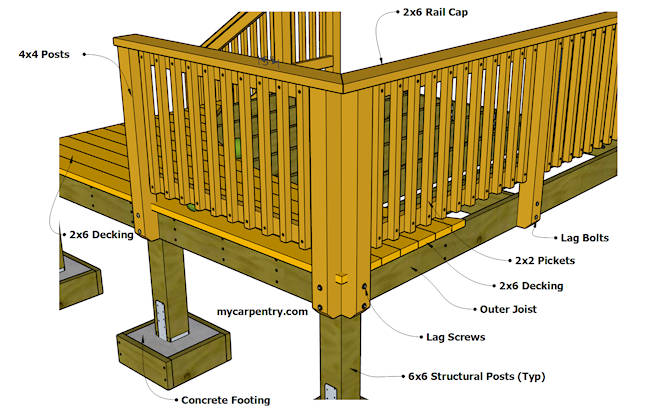
- Footing Depth: Footings must extend to a minimum depth of 42 inches below grade, and the bottom of the footing must be belled to 4 inches larger than the tube used.
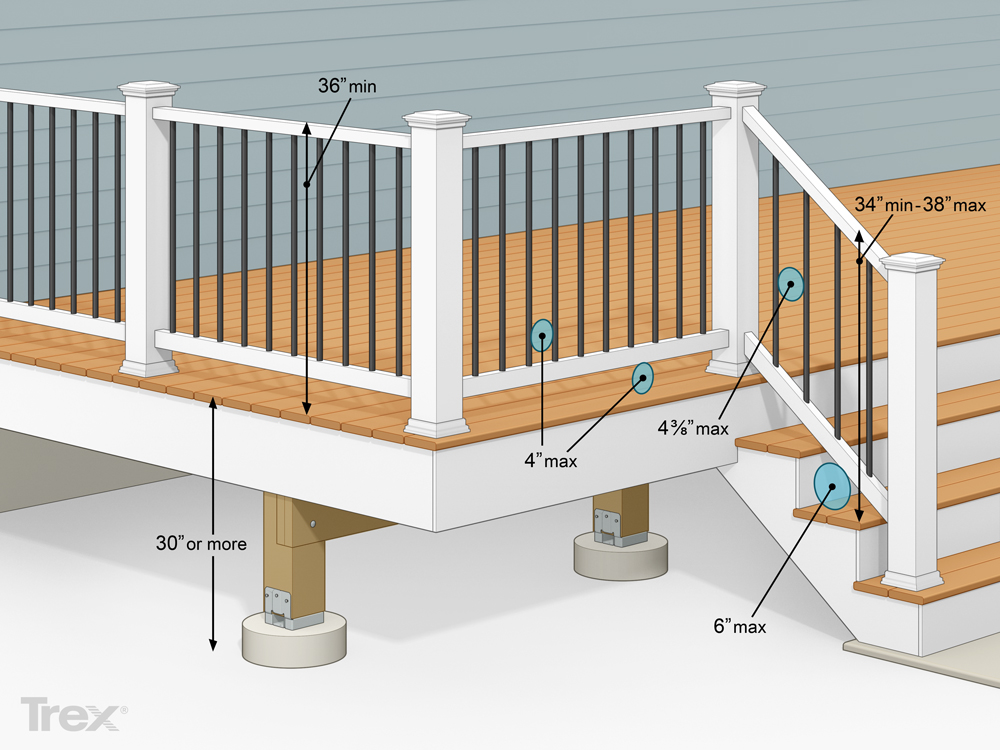
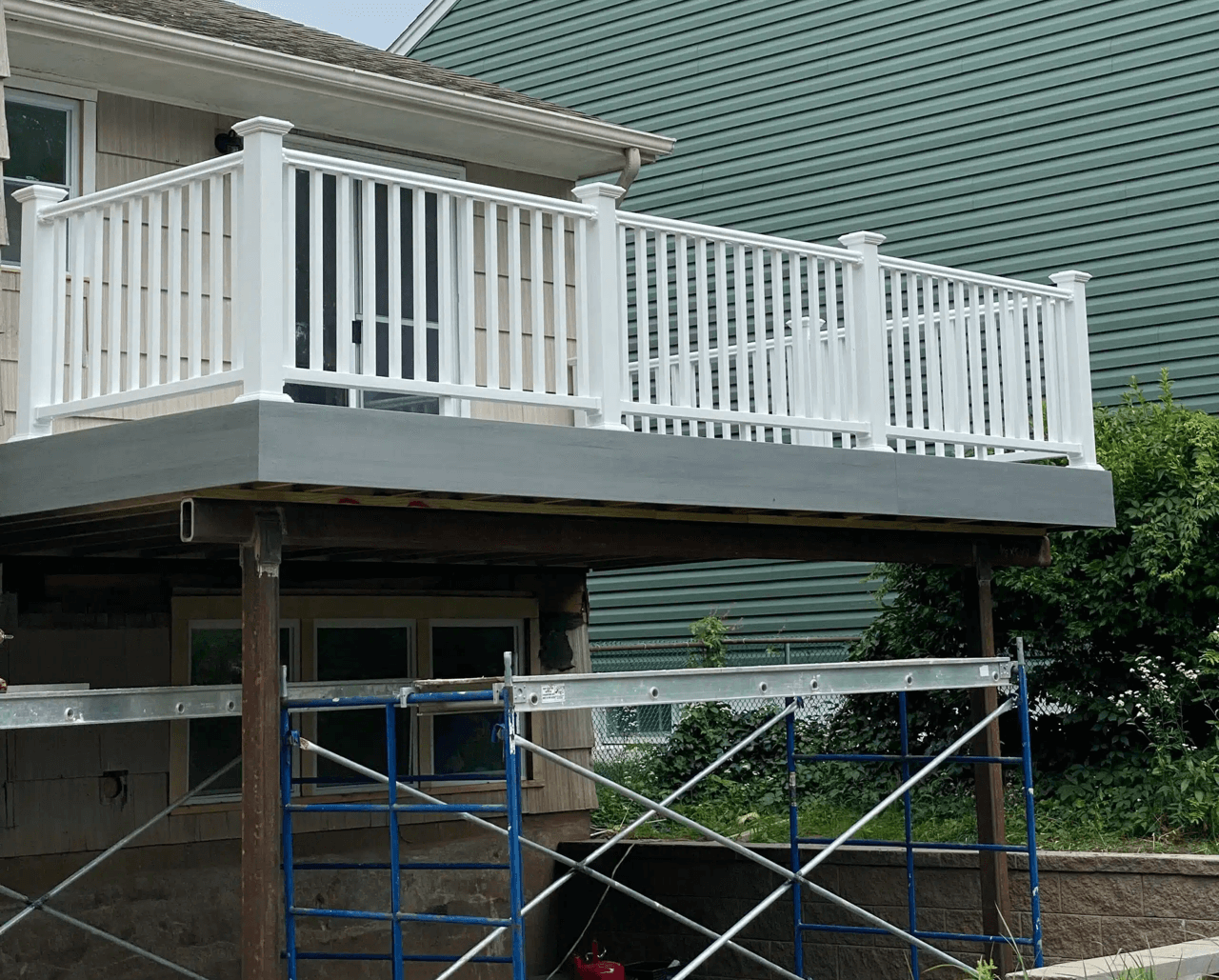
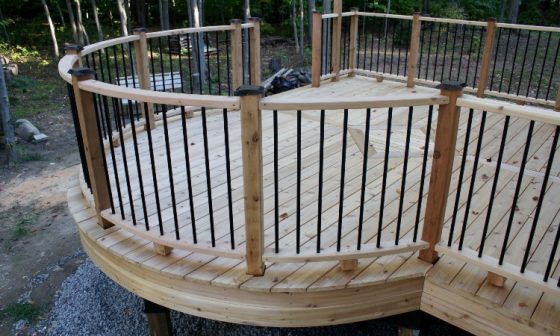
- Deck Railing Height: The standard height for deck railings is 36 inches from the deck surface, but this can vary depending on local building codes and the deck's height above ground.
- Stair Code: Stairs must meet specific code requirements, including a minimum tread depth of 11 inches and a maximum rise of 7.75 inches.
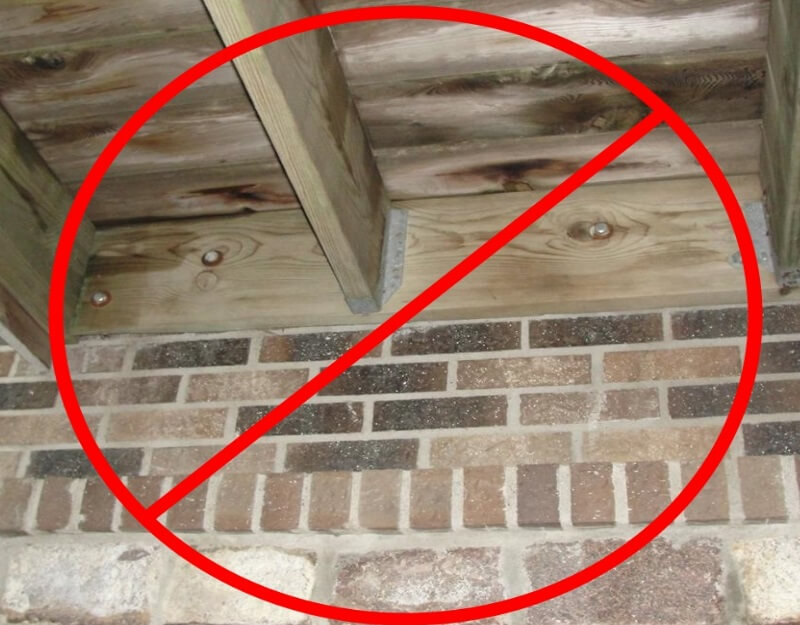
- Fastener Requirements: Proper fasteners must be used to secure decking boards, stringers, and railings to the deck frame.
Building Permit Requirements
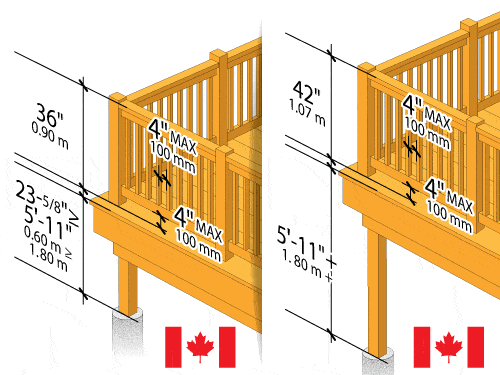
In most jurisdictions, a building permit is required for deck construction. The permit process typically involves submitting plans and specifications to the local building department, which will review and approve the design before issuing the permit. Some key factors to consider when applying for a building permit include:
- Deck size and scope of the project
- Deck height and location
- Material choices and quality
- Electrical and plumbing requirements (if applicable)
Compliance and Inspection
It's essential to ensure that your deck meets all local building codes and regulations. A failed inspection can result in costly rework, fines, and even structural damage to the deck. To avoid these issues, it's crucial to:
- Check with local building authorities for specific regulations and guidelines
- Hire a licensed builder or contractor with experience in deck construction
- Regularly inspect the deck during construction to identify and address any potential issues
Conclusion
Deck building regulations are in place to ensure that outdoor spaces are safe, accessible, and compliant with local building codes. By understanding the key requirements and guidelines outlined in this article, homeowners and builders can ensure a successful deck building project that meets all necessary standards. Remember to always check with local building authorities for specific regulations and guidelines, and to prioritize compliance and inspection throughout the construction process.