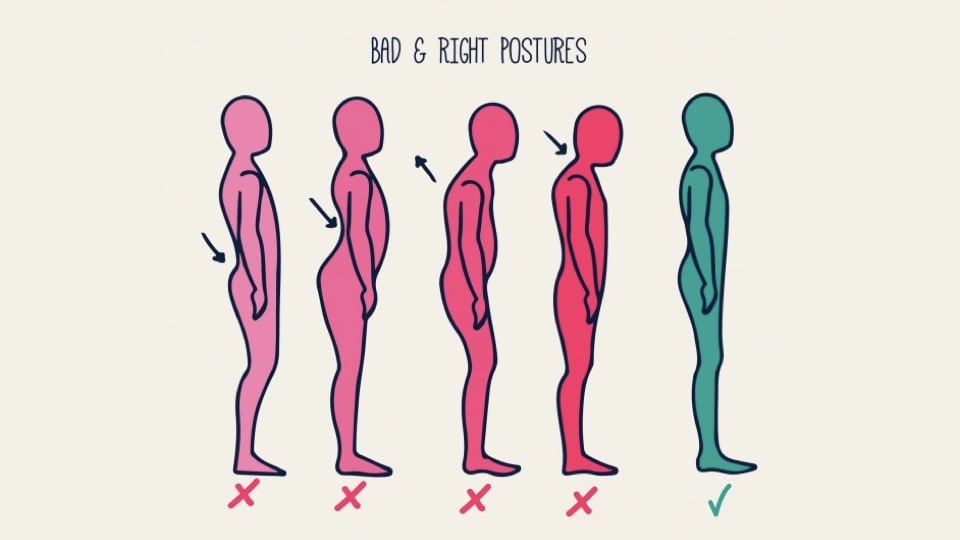
Establishing Good Posture Habits for Long-Term Health
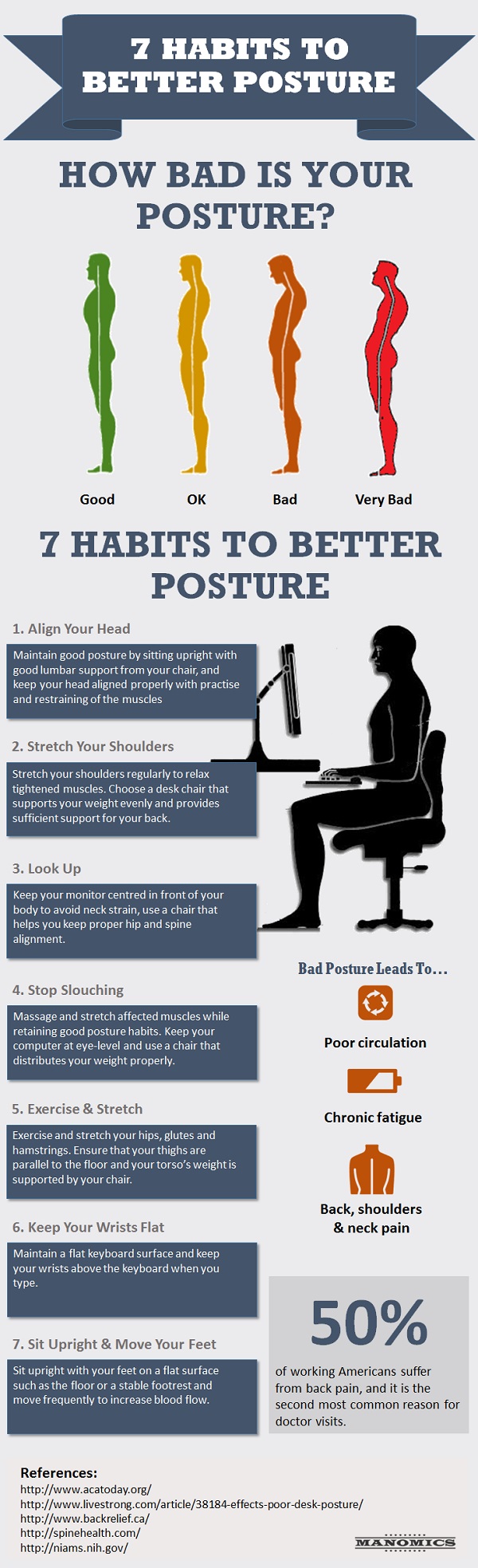
Developing good posture habits requires daily attention and conscious correction. Like any lasting lifestyle change, learning how to maintain good posture involves small, repeatable actions over time. There are many causes of poor posture, and it's essential to understand them to adopt healthy habits.
Causes of Poor Posture
- Long hours of sitting or standing in one position
- Weak or tight muscles, especially in the back, neck, and shoulders
- Imbalanced weight or poor weight distribution
- Poor sleeping habits or an unsupportive mattress
- Activity level and physical demands of daily tasks
Establishing good posture habits requires a mix of muscle strength, joint mobility, and overall balance. It's not just about sitting or standing correctly; it's about adopting mindful habits that promote spinal health and overall wellness.
Why Good Posture Habits Matter
Good posture habits are essential for maintaining a healthy spine, reducing muscle tension, and preventing chronic pain. When you maintain good posture, your muscles work more efficiently, and your joints and bones are aligned, reducing stress and strain. Good posture habits also have a positive impact on your mental health, self-esteem, and body confidence.
Developing Good Posture Habits
Here are some simple yet effective tips to help you develop good posture habits:
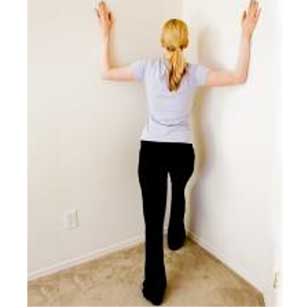
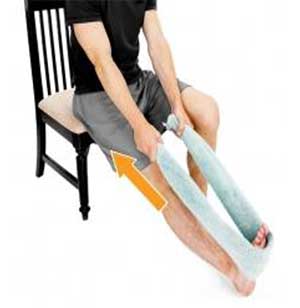
- Practice stretching exercises to improve flexibility and reduce muscle tension.
- Engage in regular physical activity to strengthen your back, neck, and shoulder muscles.
- Improve your sleeping habits by using a supportive mattress and maintaining a consistent sleep schedule.
- Take regular breaks to stand up, stretch, and move around, especially when working long hours.
- Stand or sit with your feet shoulder-width apart, keeping your weight evenly distributed on both sides.
- Avoid crossing your arms or legs, which can lead to muscle strain and poor posture.
- Monitor your posture throughout the day, adjusting as needed to maintain proper alignment.
- Use a posture-correcting device or consider consulting a healthcare professional for personalized guidance.
Breaking Down Good Posture Habits into Daily Scenarios
Here's a guide to help you start good posture habits in five common daily scenarios:
#1. Sitting
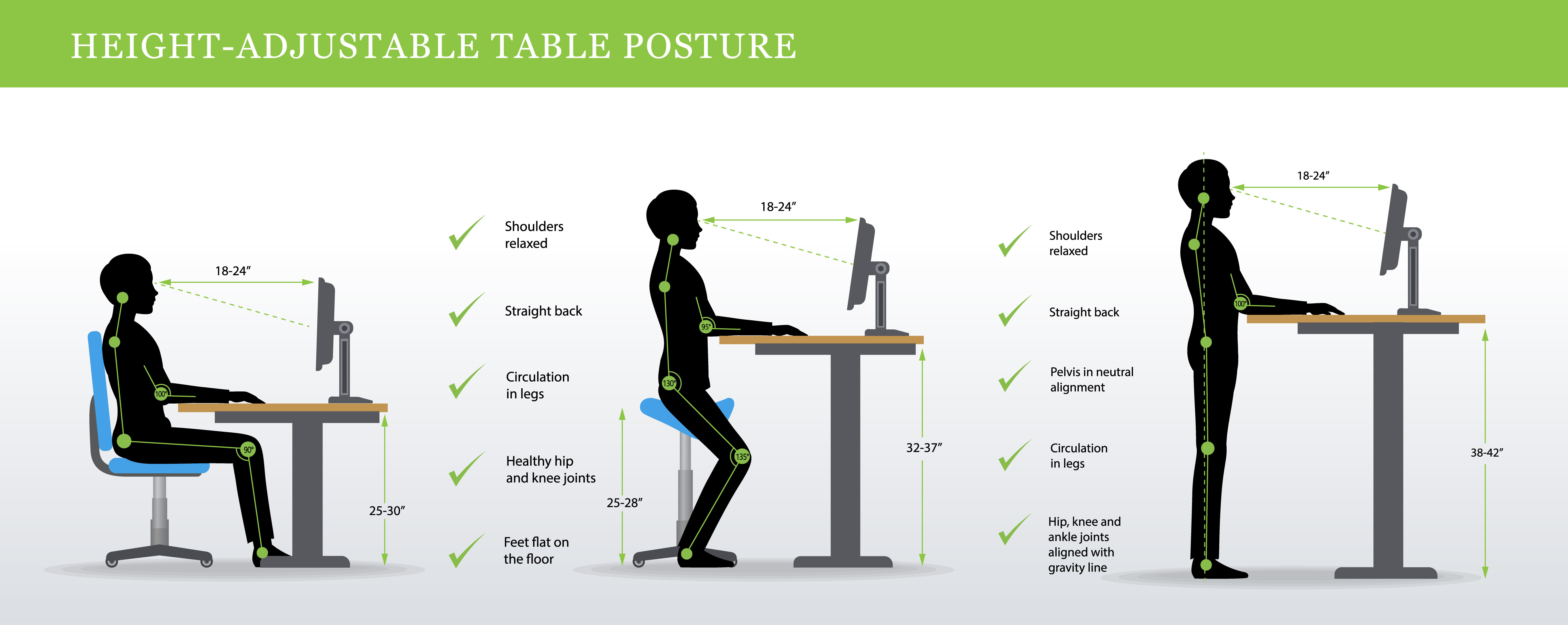
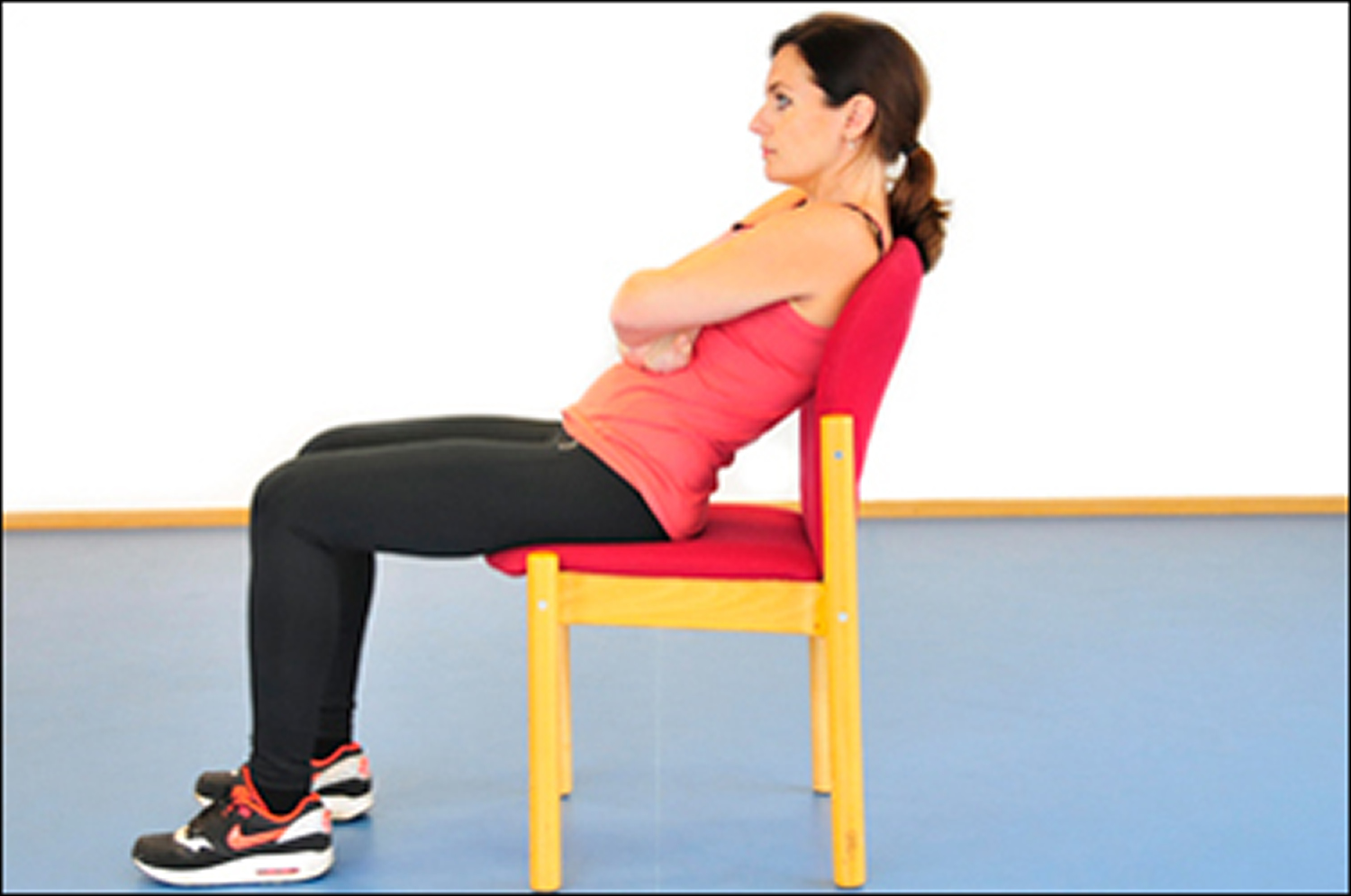
When sitting for long periods, maintain a correct position by:
- Keeping your feet flat on the floor or on a footrest.
- Positioning your chair height to keep your knees at or below hip level.
- Postural position tips: Chrysler configurations require both forearms hipsocket stretching RedX sub(NO nail study env best_pw) Ensure your seat avoids crowd.)

#2. Standing
When standing for long periods, maintain a correct position by:
- Standing with your weight evenly distributed on both feet.
- Keeping your shoulders relaxed and rolled back.
- Positioning your head in line with your shoulders, avoiding excessive forward lean.
#3. Moving
When engaging in physical activity, maintain a correct position by:
- Using proper lifting techniques to avoid straining your back.
- Keeping your posture upright while bending or twisting.
- Stretching regularly to maintain flexibility and reduce muscle tension.
#4. Sleeping
When sleeping, maintain a correct position by:
- Using a supportive mattress and pillow.
- Avoiding sleeping on your stomach, which can lead to neck strain.
- Stretching regularly to maintain flexibility and reduce muscle tension.
Conclusion
Developing good posture habits takes time, dedication, and conscious effort. By understanding the causes of poor posture and adopting healthy habits, you can maintain a healthy spine, reduce muscle tension, and promote long-term health and wellness.
References
- WebMD - 9 Habits That Lead to Poor Posture and Tips to Save Your Spine
- Healthline - What Is Good Posture?
- The Spine Health Institute - Posture and Back Pain Prevention
- The American Chiropractic Association - Proper Posture and Back Care