Home-Based Physical Therapy for Improving Range of Motion: A Guide to Staying Active and Healthy
Physical therapy is often associated with hospitals and clinics, but the truth is, physical therapy can be done just as effectively in the comfort of your own home. In fact, home-based physical therapy allows individuals to receive personalized attention and guidance from the convenience of their own living space. In this article, we'll explore the benefits of home-based physical therapy, including its effectiveness in improving range of motion, and provide tips on how to incorporate physical therapy exercises into your daily routine.
The Benefits of Home-Based Physical Therapy
Home-based physical therapy offers numerous benefits, including improved range of motion, increased flexibility, and reduced pain. By performing exercises in the comfort of your own home, you can:
- Improve your range of motion and flexibility through targeted exercises
- Reduce pain and stiffness associated with arthritis and other chronic conditions
- Prevent injury and re-injury by strengthening muscles and improving joint mobility
- Enhance overall physical function and mobility
What is Range of Motion (ROM)?
Range of motion (ROM) refers to the amount of movement possible at a joint. It's essential for performing everyday activities, such as walking, reaching, and bending. Inadequate range of motion can lead to stiffness, pain, and decreased mobility. Physical therapy exercises can help improve ROM, which is particularly beneficial for individuals with conditions like arthritis, Parkinson's disease, or strokes.
Stretching Exercises for Improved Range of Motion
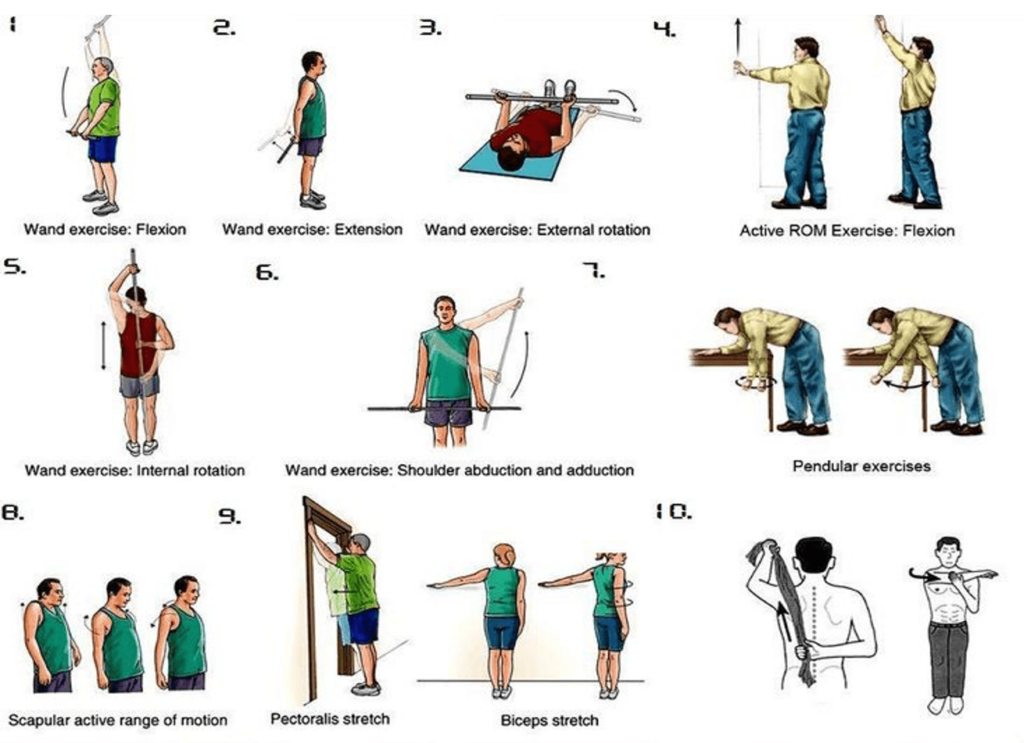
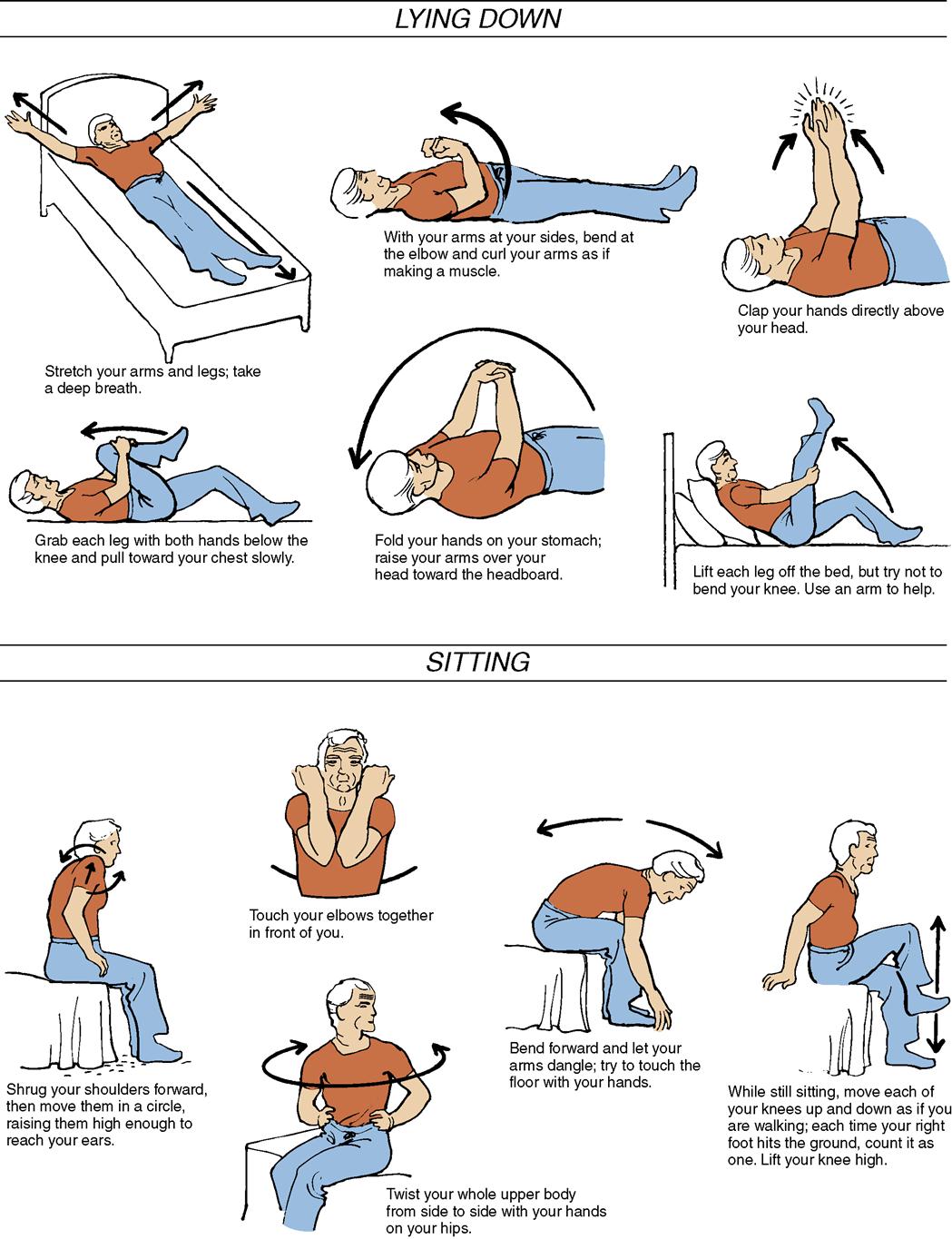
Stretching exercises are a crucial component of a home-based physical therapy program. By incorporating static and dynamic stretches into your routine, you can improve flexibility and range of motion. Some effective stretches for improving range of motion include:
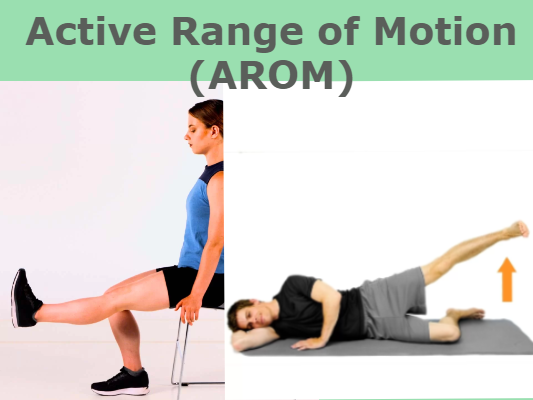
- Leg swings: standing or sitting, swinging one leg forward and backward
- Arm circles: holding arms straight out to the sides, making small circles
- Knee lifts: standing or sitting, lifting one leg out to the side
- Neck stretches: slowly tilting the head to one side, then the other

Why Consistency is Key in Home-Based Physical Therapy
Consistency is crucial when it comes to home-based physical therapy. To see optimal results, it's essential to perform exercises regularly, ideally 3-4 times a week. By making physical therapy a habit, you can:
- Improve muscle strength and tone
- Enhance flexibility and range of motion
- Reduce pain and stiffness
- Prevent injury and re-injury
Getting Started with Home-Based Physical Therapy
If you're interested in starting a home-based physical therapy program, consult with a licensed physical therapist to develop a personalized routine tailored to your needs. With the right guidance, you can:
- Set realistic goals and expectations
- Learn exercises that target specific areas of concern
- Improve range of motion and flexibility
- Enhance overall physical function and mobility
Conclusion
Home-based physical therapy offers numerous benefits, including improved range of motion, increased flexibility, and reduced pain. By incorporating stretching exercises and consistency into your daily routine, you can enhance overall physical function and mobility. Consult with a licensed physical therapist to develop a personalized home-based physical therapy program that suits your needs. With the right guidance and dedication, you can achieve optimal results and maintain a healthy, active lifestyle.