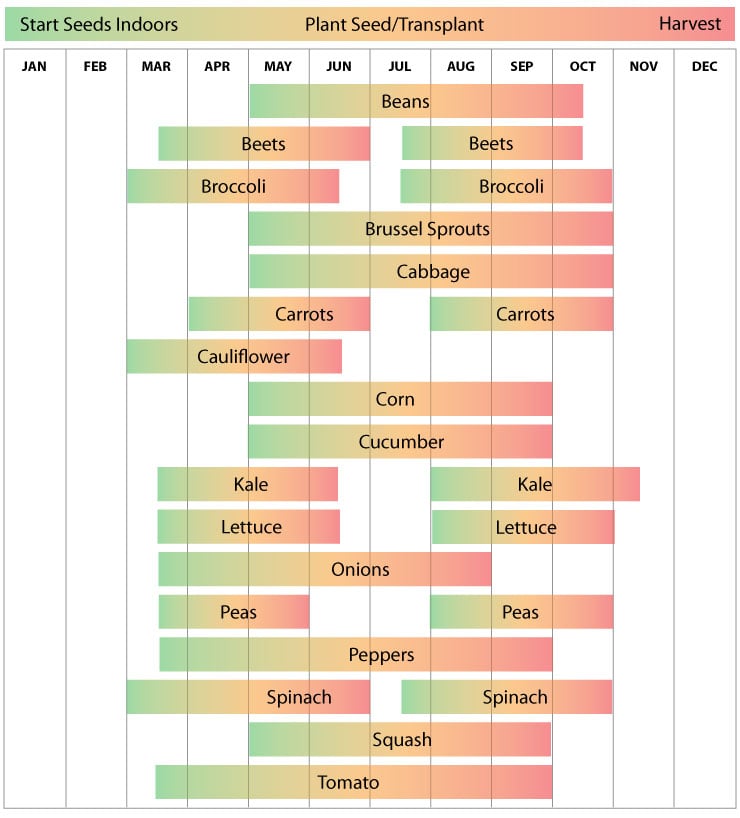
Vegetable Planting Guide: A Comprehensive Resource for Gardeners of All Levels
When it comes to growing vegetables, timing is everything. With the right information, you can ensure a bountiful harvest and enjoy the satisfaction of eating fresh, homegrown produce. In this vegetable planting guide, we'll walk you through the essential steps to create a thriving vegetable garden, from selecting the right site and soil to planning, planting, and nurturing your crops.
Understand Your Climate and Last Frost Dates
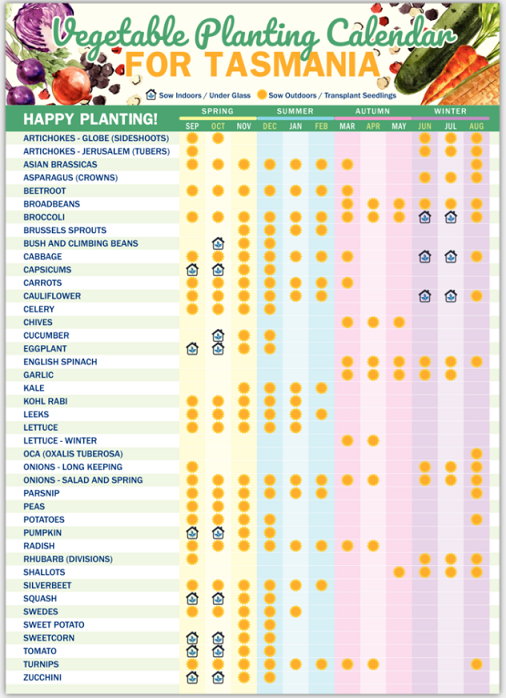
Before you start planting, it's crucial to understand your local climate and last frost dates. This information will help you determine the optimal planting time for your vegetables. You can find this information online or consult with a local nursery or gardening expert. For example, in Singapore's tropical climate, vegetables can be grown year-round, but certain varieties may thrive better in specific seasons.
Prepare Your Soil and Site
Soil quality is paramount for a successful vegetable garden. Consider the pH level, drainage, and nutrient content of your soil. You may need to amend your soil or add organic matter to create a fertile growing environment. When selecting a site, ensure it receives sufficient sunlight and has good air circulation.
Choose the Right Vegetables for Your Climate and Season
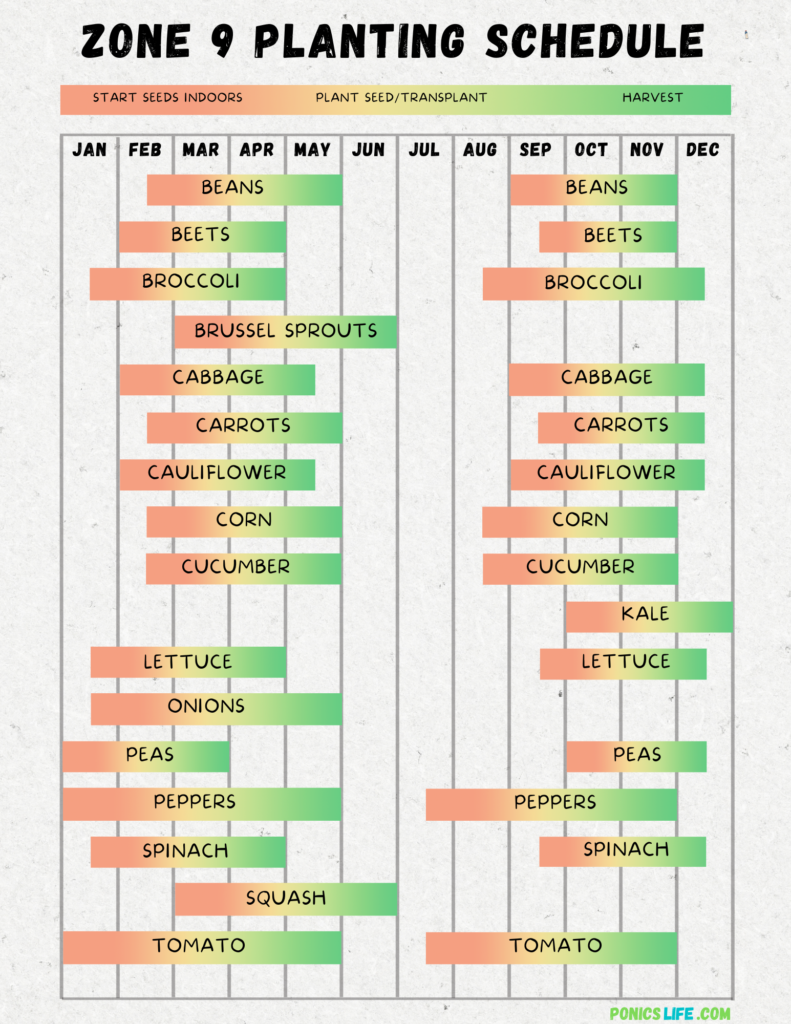
Not all vegetables are suitable for every climate or season. Choose varieties that thrive in your local climate and season. In temperate climates, cool-season crops like broccoli and kale are best planted in spring or fall, while warm-season crops like tomatoes and peppers are ideal for summer.
Plan Your Garden Layout
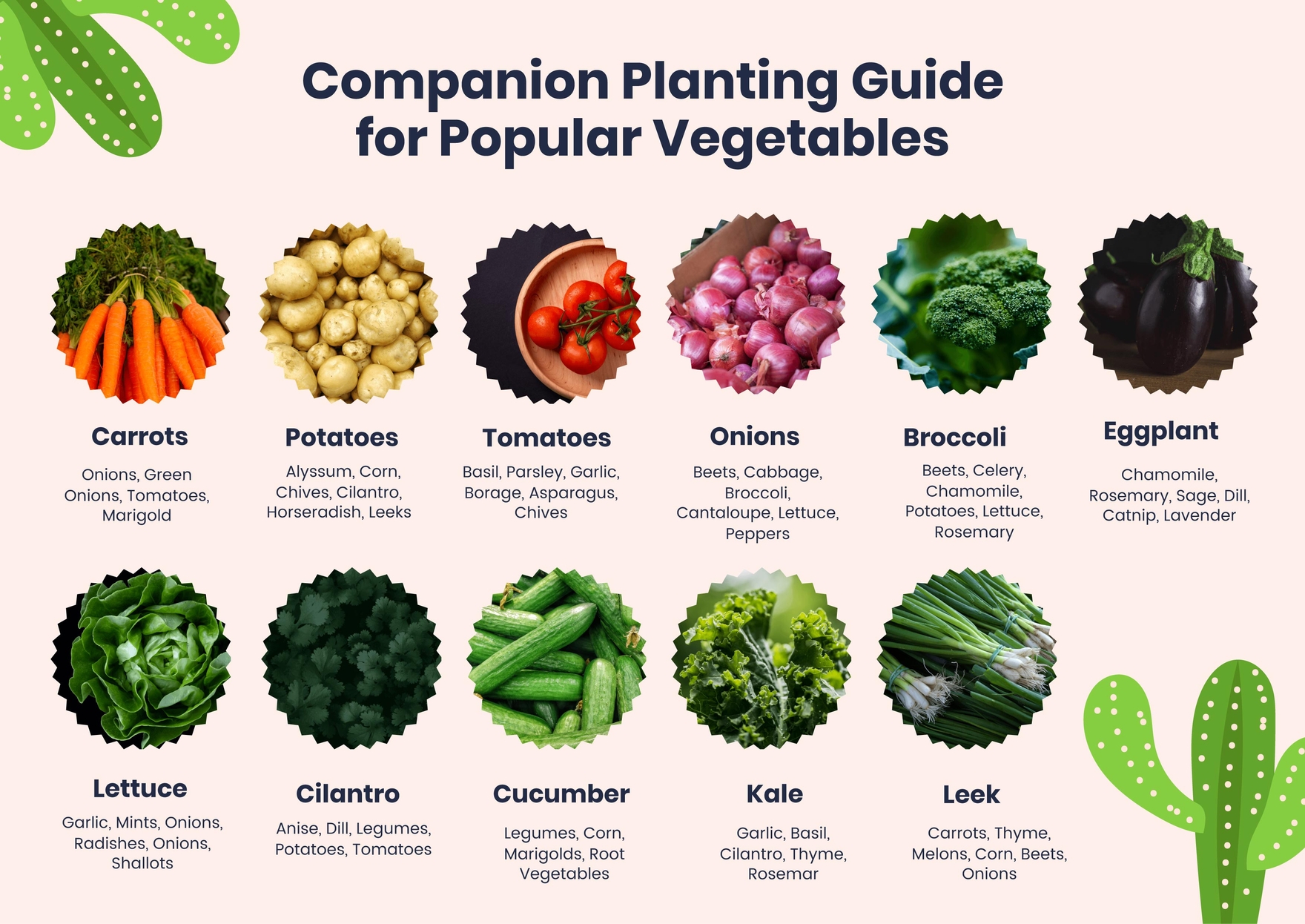
A well-planned garden layout ensures efficient use of space and maximizes yields. Consider companion planting, where certain vegetables benefit from being grown alongside others. For example, planting marigolds with tomatoes can deter nematodes and improve overall health.
Some Effective Companion Planting Combinations:
- Tomatoes with basil and marigolds
- Cucumbers with dill and nasturtiums
- Carrots with sage and rosemary

Start Seeds Indoors or Directly in the Garden
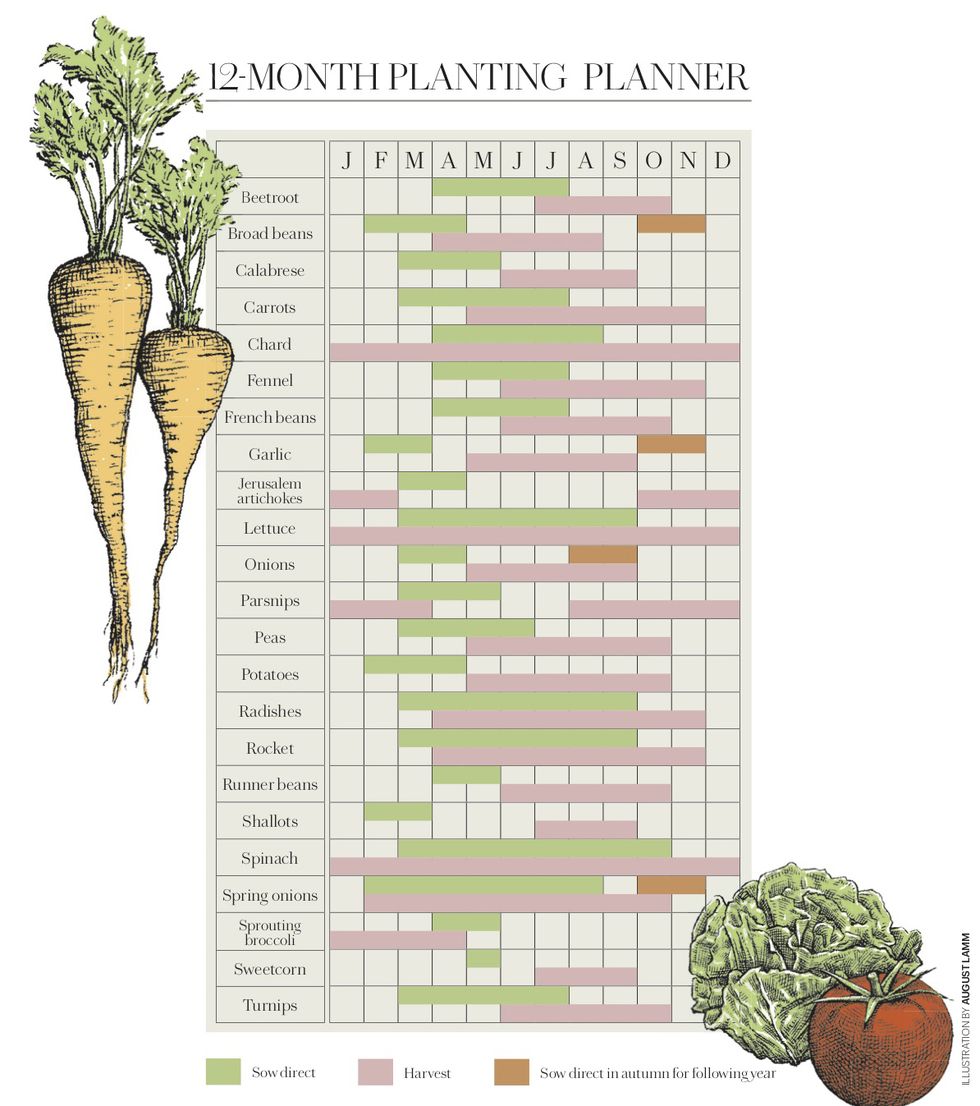
Some vegetables, like tomatoes and peppers, benefit from being started indoors 4-6 weeks before the last frost date. This gives them a head start on the growing season. For others, like beans and squash, direct sowing is the best option. Follow the specific instructions for each variety.
Nurture Your Crops for a Bountiful Harvest
Vegetable gardening requires regular attention to ensure optimal growth and yields. Water, fertilize, and prune your plants as needed. Watch for pests and diseases, and use organic methods to control them whenever possible.
Some Popular Perennial Vegetables for a Low-Maintenance Garden
- Asparagus
- Artichokes
- Rhutabaga
- Perilla
By following this vegetable planting guide, you'll be well on your way to creating a thriving and productive garden. Remember to stay flexible and adapt to changing weather conditions and pest/disease pressures. Happy gardening!
Free Resources to Help You Grow a Successful Vegetable Garden
Get the most out of your garden with these free resources:
- Vegetable garden planning software
- Soil testing kits
- Organic fertilizer recipes
- Companion planting databases
- Vegetable gardening eBooks and tutorials
Join our community to access these resources and get personalized advice from experienced gardeners. Happy gardening!