The Role of GLP-1 in Energy Homeostasis and Calorie Regulation
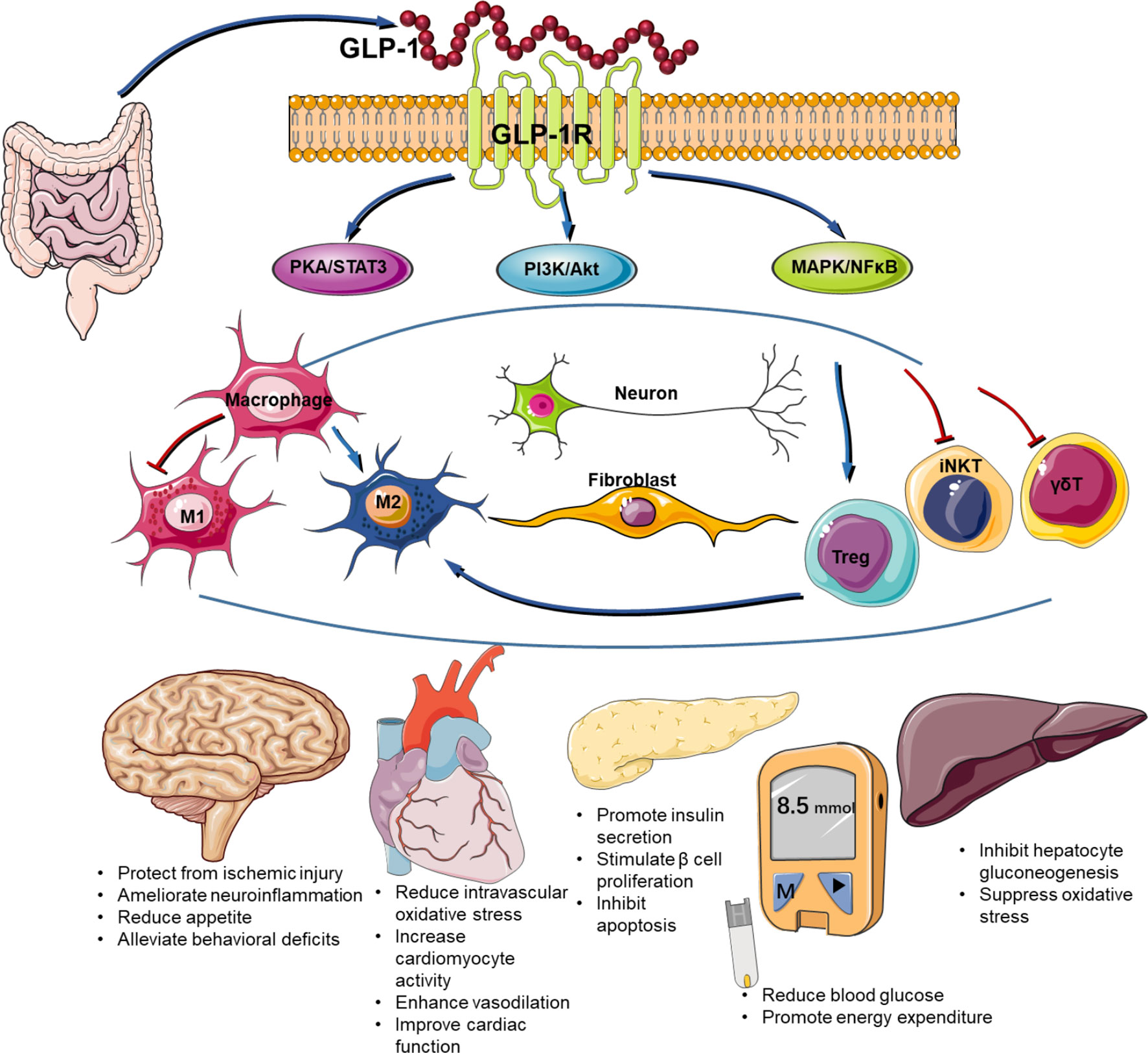
Glucagon-like peptide-1 (GLP-1) is a hormone that plays a vital role in regulating energy homeostasis and calorie intake. It is secreted by the L cells in the intestine in response to food intake and helps to maintain a balance between energy intake and energy expenditure in the human body. In this article, we will explore the role of GLP-1 in modulating appetite, glucose metabolism, and energy homeostasis, and discuss its implications for the development of therapeutic treatment options for obesity.
Introduction
GLP-1 has been shown to play a crucial role in the regulation of energy homeostasis, appetite, and glucose metabolism. It is secreted by the L cells in the intestine in response to food intake and acts on the central nervous system to regulate food intake and energy homeostasis. Furthermore, GLP-1 has been shown to have beneficial effects on glucose metabolism, insulin secretion, and pancreatic beta-cell function.
The Role of GLP-1 in Energy Homeostasis
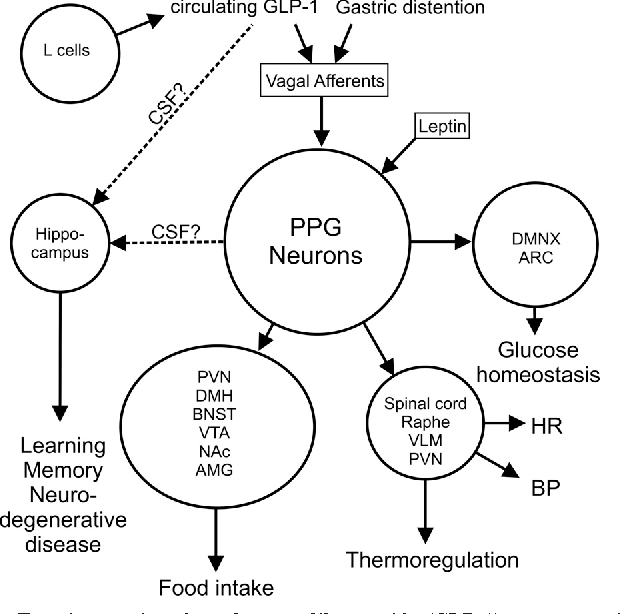
GLP-1 plays a vital role in energy homeostasis by regulating appetite, glucose metabolism, and insulin secretion. It acts on the central nervous system to reduce food intake and increase energy expenditure, which helps to maintain energy balance. GLP-1 receptors are present in the brain, particularly in the hypothalamus and brainstem, where they play a crucial role in regulating energy homeostasis.
Regulation of Appetite
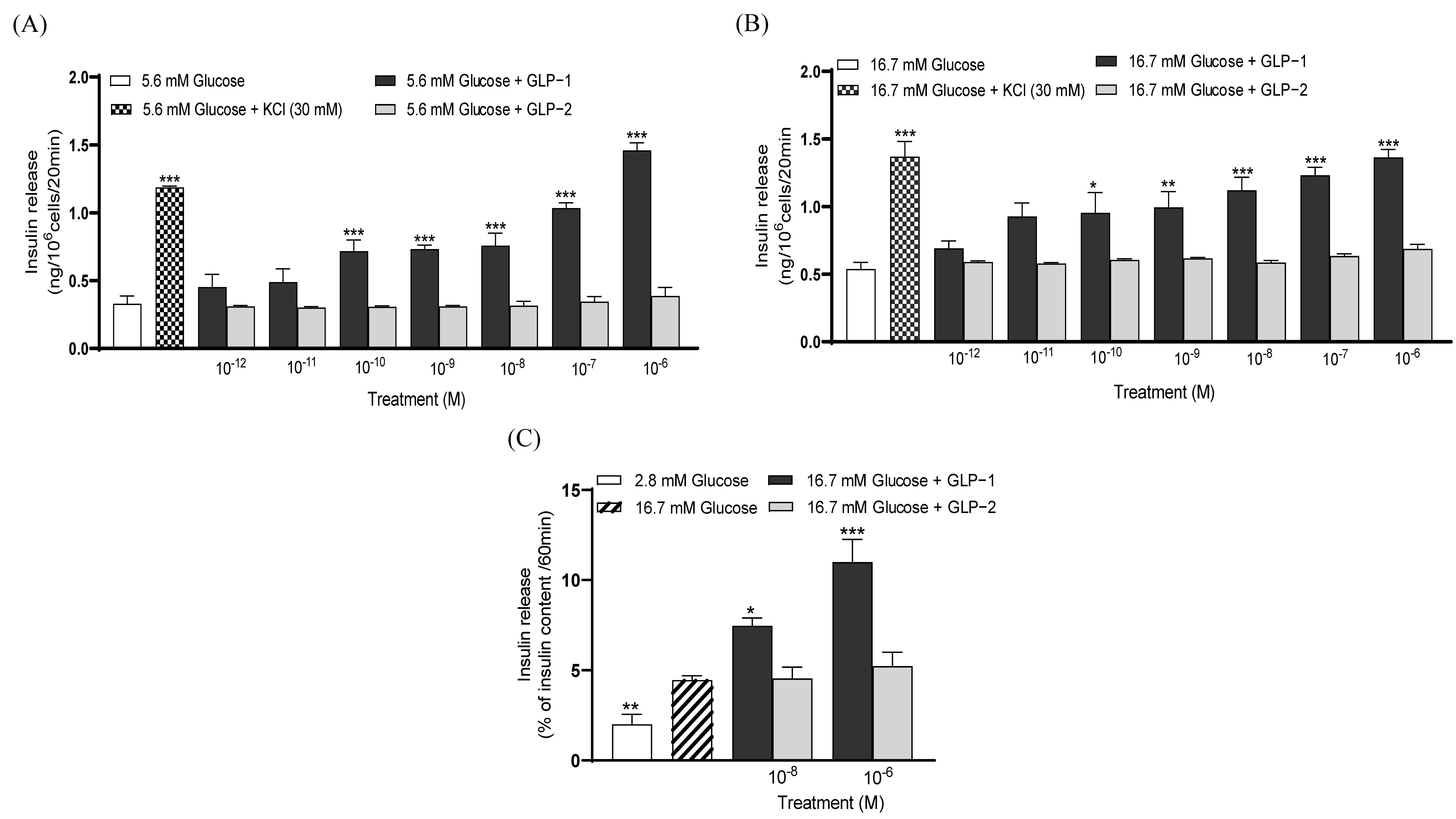
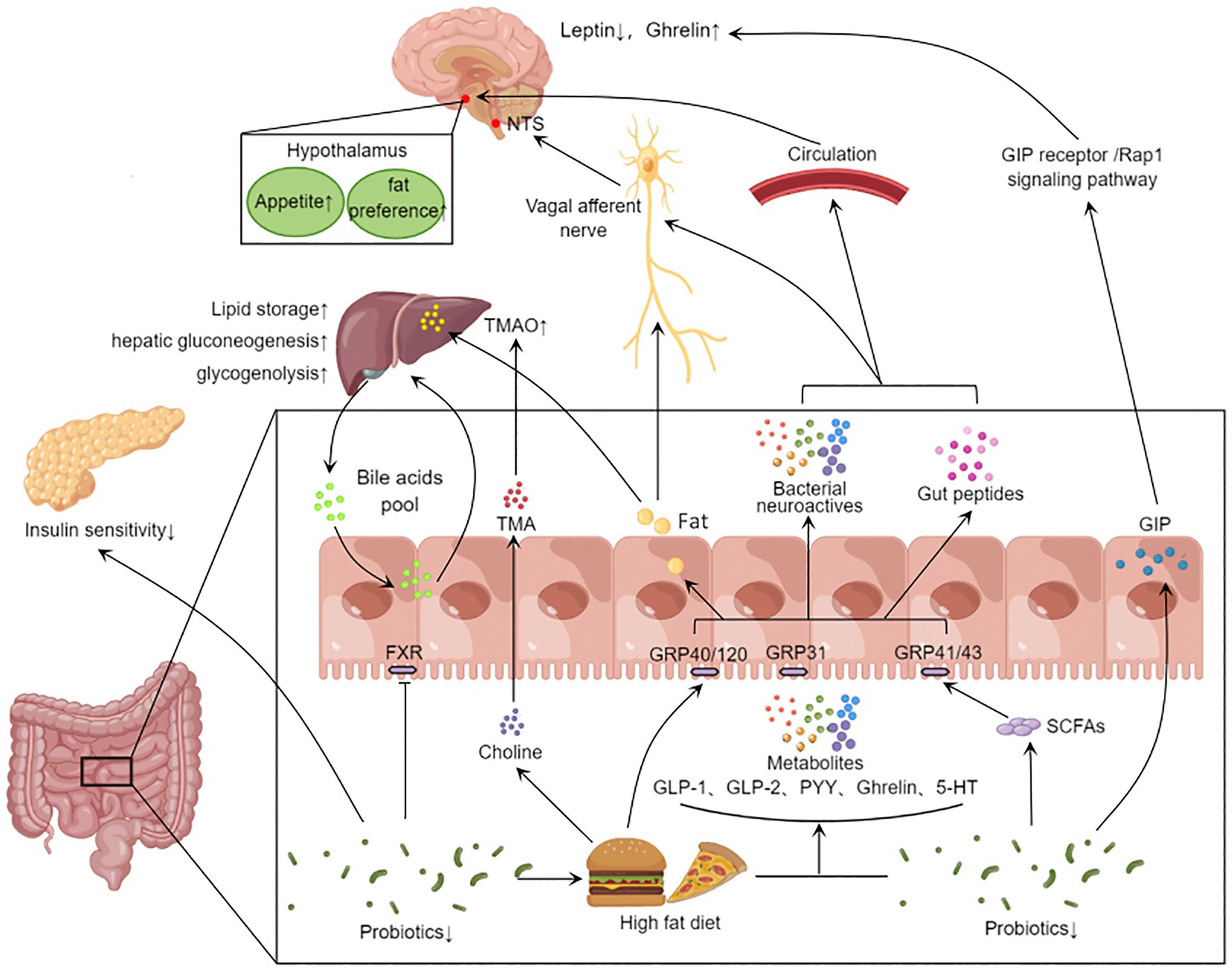
GLP-1 plays a key role in regulating appetite by acting on the brain to reduce food intake. It does this by stimulating the release of satiety hormones, such as cholecystokinin (CCK) and peptide YY (PYY), and by inhibiting the release of appetite-stimulating hormones, such as ghrelin and leptin.
GLP-1 and Glucose Metabolism
GLP-1 has a significant impact on glucose metabolism by promoting glucose uptake in the muscles and inhibiting glucose production in the liver. It also helps to protect pancreatic beta-cell function and maintain insulin secretion in response to rising blood glucose levels.
Implications for Obesity Treatment
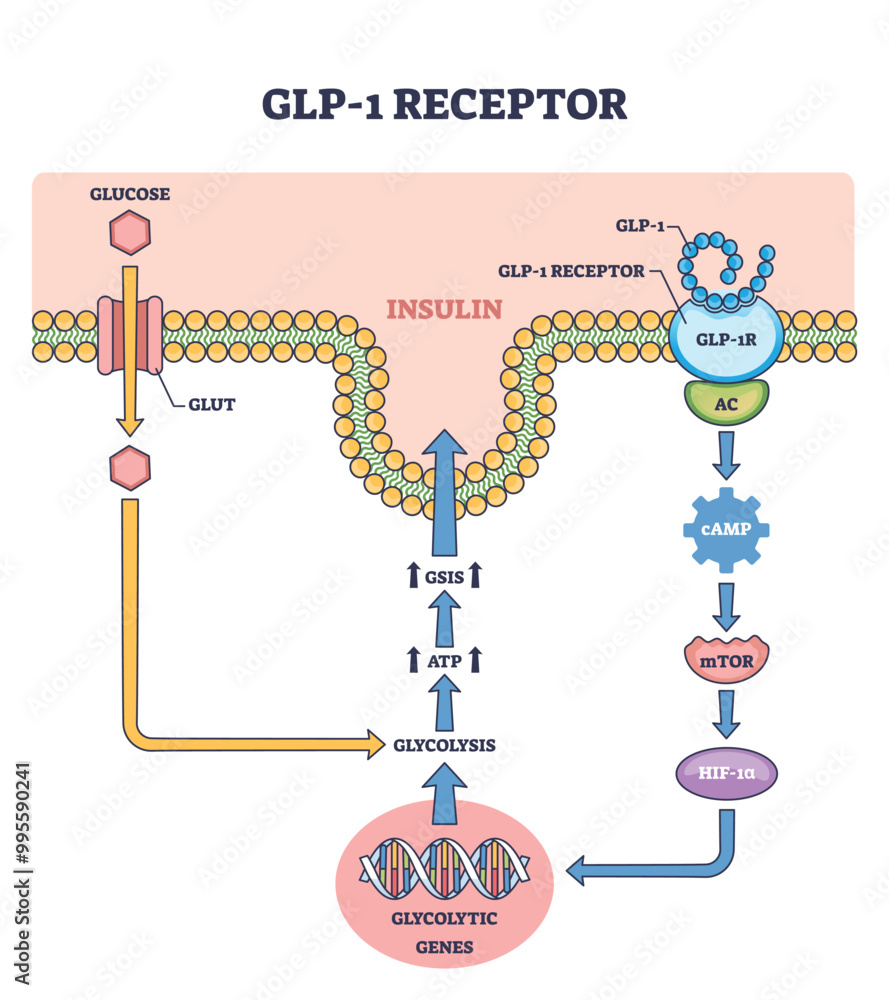
The role of GLP-1 in energy homeostasis and calorie regulation has significant implications for the development of therapeutic treatment options for obesity. GLP-1 receptor agonists, such as liraglutide and semaglutide, have been shown to be effective in reducing body weight and improving glucose metabolism in individuals with obesity and type 2 diabetes.
Conclusion
In conclusion, GLP-1 plays a vital role in regulating energy homeostasis and calorie intake by modulating appetite, glucose metabolism, and insulin secretion. Its implications for obesity treatment are significant, and further research is needed to fully understand its therapeutic potential.
References
- Jun 4, 2025 - In this paper, the authors describe the energy state-dependent regulation of the PVN-GLP-1R to DVC circuit, resulting in altered food intake and metabolic health, mediated by GLP-1 receptor signalling.
- Jun 1, 2025 - This review explores the mechanisms underlying GLP-1 RA-induced weight loss, focusing on central and peripheral pathways.
- Jan 23, 2025 - GLP-1 receptor agonists have become central in managing obesity and type 2 diabetes, primarily through appetite suppression and metabolic regulation.
- Jan 15, 2025 - This review highlights studies which have advanced our understanding of how GLP-1 signaling modulates eating, and identify open questions and future challenges we believe still need to be addressed to aid the prevention and/or treatment of obesity.
Future Research Directions
Future research focusing on both the tissue-specific actions of GLP-1 and its systemic role in energy homeostasis and metabolic regulation will be essential for optimizing its therapeutic potential.
Conclusion
In this article, we have explored the role of GLP-1 in energy homeostasis and calorie regulation, highlighting its implications for obesity treatment. GLP-1 plays a vital role in regulating appetite, glucose metabolism, and insulin secretion, and its therapeutic potential is significant. Further research is needed to fully understand its role in energy homeostasis and calorie regulation and to develop effective treatment options for obesity.