In-Home Therapy Exercises for Improving Posture
Discover effective in-home therapy techniques for posture improvement within the comfort of your own home. Learn exercises, tools, and tips to enhance your posture today.
Why Good Posture Matters
Building and maintaining good posture requires a mix of muscle strength, joint mobility, and overall balance. Good posture can help reduce strain on muscles and ligaments, prevent discomfort, and improve overall health. By incorporating exercises that strengthen the core, back, and shoulder muscles, you can significantly improve your posture and reduce pain.
12 Exercises to Improve Posture
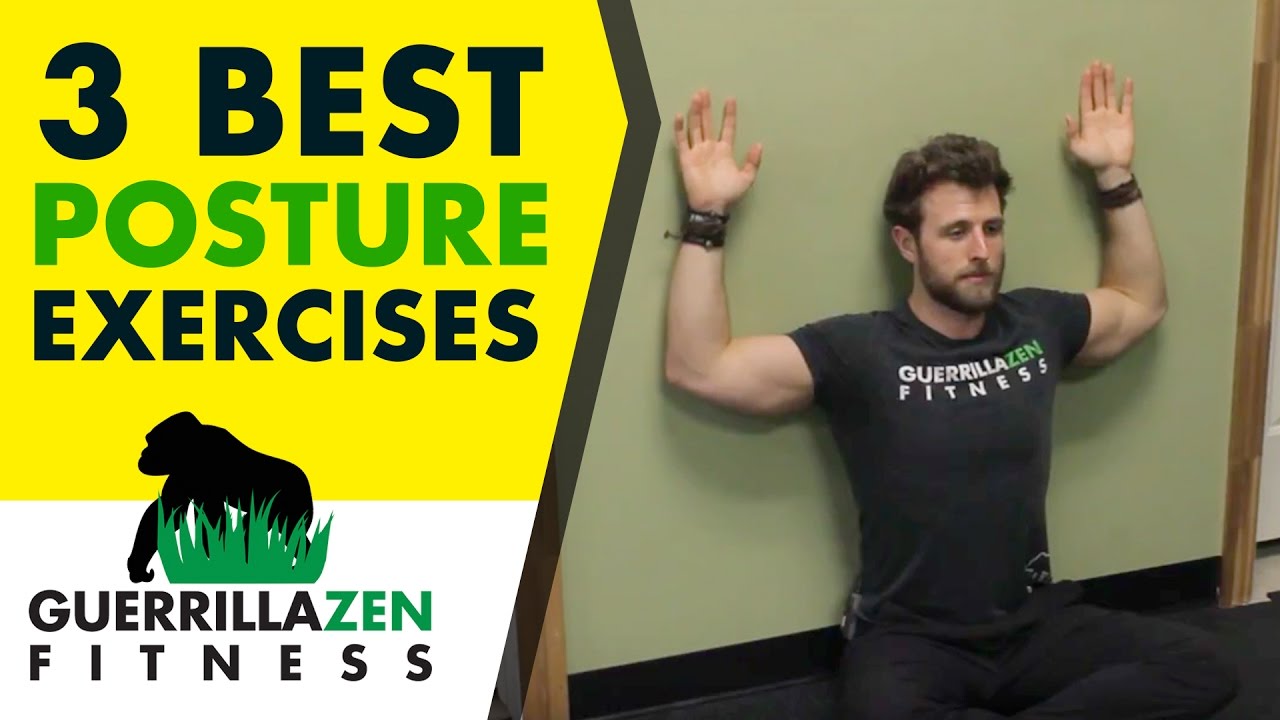
- Wall Angels: Stand with your feet shoulder-width apart and your hands on a wall at shoulder height. Slowly lift your arms up and down, keeping your elbows straight, to stretch your chest and improve your posture.
- Planks: Hold a plank position for 30-60 seconds to engage your core muscles and improve your posture.
- Chest Stretches: Stand in a doorway with your hands on the doorframe at shoulder height. Lean forward until you feel a stretch in your chest and shoulders.
- Yoga Poses: Practice various yoga poses, such as downward-facing dog, warrior, and tree pose, to improve flexibility and balance.
- Shoulder Rolls: Roll your shoulders forward and backward in a circular motion to loosen tight muscles and improve posture.
- Neck Stretch: Slowly tilt your head to the side, bringing your ear towards your shoulder, to stretch your neck and improve posture.
- Cat-Cow Stretch: Start on your hands and knees, arching your back and then rounding it, to stretch your spine and improve flexibility.
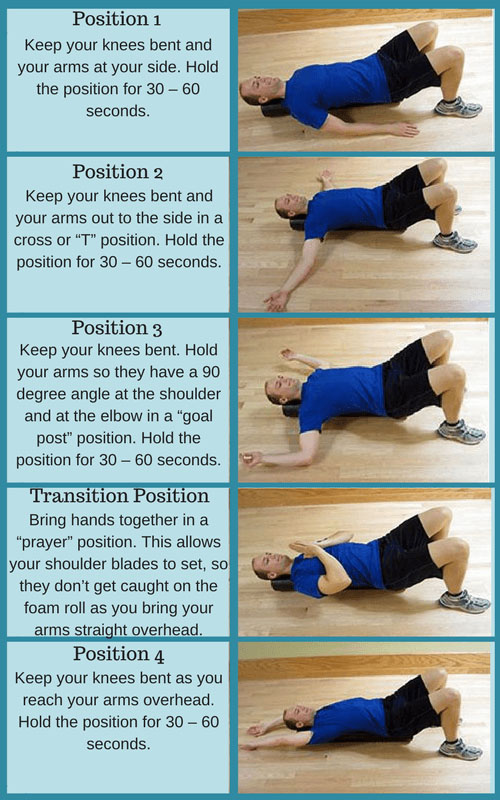
- Bridge: Lie on your back with your knees bent and feet flat on the floor. Slowly lift your hips towards the ceiling, squeezing your glutes and lower back muscles.
- Seated Twist: Sit with your feet on the floor and knees bent. Twist your torso to one side, keeping your feet and hips facing forward.
- Leg Raises: Lie on your back with your arms at your sides. Lift one leg towards the ceiling, keeping it straight, and then lower it back down without touching the floor.
- Shoulder Blade Squeezes: Sit or stand with your arms at your sides. Squeeze your shoulder blades together and hold for a few seconds, releasing and repeating.
- Spinal Extension: Lie on your stomach with your arms extended above your head. Slowly lift your arms, shoulders, and upper back off the floor, keeping your hips and legs relaxed.
Creating a Posture-Friendly Environment at Home
Creating a posture-friendly environment at home can help you maintain good posture and reduce the risk of injury. Here are some tips to get you started:
- Adjust your chair height and desk to promote good posture.
- Use a standing desk or a balance ball to engage your core muscles and improve your posture.
- Take regular breaks to stretch and move around.
- Use a lumbar support or a backrest to maintain good posture while sitting.
- Practice good sleeping posture to reduce strain on your muscles and joints.
Conclusion
Improving your posture takes time and practice, but it's worth it. By incorporating these exercises and tips into your daily routine, you can improve your posture, reduce pain, and enhance your overall health. Remember to be patient and consistent, and don't hesitate to seek professional help if you need it.