Maintaining a Good Septic Tank: The Ultimate Guide
A well-maintained septic tank is essential for ensuring proper sanitation, preventing costly repairs, and protecting the environment. In this comprehensive guide, we will walk you through the essential tasks and tips to maintain a healthy septic tank.
Inspect and Pump Frequently
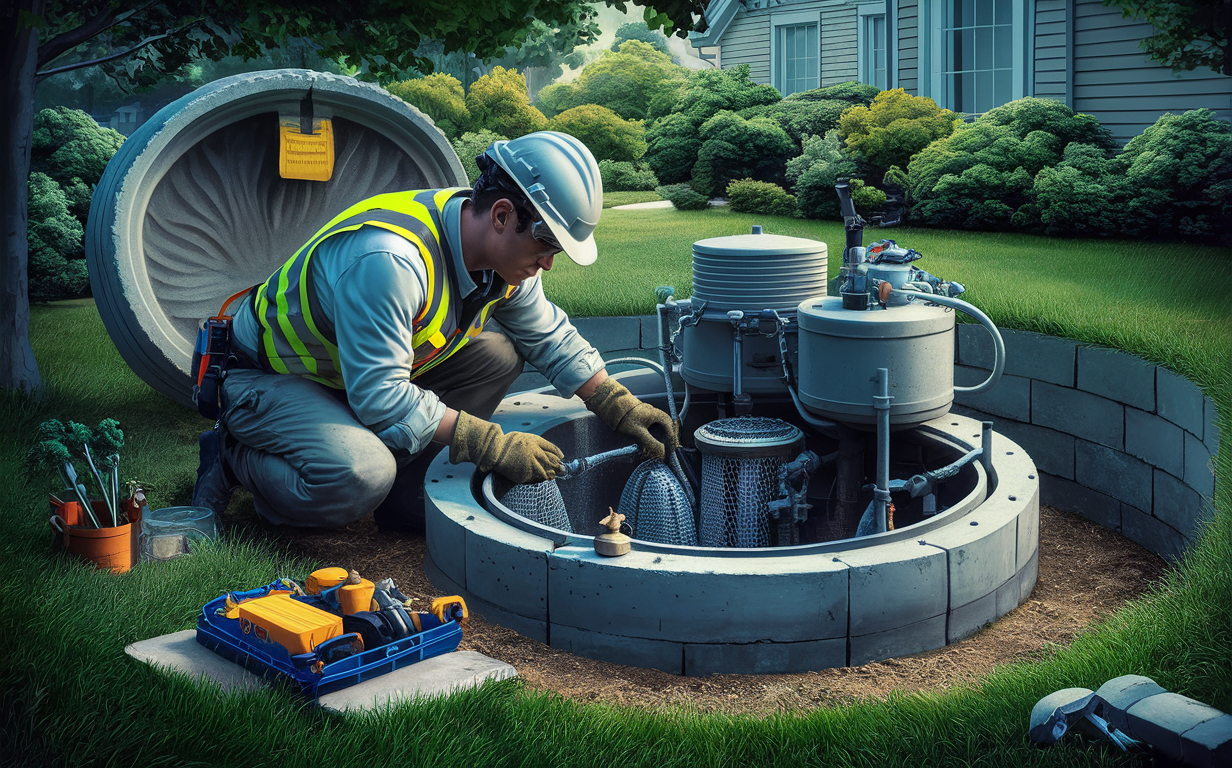
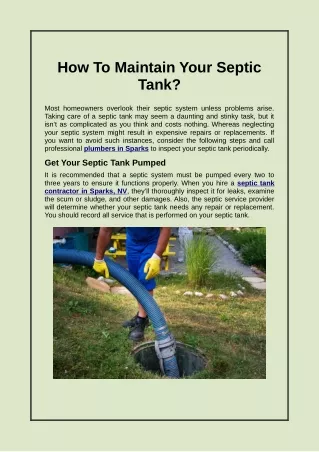
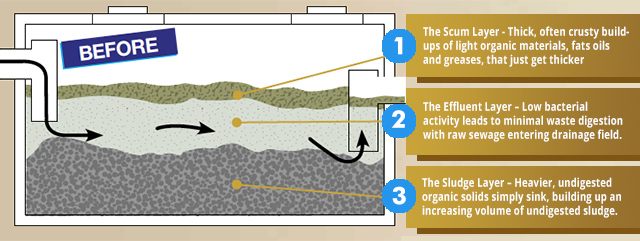
One of the most critical tasks in maintaining a good septic tank is regular inspections and pumping. A septic tank needs to be pumped every 3 to 5 years, depending on the size of the tank and the number of users. During the inspection, check for signs of wear and tear, such as cracks, leaks, or rust. Additionally, inspect the drainfield for any signs of clogging or damage.
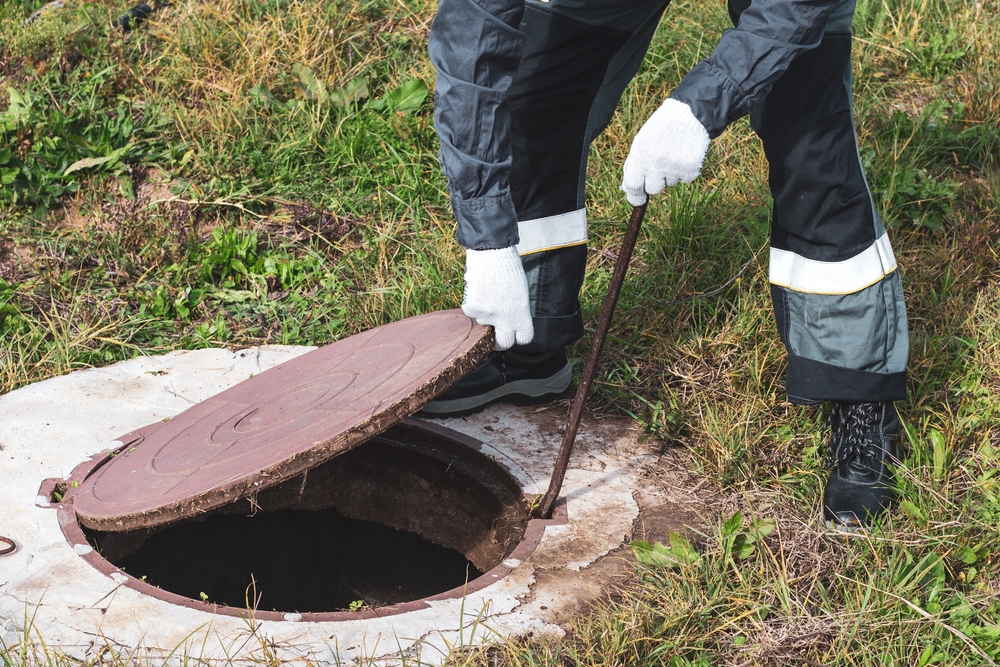
- Check the septic tank lid for any signs of damage or wear.
- Inspect the drainfield for any signs of clogging or damage.
- Pump the septic tank every 3 to 5 years, depending on usage.
Use Water Efficiently
Another crucial aspect of maintaining a good septic tank is using water efficiently. Excess water can put pressure on the septic tank, causing it to overflow or back up. Here are some water-saving tips to help you maintain your septic tank:
- Take shorter showers and turn off the tap while brushing your teeth.
- Fix leaky faucets and toilets to prevent water waste.
- Install low-flow showerheads and toilets.
Properly Dispose of Waste
Properly disposing of waste is essential for maintaining a healthy septic tank. Here are some tips to help you dispose of waste properly:
- Do not flush non-biodegradable items, such as sanitary products, paper towels, or cotton balls.
- Do not dispose of hazardous waste, such as chemicals, paint, or motor oil.
- Flush only human waste, toilet paper, and approved septic-safe products.

Maintain Your Drainfield
The drainfield is a critical component of a septic system, and maintaining it is essential for preventing costly repairs. Here are some tips to help you maintain your drainfield:
- Avoid planting trees or shrubs near the drainfield.
- Avoid driving or parking on the drainfield.
- Keep the drainfield free from debris and vegetation.
Additional Tips for Maintaining a Good Septic Tank
In addition to the above tips, here are some additional tips to help you maintain a good septic tank:
- Keep records of maintenance, inspections, and pumping.
- Have a backup plan in case of emergency.
- Consider installing a septic alarm to alert you of any issues.
Conclusion
Maintaining a good septic tank requires regular inspections, pumping, and proper disposal of waste. By following the tips outlined in this guide, you can ensure that your septic tank remains healthy, efficient, and cost-effective. Remember, maintaining a good septic tank is crucial for protecting the environment, preventing costly repairs, and ensuring proper sanitation.
So, stay on top of septic maintenance with these essential tasks and tips. By doing so, you'll be able to enjoy a healthy, efficient, and reliable septic system for years to come.