Managing Cultural Differences in Remote Teams: A Guide to Success
As the world becomes increasingly interconnected, managing cultural differences in remote teams has become a crucial aspect of business success. With more than 60% of virtual teams having members from three or more cultures, navigating cultural diversity has never been more important. In this article, we'll explore effective strategies for managing cultural differences in remote teams, from onboarding to celebrating diversity, and uncover the key takeaways for fostering strong cross-cultural communication.
The Challenges of Managing Cultural Differences
Managing cultural differences in remote teams can be tricky, and it's not just about being "culturally aware." When teams don't share assumptions about communication, hierarchy, or deadlines, they spend more time decoding each other than doing the work. The cost isn't abstract—it's rework, delayed launches, and decisions that drag because no one understands each other's perspectives. This is why effective cross-cultural communication is essential for maintaining clarity and respect in remote teams.
Key Strategies for Managing Cultural Differences
- Understand and appreciate cultural differences: Recognize that cultural differences are not weaknesses, but strengths that can bring diversity and innovation to your team.
- Communicate effectively: Use clear and simple language, avoid assumptions, and be open to feedback and clarification.
- Build trust: Foster a culture of trust by being transparent, reliable, and respectful of individual differences.
- Leverage technology: Use digital tools to facilitate communication, collaboration, and feedback across different time zones and cultures.
- Provide cross-cultural training: Offer training and development programs that help team members understand diverse communication and decision-making styles.
- Set universal values and expectations: Establish clear expectations around work hours, communication styles, and decision-making processes to avoid confusion and misunderstandings.
The Benefits of Managing Cultural Differences
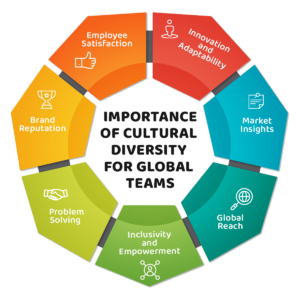
By managing cultural differences in remote teams, you can unlock your team's full potential and reap the benefits of diversity, including:

- Innovation: Diverse teams bring different perspectives and ideas, leading to increased innovation and problem-solving capabilities.
- Improved communication: Effective cross-cultural communication leads to better understanding and reduced misunderstandings.
- Increased productivity: By leveraging the strengths of individual team members, you can increase productivity and efficiency.
- Enhanced reputation: Companies that value diversity and inclusion are more attractive to customers, employees, and partners.
Best Practices for Global Team Management
To manage cultural differences in remote teams effectively, follow these best practices:
- Create a global work environment: Establish a culture that values diversity and inclusion, and provides opportunities for team members to share their perspectives and ideas.
- Set clear expectations: Communicate clearly about work hours, communication styles, and decision-making processes to avoid confusion and misunderstandings.
- Provide regular feedback: Offer regular feedback and coaching to help team members understand and improve their communication and collaboration skills.
- Encourage open communication: Foster an environment where team members feel comfortable sharing their ideas, concerns, and feedback.
Conclusion
Managing cultural differences in remote teams is a complex challenge, but it's also an opportunity to unlock your team's full potential and reap the benefits of diversity. By understanding and appreciating cultural differences, communicating effectively, building trust, leveraging technology, and providing cross-cultural training, you can create a global work environment that values diversity and inclusion. Remember, effective cross-cultural communication is essential for maintaining clarity and respect in remote teams, and it's a key takeaway for fostering strong cross-cultural communication.