Service Level Agreements for Virtual Offices: What You Need to Know
With the rise of remote work and virtual offices, businesses are looking for ways to ensure that their service providers meet their expectations. One way to do this is through Service Level Agreements (SLAs) for virtual offices. In this article, we'll explore what SLAs are, why they're important, and how to create one that works for your business.
What is a Service Level Agreement?
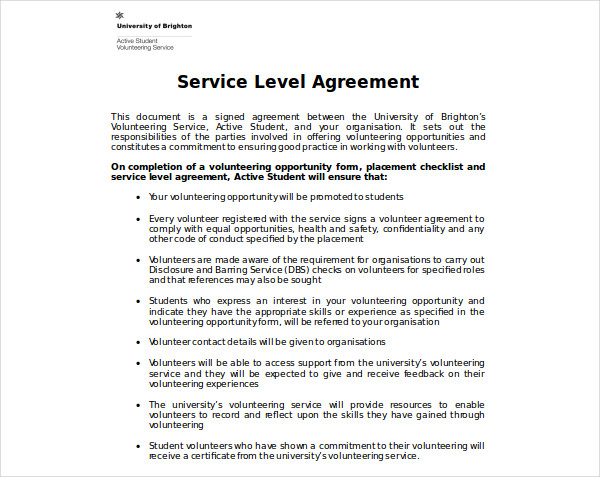
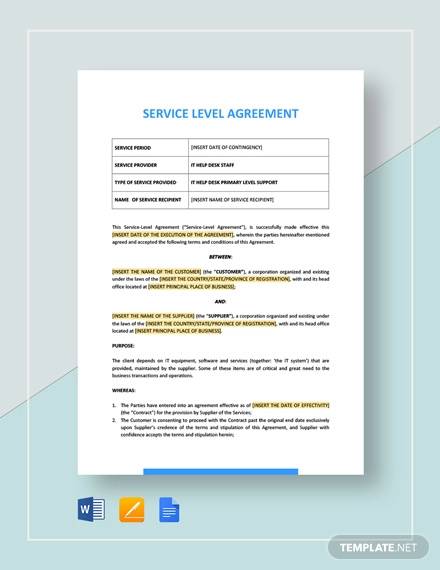
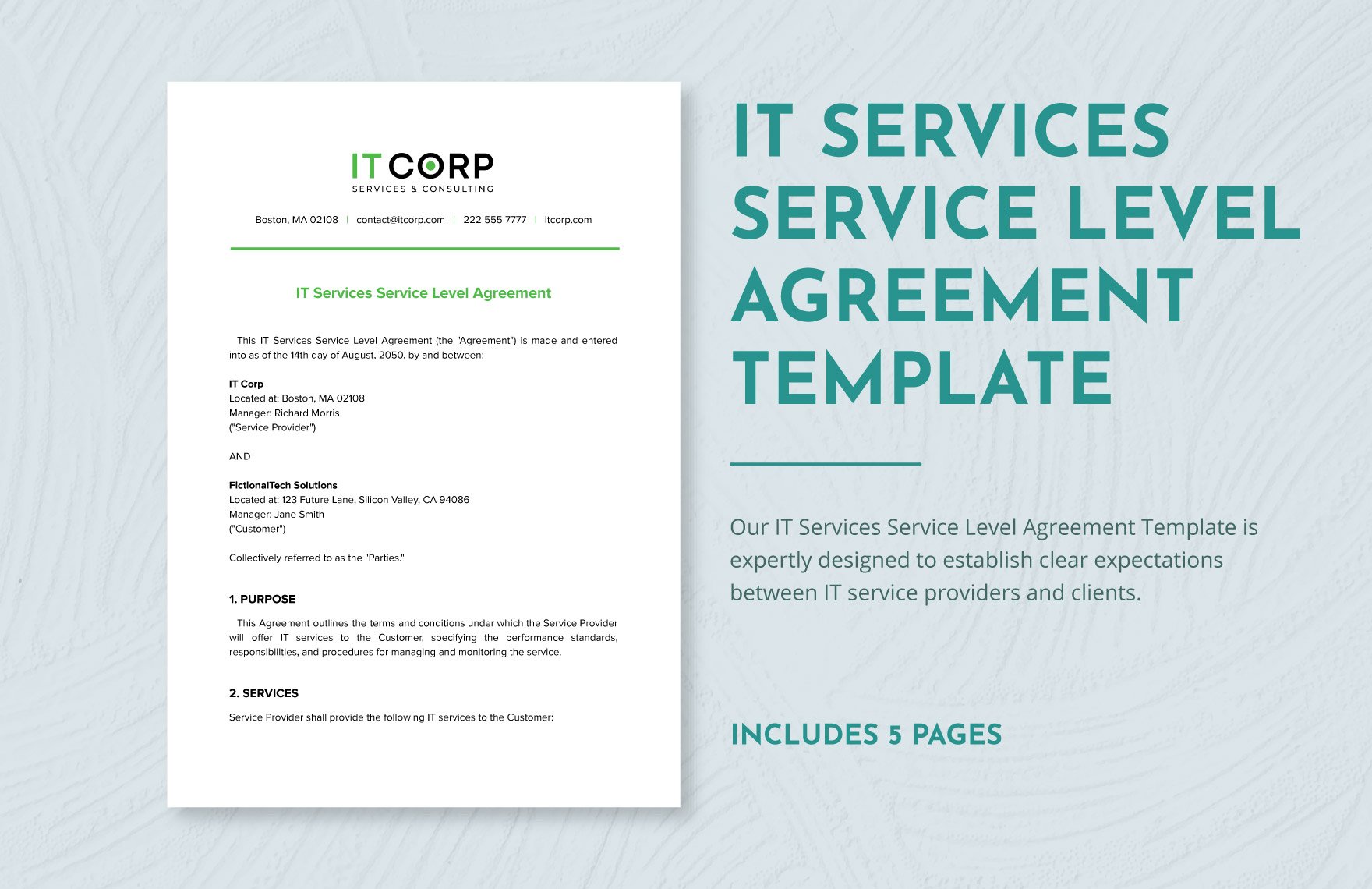
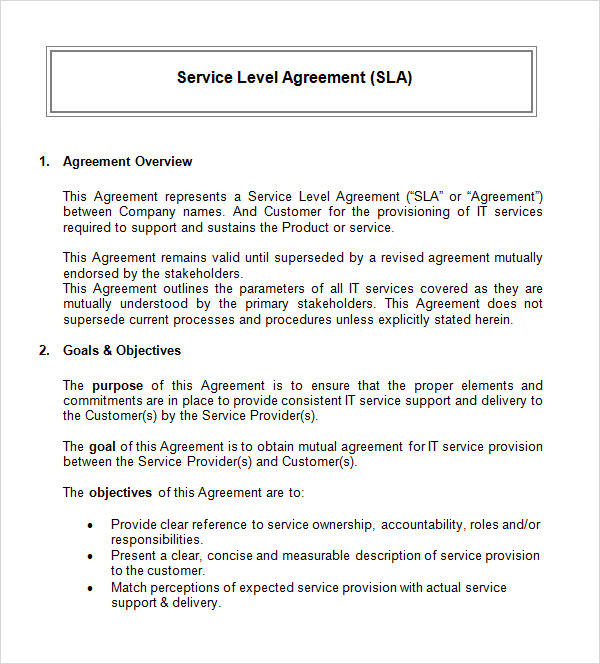
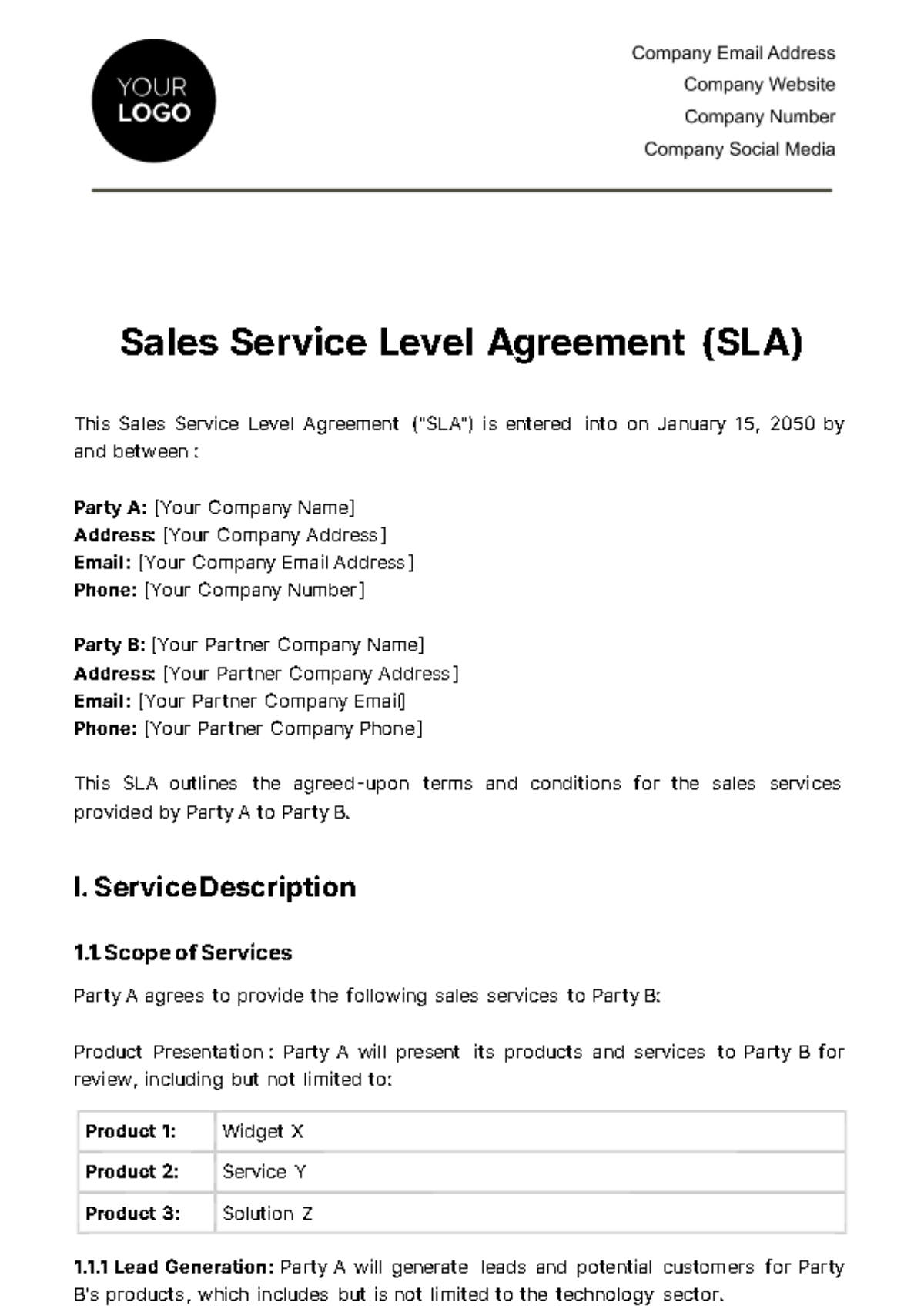
A Service Level Agreement is a contract between a service provider and a client that outlines the levels of service that the provider will deliver. It's essential in setting clear expectations and ensuring that both parties understand their roles and responsibilities. SLAs are commonly used in business-to-business (B2B) relationships, particularly in industries like tech and finance.
Why SLAs are Important for Virtual Offices
Virtual offices provide a range of services, including mailing addresses, call answering, and meeting rooms. These services can be critical to a business's operations, and it's essential to ensure that they meet certain standards. SLAs help to guarantee that virtual office providers meet their commitments, including:
- Uptime and connectivity
- Response and resolution times
- Service availability and reliability
- Security and data protection
Types of Service Level Agreements
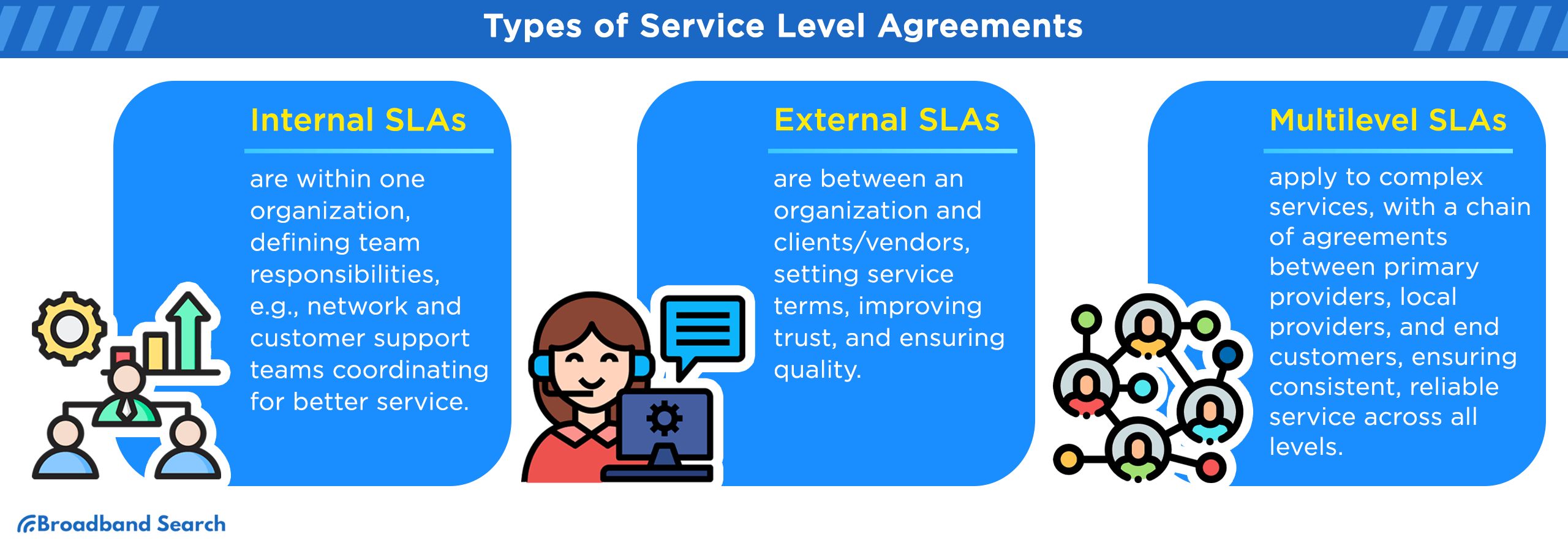
There are several types of SLAs, including:
- Internal Service Level Agreements (ISLAs): These agreements are between internal departments or teams within an organization.
- External Service Level Agreements (ESLAs): These agreements are between a business and an external service provider.
- Enterprise Service Level Agreements (ESLAs): These agreements are designed for large enterprises with complex service requirements.
Key Components of a Service Level Agreement
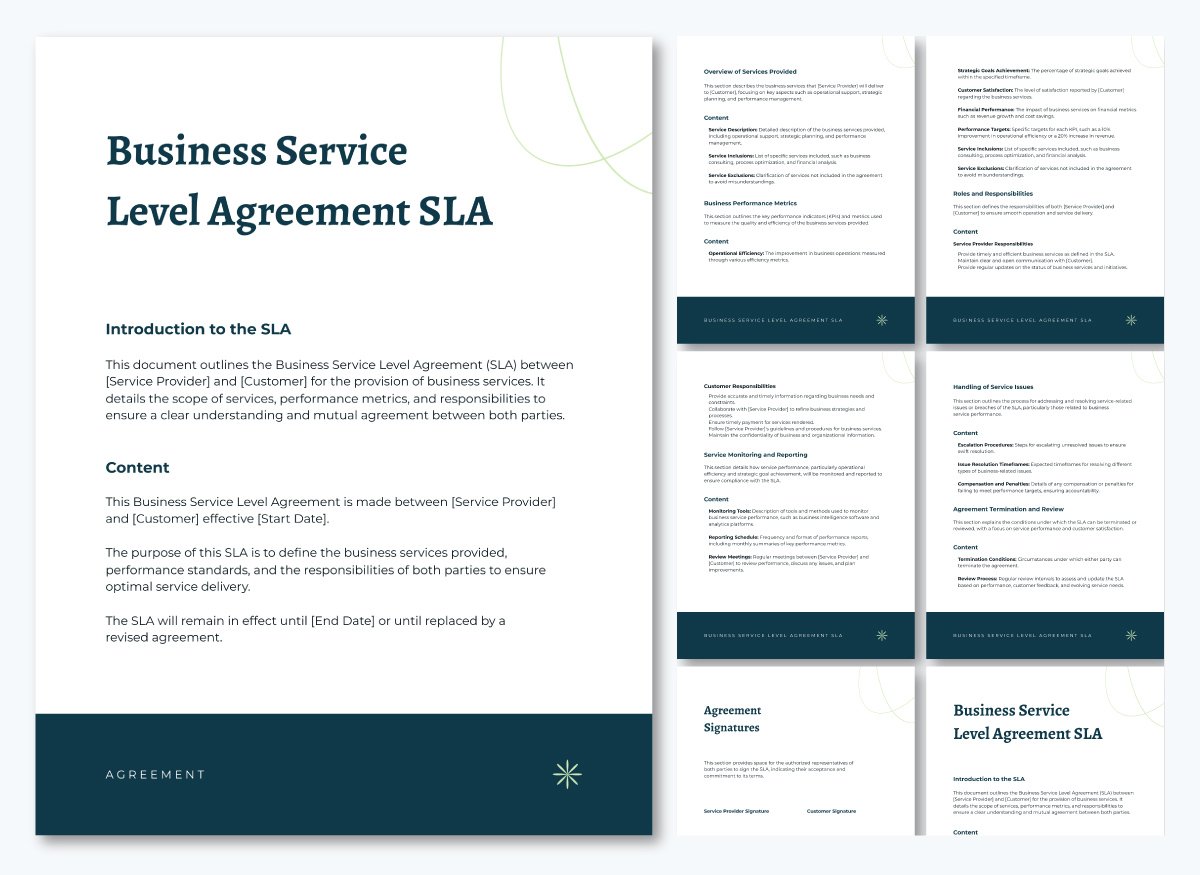
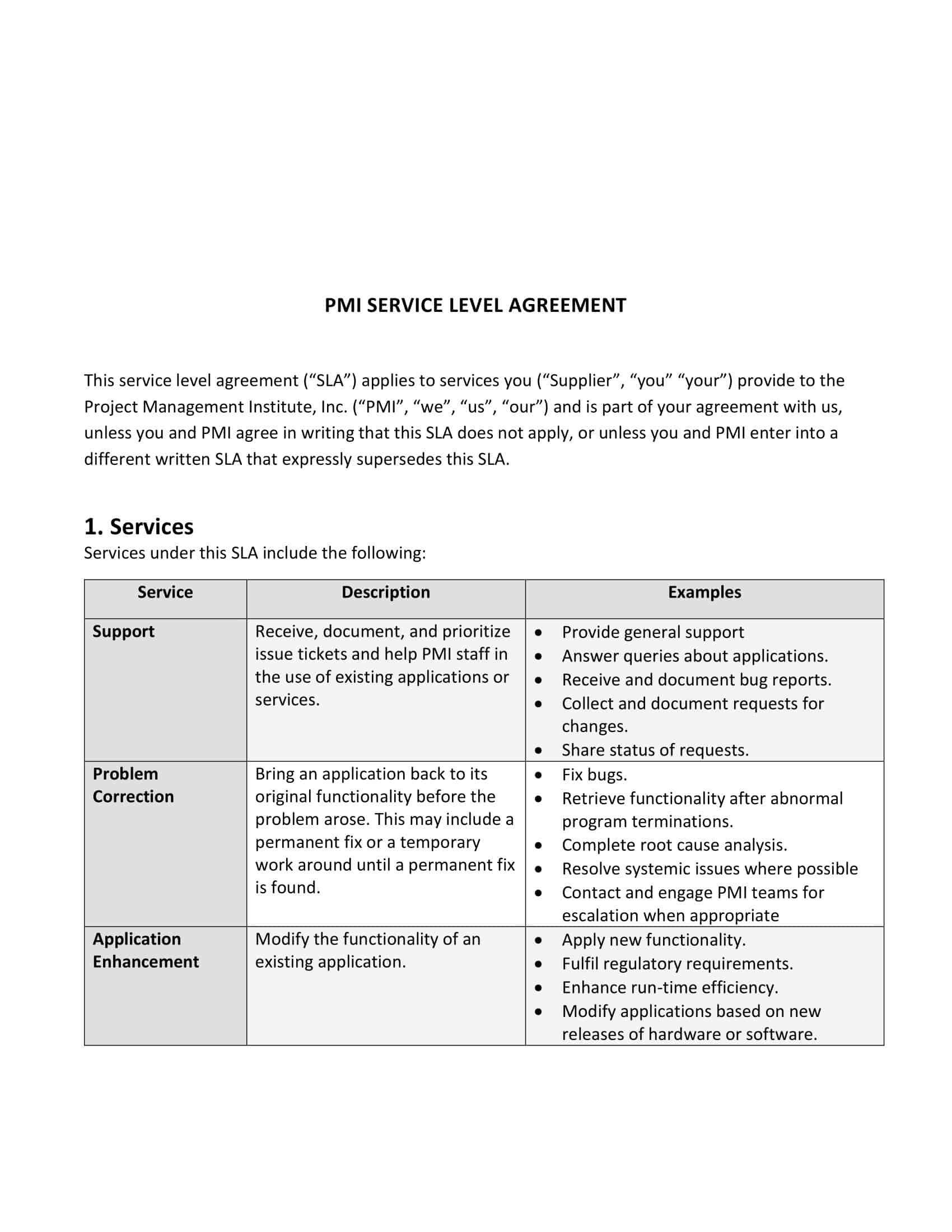
A well-crafted SLA includes the following key components:
- Service scope: This outlines the specific services included in the agreement.
- Service level targets: This specifies the expected levels of service, including uptime, response times, and resolution times.
- Metrics and metrics thresholds: This outlines the metrics used to measure service performance and the thresholds for meeting those metrics.
- Remediation procedures: This outlines the procedures for addressing service breaches and ensuring that the service provider meets their obligations.
- Timetables and deadlines: This outlines the timelines for service delivery, including milestones and deadlines.
- Termination clauses: This outlines the circumstances under which the agreement can be terminated.
Benefits of Service Level Agreements for Virtual Offices
SLAs for virtual offices provide numerous benefits, including:
- Improved service quality: By setting clear expectations, SLAs ensure that service providers meet their obligations and deliver high-quality services.
- Enhanced customer satisfaction: By guaranteeing service performance, SLAs help to improve customer satisfaction and retention.
- Reduced risk: By outlining the terms of the agreement, SLAs reduce the risk of confusion or miscommunication between the service provider and client.
- Increased transparency: SLAs provide a clear understanding of the services provided, the service level targets, and the metrics used to measure service performance.
Conclusion
In conclusion, Service Level Agreements for virtual offices are essential for ensuring that service providers meet their commitments. By setting clear expectations and outlining the terms of the agreement, SLAs help to improve service quality, enhance customer satisfaction, reduce risk, and increase transparency. By understanding the key components of a well-crafted SLA, businesses can create a document that works for their organization and helps to establish a trustworthy relationship with their service provider.