Solar Panel Installation on RVs: A Comprehensive Guide
Are you considering installing solar panels on your RV? If so, you're taking a significant step towards achieving energy independence and reducing your reliance on noisy generators. Solar panels offer a clean, quiet, and cost-effective way to power your RV appliances, and with the right installation, you can enjoy true off-grid freedom on the road.
Understanding RV Solar Systems
Before we dive into the installation process, let's first understand the basics of an RV solar system. A typical RV solar system consists of three main components:
-
Solar Panels: These convert sunlight into electrical energy, which is stored in the battery.
-
Battery: This stores the energy generated by the solar panels for later use.
-
Charge Controller and Inverter: These components regulate the flow of energy from the battery to the RV's electrical system, converting DC power to AC power.
Choosing the Right Solar Panels
When it comes to installing solar panels on your RV, it's essential to choose the right panels for your needs. Consider the following factors:
-
Power Output: Calculate your energy needs and choose panels that can meet your requirements. A 100-200 watt monocrystalline panel is a good starting point for most RVers.
-
Roof Space:** Consider the size and weight of the solar panels, as well as the space available on your RV's roof.
-
Budget:** Determine your budget and choose panels that fit within it.
-
Durability:** Look for panels with a high efficiency rating and durable construction to withstand rough weather conditions.
Mounting Solar Panels on Your RV

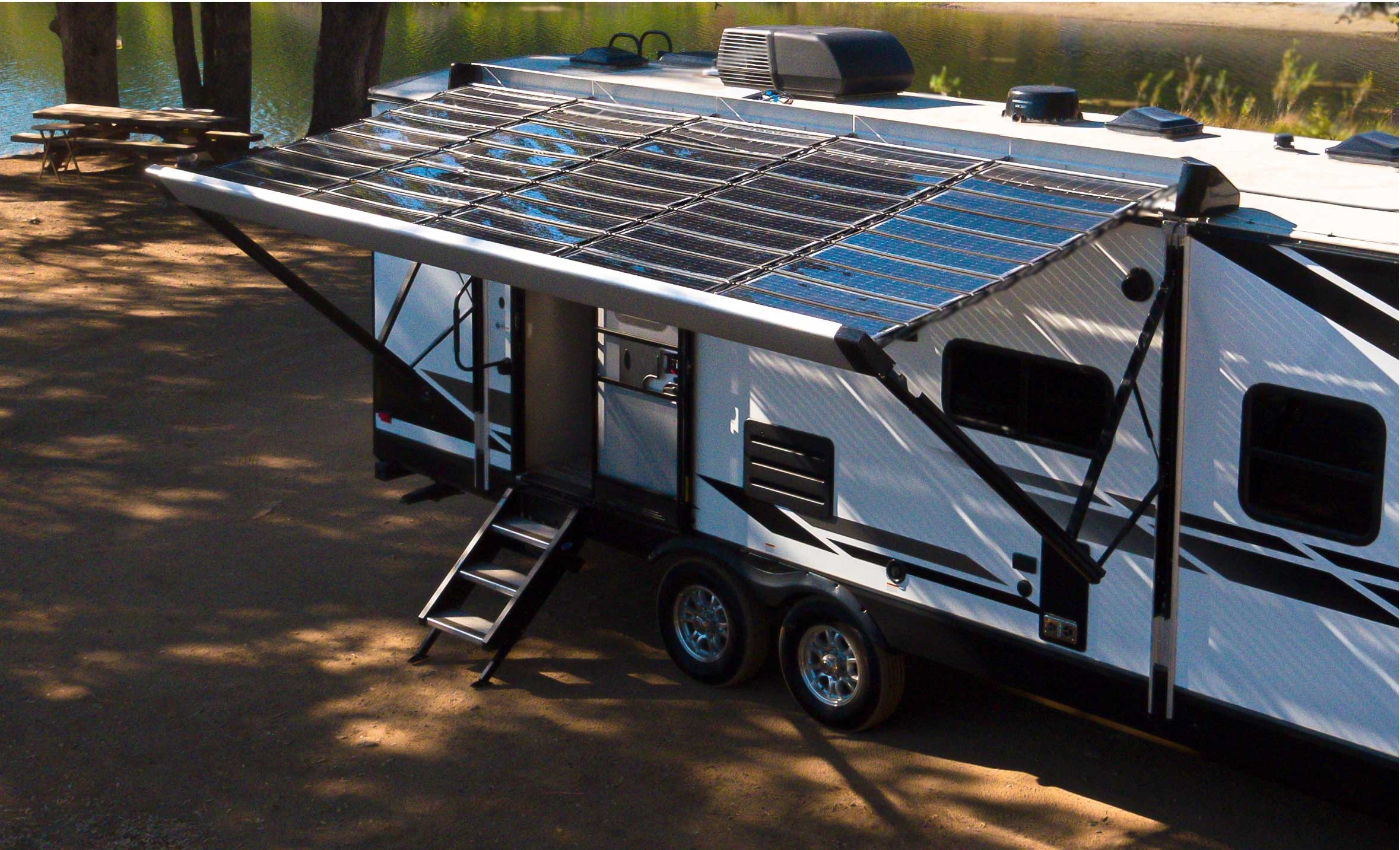
Once you've chosen the right solar panels, it's time to mount them on your RV's roof. You can use either standard or flexible panel placements, depending on your needs and preferences:
-
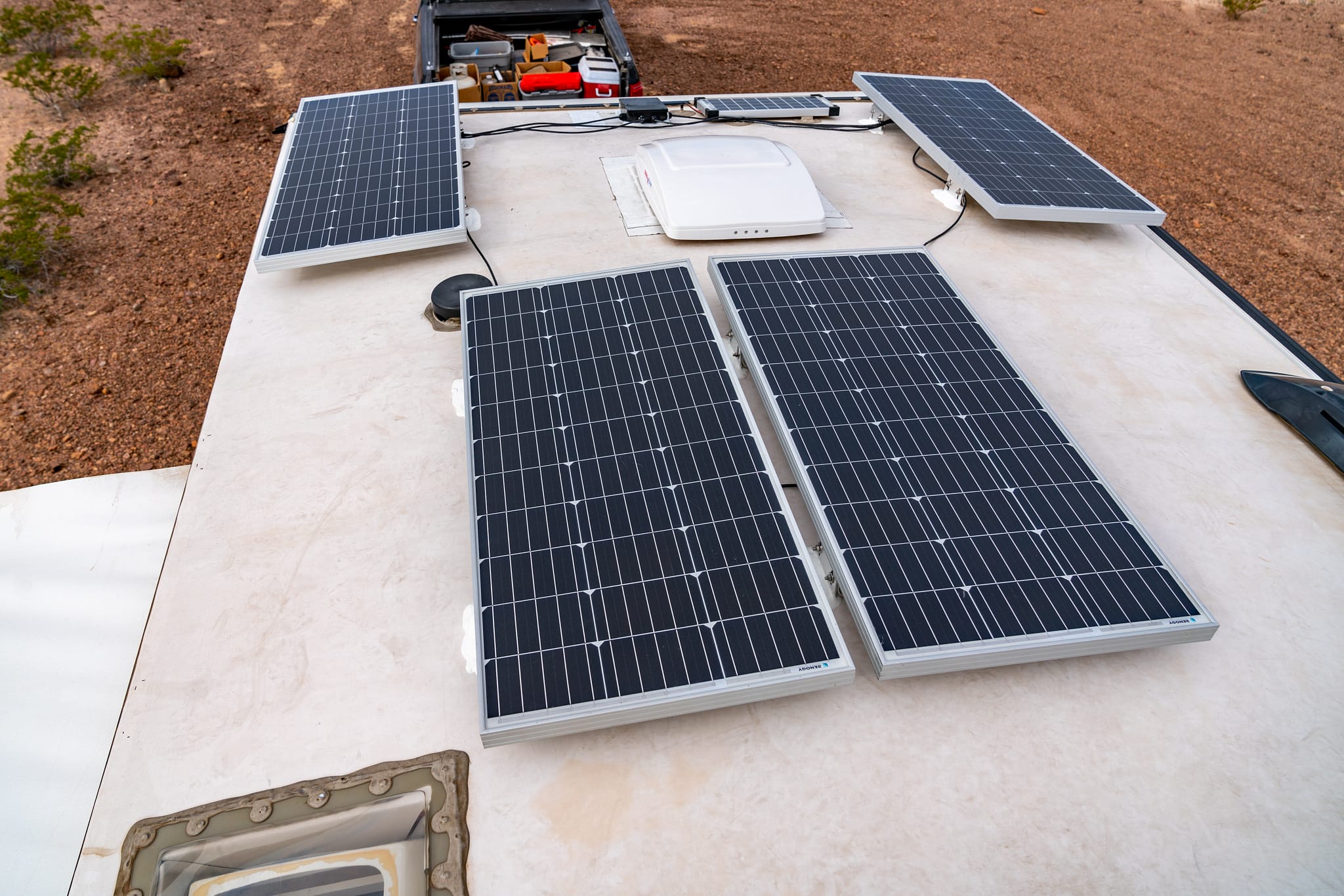
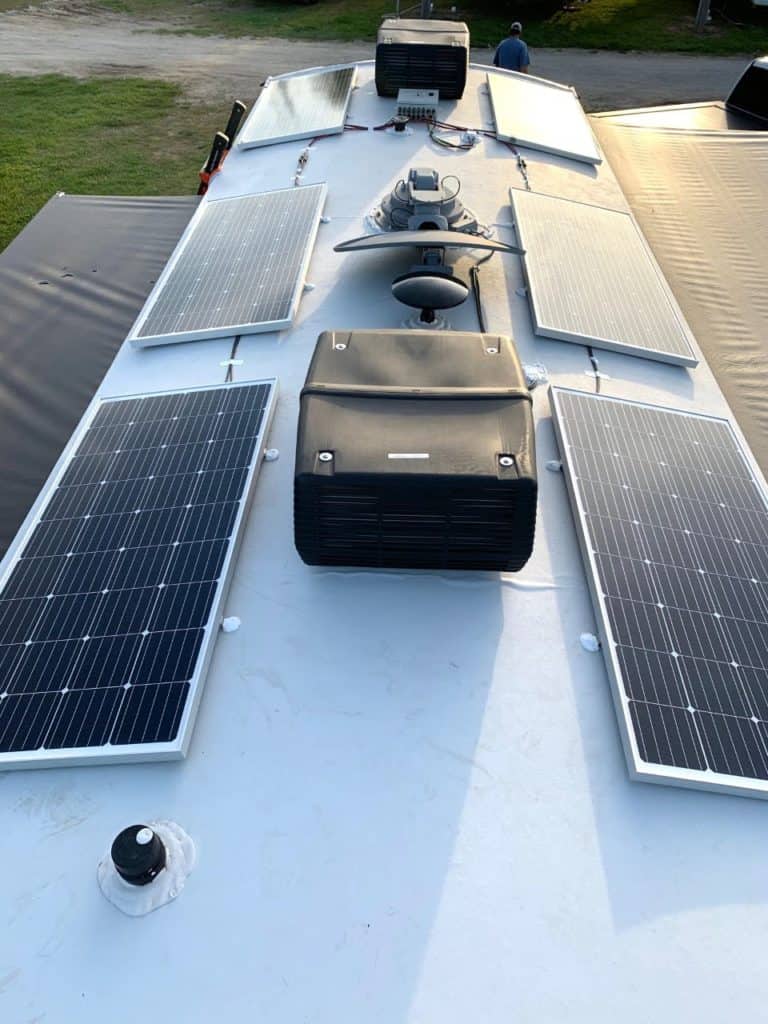
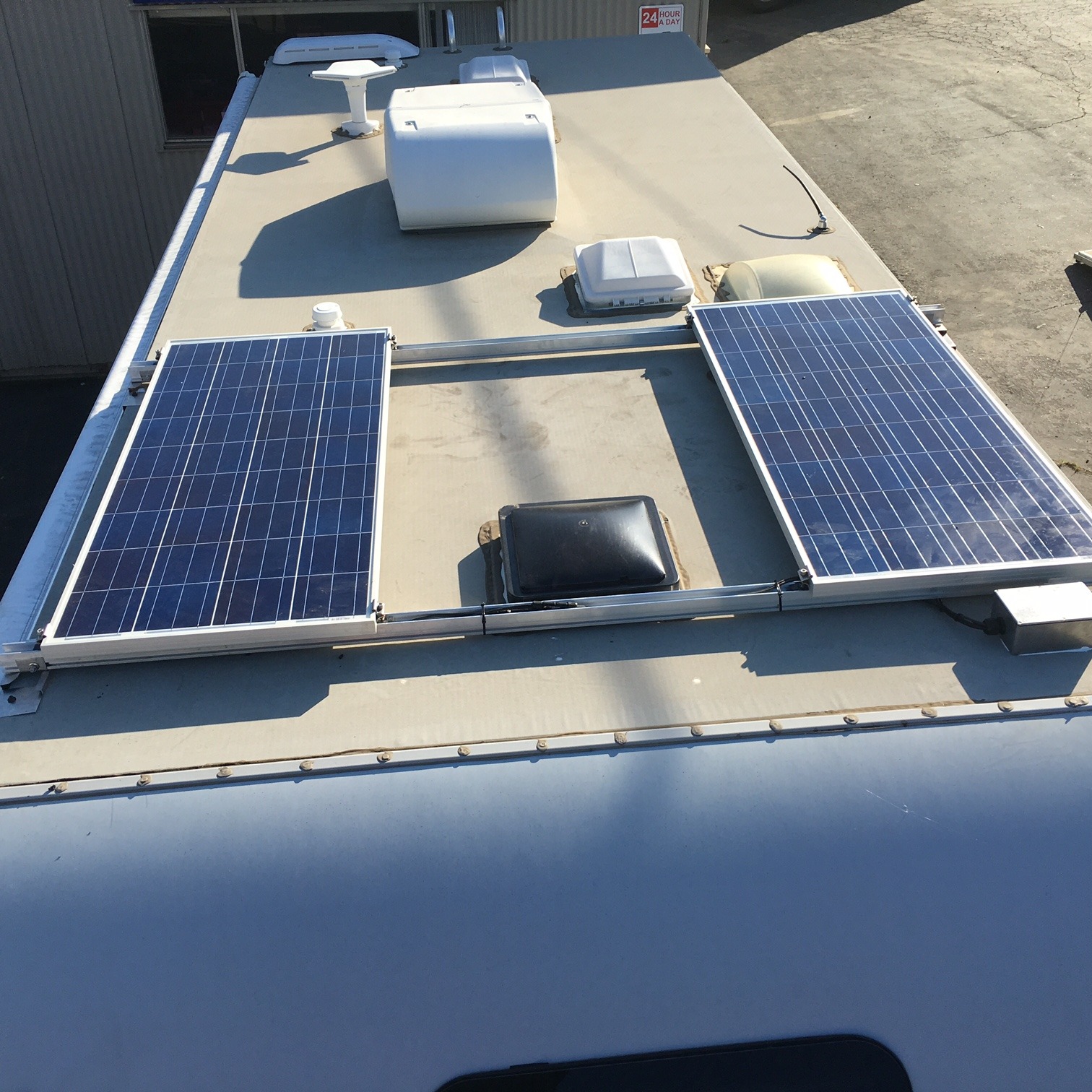
**Standard Panels:** Mount panels using a rigid frame, which provides a more stable and secure installation. However, this may limit your roof space and may require additional hardware.
-
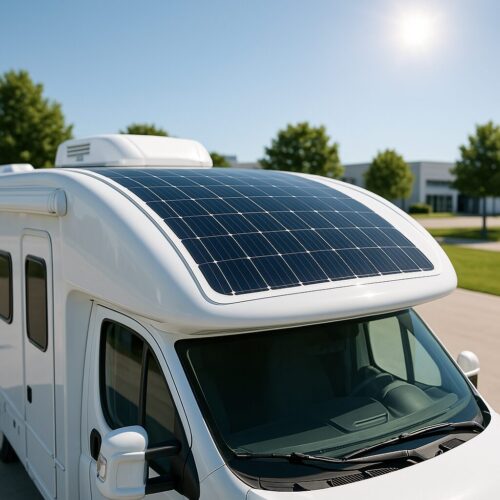
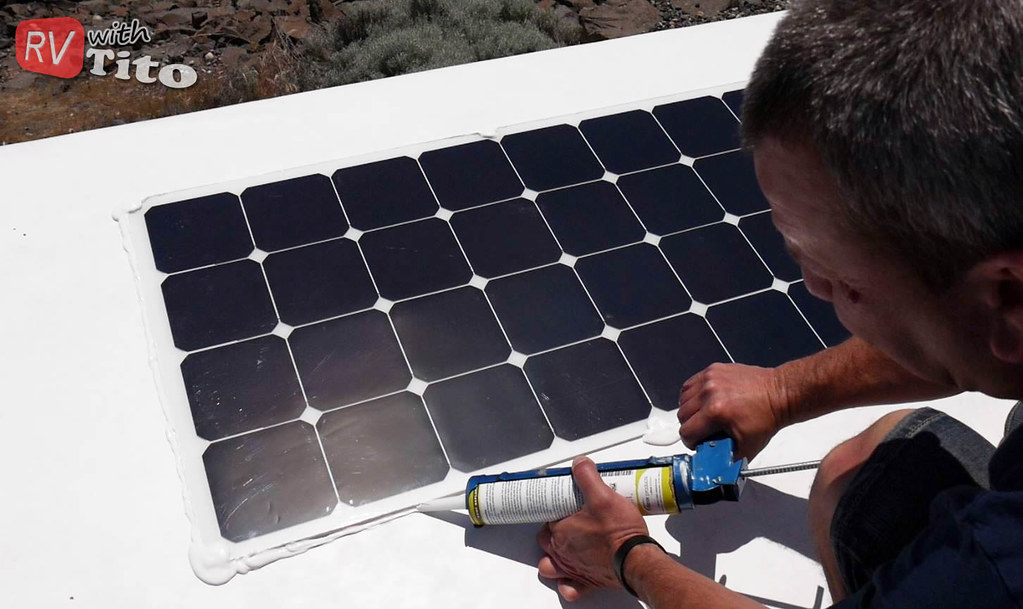
**Flexible Panels:** Use a flexible panel design that can be rolled up and secured with adhesives, providing a lightweight and flexible installation. However, flexible panels may have lower power output and may be more prone to damage.
Installing Solar Panels on Your RV Roof
Installing solar panels on your RV roof is a straightforward process, but it requires some technical knowledge and attention to safety:
-
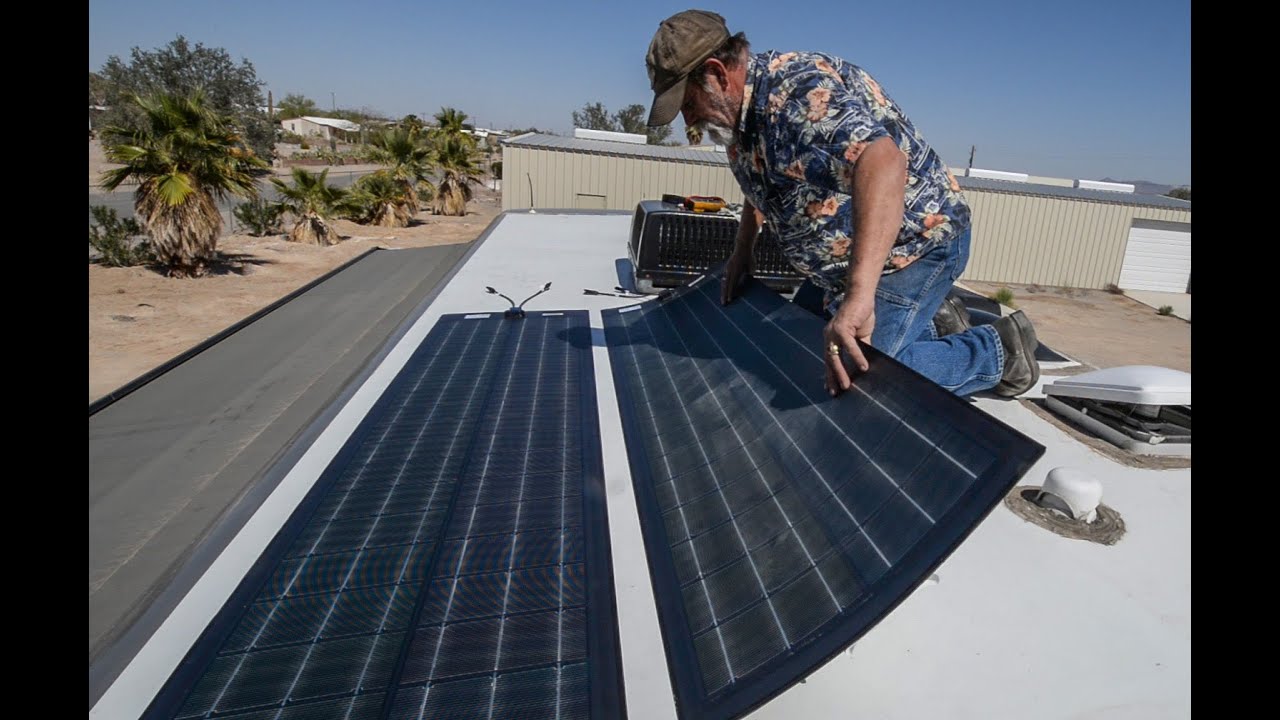
**Plan the Installation:** Determine the best location for the panels, considering factors like sunlight exposure, roof space, and electrical connections.
-
**Secure the Panels:** Use the chosen mounting system and secure the panels firmly to the roof, ensuring a safe and stable installation.
-
**Connect the PV System:** Connect the solar panels to the charge controller, battery, and inverter, following the manufacturer's instructions and local electrical codes.
-
**Test and Monitor:** Test the system to ensure it's functioning correctly, and monitor the energy production to optimize performance.
Conclusion
Installing solar panels on your RV is a significant step towards energy independence and reducing your carbon footprint. By choosing the right panels, mounting them safely and securely, and connecting the system correctly, you can enjoy the benefits of off-grid power. With this comprehensive guide, you're well on your way to harnessing the power of the sun and exploring the world in harmony with nature. Happy travels!