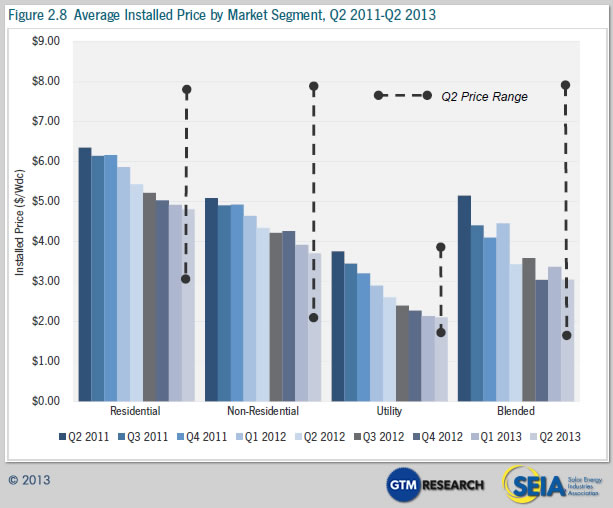
Solar Panel System Cost Structure: A Comprehensive Guide
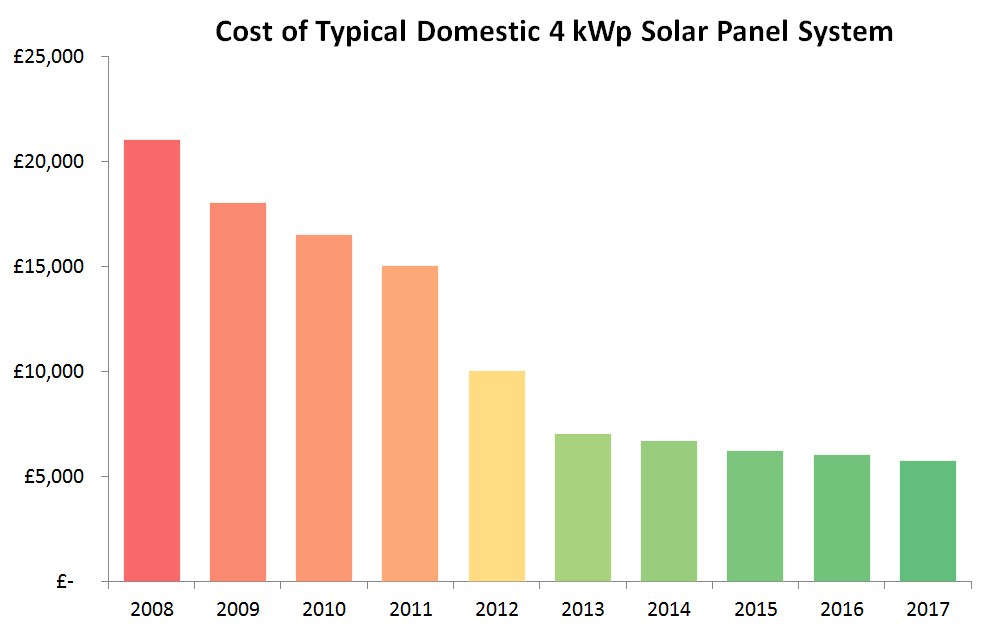
The cost of a solar panel system is a crucial factor to consider when investing in renewable energy. With the rising demand for solar power, the solar industry has grown significantly, leading to a decrease in the cost of solar panels. However, the total cost of a solar panel system includes more than just the cost of the panels themselves.
Components of a Solar Panel System
- Solar Panels: The cost of solar panels is determined by the type and quality of the panels. Premium monocrystalline solar panels typically cost between $0.30 and $0.50 per Watt, while less efficient polycrystalline panels are cheaper at $0.25 per Watt.
- Inverters: Inverters convert DC power from the solar panels to AC power for household use. The cost of inverters ranges from $0.15 to $0.30 per Watt.
- Mounting Structure: The mounting structure holds the solar panels in place and can cost between $0.10 and $0.20 per Watt.
- Balance of System (BOS) Components: BOS components include items such as wiring, connectors, and monitoring systems. The cost of BOS components ranges from $0.05 to $0.10 per Watt.
- Battery Storage: Battery storage systems allow homeowners to store excess energy generated by the solar panels for use during power outages or at night. The cost of battery storage systems can range from $0.50 to $1.50 per Watt.
Factors Affecting the Cost of a Solar Panel System
The cost of a solar panel system is influenced by several factors, including:
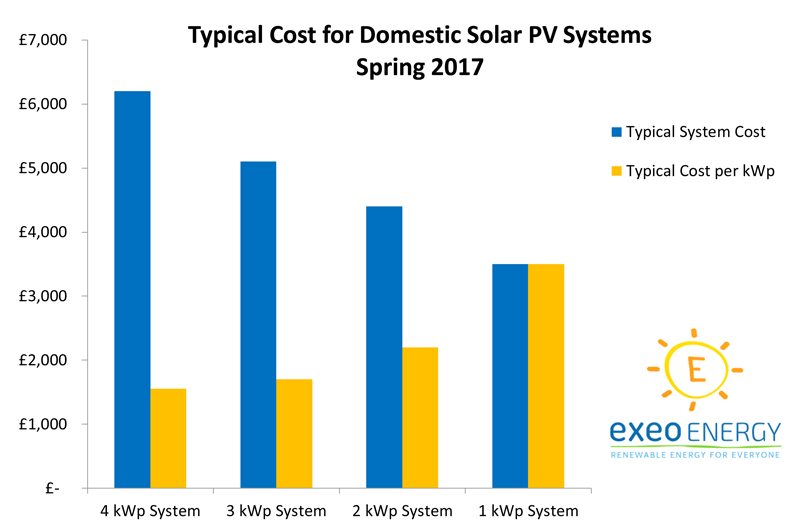
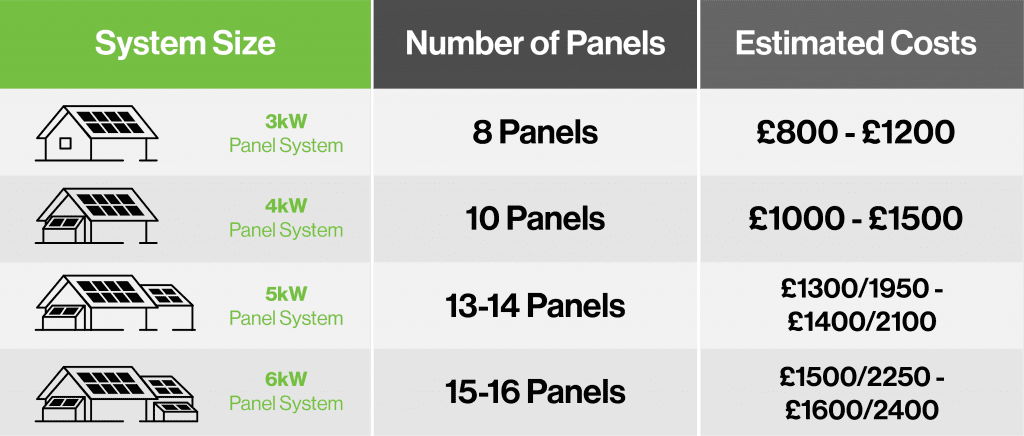
- System Size: Larger systems require more solar panels, inverters, and mounting structures, increasing the total cost.
- Roof Structure: The condition and type of roofing material can affect the cost of installation and the overall cost of the system.
- Equipment Quality: High-quality equipment can be more expensive, but it can also increase the efficiency and lifespan of the system.
- Local Labor Rates: Labor costs can vary depending on the location and the installer's experience.
Understanding the Solar Panel System Cost Structure
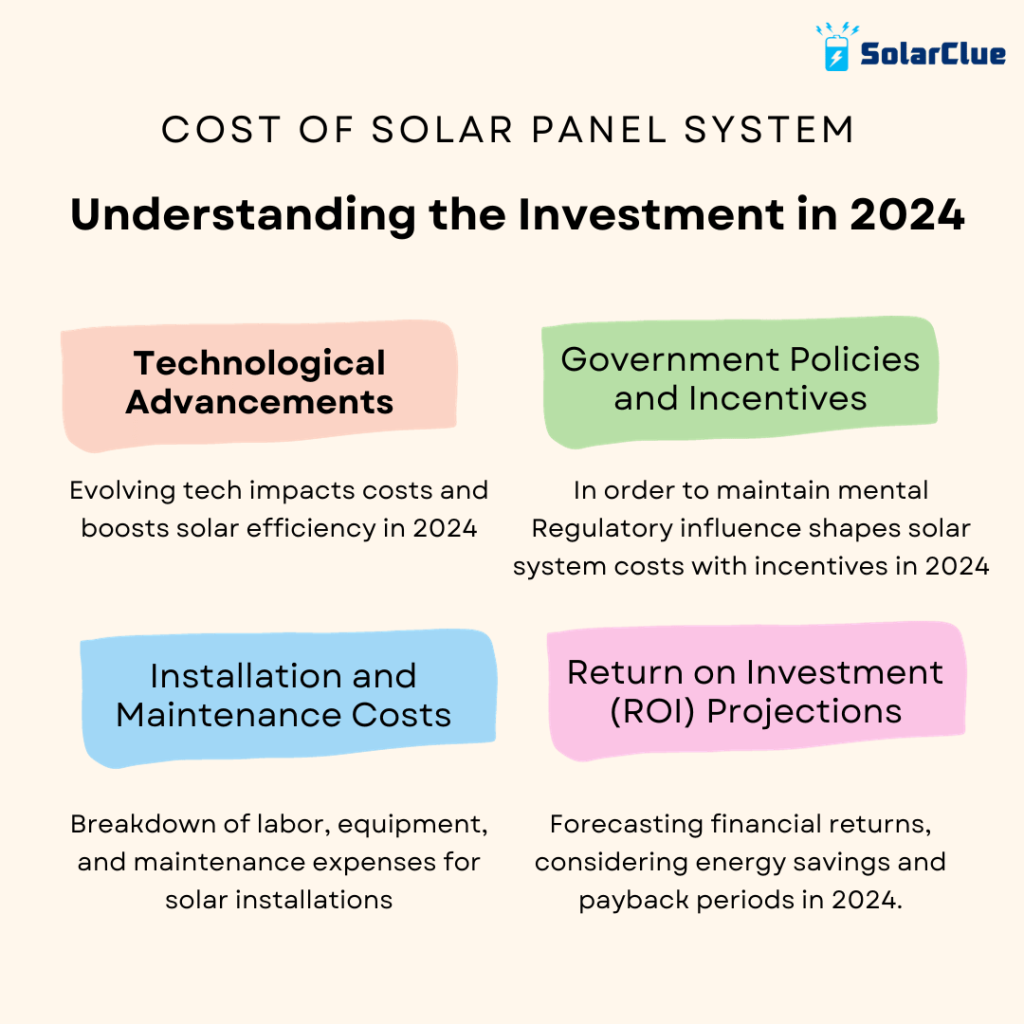
To understand the true cost of a solar panel system, it's essential to break down the individual components and their associated costs. A comprehensive guide to the solar panel system cost structure should include the following:
- Component Costs: The cost of each component, including solar panels, inverters, mounting structures, and BOS components.
- Installation Costs: The cost of installation, including labor and equipment costs.
- Optional Costs: The cost of optional features, such as battery storage and monitoring systems.
- Overall System Cost: The total cost of the system, including all components and installation costs.
Conclusion
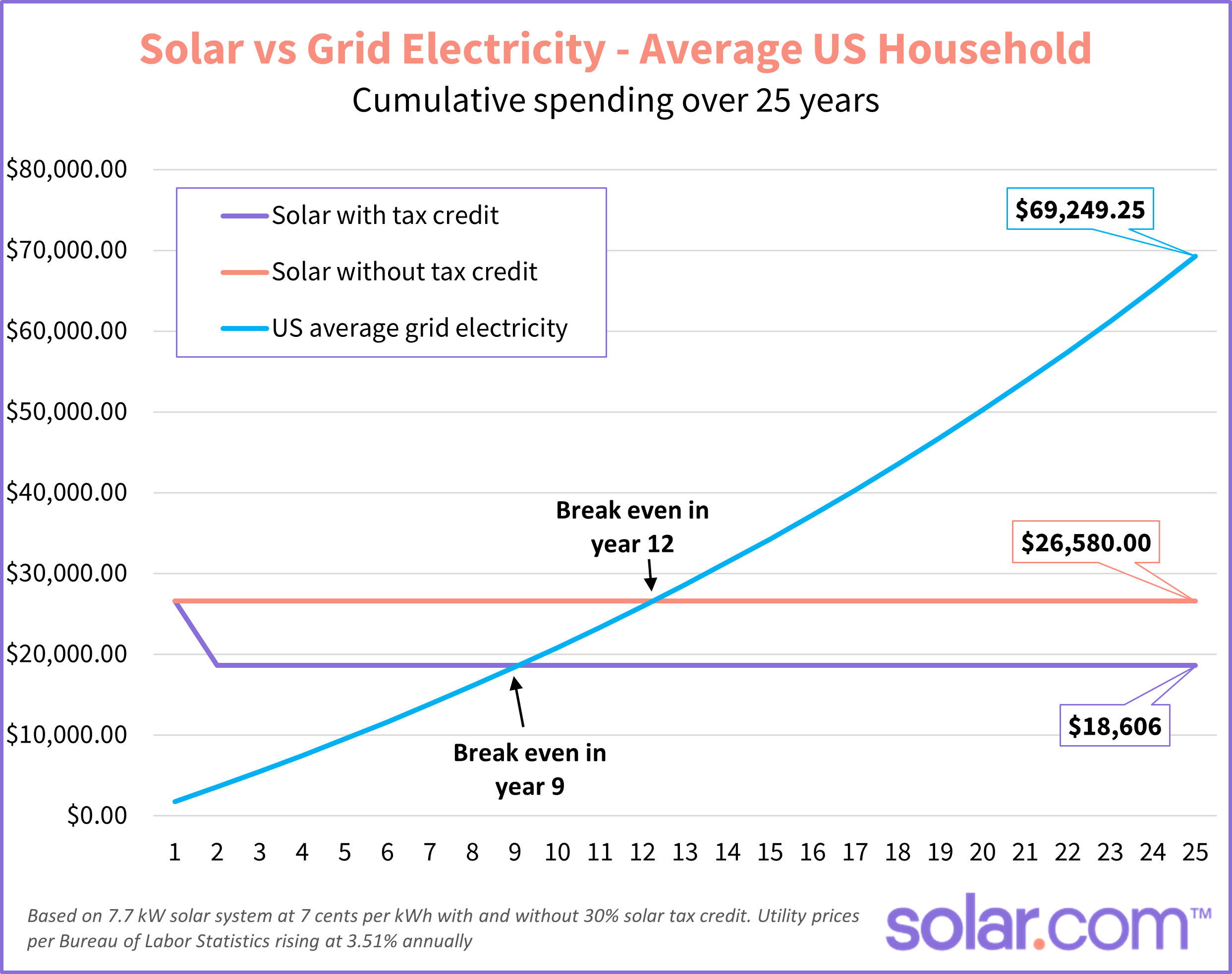
The solar panel system cost structure is a complex and multifaceted topic. By understanding the individual components and their associated costs, homeowners can make informed decisions when investing in a solar panel system. A comprehensive guide to the solar panel system cost structure can help homeowners navigate the process and ensure a successful and cost-effective solar energy investment.
References
- U.S. Department of Energy's solar office and its national laboratory partners analyze cost data for U.S. solar photovoltaic systems to develop cost benchmarks to measure progress towards goals and guide research and development programs.
- Jan 28, 2026 Solar Installed System Cost Analysis NLR analyzes the total costs associated with installing photovoltaic (PV) systems for residential rooftop, commercial rooftop, and utility-scale ground-mount systems.