The Role of GLP-1 in Pancreatic Health and Calorie Needs
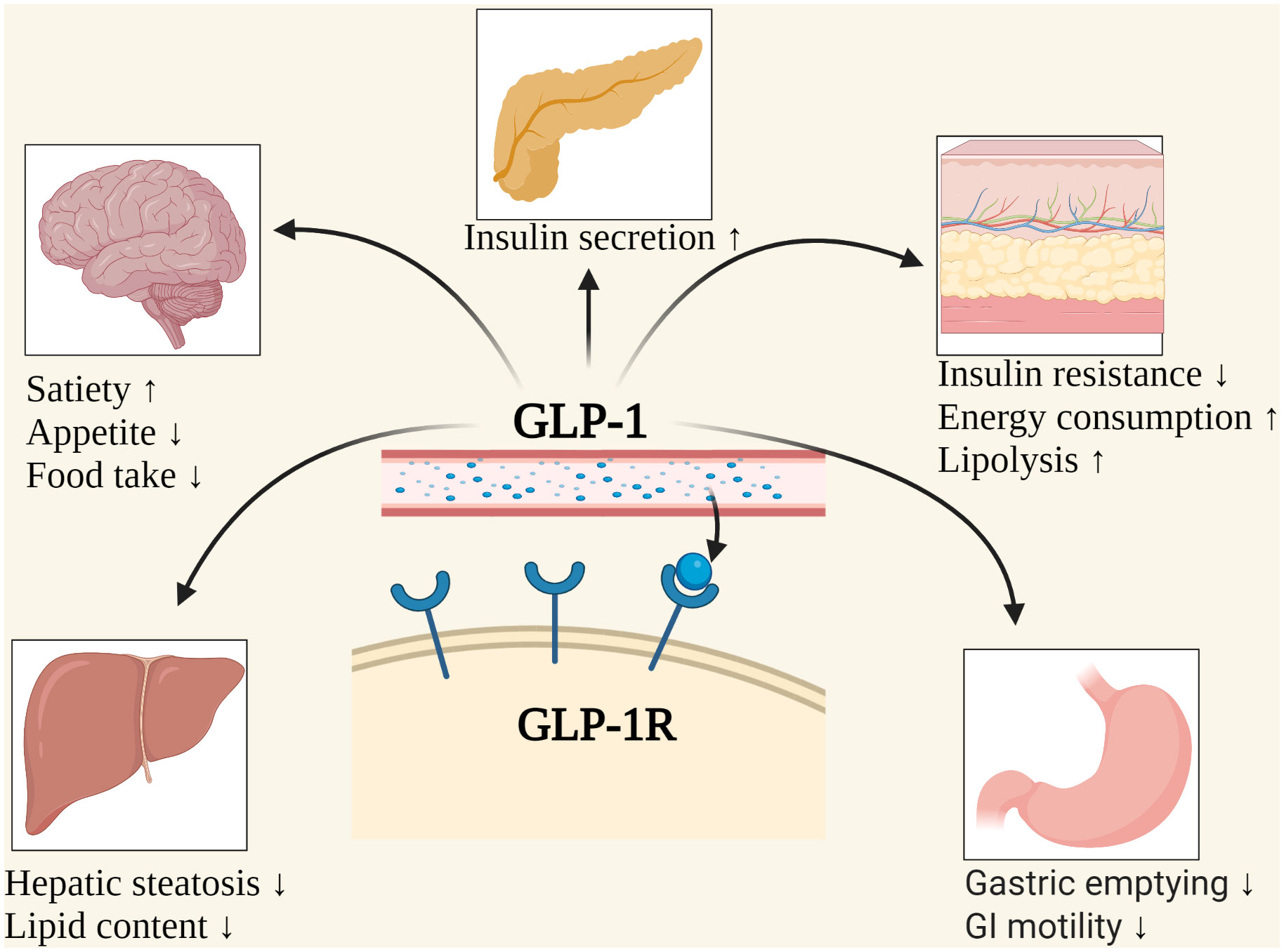
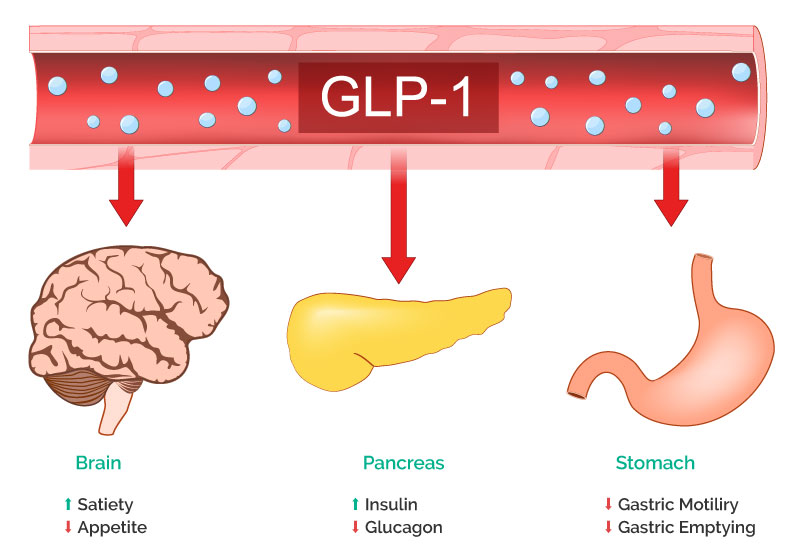
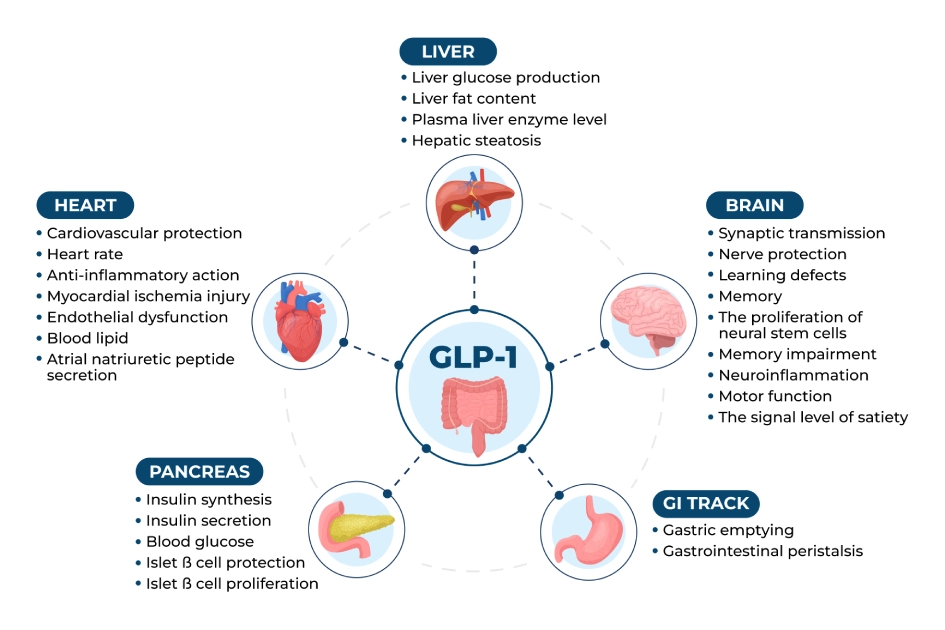
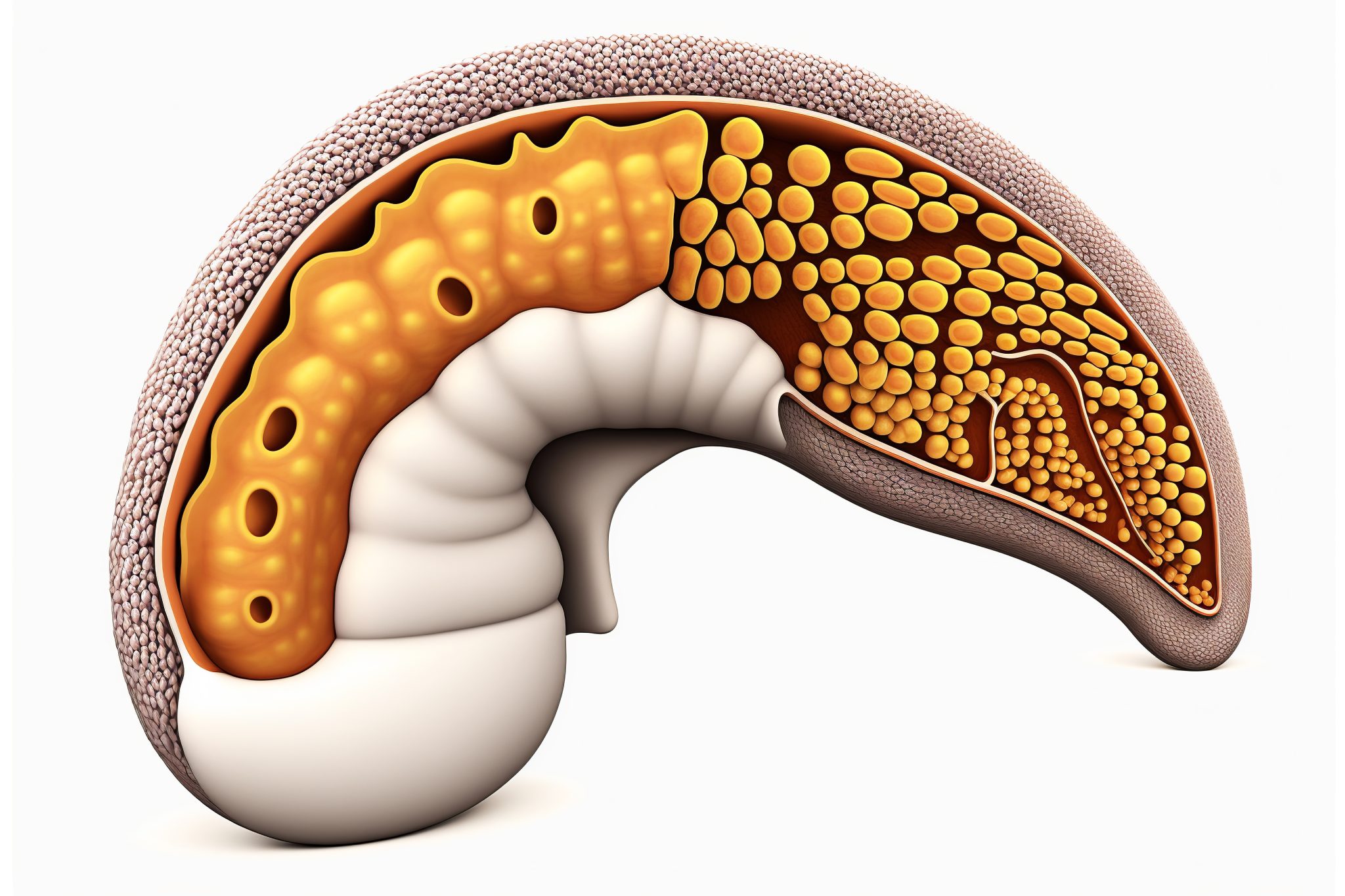
Glucagon-like peptide-1 (GLP-1) is a hormone that plays a crucial role in maintaining pancreatic health and regulating calorie needs. This incretin hormone is released from the intestine in response to nutrient intake and stimulates insulin secretion from the pancreatic islet β-cells. In recent years, GLP-1 has emerged as a key player in the management of type 2 diabetes and obesity.Physiological Role of GLP-1
GLP-1 is encoded by the preproglucagon gene (Gcg), which is expressed in the intestine, pancreas, and central nervous system. The hormone activates GLP-1 receptors (GLP-1r) on the β-cell to enhance glucose-induced insulin secretion. This action is critical for maintaining normal blood sugar levels and preventing the development of hyperglycemia, a hallmark of type 2 diabetes.GLP-1 and Calorie Needs
Research has shown that GLP-1 also plays a role in regulating calorie needs. By stimulating insulin secretion, GLP-1 helps to regulate glucose metabolism and prevent the deposition of fat in the form of triglycerides. In addition, GLP-1 has been found to influence key secretagogues and intracellular mediators, such as calcium, glutamate, γ-aminobutyric acid, serotonin, and urocortin-3, which are important for insulin exocytosis.GLP-1 agonists and Weight Loss
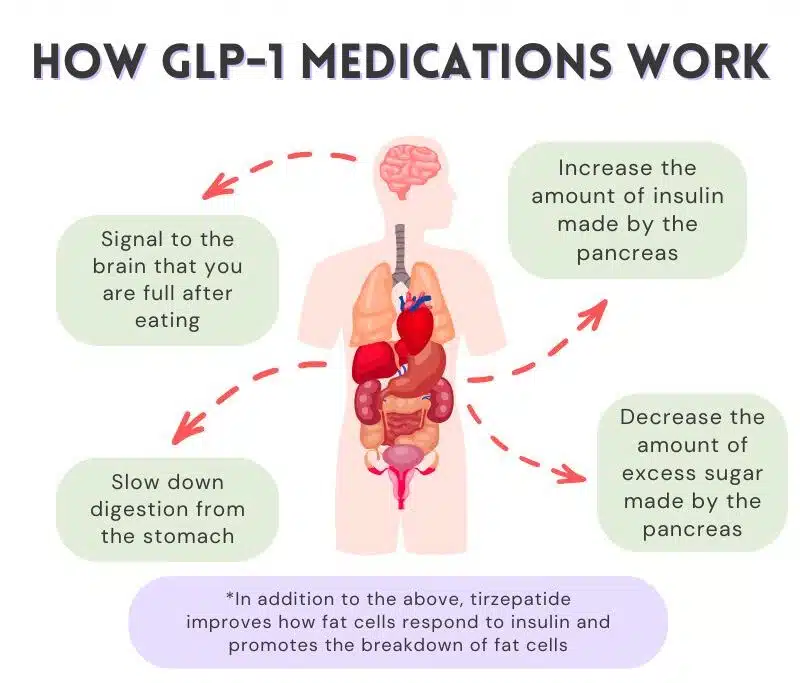
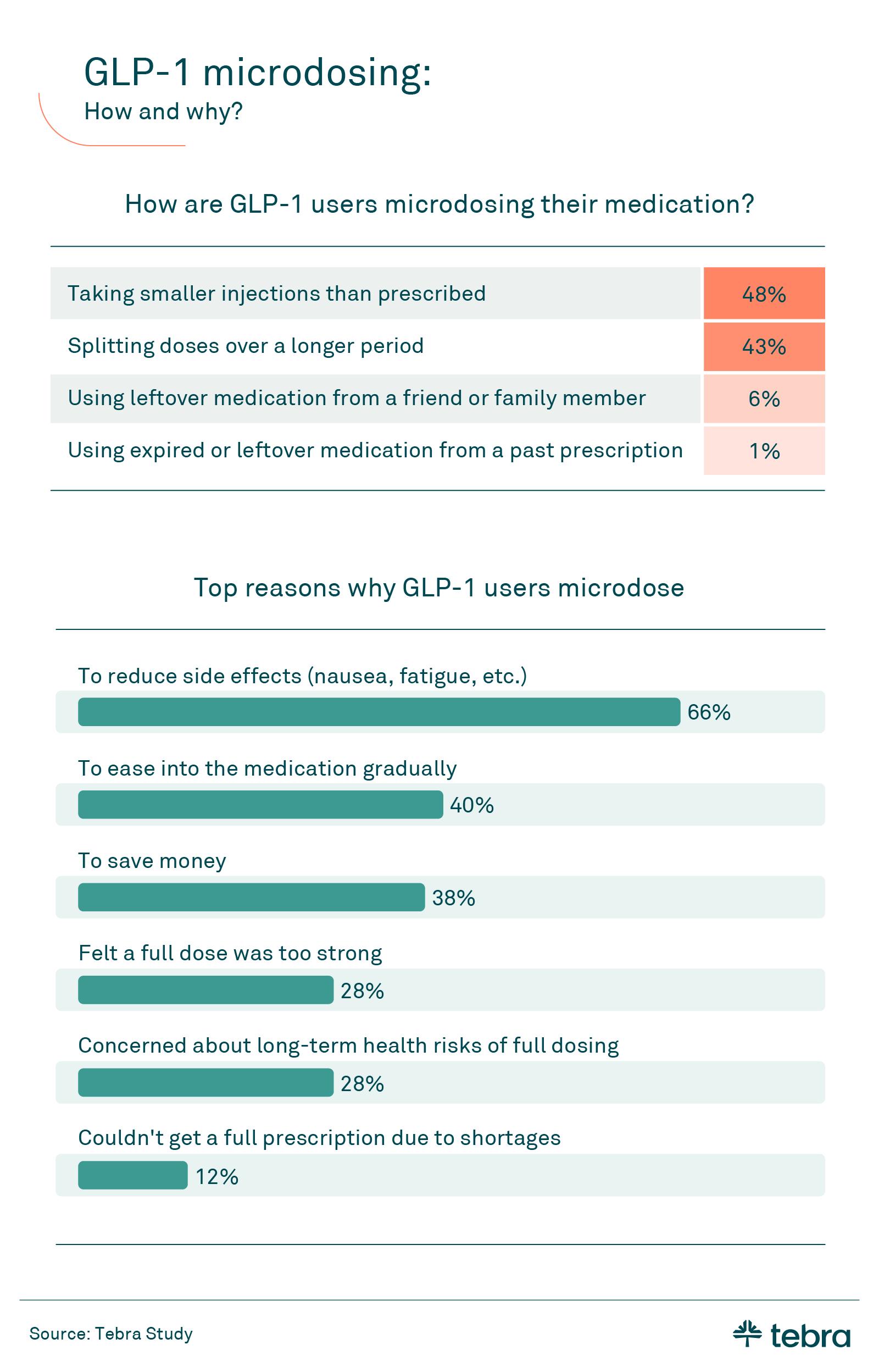
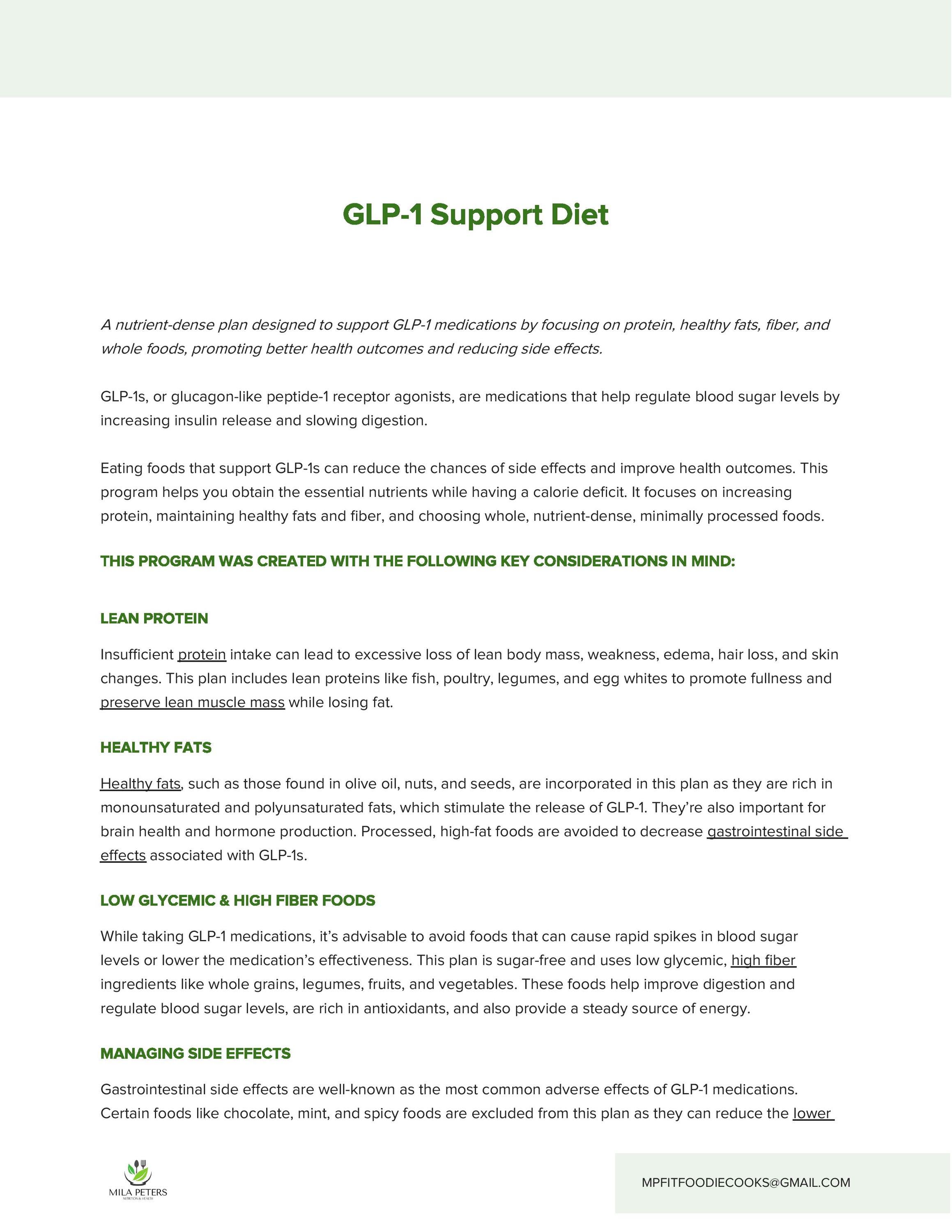
GLP-1 receptor agonists (GLP-1RAs) have been shown to be effective in promoting weight loss in individuals with obesity and type 2 diabetes. These medications mimic the action of natural GLP-1 and stimulate insulin secretion, leading to a decrease in glucose production in the liver and an increase in glucose uptake in the muscles.GLP-1 and Satiety