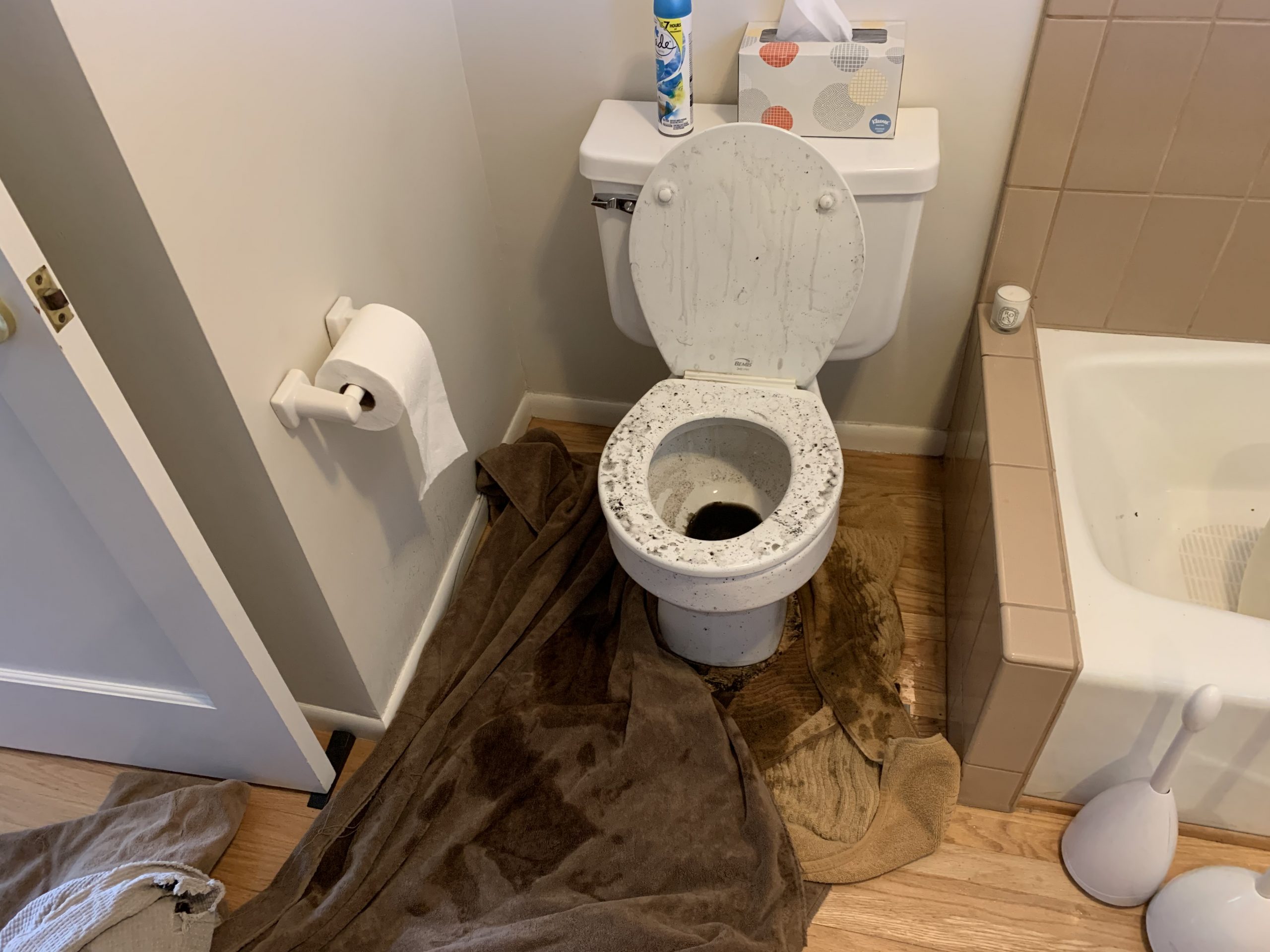
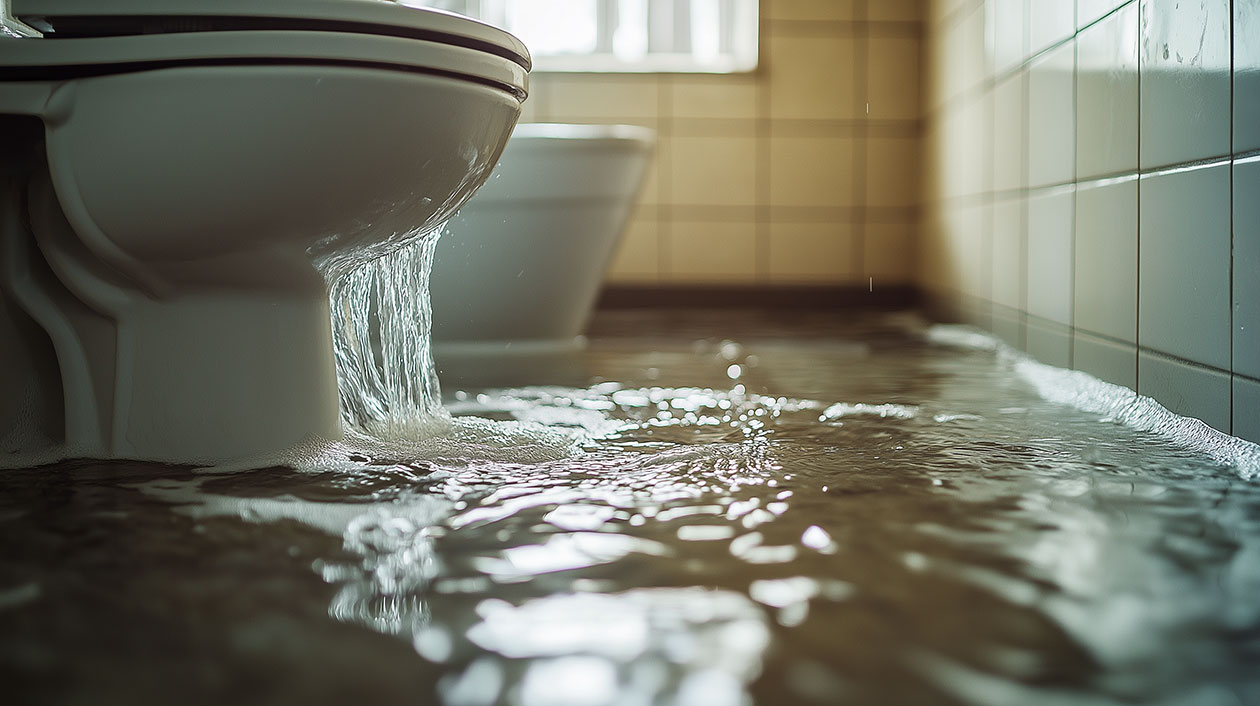
Toilet Overflow Emergency And Flooding: A Comprehensive Guide to Quick Response and Safe Recovery
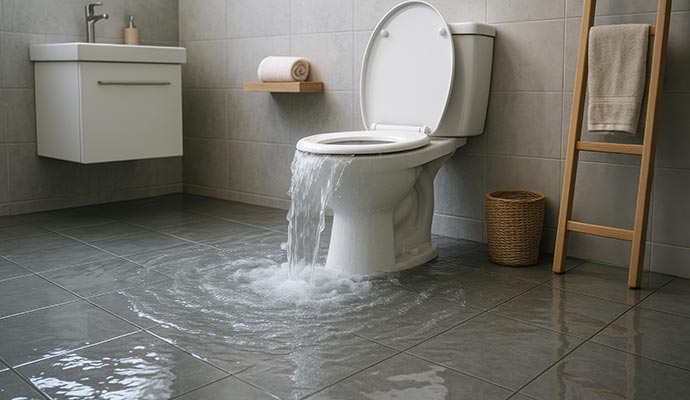
A toilet overflow can be a nightmare for any homeowner, leaving behind a mess that's not only frustrating but also poses serious health risks. Whether it's caused by a clogged pipe, a full septic tank, or faulty toilet tank components, it's essential to know how to respond quickly and safely to minimize damage and prevent future incidents.
Immediate Steps to Stop Water and Prevent Damage
The first step in responding to a toilet overflow emergency is to turn off the water supply to the toilet. This can usually be done by locating the shut-off valve behind the toilet and turning it clockwise. Next, use a plunger or toilet auger to try and clear the clog. Be cautious not to flush the toilet again, as this can worsen the overflow.
- Turn off the water supply valve behind the toilet to stop the flow of water.
- Use a plunger or toilet auger to try and clear the clog.
- Avoid flushing the toilet again to prevent further overflow.
Causes of Toilet Overflow and Flooding
Toilet overflows can be caused by a variety of factors, including clogged pipes, full septic tanks, and faulty toilet tank components. In some cases, the overflow may be due to a sewer backup, which requires immediate professional attention to prevent health and safety risks.
- Clogged pipes and drains
- Full septic tanks and faulty septic systems
- Faulty toilet tank components, such as the valve, flapper, or float ball
- Sewer backups
Safe Cleanup and Recovery Procedures
When dealing with a toilet overflow, it's essential to prioritize safety and take immediate action to prevent further damage. Wear rubber gloves and protective eyewear to prevent exposure to raw sewage and pathogens. Use a mop and bucket to clean up the overflow, and disinfect the area thoroughly with a solution of bleach and water.

- Wear rubber gloves and protective eyewear to prevent exposure to raw sewage and pathogens.
- Use a mop and bucket to clean up the overflow.
- Disinfect the area thoroughly with a solution of bleach and water.
When to Call a Professional
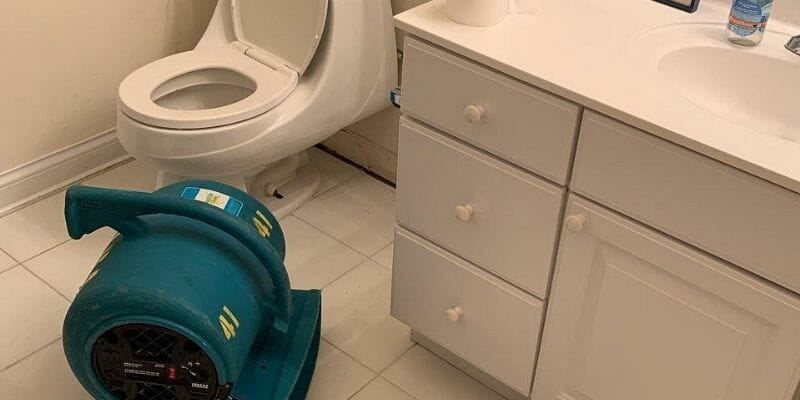
If the toilet overflow is caused by a sewer backup or other serious issue, it's essential to call a professional plumber or water damage restoration specialist immediately. They will have the necessary equipment and expertise to safely contain and clean up the overflow, as well as provide guidance on preventing future incidents.
Don't risk your health and safety by attempting to handle a toilet overflow on your own. Call a professional today to ensure a safe and effective resolution.
Prevention is Key
While it's impossible to eliminate the risk of toilet overflows entirely, there are steps you can take to prevent them from happening in the first place. Regularly check and maintain your plumbing system, including checking for clogs and ensuring proper water flow. Consider installing a toilet overflow valve or other preventive measures to minimize the risk of overflow.
Conclusion
Toilet overflows can be a stressful and messy experience, but with the right knowledge and response, you can minimize damage and prevent future incidents. Remember to turn off the water supply, use a plunger or toilet auger to clear the clog, and prioritize safety when cleaning up the overflow. If in doubt, call a professional plumber or water damage restoration specialist for expert guidance and support.