Discover the Hidden Connection: Vitamin D and GLP-1
Vitamin D and Glucagon-like peptide-1 (GLP-1) medications have been gaining attention for their impact on various aspects of health, particularly in the context of weight loss and diabetes management. Research has highlighted the intricate relationship between vitamin D levels and GLP-1 medications, suggesting that individuals taking these medications may be more prone to vitamin D deficiencies. In this article, we'll delve into the connection between vitamin D and GLP-1, exploring the underlying reasons and potential consequences.
What is GLP-1 and How Does it Work?
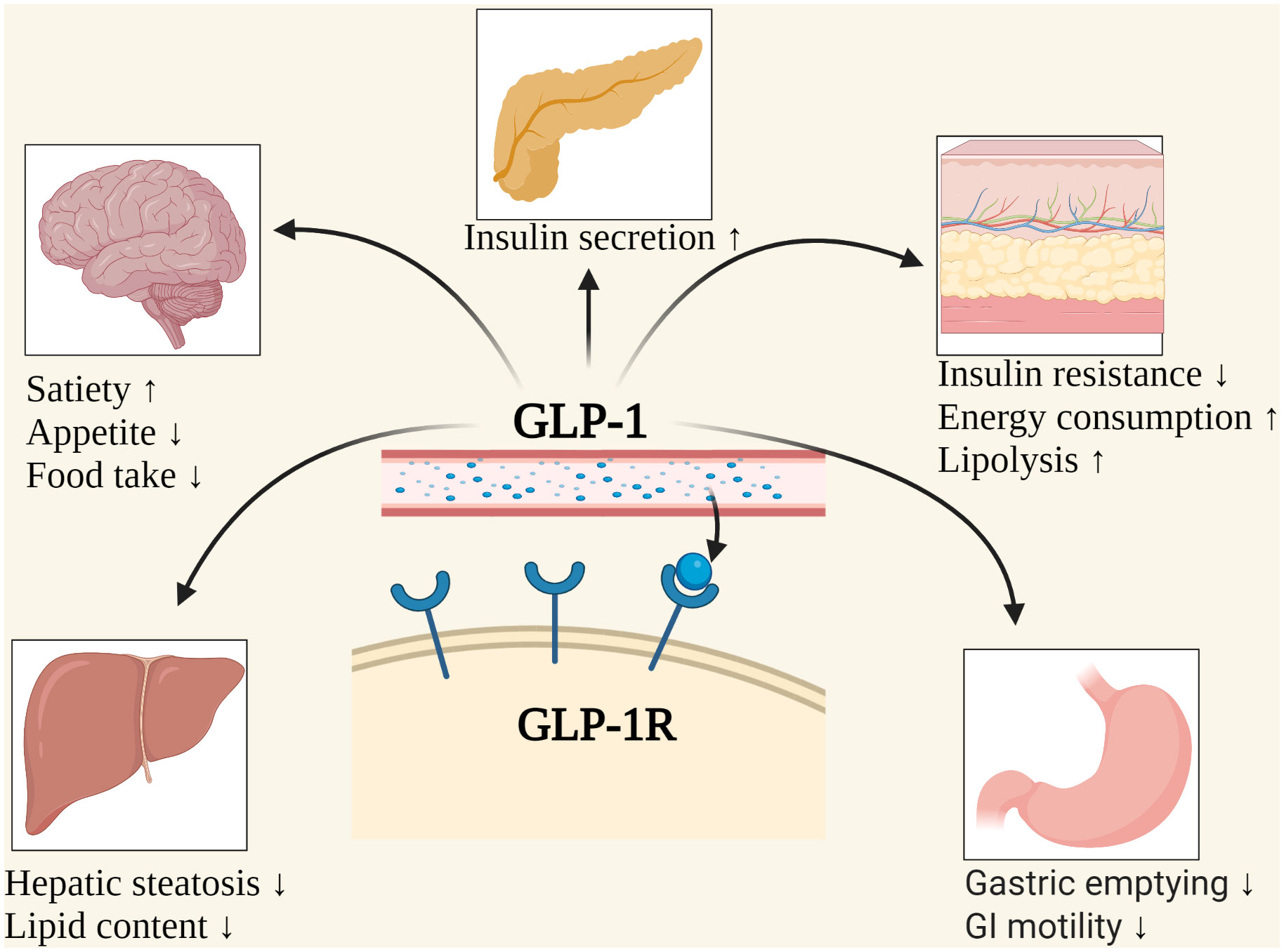
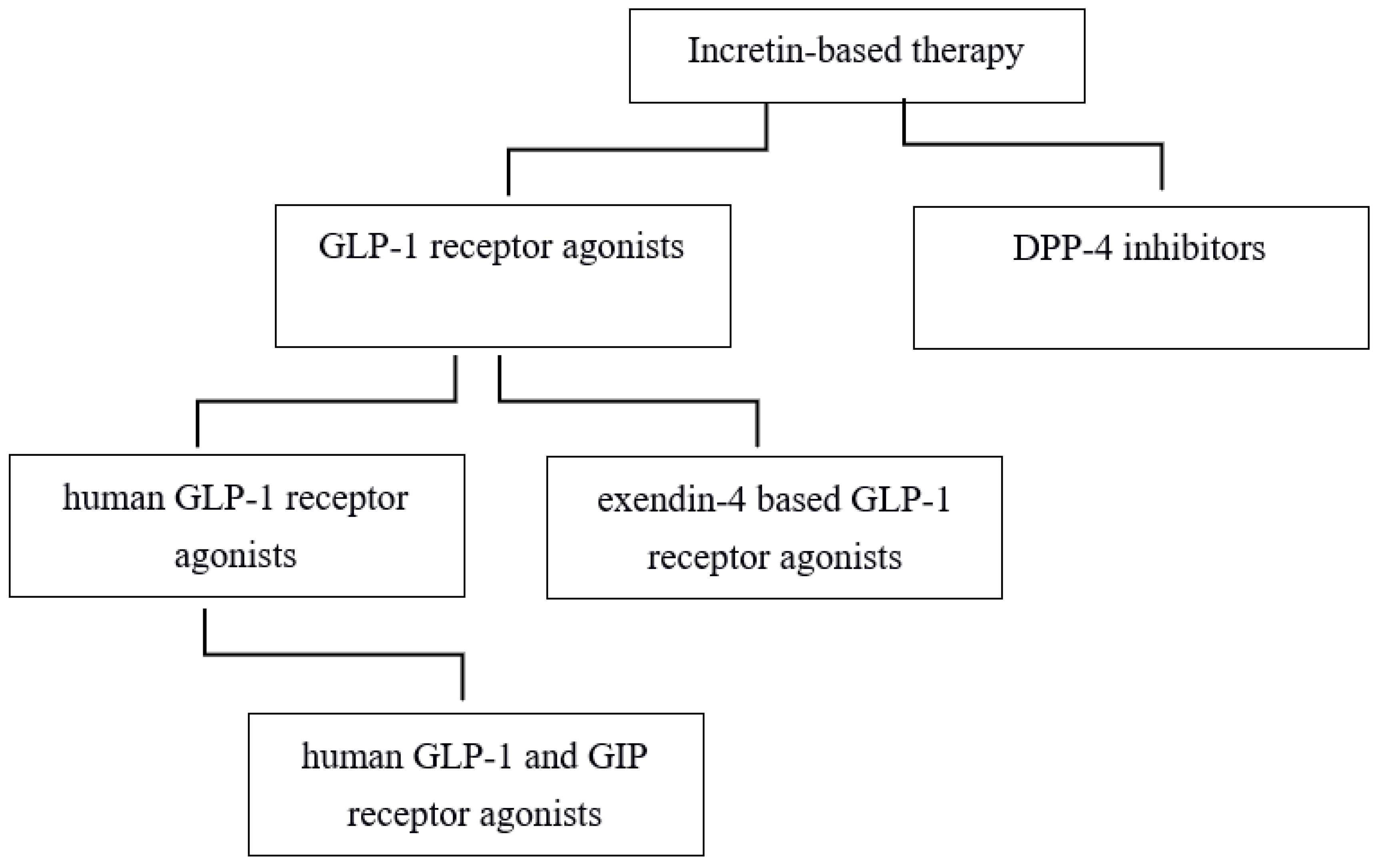
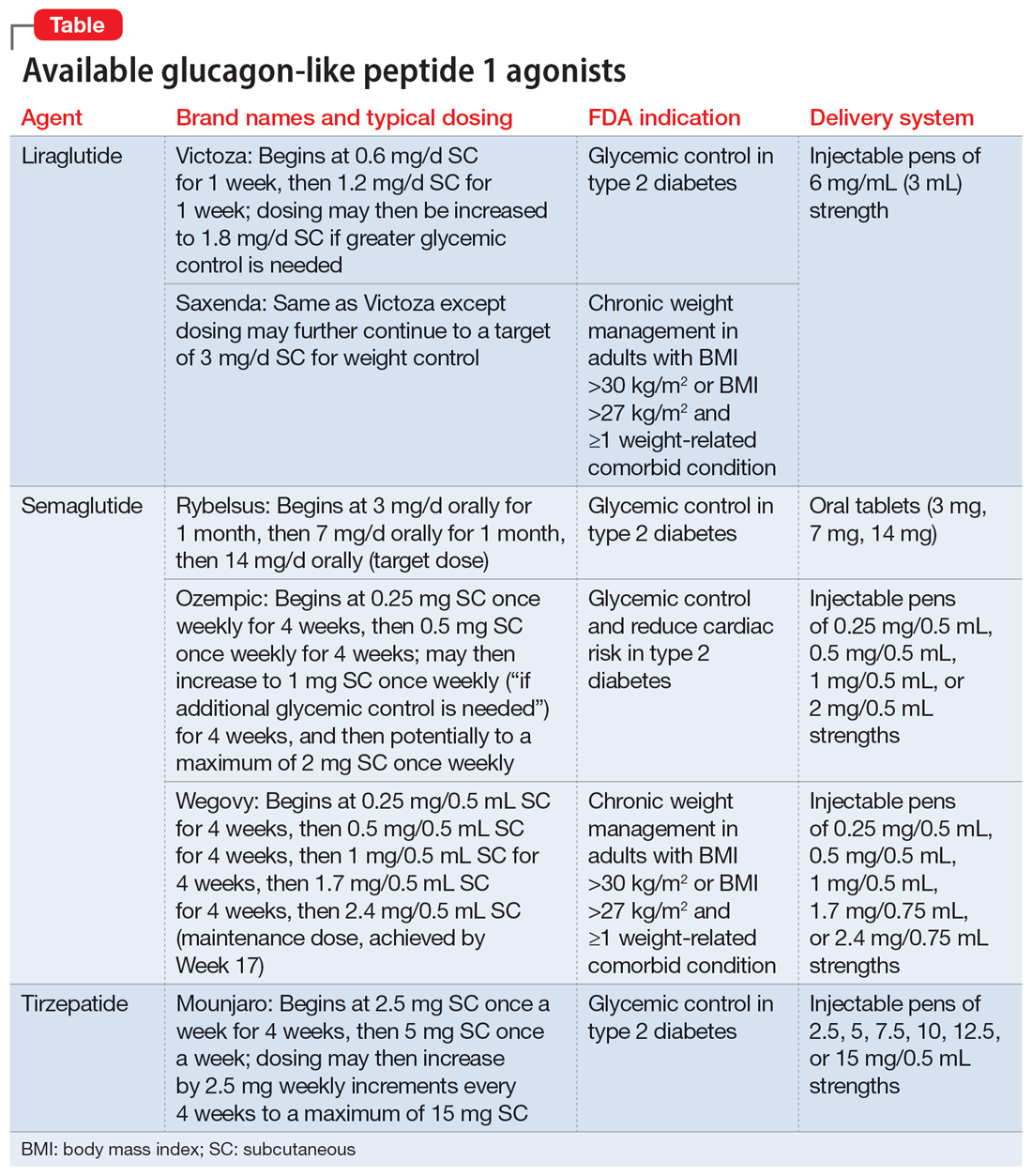
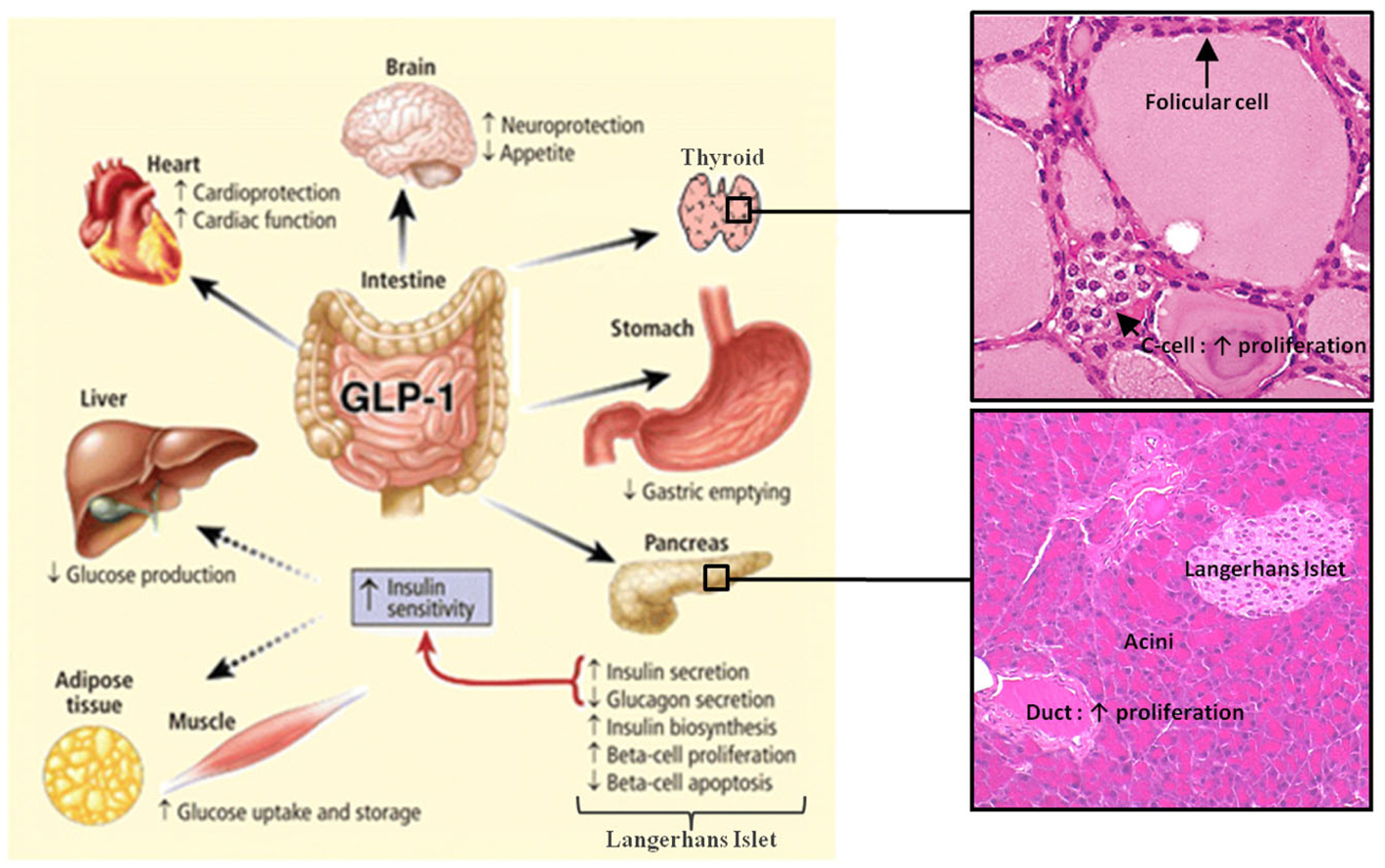
GLP-1 medications work by mimicking the action of a natural hormone called glucagon-like peptide-1, which helps regulate blood sugar levels and promotes feelings of fullness. This leads to reduced calorie intake and weight loss. However, as a byproduct of reduced food intake, individuals taking GLP-1 medications may experience nutrient deficiencies, particularly in vitamins and minerals essential for overall health.
The Connection Between Vitamin D and GLP-1
Research has shown that individuals taking GLP-1 medications are at a higher risk of developing vitamin D deficiency. A study found that 7.5% of participants taking GLP-1 medications developed a vitamin D deficiency after six months, while 13.6% developed it after 12 months. Furthermore, a review of six studies discovered that people with diabetes or obesity taking GLP-1 medications were prone to developing various nutrient deficiencies, particularly in vitamin D, iron, and B vitamins. The deficiency in vitamin D is concerning, as it impairs calcium absorption and bone mineralization.
Why is Vitamin D Deficiency a Concern with GLP-1 Medications?
- Reduced food intake: GLP-1 medications lead to decreased appetite, causing individuals to consume fewer calories, which can result in inadequate vitamin intake.
- Impaired nutrient absorption: GLP-1 medications can slow down gastric emptying, which affects the absorption of fat-soluble vitamins (A, D, E, and K).
- Increased risk: Individuals with obesity or diabetes, who are already prone to vitamin D deficiency, may be at a higher risk of developing deficiency when taking GLP-1 medications.
Consequences of Vitamin D Deficiency
A vitamin D deficiency can lead to various health problems, including:
- Bone health issues: Impaired calcium absorption can result in weak bones and osteoporosis.
- Increased risk of chronic diseases: Vitamin D deficiency has been linked to an increased risk of heart disease, hypertension, and certain types of cancer.
- Mood disorders: Low vitamin D levels have been associated with depression and anxiety.
What Can You Do to Mitigate Vitamin D Deficiency while Taking GLP-1 Medications?
To minimize the risk of vitamin D deficiency, consider the following:
- Nutritional counseling: Consult with a healthcare professional or registered dietitian to develop a personalized nutrition plan.
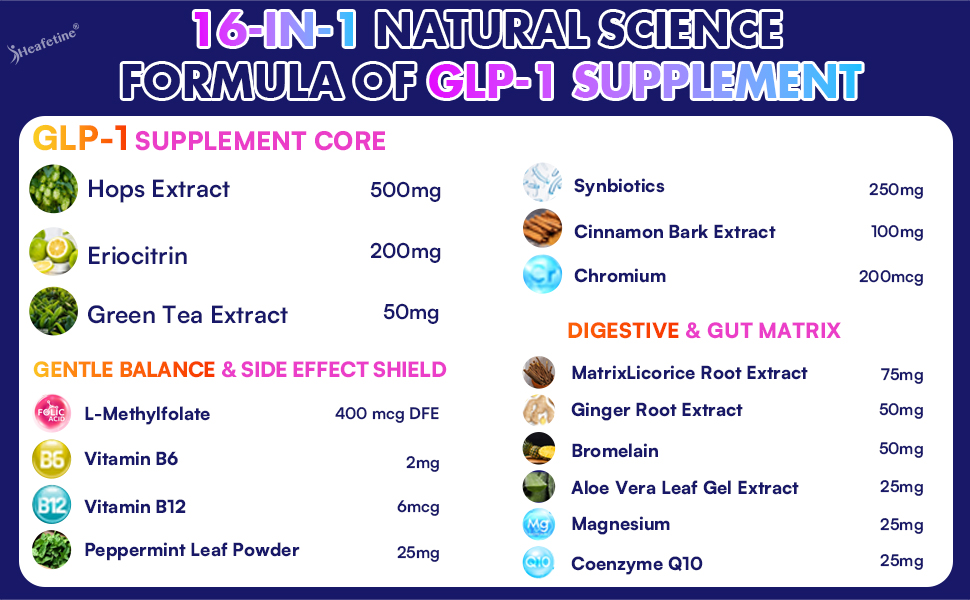
- Supplementation: Consider taking a multivitamin or vitamin D supplements to ensure adequate intake.
- Monitoring: Regular blood tests can help identify potential deficiencies and guide adjustments to your nutrition plan.
Conclusion
The connection between vitamin D and GLP-1 medications highlights the importance of addressing nutritional deficiencies in the context of medication use. By understanding the potential risks and taking proactive steps to mitigate them, individuals taking GLP-1 medications can minimize the likelihood of developing vitamin D deficiency and maintain overall health and well-being.