When it comes to exporting goods internationally, ensuring compliance with regulations is crucial to avoid penalties and fines. One essential aspect of this process is obtaining an electronic export license, which plays a vital role in controlling the export of sensitive items. In this article, we will delve into the world of electronic export licenses and explore their significance in international trade.
The Importance of Electronic Export Licenses
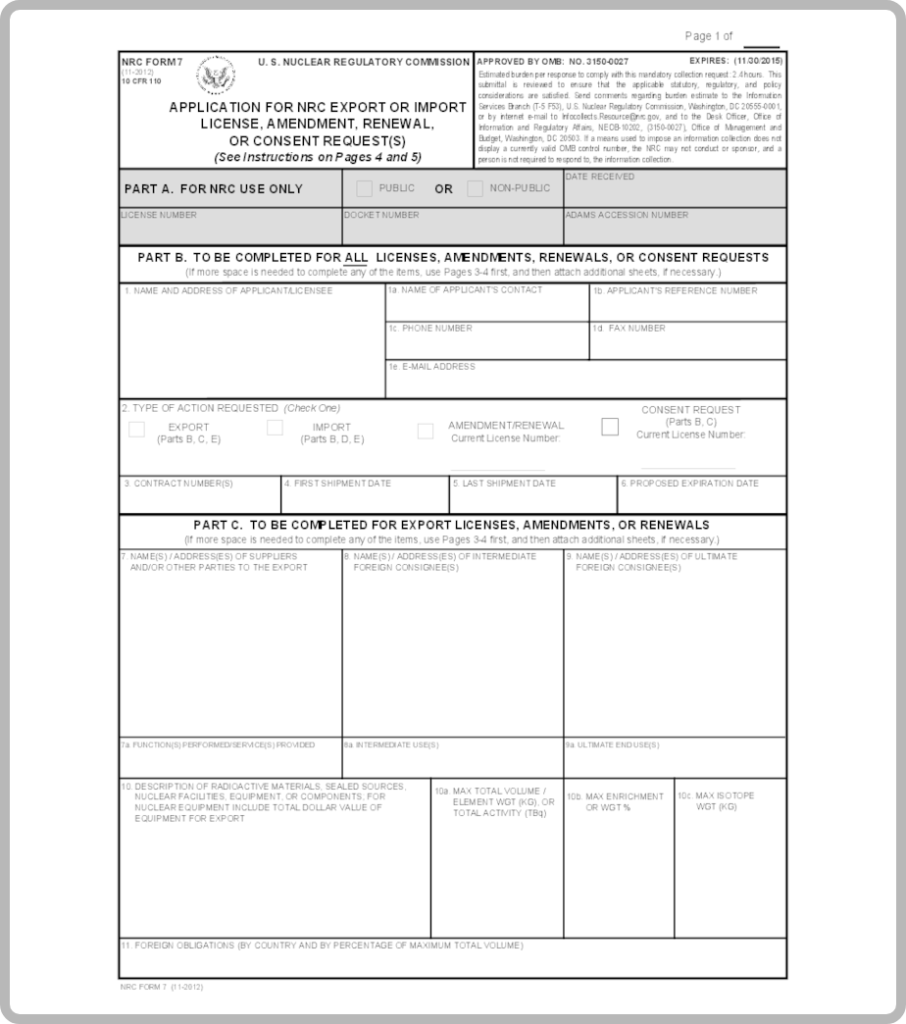
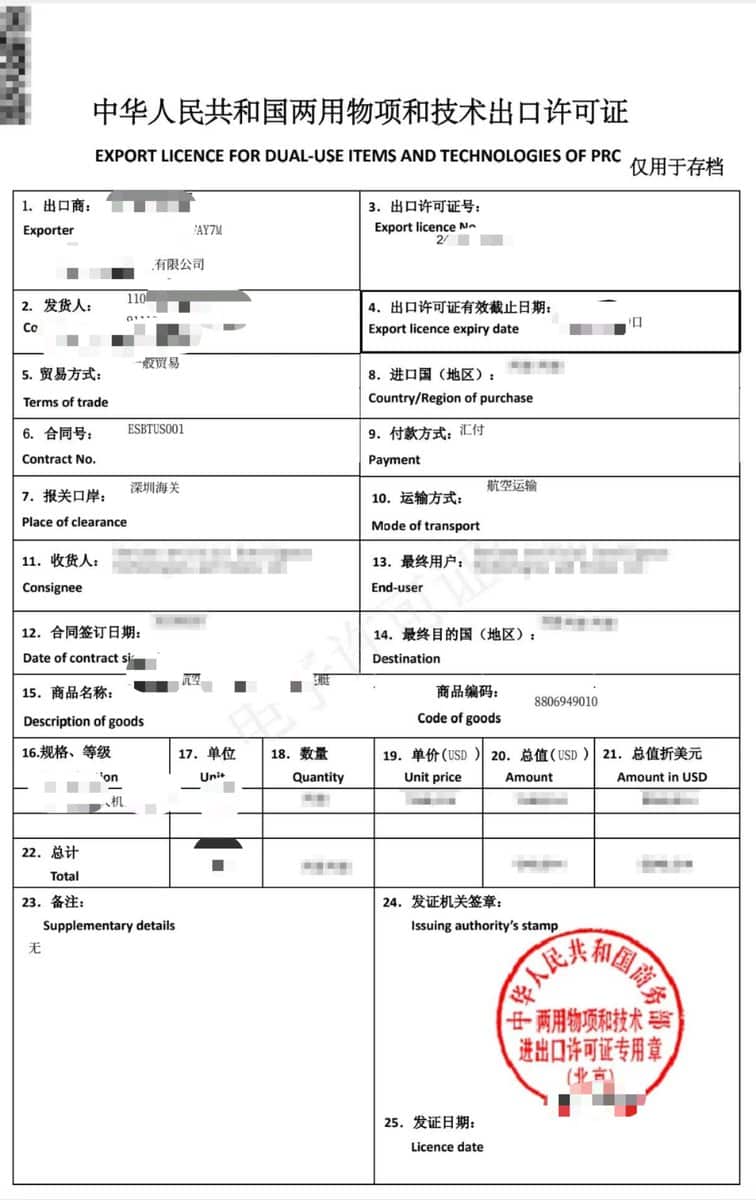
Electroninc export licenses are used by the government to control the export of sensitive items, such as military equipment and dual-use technologies, which can be used for both civilian and military purposes. This helps protect national security and foreign policy interests. Export licenses are required for various types of goods, including defense articles, technology, and software.
There are different types of export licenses, including general licenses, specific licenses, and license exceptions. General licenses are pre-approval for the export of specific goods, while specific licenses require a detailed application process. License exceptions are authorizations that allow the export of items that would otherwise require a license. These exceptions are described in part 740 of the Export Administration Regulations (EAR).
Export Information and Automated Export System (AES)
Export information is required to be filed electronically through the Automated Export System (AES) for all shipments, unless exemptions apply. The AES is a joint venture between CBP, the Foreign Trade Division of the Bureau of the Census, the Bureau of Industry and Security, and other federal agencies. This system helps track and collect data on exports, ensuring compliance with regulations.
License Exceptions and Exemptions
License exceptions are authorizations that allow the export of items that would otherwise require a license. These exceptions are listed in part 740 of the EAR. For example, baggage (BAG) under the Export Administration Regulations (EAR) allows travelers to export, re-export, and transfer certain items, technology, and software for personal use abroad.
- Baggage (BAG) under the Export Administration Regulations (EAR)
- License exceptions listed in part 740 of the EAR
- Exemptions for specific countries or destinations
Filing Electronic Export Information (EEI)
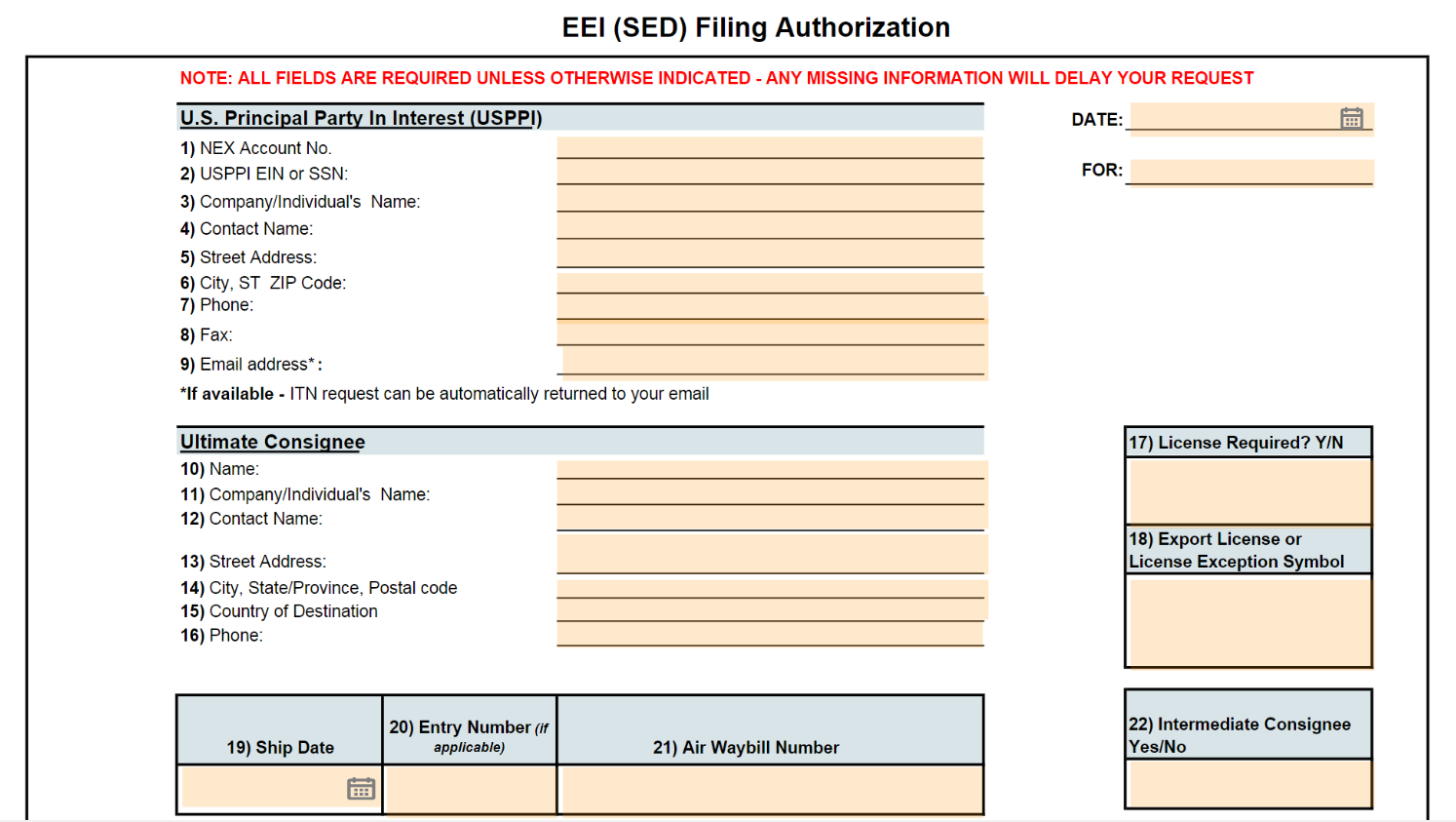
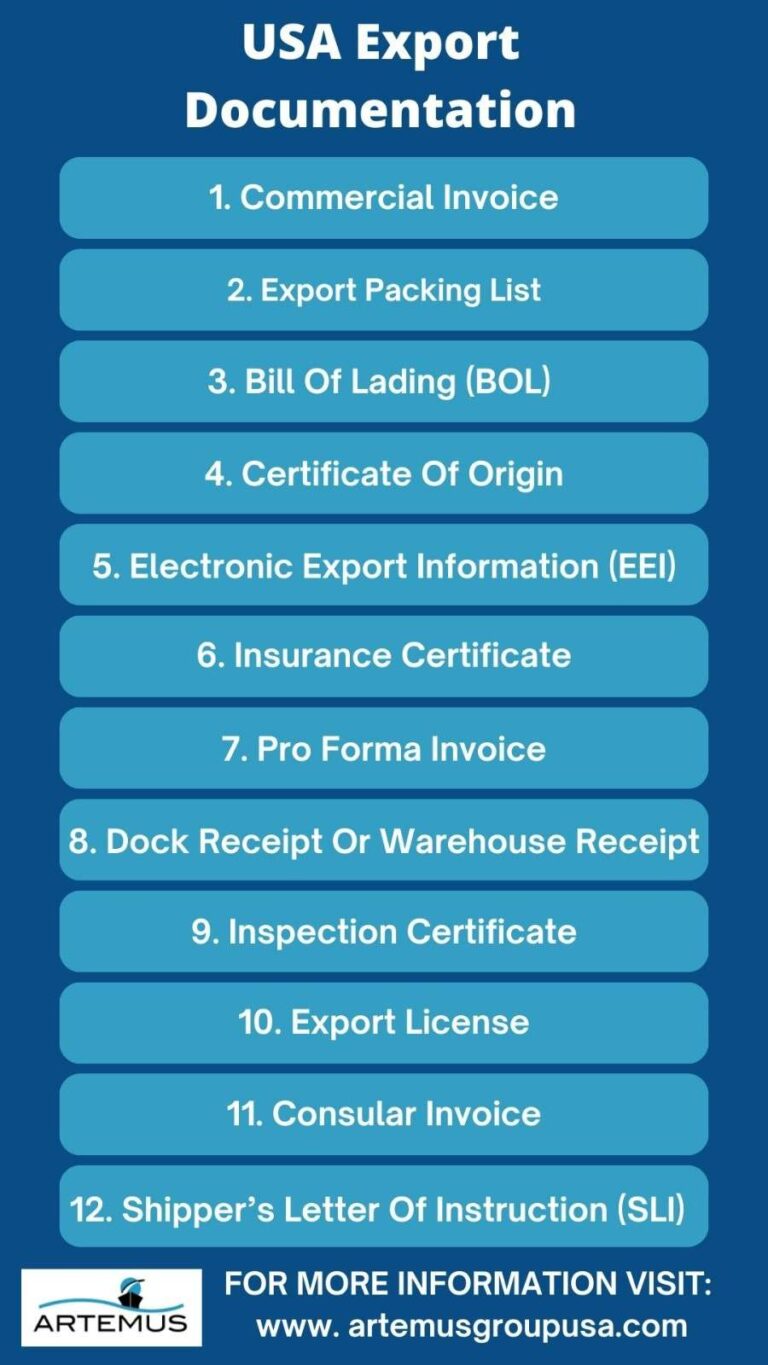
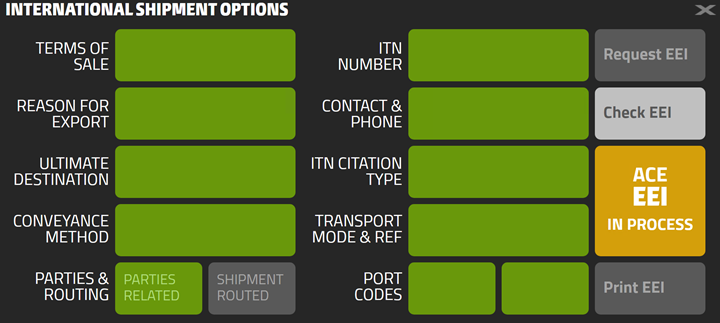
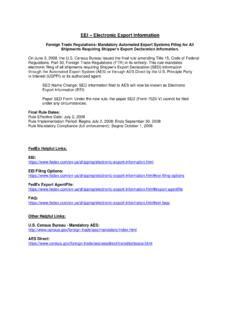
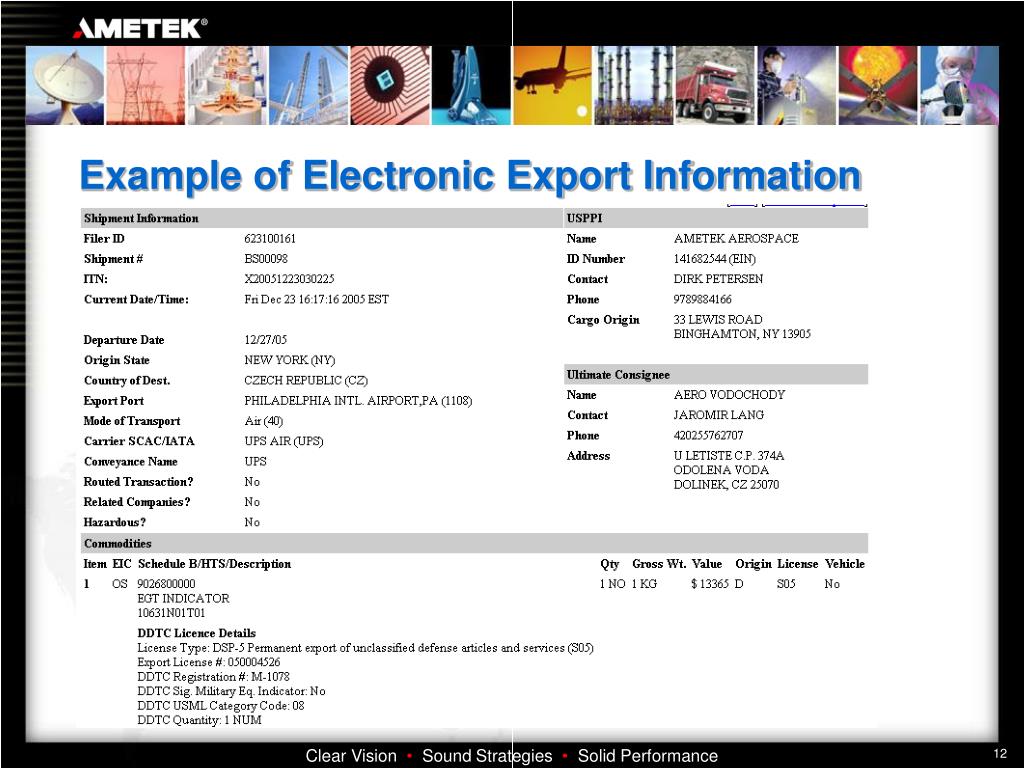
Electronic export information (EEI) is filed in the AES and is required for all shipments, unless exemptions apply. The EEI is used by the Bureau of Census to collect trade statistics and for export control purposes. The Automated Export System (AES) is an electronic method for filing information directly with the U.S. Customs and Border Protection (CBP) and the Census Bureau.
Consequences of Non-Compliance
Failure to file electronic export information or obtain the necessary export license can result in severe consequences, including fines and penalties. It is crucial for exporters to understand the regulations and comply with the requirements to avoid any such consequences.
Conclusion
Electronic export licenses are a crucial aspect of international trade, helping the government control the export of sensitive items and protect national security and foreign policy interests. Understanding the different types of export licenses, license exceptions, and exemptions is essential for exporters to comply with regulations and avoid penalties. By filing electronic export information correctly and obtaining the necessary licenses, exporters can ensure smooth and compliant international trade.