Setting Up a G Router with DD-WRT: A Comprehensive Guide
Are you looking to upgrade your router's performance and capabilities? Look no further than DD-WRT, a popular open-source firmware that adds enhanced or unsupported features to your router. In this article, we will walk you through the process of setting up a g router with DD-WRT, from the basics to advanced settings.
Getting Started with DD-WRT Installation
Before you begin, make sure your router is supported by DD-WRT. Check the router database to see if your device is eligible for installation. Next, download the correct firmware file from the DD-WRT website.
To install DD-WRT, follow these steps:
- Backup your current router settings and configuration.
- Power off your router.
- Enter the router's login page by typing "192.168.1.1" in your web browser.
- Access the DD-WRT website and download the firmware file for your specific router model.
- Extract the firmware file and delete any files not required for the installation process.
- Upload the firmware file to your router using the firmware flashing tool.
- Wait for the installation process to complete.
Once the installation is complete, your router will automatically restart, and you'll be presented with the DD-WRT login page.
Basic Wireless Settings for DD-WRT
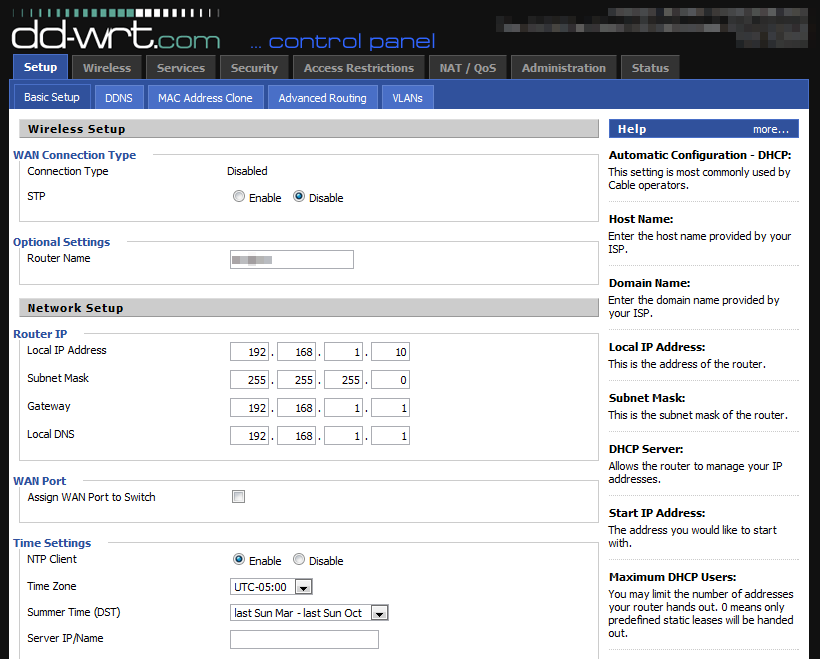
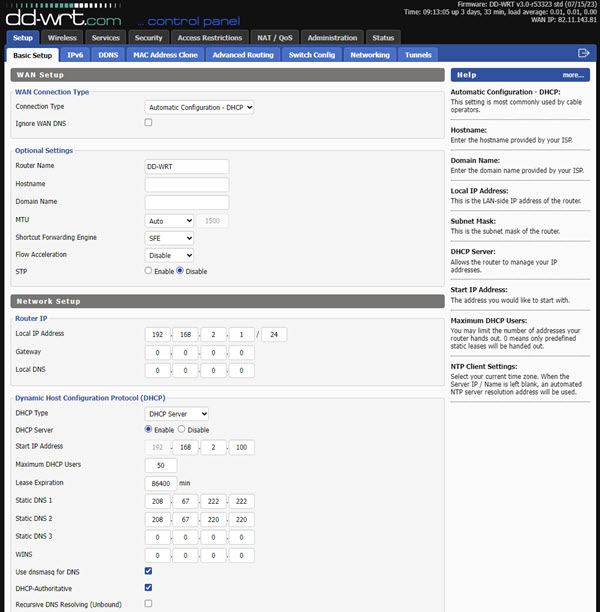
After logging in to your DD-WRT interface, you'll see the wireless settings page. Here's where you can configure your wireless settings for basic functionality:
Wireless Mode:
Choose your wireless mode between "G" and "N". "G" is suitable for older devices, while "N" provides better performance for newer devices.
Channel Width:
Set the channel width to "20M" for better compatibility with older devices.
Wireless SSID:
Enter your wireless network name (SSID).
Wireless Encryption:
Choose your wireless encryption between "WEP", "WPA2", or "WPA3". WPA2 and WPA3 provide better security and compatibility.
Authentication:
Choose the authentication method between "WPA2" and "WPA3".
Advanced Wireless Settings for DD-WRT
For advanced wireless settings, you can configure the following:
Wireless Channel:
Automatically selects the best channel for your wireless network.
Wireless Mode:
Configures your wireless mode between "G", "N", and "AC".
Channel Width:
Configures the channel width between "20M" and "40M".
Wireless Encryption:

Chooses the wireless encryption between "WEP", "WPA2", and "WPA3".
Authentication:
Configures the authentication method between "WPA2" and "WPA3".
QCA Wireless Settings for DD-WRT
For QCA wireless settings, you can configure the following:
Wireless Channel:
Automatically selects the best channel for your wireless network.
Wireless Mode:
Configures your wireless mode between "G", "N", and "AC".
Channel Width:
Configures the channel width between "20M" and "40M".
Wireless Encryption:
Chooses the wireless encryption between "WEP", "WPA2", and "WPA3".
Authentication:
Configures the authentication method between "WPA2" and "WPA3".
FAQs for DD-WRT Setup
Here are some frequently asked questions to help you with your DD-WRT setup:
Where can I download DD-WRT?
Download the DD-WRT firmware from the DD-WRT website.
How do I increase my router's range?
Configure your wireless settings to use a wider channel (40M) or switch to the 5Ghz frequency band.
How do I secure my DD-WRT router?
Configure the firewall settings, set up your wireless encryption, and use the built-in Quality of Service (QoS) settings to control traffic.
Conclusion
Setting up a g router with DD-WRT requires technical knowledge and attention to detail. By following this comprehensive guide, you'll be able to unlock your router's full potential and experience improved performance, increased security, and advanced features.
Remember to always refer to the router database and follow the instructions carefully to avoid any errors during the installation process.
Happy upgrading!