Understanding GLP-1 Influences on Fat Metabolism
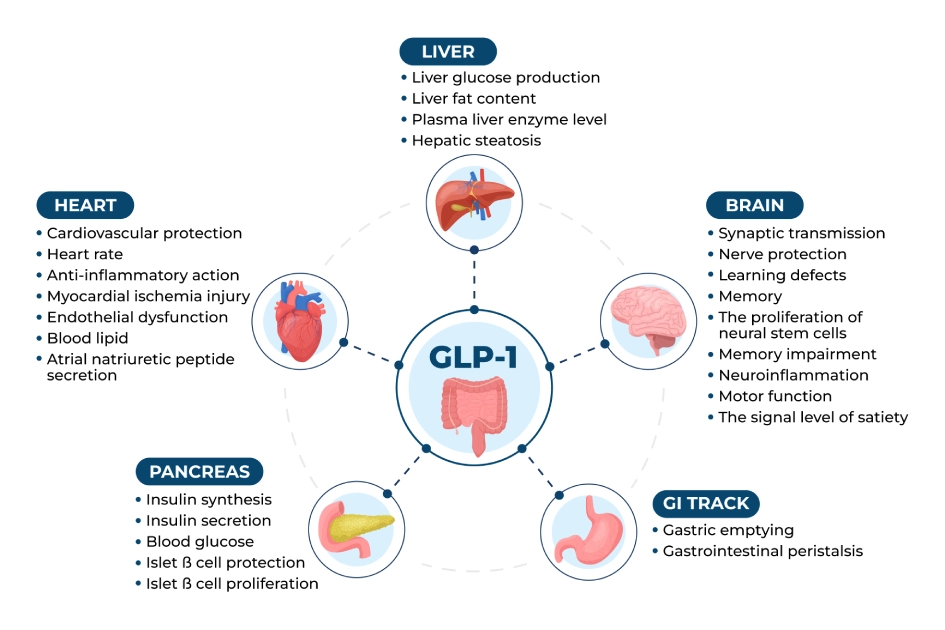
Glucagon-like peptide-1 (GLP-1) is a hormone that plays a crucial role in regulating glucose metabolism and appetite. Recently, research has shifted focus to its effects on fat metabolism, revealing a complex and multifaceted relationship. In this article, we'll delve into how GLP-1 influences fat metabolism, exploring its effects on fat synthesis, fat differentiation, and fat mobilization.The Role of GLP-1 in Fat Metabolism
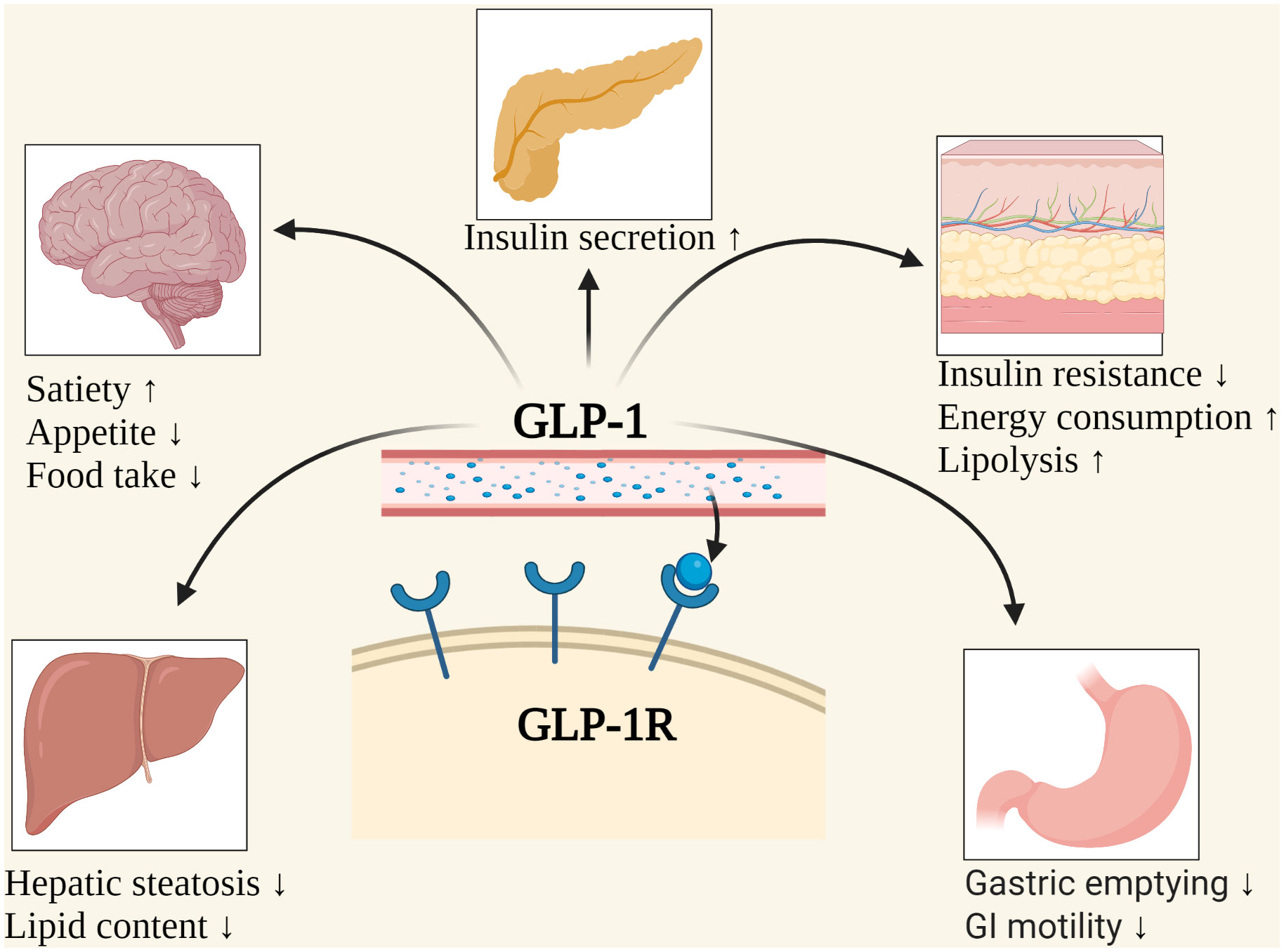
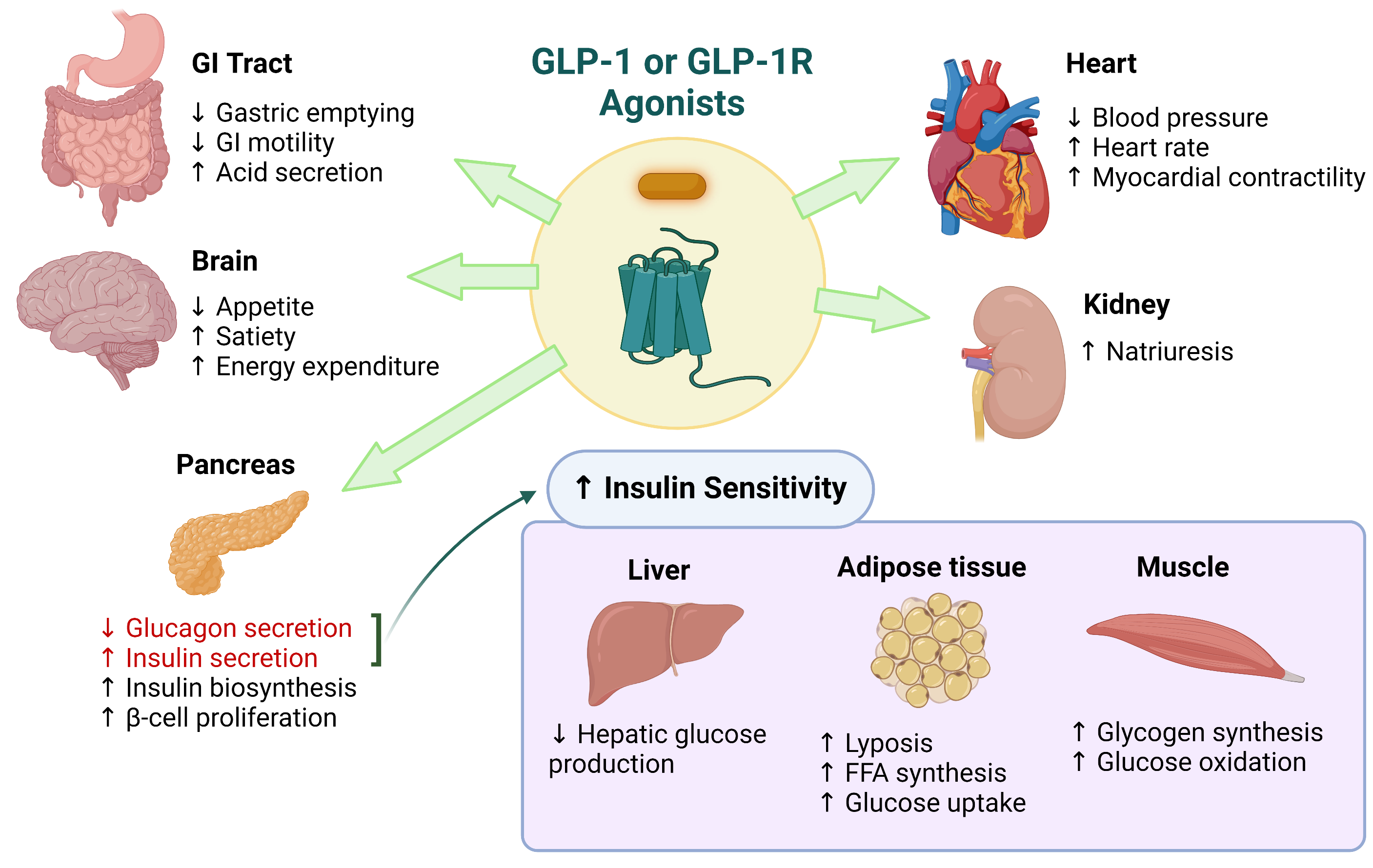
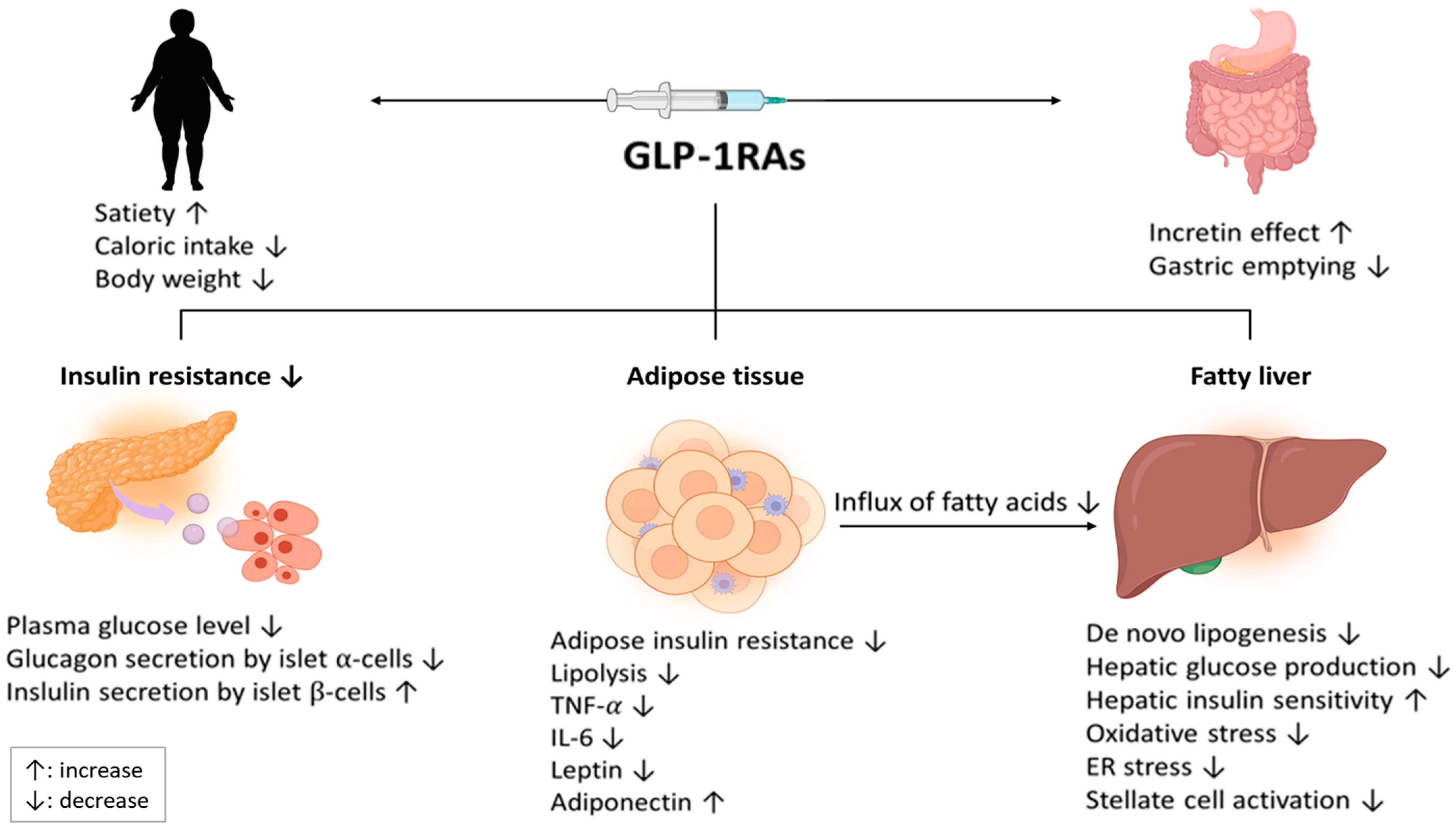
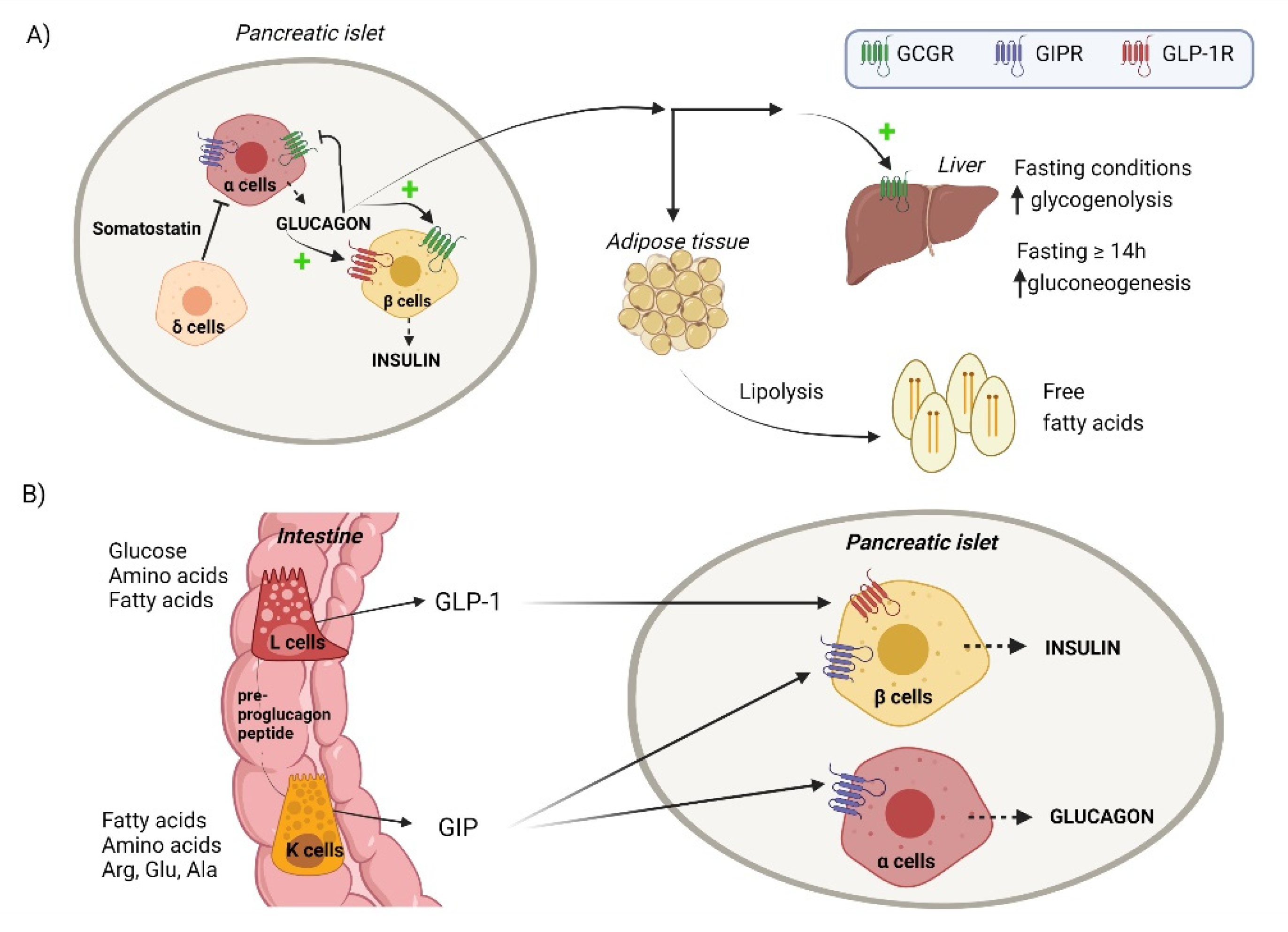
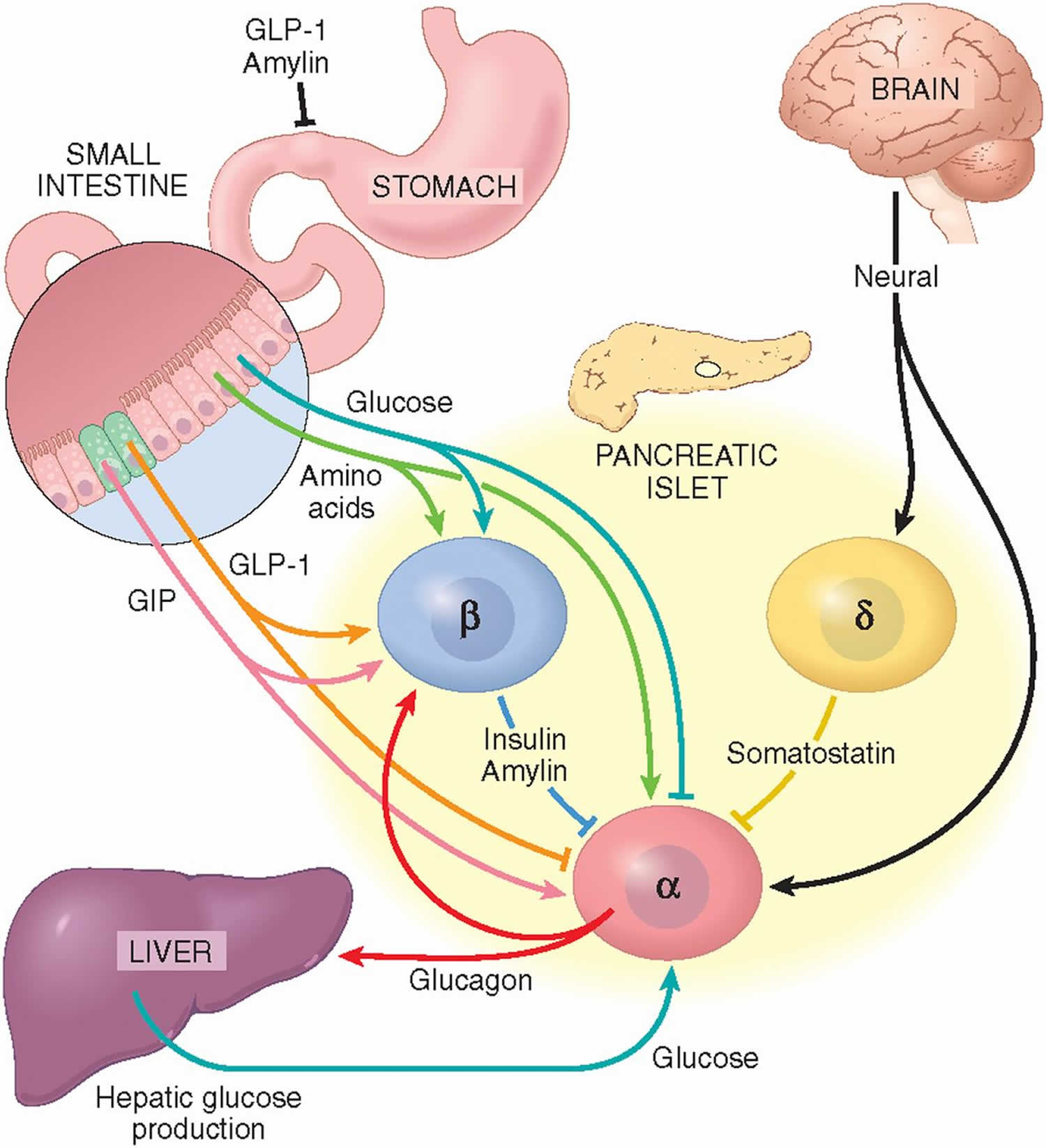
GLP-1 is a gastrointestinal hormone released in response to meal ingestion. It enhances insulin secretion from pancreatic β-cells and has been shown to promote the breakdown of fat. Studies have demonstrated that GLP-1 can inhibit fat synthesis by reducing the expression of genes involved in lipogenesis, the process by which the body creates fat from glucose. This reduction in fat synthesis leads to a decrease in lipid accumulation and improved glucose metabolism.GLP-1's Effect on Fat Differentiation
GLP-1 also plays a crucial role in fat differentiation, the process by which precursor cells become mature adipocytes (fat cells). By promoting the differentiation of preadipocytes into mature fat cells, GLP-1 contributes to fat mass regulation. Interestingly, GLP-1 has been shown to stimulate the expression of genes involved in lipolysis, the process by which fat is broken down, and antagonize the expression of genes involved in lipogenesis. This bimodal effect enables the body to regulate fat storage and mobilization in response to changing energy demands.GLP-1 and Fat Mobilization