Unlock the Power of Rosemary Oil for Hair Growth
Rosemary oil has been gaining attention in the hair care industry for its potential to promote hair growth, soothe an irritated scalp, and minimize dandruff. But does it really work? In this article, we'll delve into the science behind rosemary oil and its benefits for hair growth, as well as provide guidance on how to use it effectively.
What is Rosemary Oil and How Does it Help with Hair Growth?
Rosemary oil is extracted from the leaves of the rosemary plant (Rosmarinus officinalis) and has been used for centuries in traditional medicine for its medicinal and aromatic properties. When applied to the scalp, rosemary oil is believed to increase blood flow, reduce inflammation, and stimulate hair follicles, promoting healthy hair growth.
The Science Behind Rosemary Oil Hair Growth
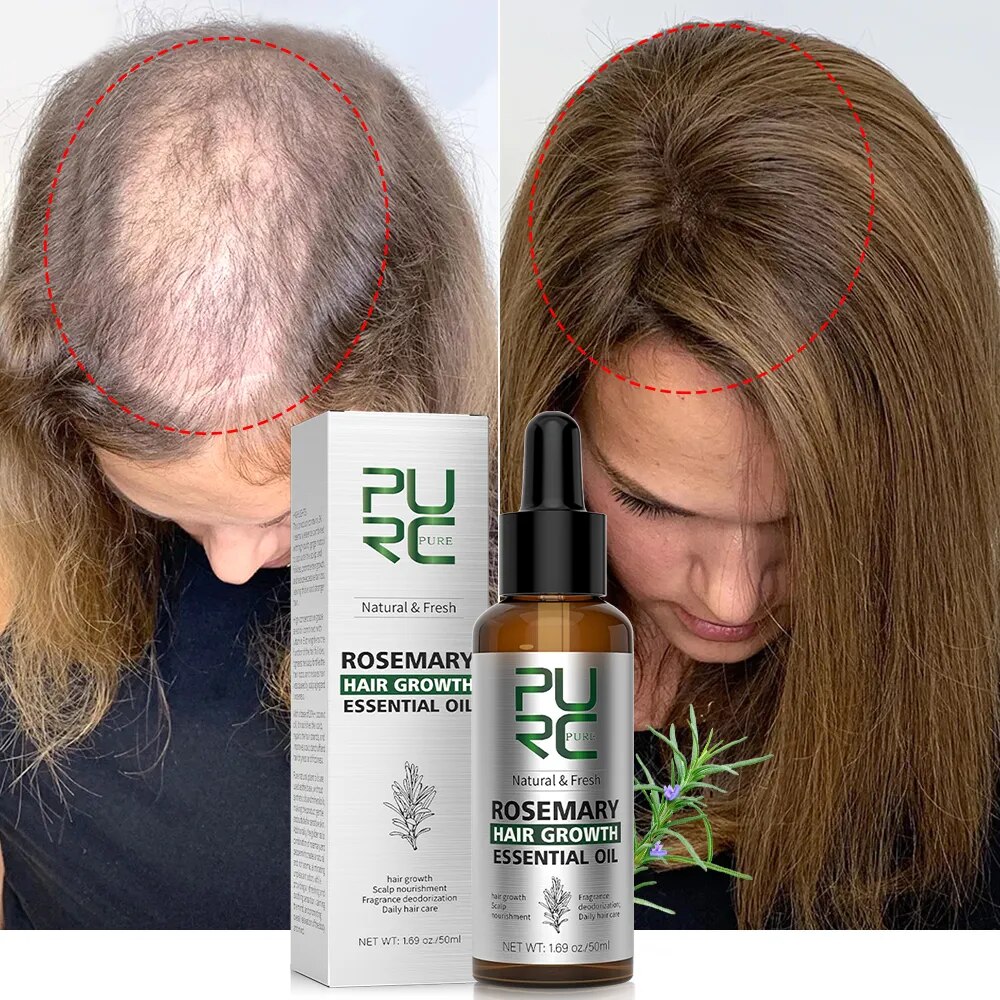
A 2015 randomized clinical trial published in SKINmed compared rosemary oil with 2% minoxidil, a medication commonly used to treat hair loss, and found that both treatments produced significant increases in hair count after six months of consistent use. This suggests that rosemary oil may be as effective as low-strength minoxidil in promoting hair growth.
Benefits of Rosemary Oil for Hair Growth
The benefits of rosemary oil for hair growth include:
- Stimulates hair follicles to promote healthy hair growth
- Reduces inflammation and soothes an irritated scalp
- Minimizes dandruff and other scalp irritations
- Improves blood flow to the scalp
How to Use Rosemary Oil for Hair Growth
To use rosemary oil for hair growth, follow these steps:
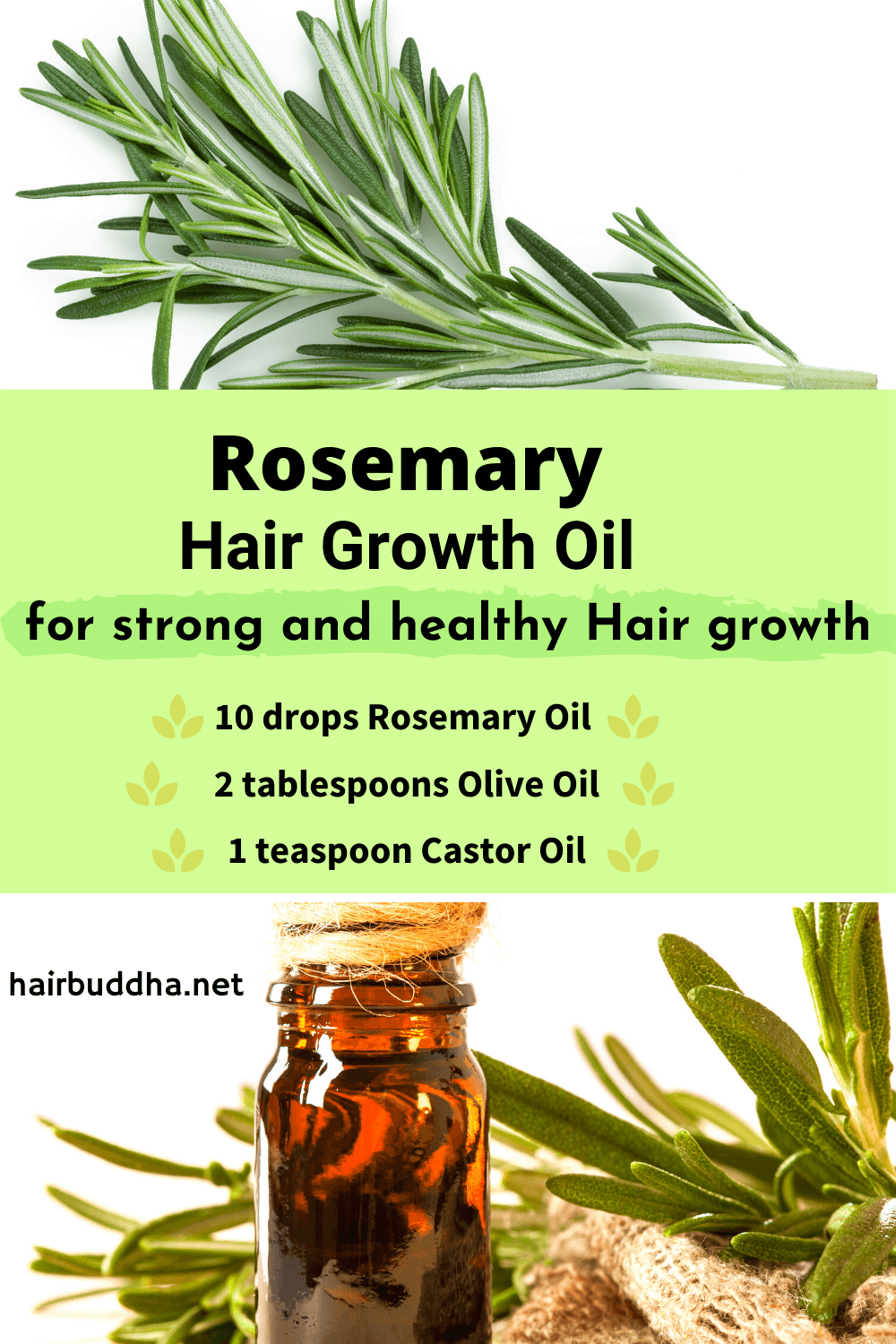
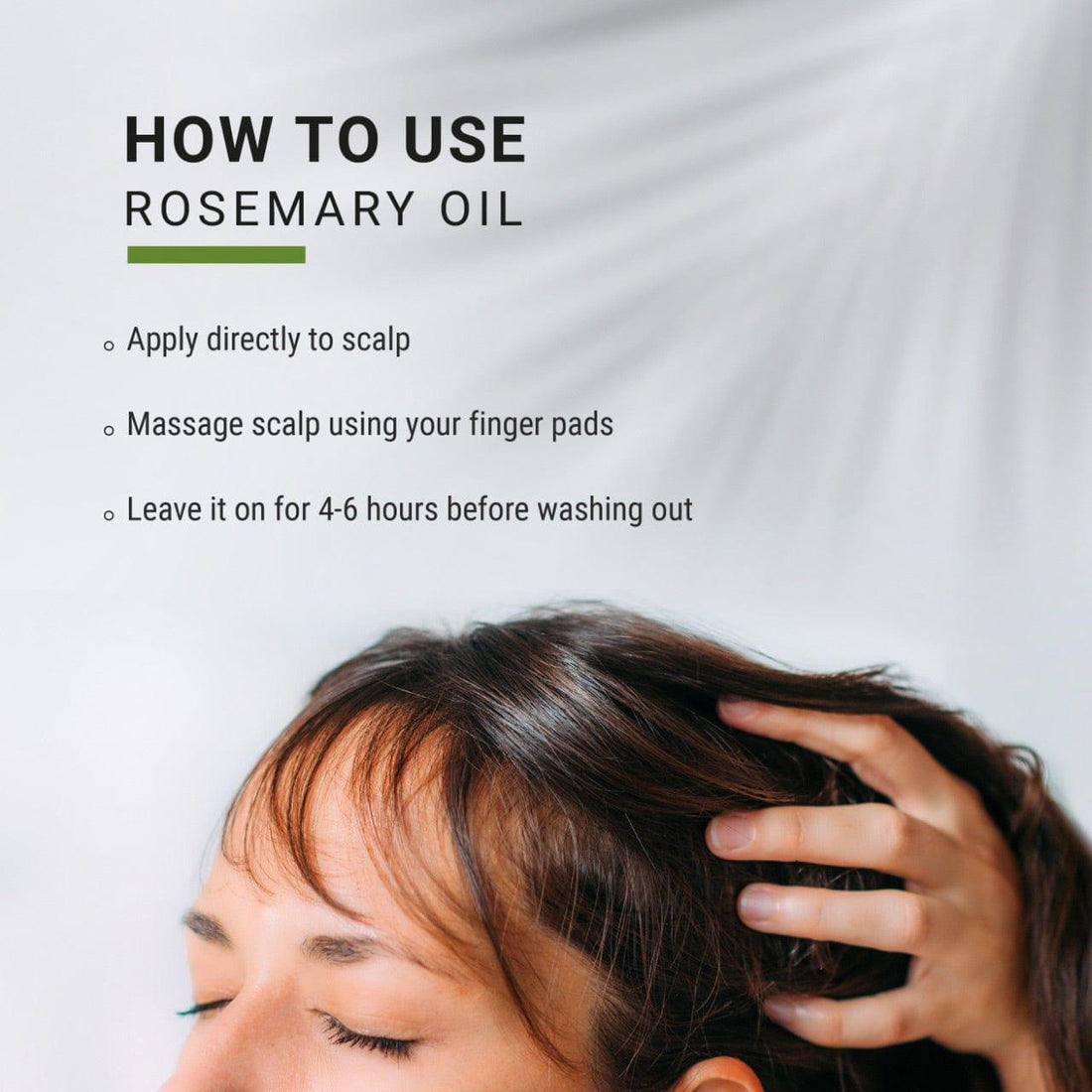
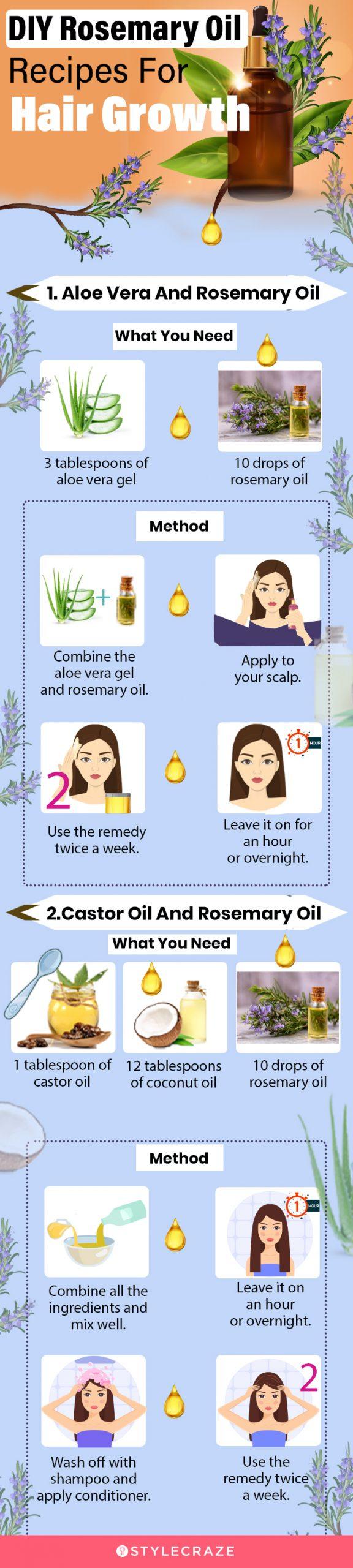
1. Dilute a few drops of rosemary oil with a carrier oil (such as coconut or olive oil) and massage it into your scalp for a few minutes.
2. Leave the oil on for at least 30 minutes before shampooing your hair as usual.
3. For best results, use rosemary oil regularly, ideally 2-3 times a week.
4. Be patient, as it may take several months to see noticeable results.

Realistic Expectations for Rosemary Oil Hair Growth
The time it takes to see results from rosemary oil hair growth can vary depending on individual factors such as genetics, scalp condition, diet, and overall health. On average, users can expect to see results within 3-6 months of consistent use.
Side Effects and Precautions
Rosemary oil can cause mild side effects such as scalp irritation, itching, and burning. Always dilute the oil with a carrier oil and do a patch test before using it on your scalp.
If you're pregnant, breastfeeding, or have a medical condition, consult with a healthcare professional before using rosemary oil.
Conclusion
Rosemary oil has shown promise in promoting hair growth, soothing an irritated scalp, and minimizing dandruff. While individual results may vary, its effectiveness is supported by clinical trials and anecdotal evidence. By incorporating rosemary oil into your hair care routine and being patient, you may be able to enjoy the benefits of this natural remedy for hair growth.
Frequently Asked Questions
Q: Can I use rosemary oil instead of minoxidil?
A: While rosemary oil has shown promise, minoxidil remains the gold standard for hair loss treatment. Rosemary oil may be used as an alternative or in conjunction with minoxidil.
Additional Tips and Product Recommendations
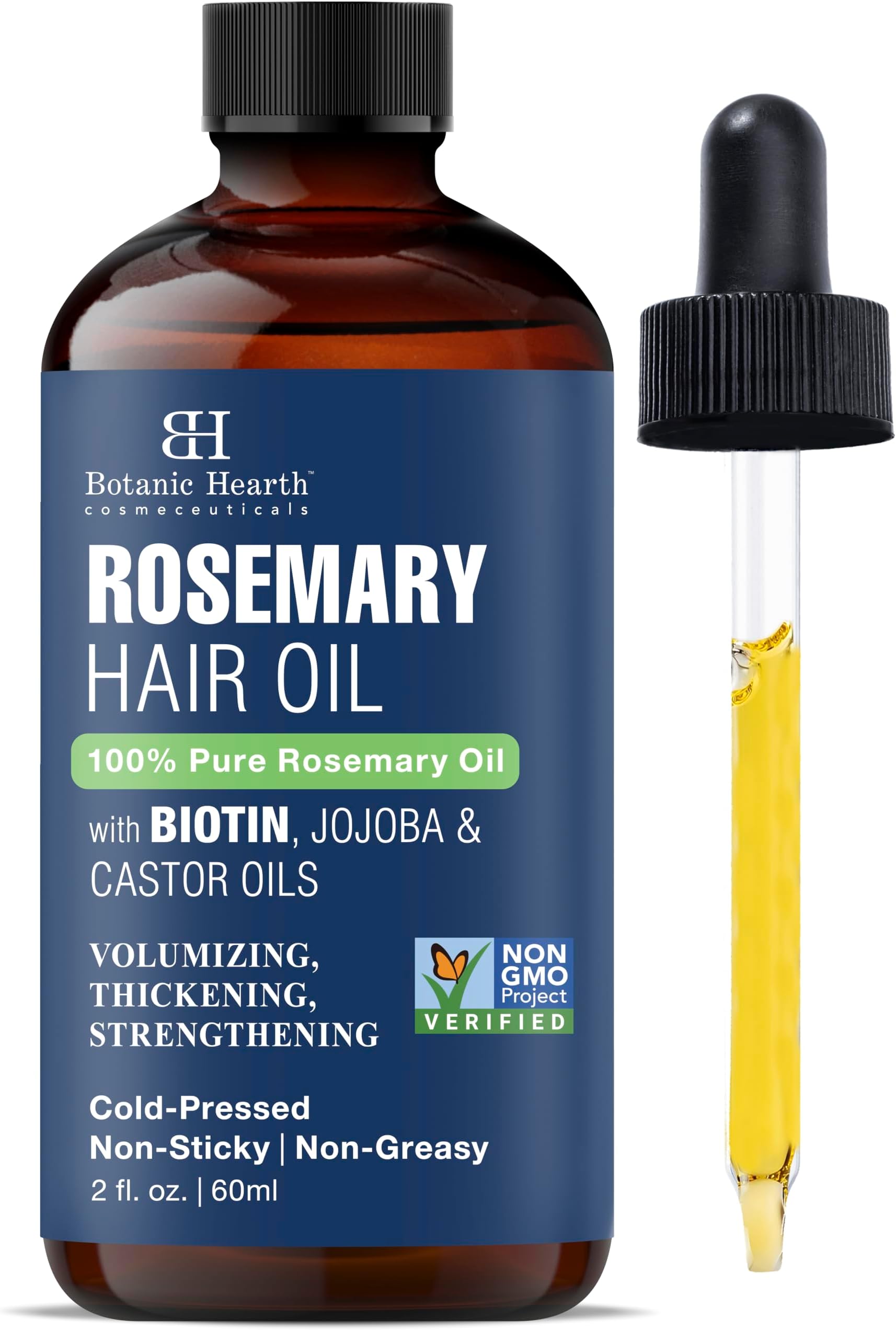
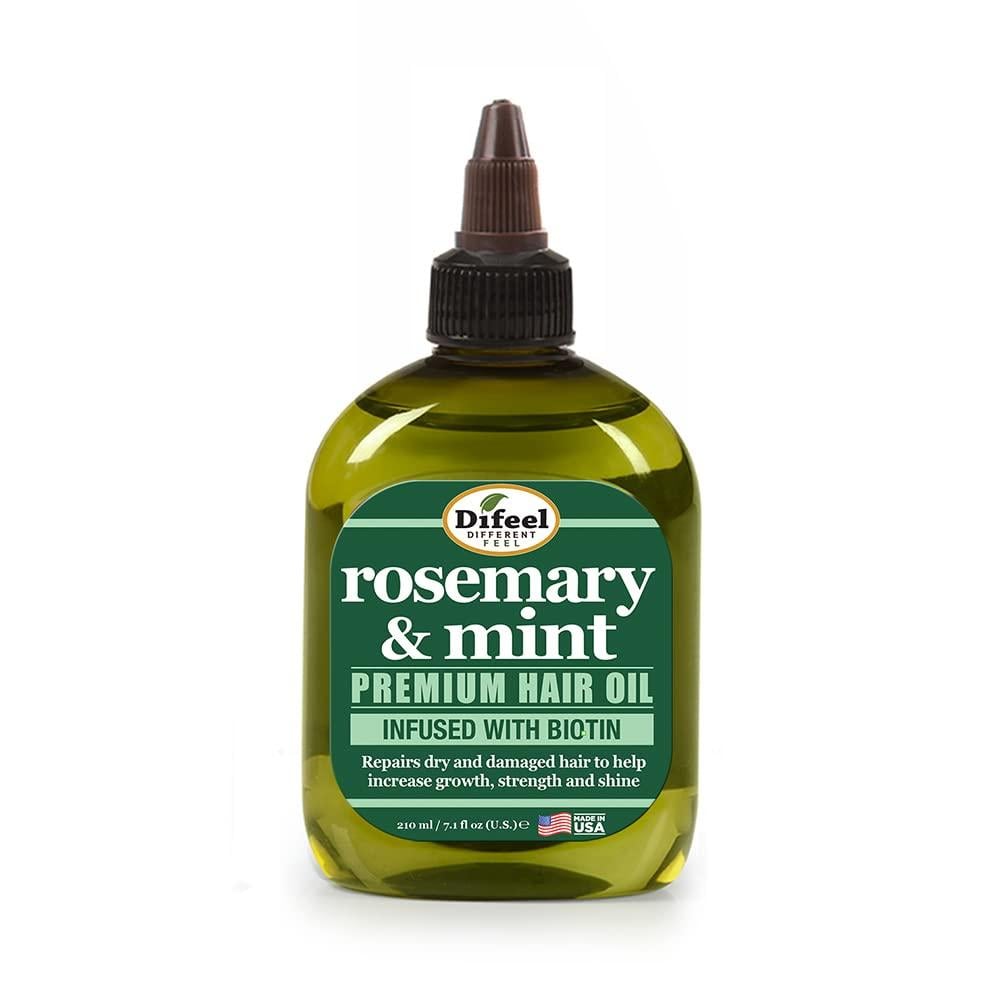
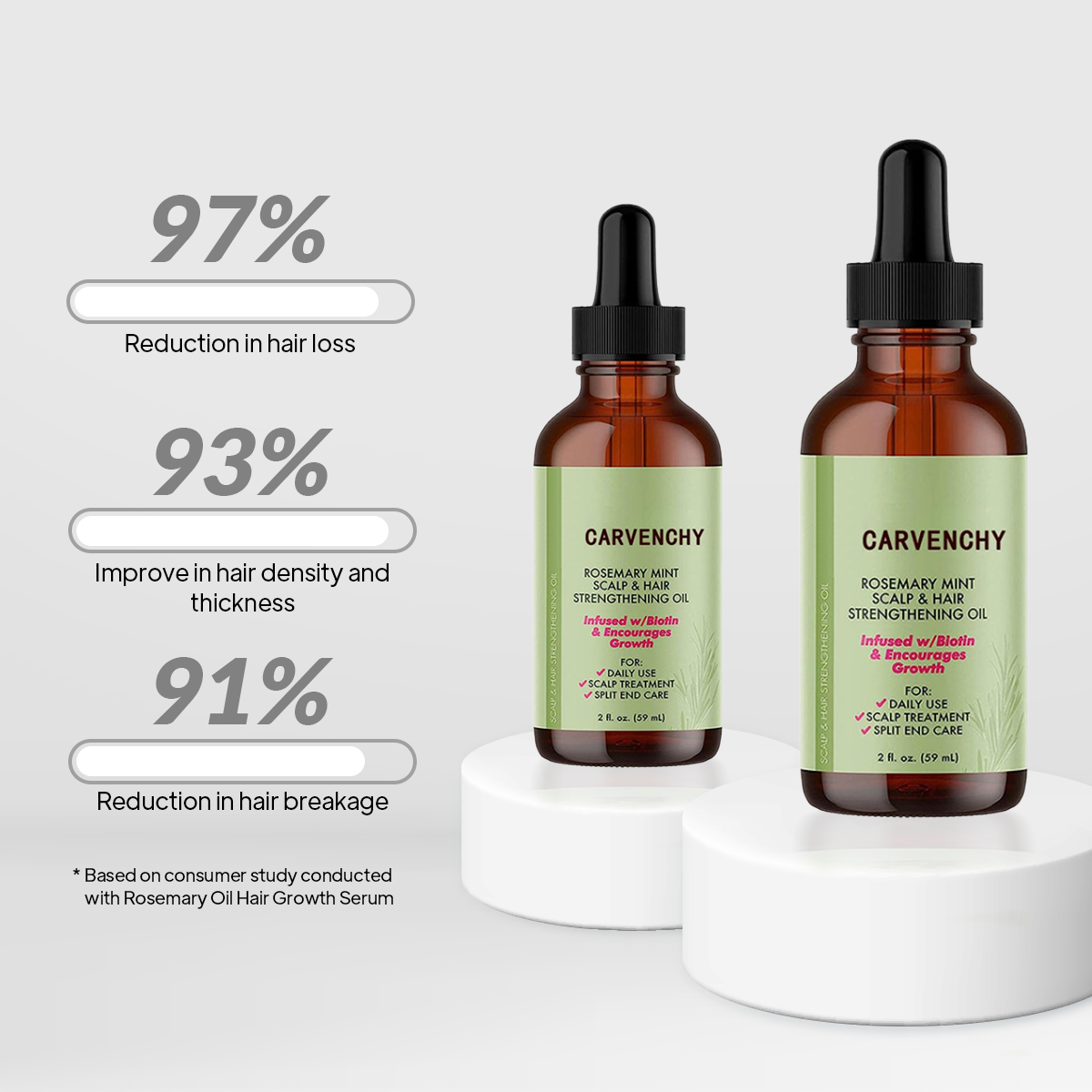
- Try combining rosemary oil with other natural remedies like biotin, jojoba oil, and castor oil for enhanced results.
- Use rosemary oil in combination with a scalp massager for increased blood flow and stimulation.
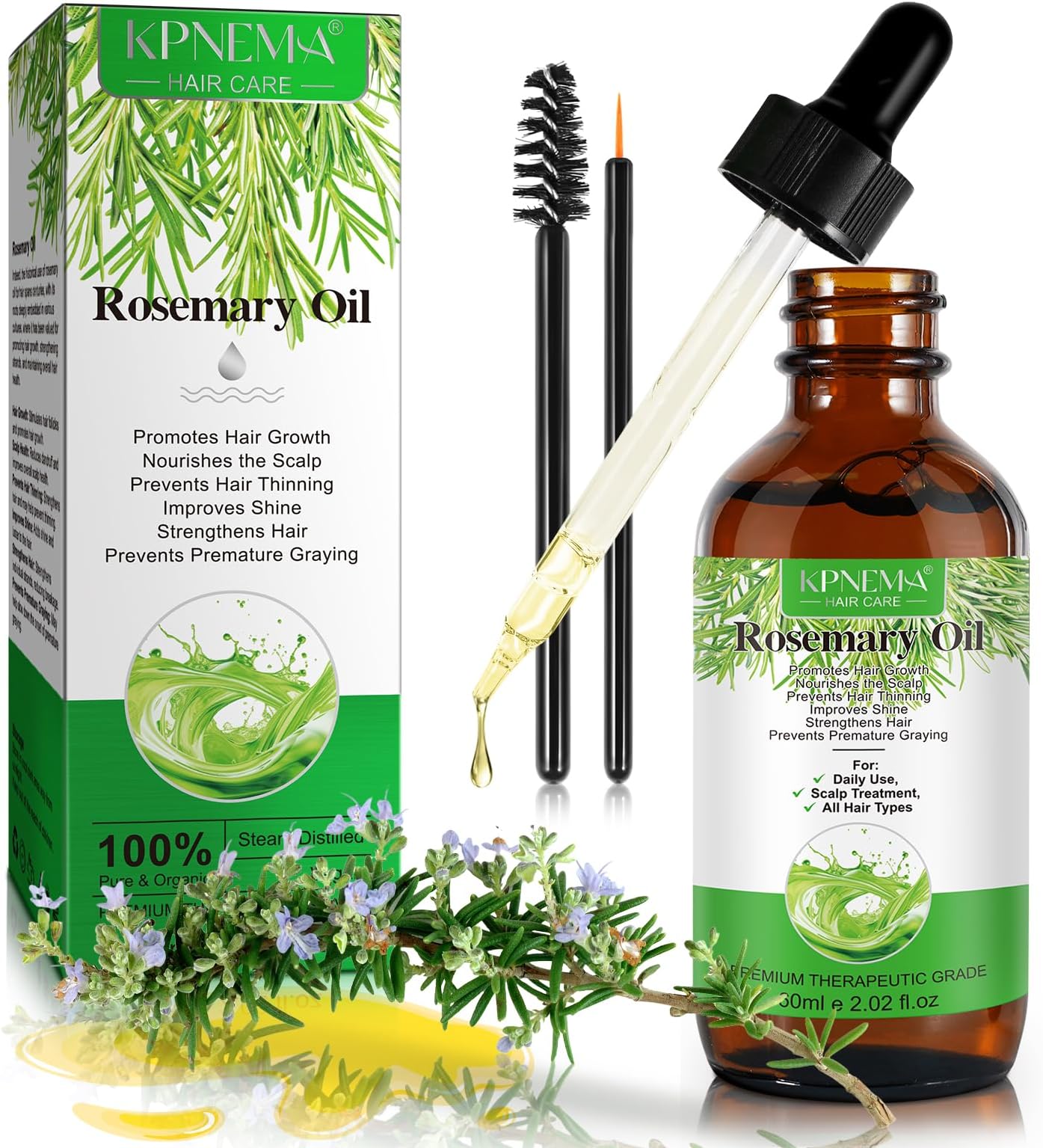
- Look for certified organic and pure rosemary oil products for the best results.
By understanding the science, benefits, and usage of rosemary oil for hair growth, you can unlock its full potential and enjoy healthier, thicker, and more vibrant hair. Remember to be patient, consistent, and gentle when using this natural remedy, and don't hesitate to consult with a healthcare professional if you have any concerns.