Attic Fan Installation for Improved Ventilation
A well-ventilated attic is crucial for maintaining the structural integrity and energy efficiency of your home. Proper attic ventilation can reduce heat buildup, minimize moisture damage, and improve indoor comfort and energy efficiency. In this article, we will discuss the importance of attic ventilation, the benefits of installing an attic fan, and provide a step-by-step guide on how to install an attic fan for improved ventilation.
Why Attic Ventilation is Important
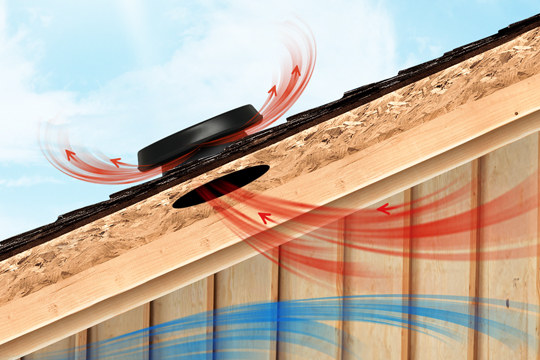
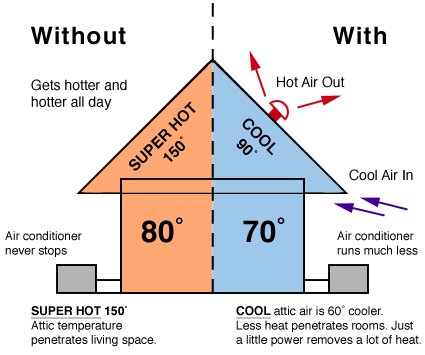
Attic ventilation plays a critical role in maintaining the health and efficiency of your home's roofing system. A well-ventilated attic can help reduce the risk of moisture damage, which can lead to mold growth, structural damage, and costly repairs. Proper attic ventilation also helps to reduce heat buildup in the summer, which can lower cooling costs and improve indoor comfort.
Benefits of Attic Fan Installation
- Reduced energy costs: Attic fans can help reduce cooling costs by up to 30% by removing hot air from the attic.
- Improved indoor comfort: Attic fans can help to regulate attic temperatures, making it more comfortable to live in the home.
- Increased energy efficiency: Attic fans can help to reduce heat buildup in the attic, which can improve the efficiency of the home's heating and cooling system.
- Reduced risk of moisture damage: Attic fans can help to remove moisture from the attic, reducing the risk of mold growth and structural damage.
How to Install an Attic Fan
Installing an attic fan is a relatively simple process that can be completed with a few basic tools. Here is a step-by-step guide to installing an attic fan:
Tools and Materials Needed
- Attic fan
- Mounting brackets
- Roofing nails
- Screwdriver
- Wire cutters
- Wire nuts
Preparation
Before installing the attic fan, ensure that you have properly assessed the attic ventilation needs of your home. Consult with a professional if you are unsure.
Step 1: Locate the Attic Fan
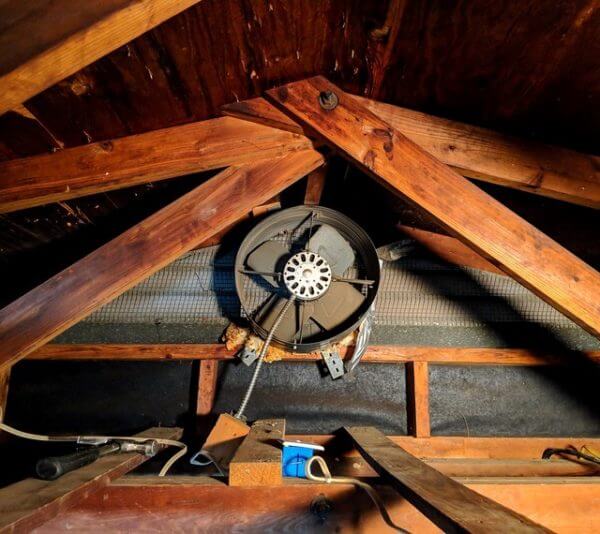
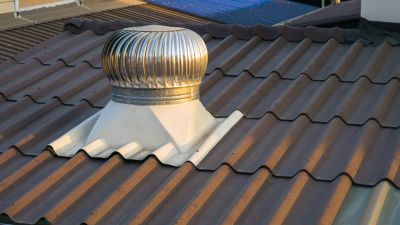
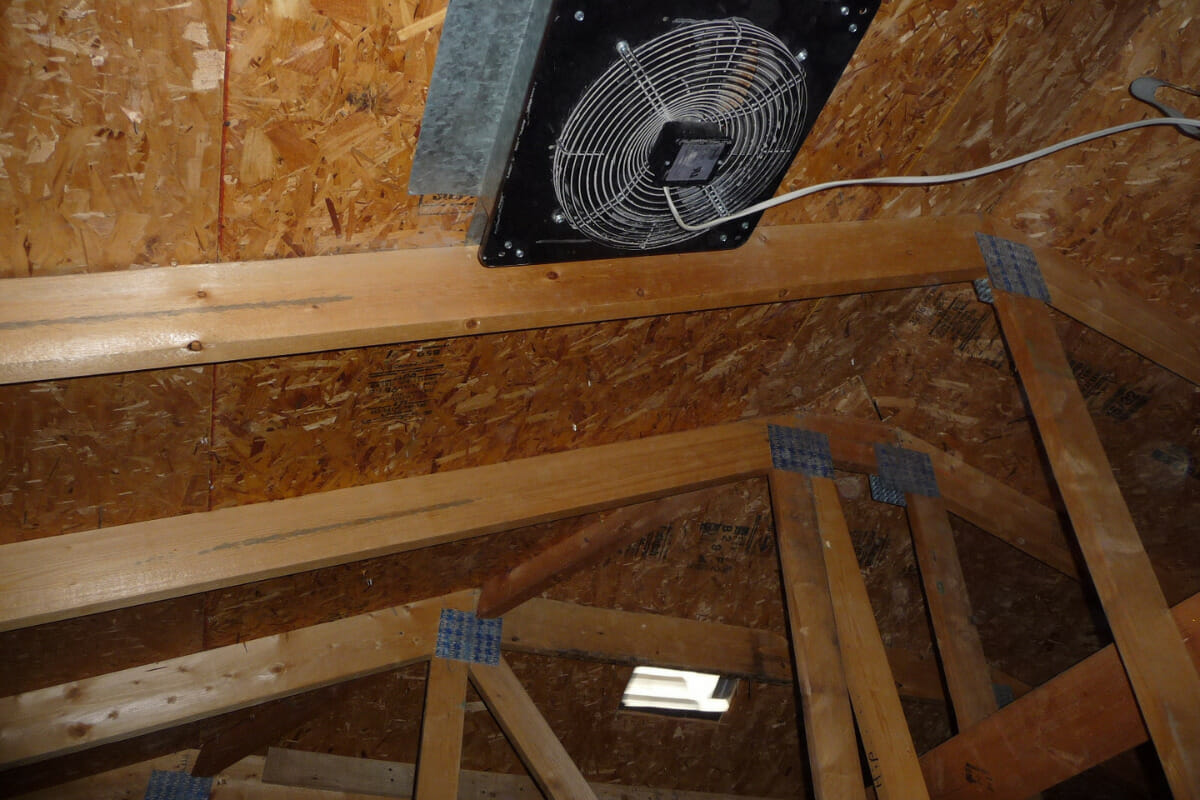
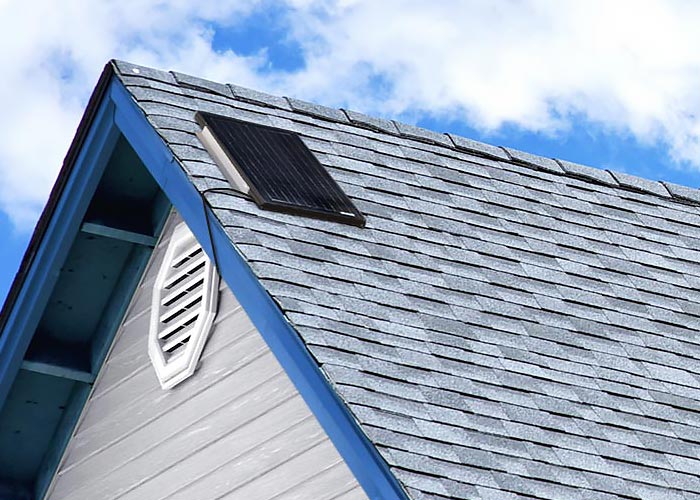
Choose a location for the attic fan that provides good airflow and is easily accessible. Typically, the attic fan is installed on the roof overhang or gable.
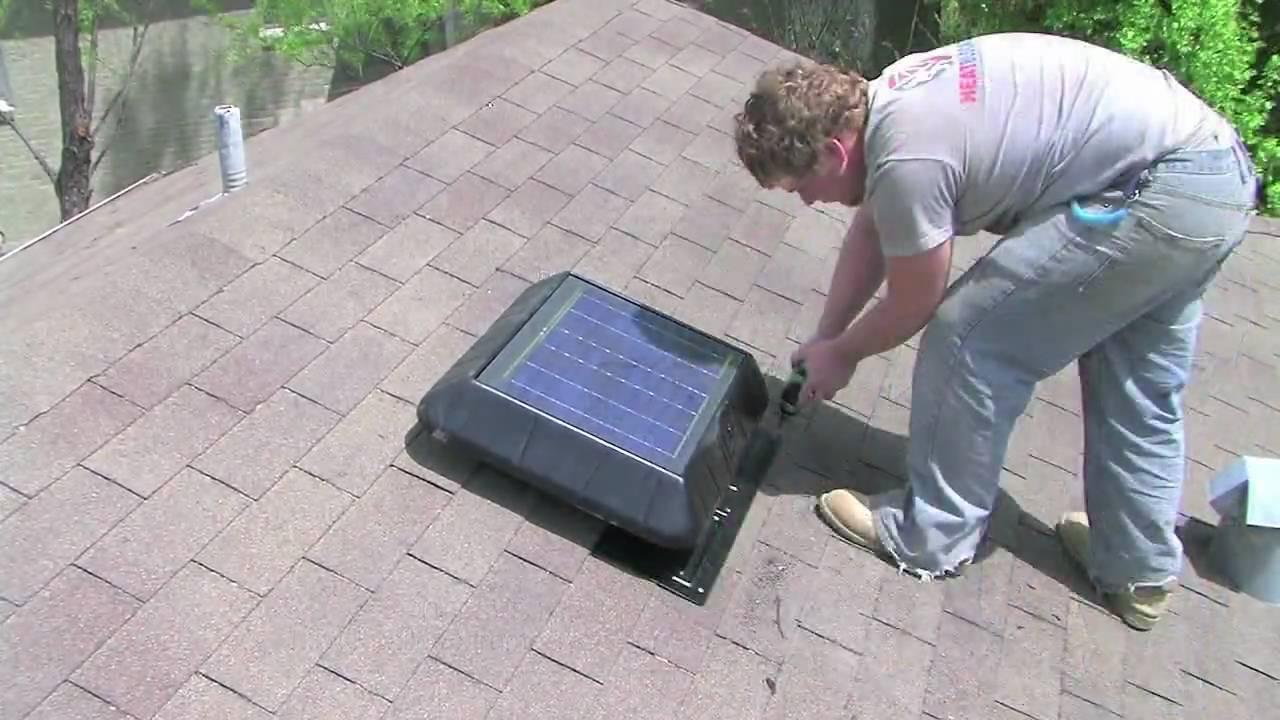
Step 2: Mount the Attic Fan
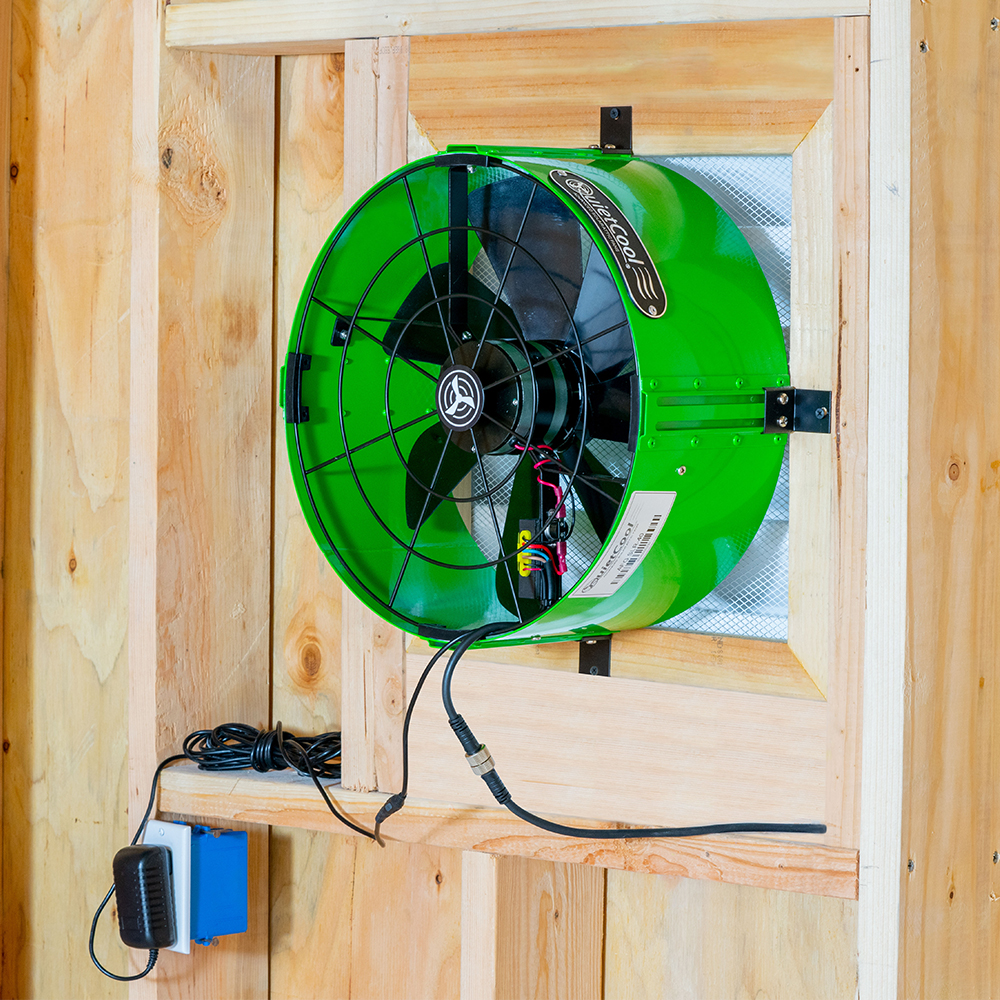
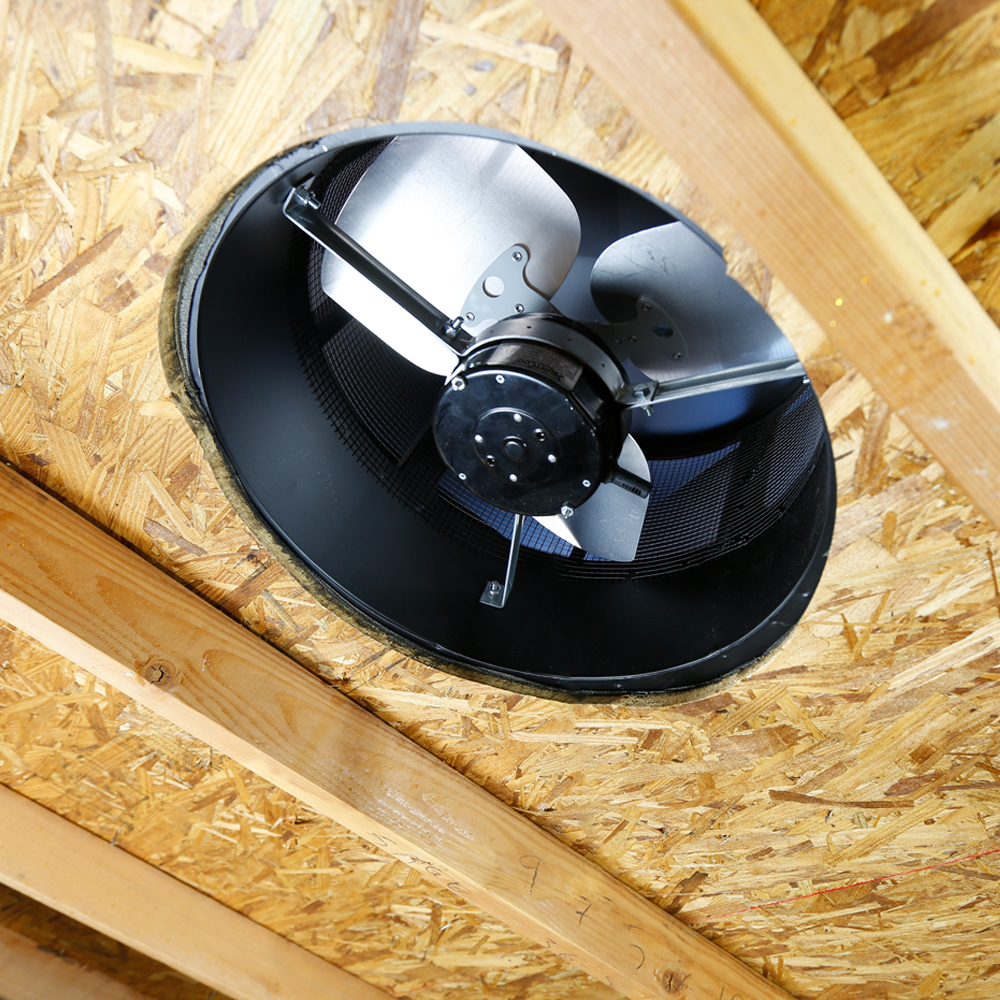
Use the mounting brackets to secure the attic fan to the roof. Ensure that the fan is properly aligned and secure.
Step 3: Connect the Wiring
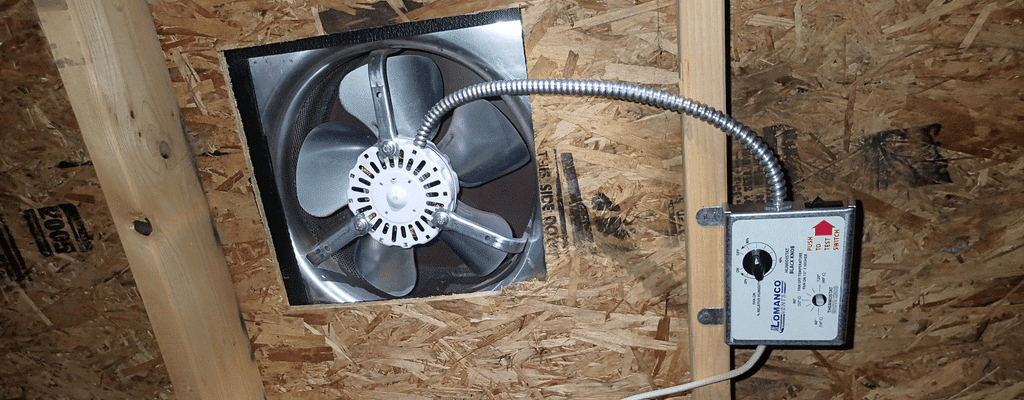
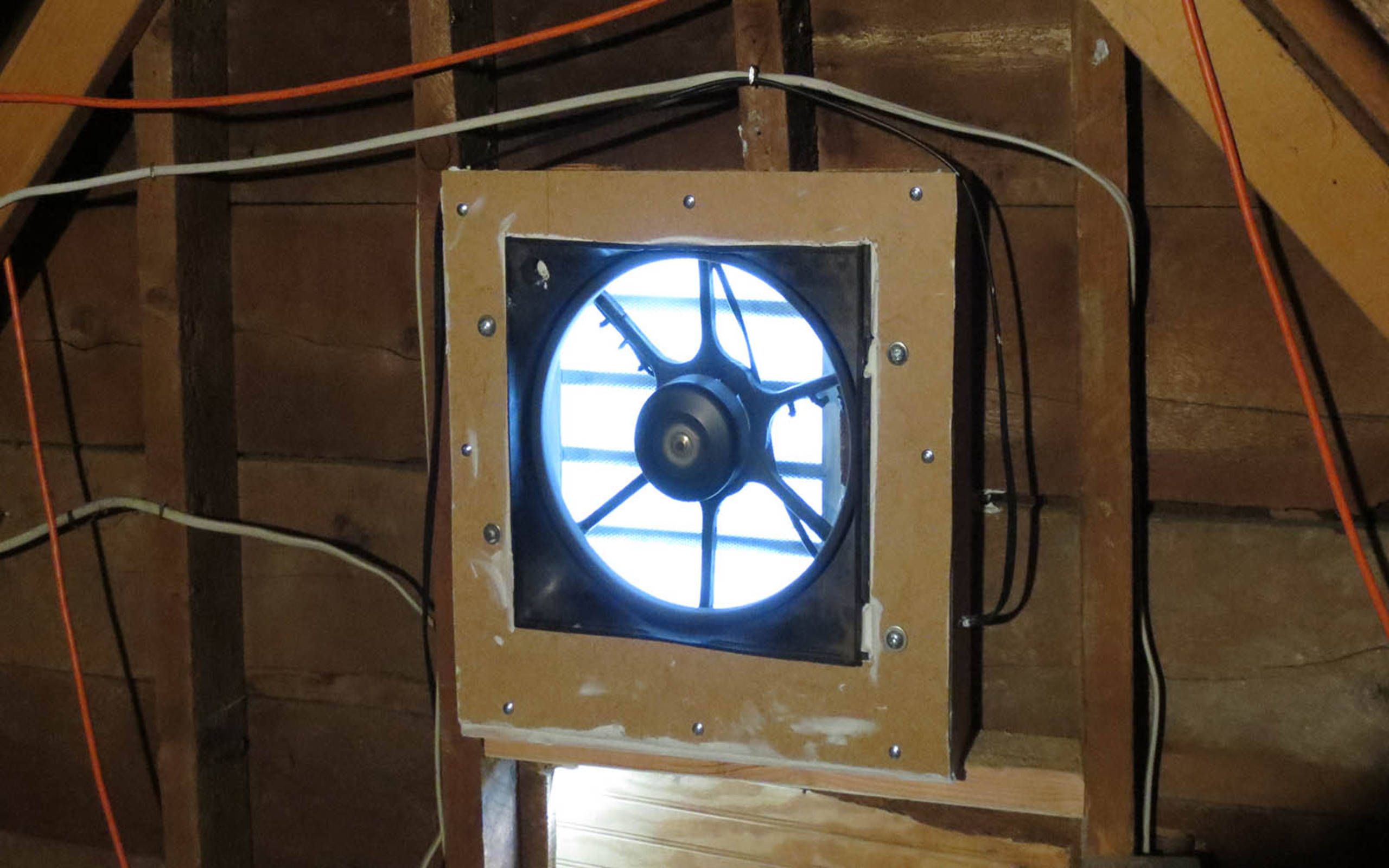
Connect the wiring to the attic fan, following the manufacturer's instructions. Use wire nuts to secure the connections.

Step 4: Install the Fan Blades
Install the fan blades according to the manufacturer's instructions. Ensure that the blades are securely attached to the fan hub.
Step 5: Test the Attic Fan
Test the attic fan to ensure that it is working properly. Check for any leaks or other issues.
Conclusion
Attic fan installation is a simple and effective way to improve attic ventilation and reduce energy costs. By following the steps outlined in this article, you can ensure a successful installation and enjoy the benefits of improved attic ventilation.
Additional Tips and Considerations
When installing an attic fan, consider the following tips and considerations:
Choose the Right Attic Fan
Choose an attic fan that is suitable for your home's size and ventilation needs. Consider factors such as CFM (cubic feet per minute) and wattage.
Consider Thermostat Control
Consider installing a thermostat-controlled attic fan, which can help to regulate attic temperatures and improve energy efficiency.
Maintain the Attic Fan
Maintain the attic fan regularly to ensure optimal performance. Check the fan blades, wiring, and other components for any signs of wear or damage.
Consult a Professional
Consult a professional if you are unsure about any aspect of attic fan installation. They can provide guidance and ensure a successful installation.