Correct Posture at Work: A Guide to Reducing Pain and Boosting Productivity
Introduction
The Importance of Correct Posture at Work
If your work involves sitting at a desk, discomfort doesn't have to be part of the job. Chair height, equipment spacing, and desk posture all make a difference. By establishing good posture habits, you can avoid common health problems associated with prolonged sitting. Proper posture at work can help reduce the risk of back pain, improve your overall health, and increase your energy levels.
Benefits of Good Posture
- Reduces the risk of back pain
- Improves overall health
- Increases energy levels
- Enhances confidence
- Improves breathing and digestion
How to Maintain Correct Posture at Work
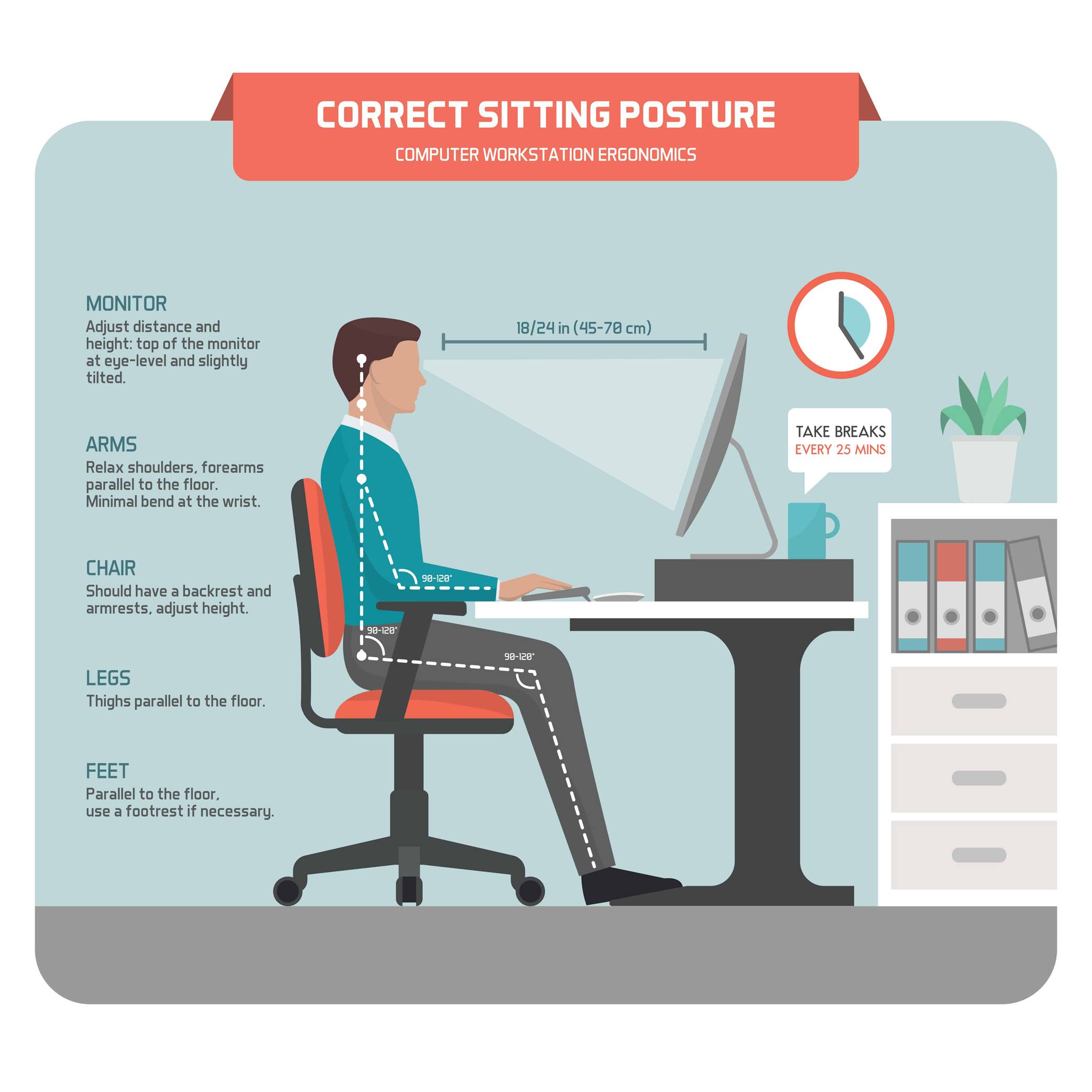
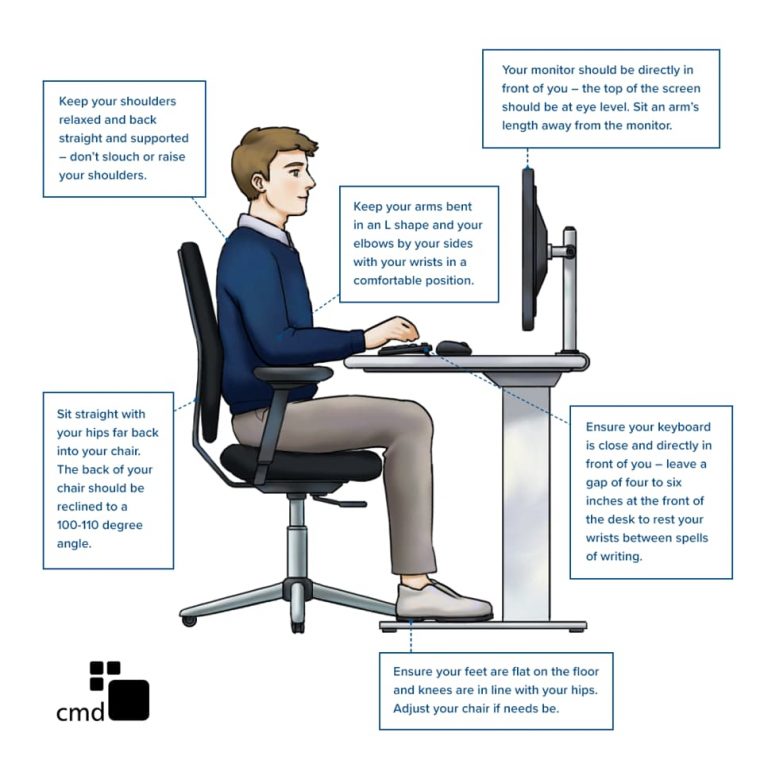
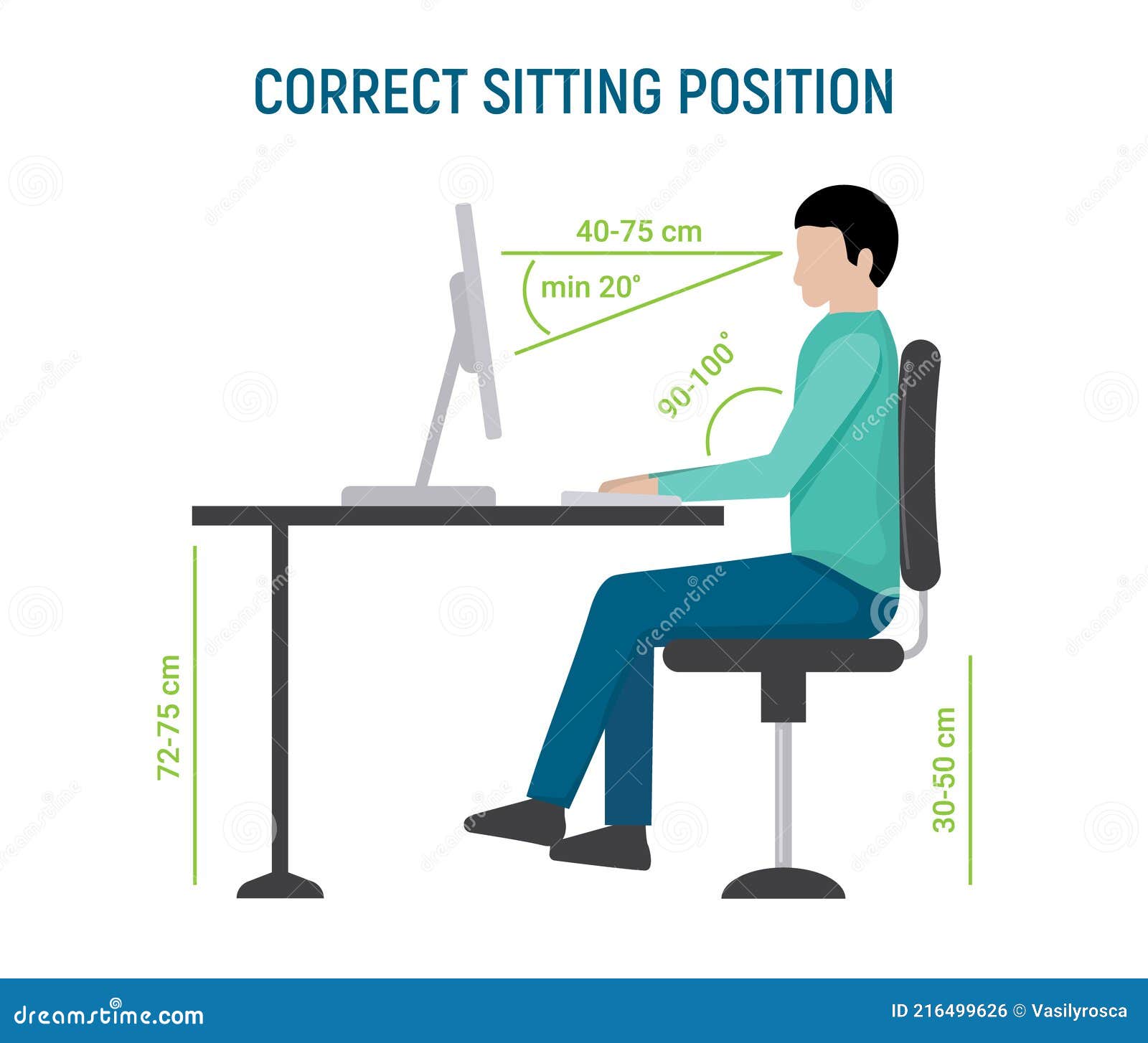
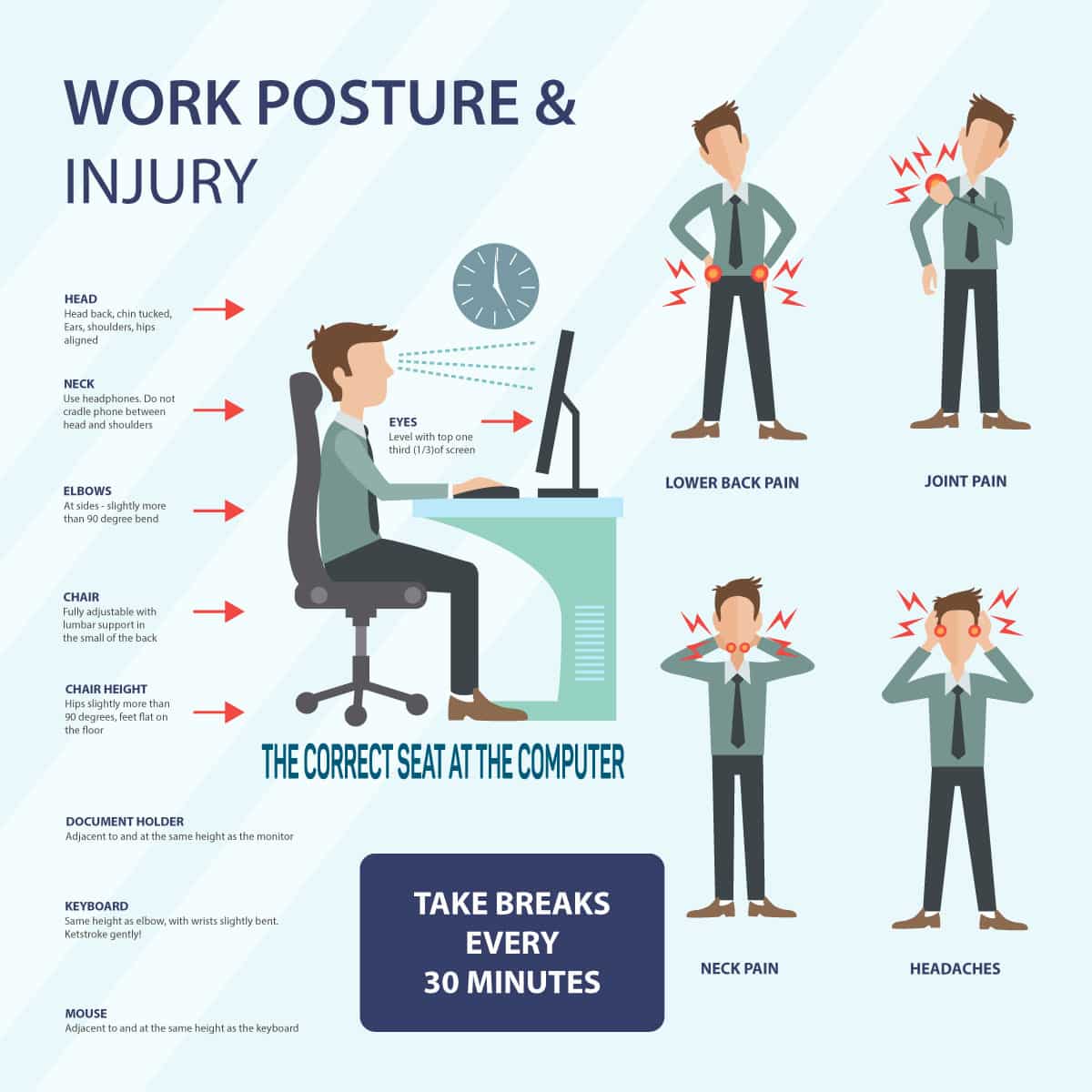
The first step to improving posture is to understand the correct posture stance. The correct posture position involves:
- Having your feet flat on the floor or a footrest.
- Keeping your knees at or below hip level.
- Keeping your chair height at a comfortable level, allowing your elbows to be at a 90-degree angle.
- Keeping your shoulders back and down.
- Placing your monitor directly in front of you, at a comfortable distance, and at a height that doesn't require you to tilt your head.
Common Mistakes to Avoid
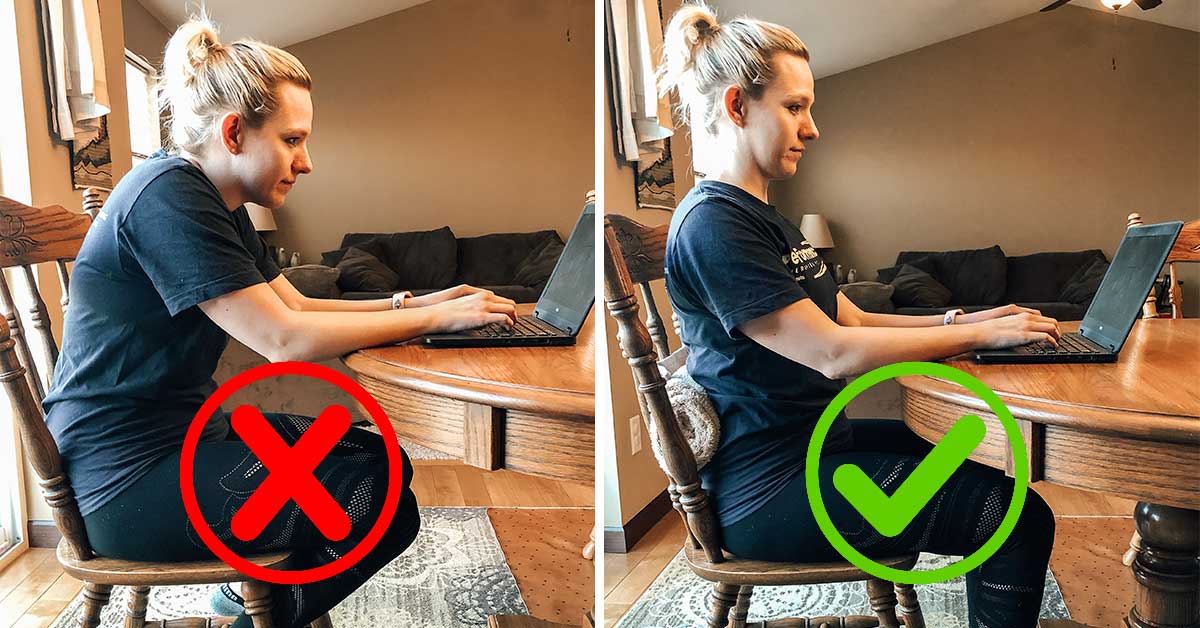
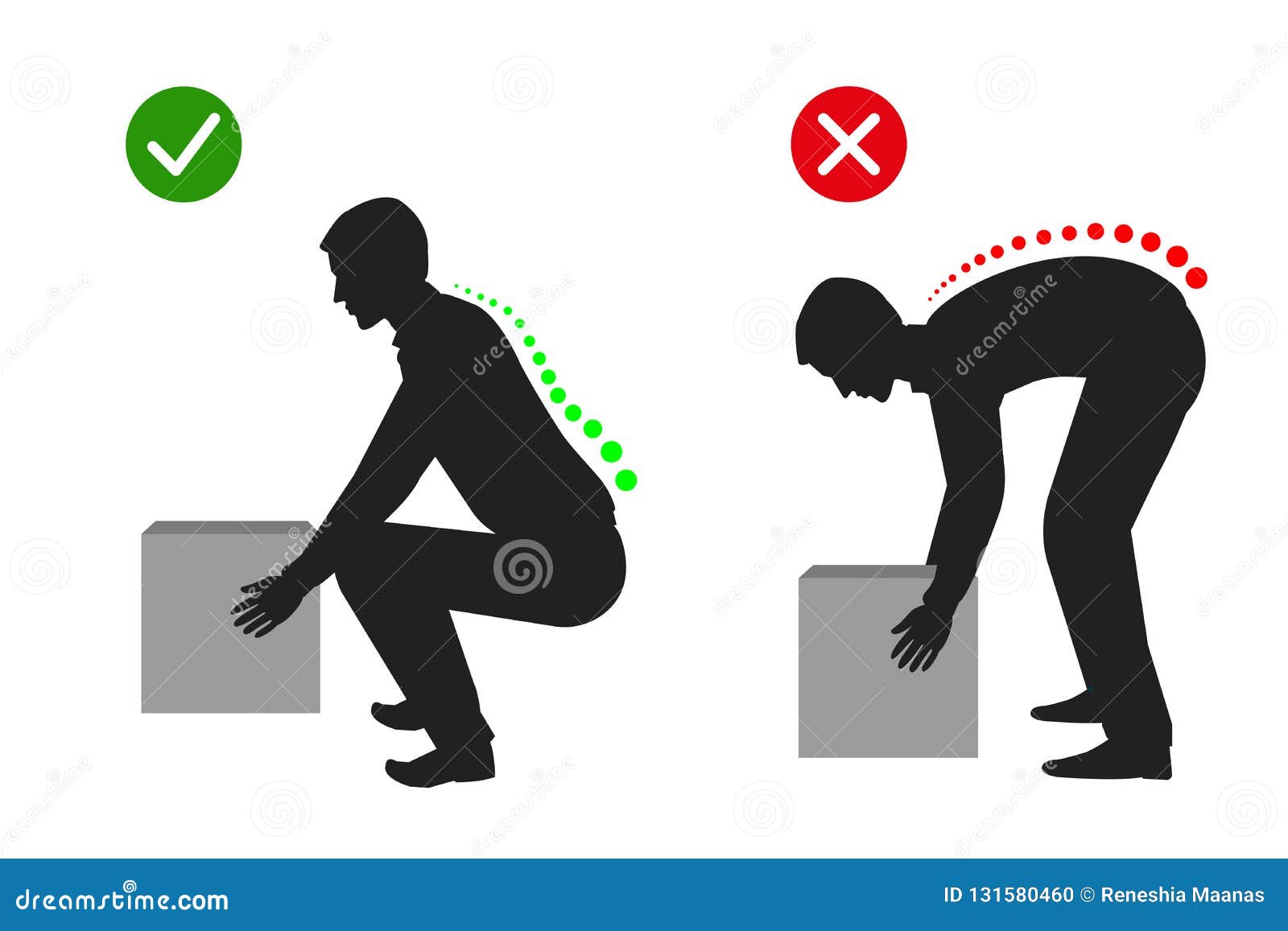
Many of us develop poor posture habits in our daily lives, often unknowingly. Common mistakes to avoid include:
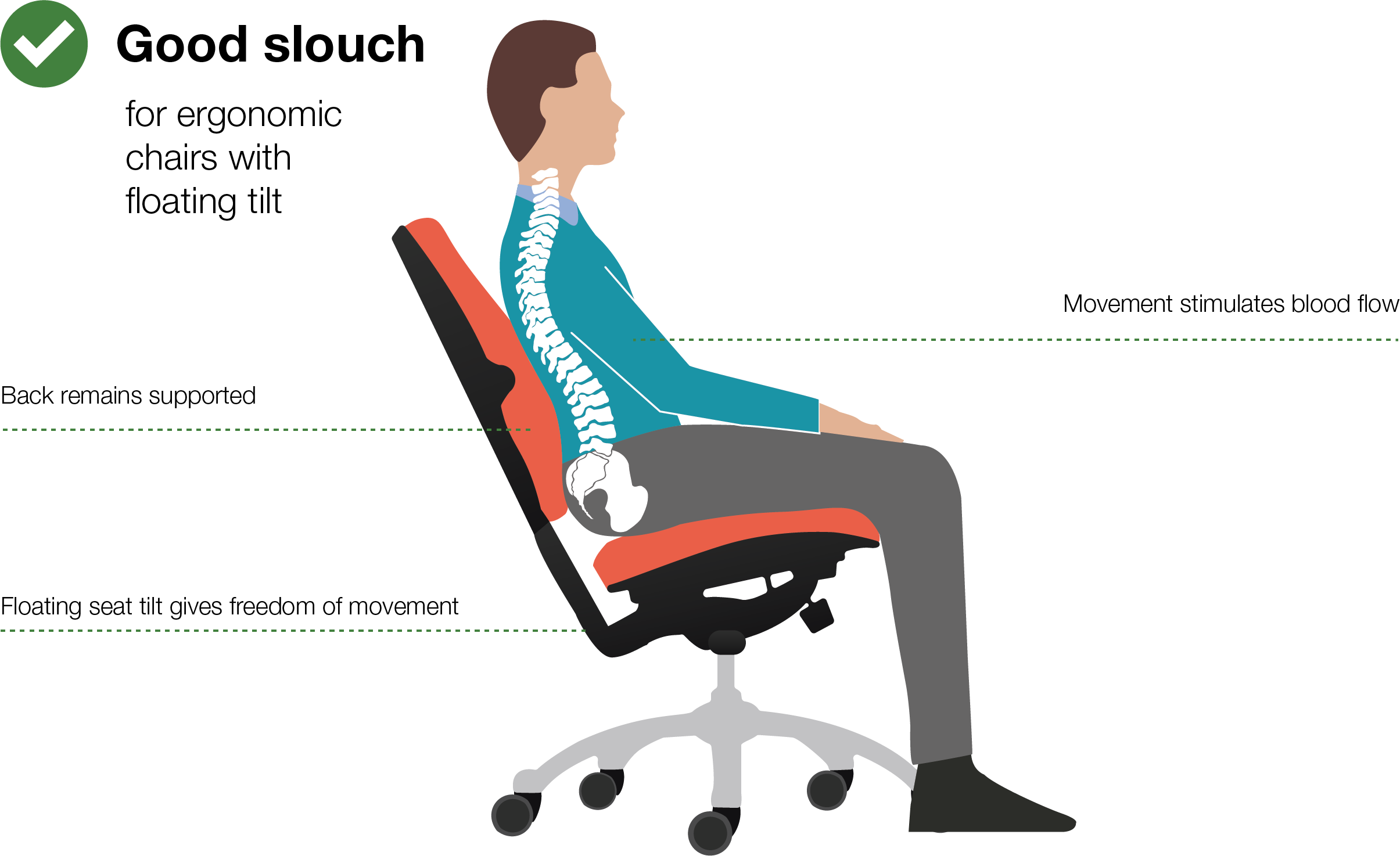
- Slouching or leaning forward.
- Not keeping your shoulders back and down.
- Letting your head or neck jut forward.
- Not maintaining a 90-degree angle between your arms and torso.
- Ignoring your monitor's height and distance.
Stretches to Improve Posture
Improving your posture requires a combination of establishing good habits and practice. Try incorporating the following stretches into your daily routine:
- Shoulder rolls: gently roll your shoulders forward and backward in a circular motion.
- Neck stretches: slowly tilt your head to the side, bringing your ear towards your shoulder.
- Chest-opening stretches: place your hands behind you on the armrests and lean back, stretching your chest.
- Spinal extensions: slowly arch your back, tilting your head and tailbone towards the ceiling.
- Foot exercises: lift your heels off the floor and stretch your feet forward, keeping your knees straight.
Upgrading Your Workspace for Better Posture
Your workspace can significantly impact your posture. Consider the following upgrades:
- Invest in an ergonomic chair with adjustable height and lumbar support.
- Place your keyboard and mouse close to your body to avoid stretching and reaching.
- Adjust your monitor height and distance to reduce eye strain and neck strain.
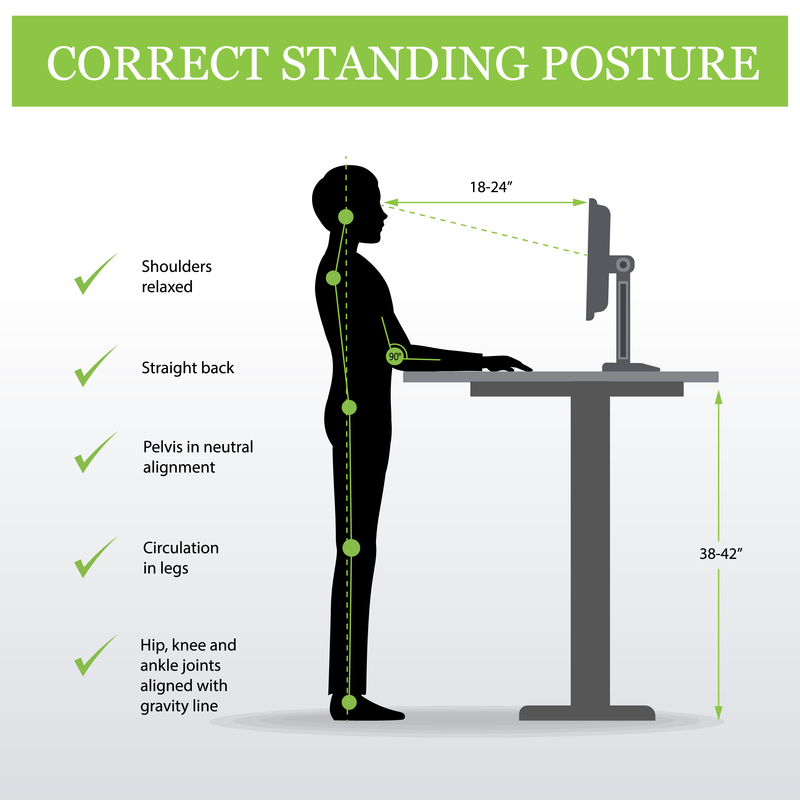
- Consider using a standing desk or a desk riser to promote standing throughout the day.
Conclusion
The correct posture at work can make a significant difference in reducing pain and improving overall well-being. By establishing good posture habits, incorporating regular stretches, and upgrading your workspace, you can work comfortably and productively while reducing the risk of back pain and other health problems.