Unlocking the Secrets of GLP-1 and Glucagon Secretion: A Powerful Duo in Glucose Regulation
Glucagon-like peptide-1 (GLP-1) and glucagon secretion are two closely related processes that play a crucial role in regulating glucose homeostasis in the body. As a type of incretin hormone, GLP-1 facilitates the release of insulin in response to glucose, while also inhibiting glucagon secretion to prevent excessive glucose production. In this article, we'll delve into the fascinating world of GLP-1 and glucagon secretion, exploring their mechanisms of action, clinical implications, and potential therapeutic applications.
GLP-1: The Hero of Glucose Homeostasis
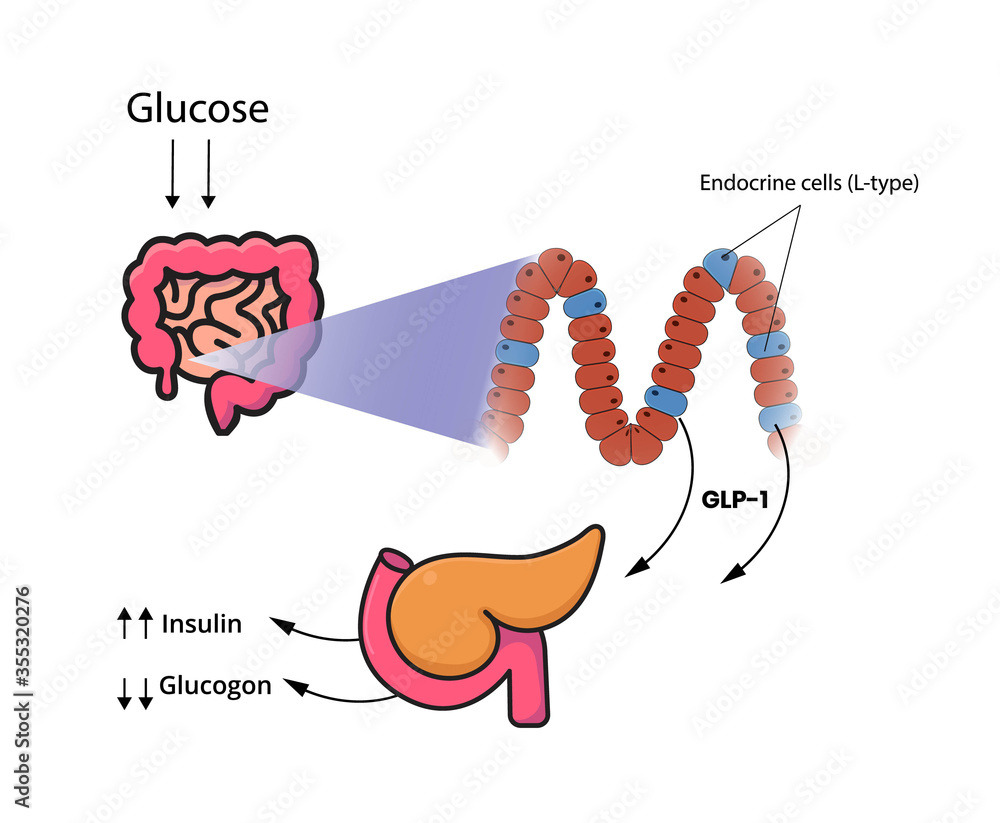
GLP-1, also known as glucagon-like peptide-1, is a 30- or 31-amino acid peptide hormone produced by the enteroendocrine L cells in the small intestine. It plays a key role in regulating glucose homeostasis by stimulating insulin secretion from pancreatic beta cells in a glucose-dependent manner. This mechanism ensures that insulin is released in response to rising glucose levels in the bloodstream, thereby preventing spikes in blood sugar levels.
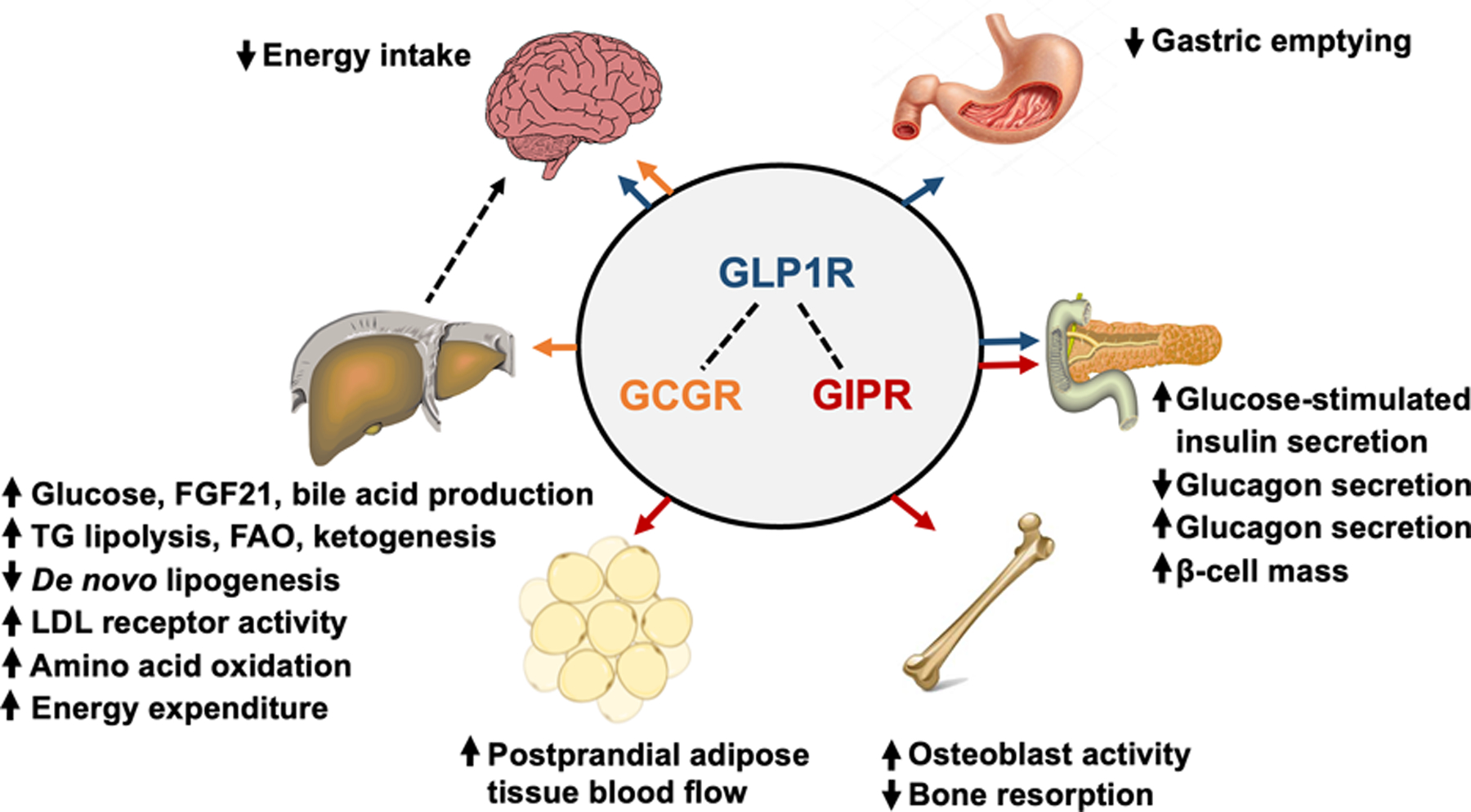
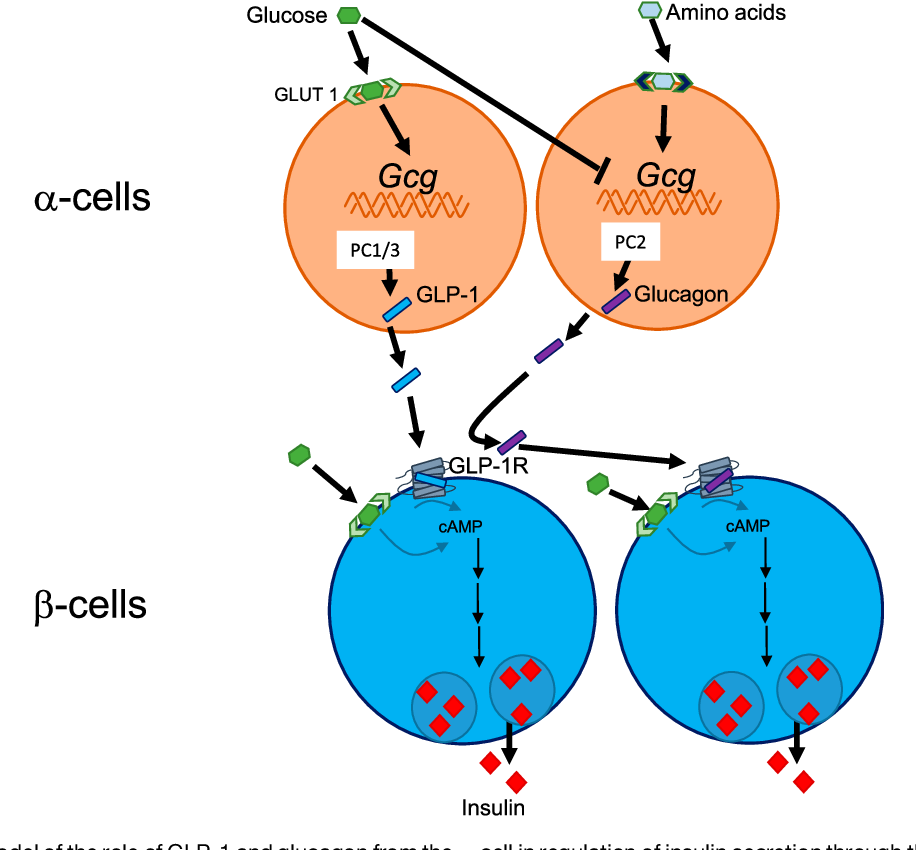
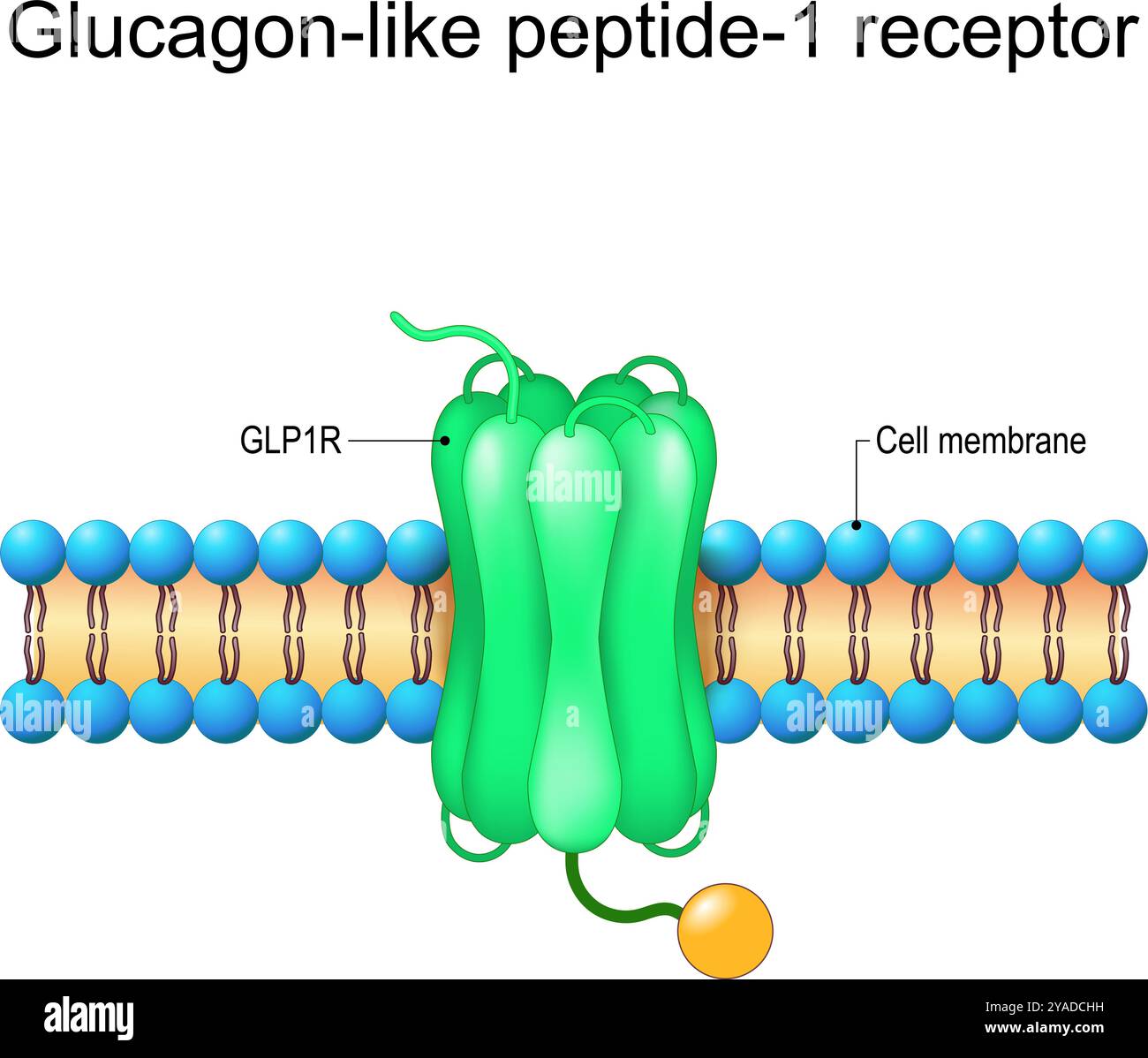
- GLP-1 activates GLP-1 receptors (GLP-1r) on pancreatic beta cells, inducing insulin secretion in response to glucose.
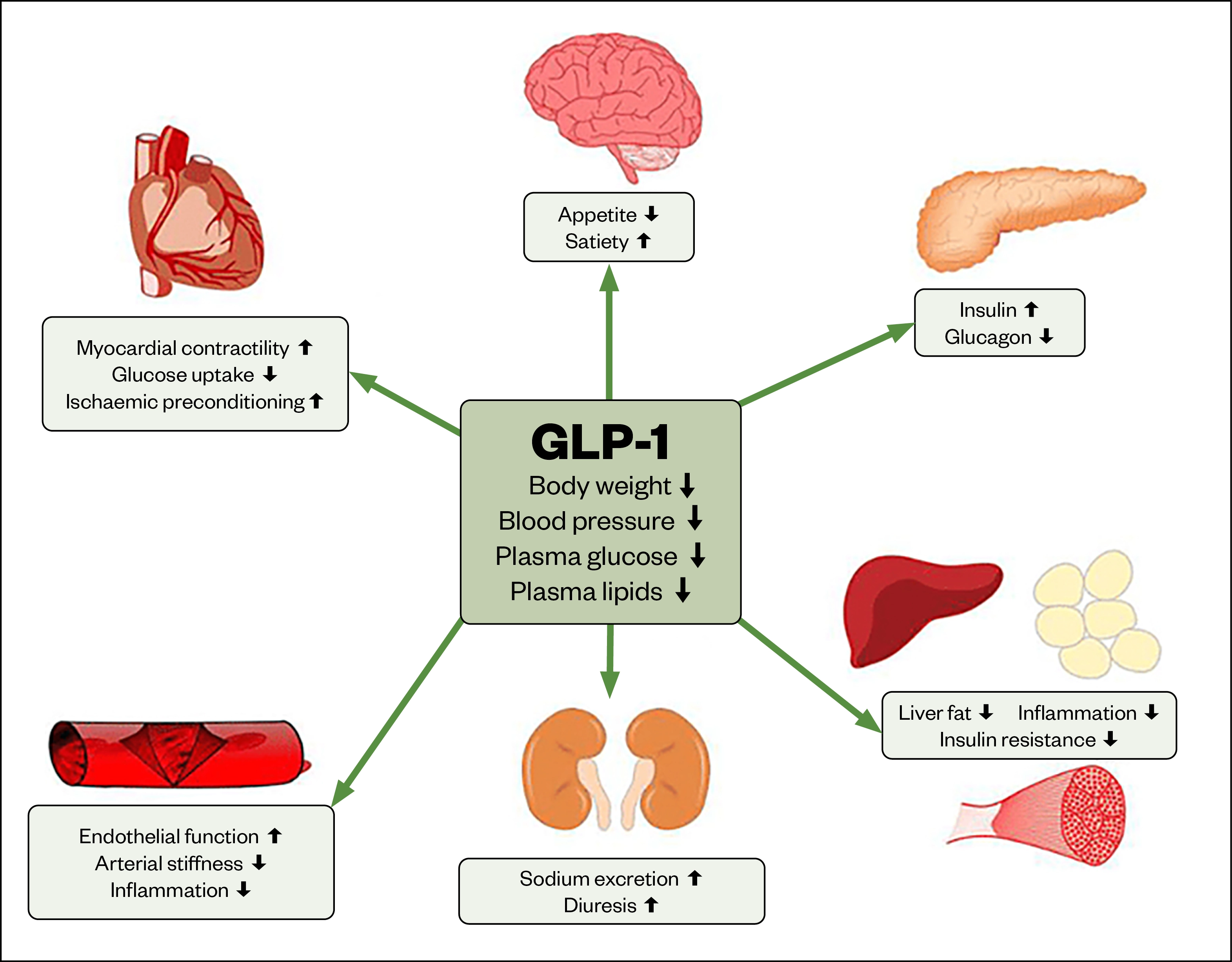
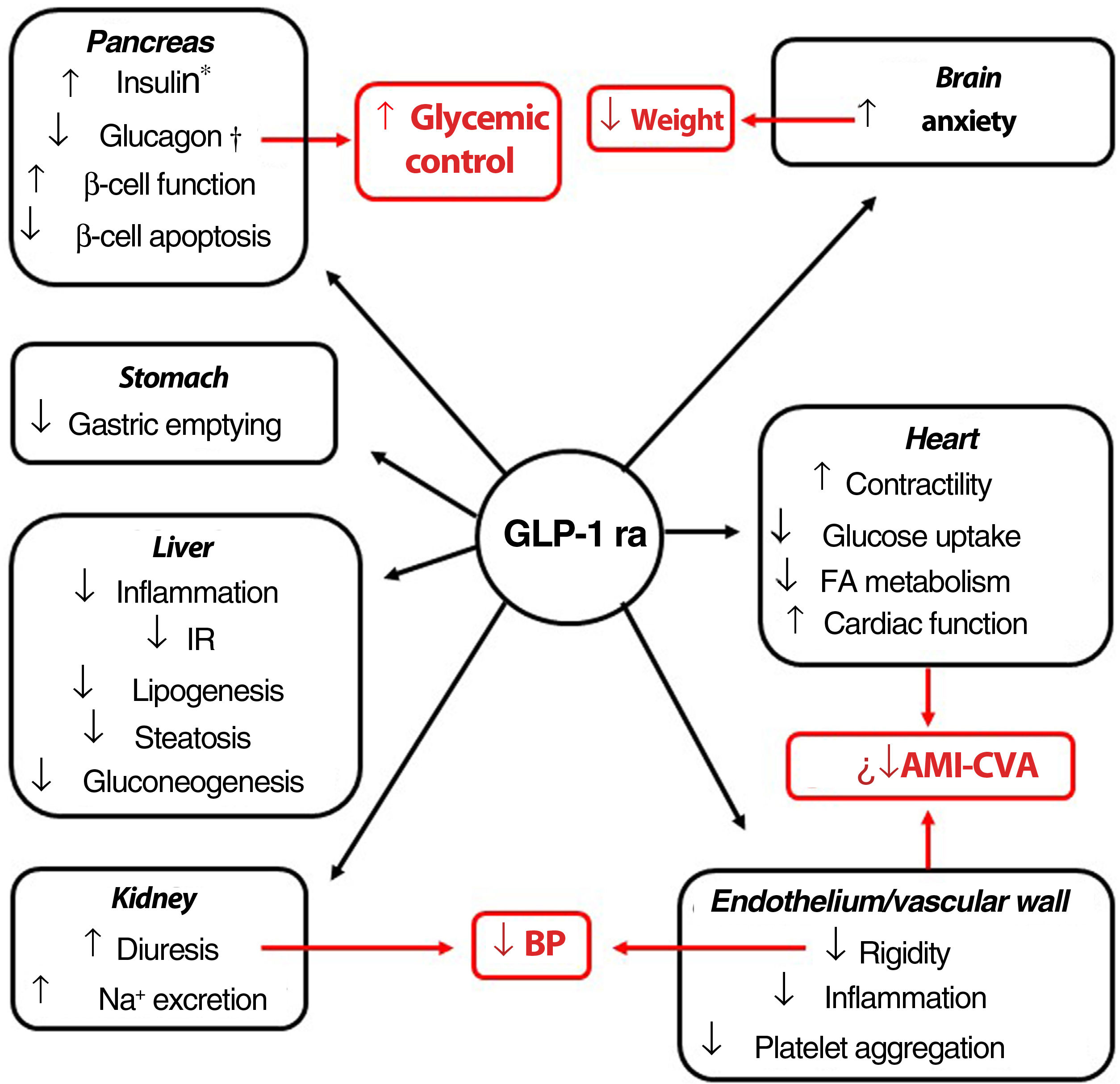
- GLP-1 also inhibits gastric emptying, allowing for optimal nutrient absorption and glucose homeostasis.
- The hormone signals the brain that the body has enough energy, inducing feelings of fullness and satiety.
Glucagon Secretion: The Counterbalance to GLP-1
Glucagon is a hormone produced by the alpha cells in the pancreas, which plays a crucial role in regulating blood glucose levels. It stimulates the breakdown of glycogen stores to glucose and promotes the release of glucose from stored energy sources. In response to low glucose levels, glucagon secretion increases to elevate blood sugar levels.
- Glucagon stimulates glycogenolysis, the breakdown of glycogen to glucose.
- Glucagon promotes gluconeogenesis, the synthesis of glucose from non-carbohydrate sources.
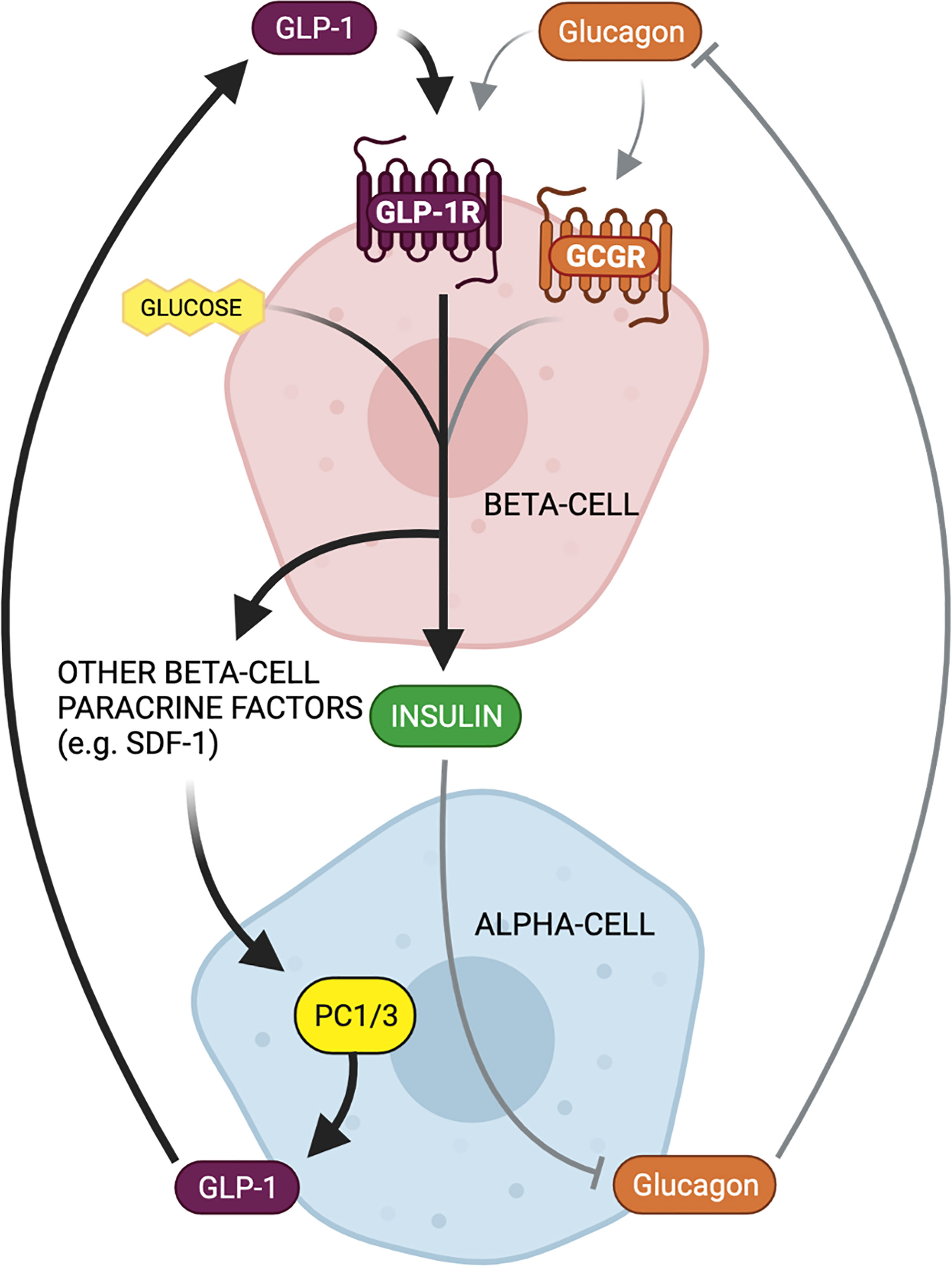
- Glucagon secretion is inhibited by GLP-1, preventing excessive glucose production and promoting glucose homeostasis.
The Relationship Between GLP-1 and Glucagon Secretion
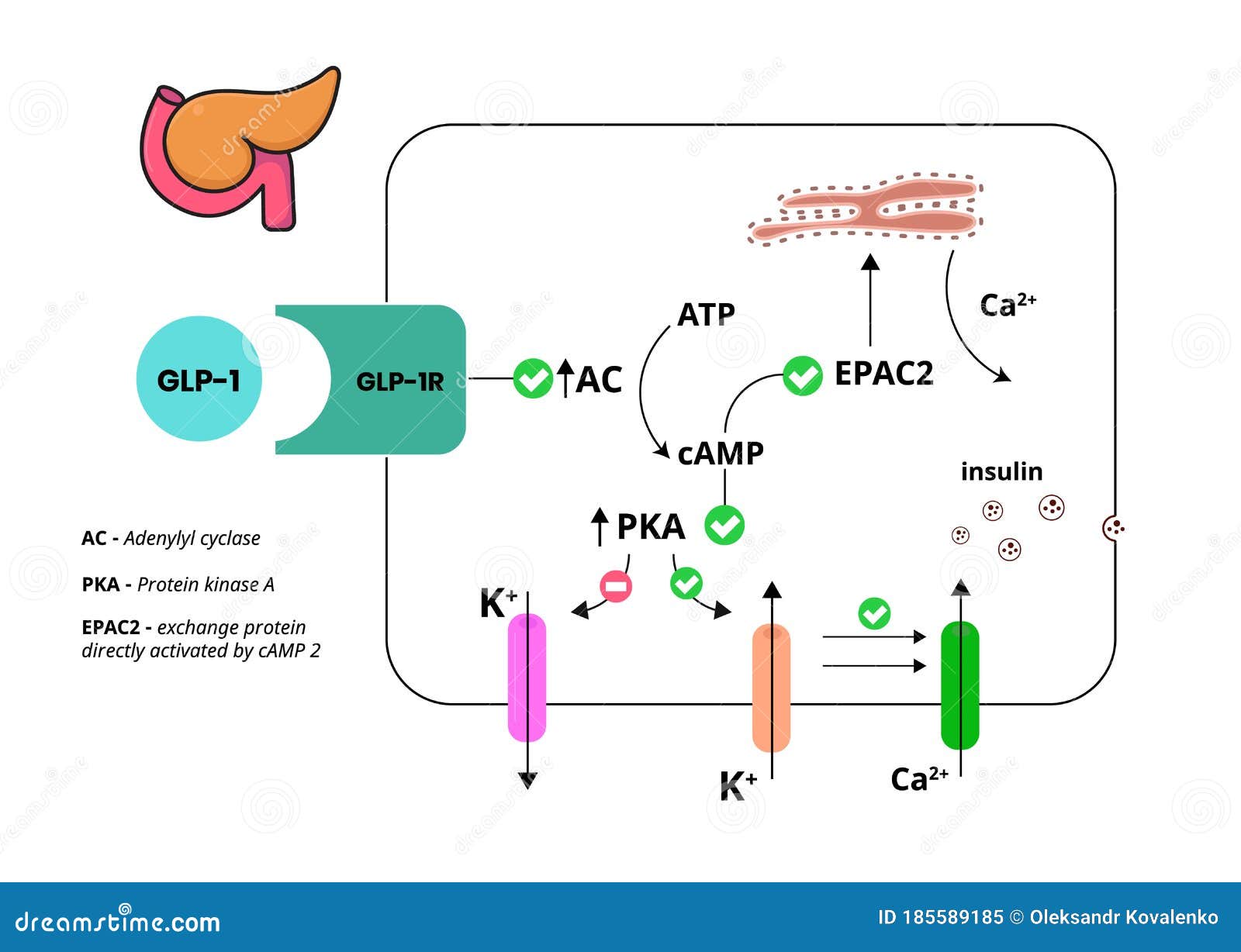
The interplay between GLP-1 and glucagon secretion is a delicate balance that maintains glucose homeostasis. When glucose levels rise after a meal, GLP-1 is released, stimulating insulin secretion and inhibiting glucagon release. This ensures that excess glucose is stored and not converted into glucose.
When glucose levels fall, glucagon secretion is increased, promoting the release of glucose from stored energy sources. However, GLP-1 also inhibits glucagon secretion, preventing excessive glucose production and maintaining glucose homeostasis.
Therapeutic Applications of GLP-1 and Glucagon Secretion
Understanding the relationship between GLP-1 and glucagon secretion has led to the development of novel therapeutic strategies for the treatment of type 2 diabetes and obesity. GLP-1 receptor agonists (GLP-1RAs) have revolutionized the management of type 2 diabetes, regulating insulin and glucagon secretion, suppressing appetite, and delaying gastric emptying.
- GLP-1RAs, such as semaglutide and liraglutide, have been shown to improve glycemic control and reduce body weight.
- Dual GLP-1/GIP receptor agonists, like tirzepatide, have also been approved for the treatment of type 2 diabetes and obesity.
- Further research is underway to explore the potential of GLP-1RAs and dual receptor agonists in other conditions, such as cardiovascular disease.
Conclusion
The interplay between GLP-1 and glucagon secretion is a crucial aspect of glucose homeostasis, with far-reaching implications for the treatment of metabolic disorders. By understanding the mechanisms of action of GLP-1 and glucagon secretion, researchers and clinicians can develop innovative therapeutic strategies to manage glucose homeostasis and improve patient outcomes.