G Network Security Setup for Wired Networks
As an IT professional, ensuring the security of your organization's network is a top priority. A well-designed and secure network setup is crucial for protecting your data, systems, and employees from cyber threats. In this article, we'll delve into the intricacies of G Network Security Setup for Wired Networks, exploring the challenges, best practices, and essential steps to secure your wired network.Challenges in Securing Wired Networks
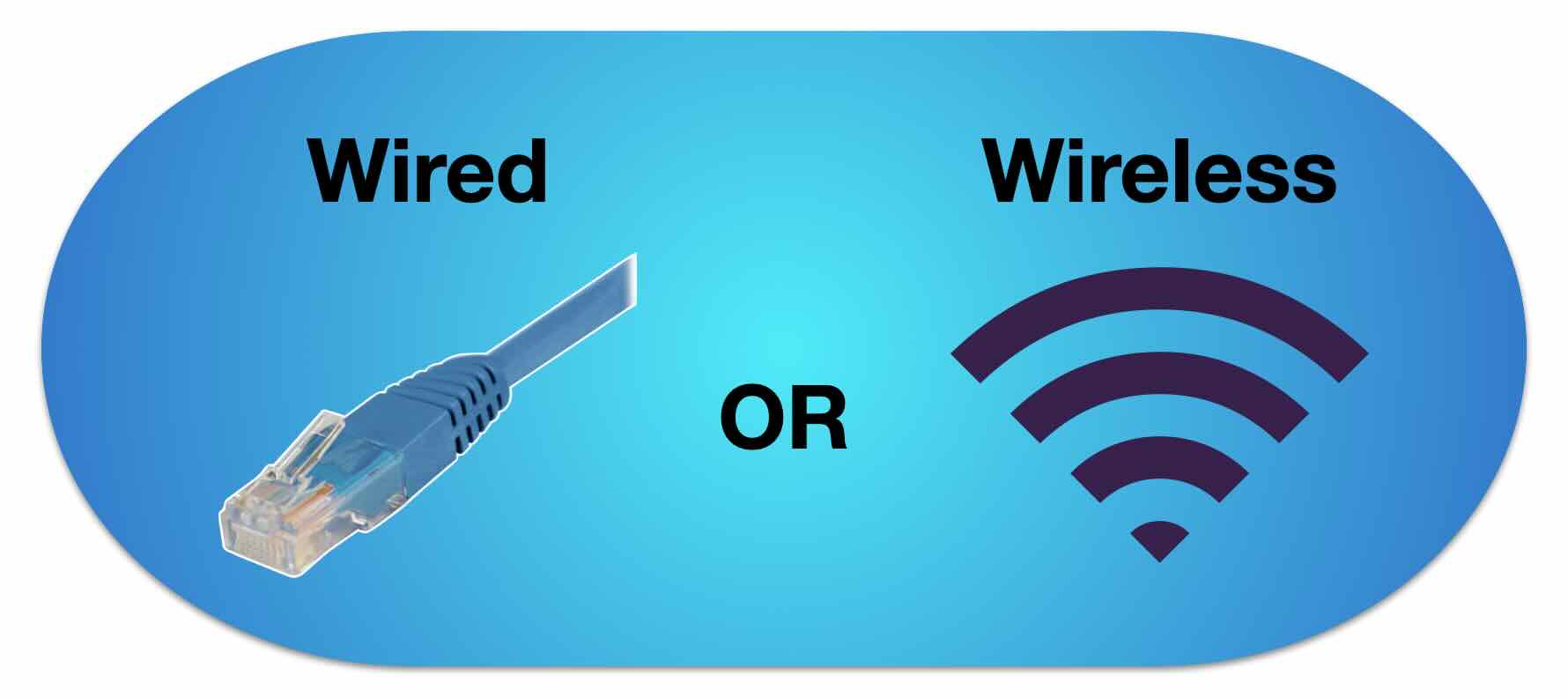
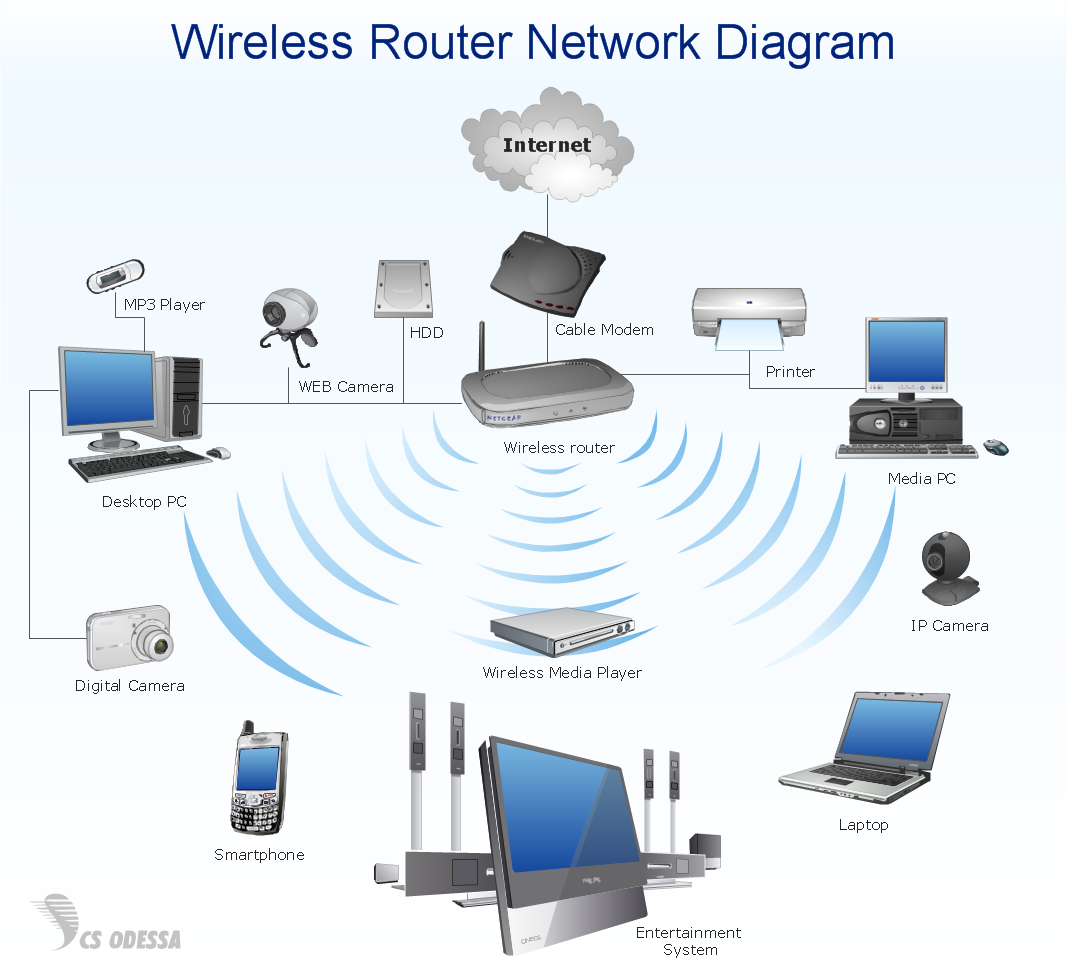
Wired networks offer a higher level of security compared to wireless networks, but they still pose several challenges. Controlling access to critical servers, managing device locations, and preventing unauthorized access are just a few of the concerns. Physical access control is often relied upon, but this can be compromised if wireless access points are connected to the network.The Importance of Network Segmentation
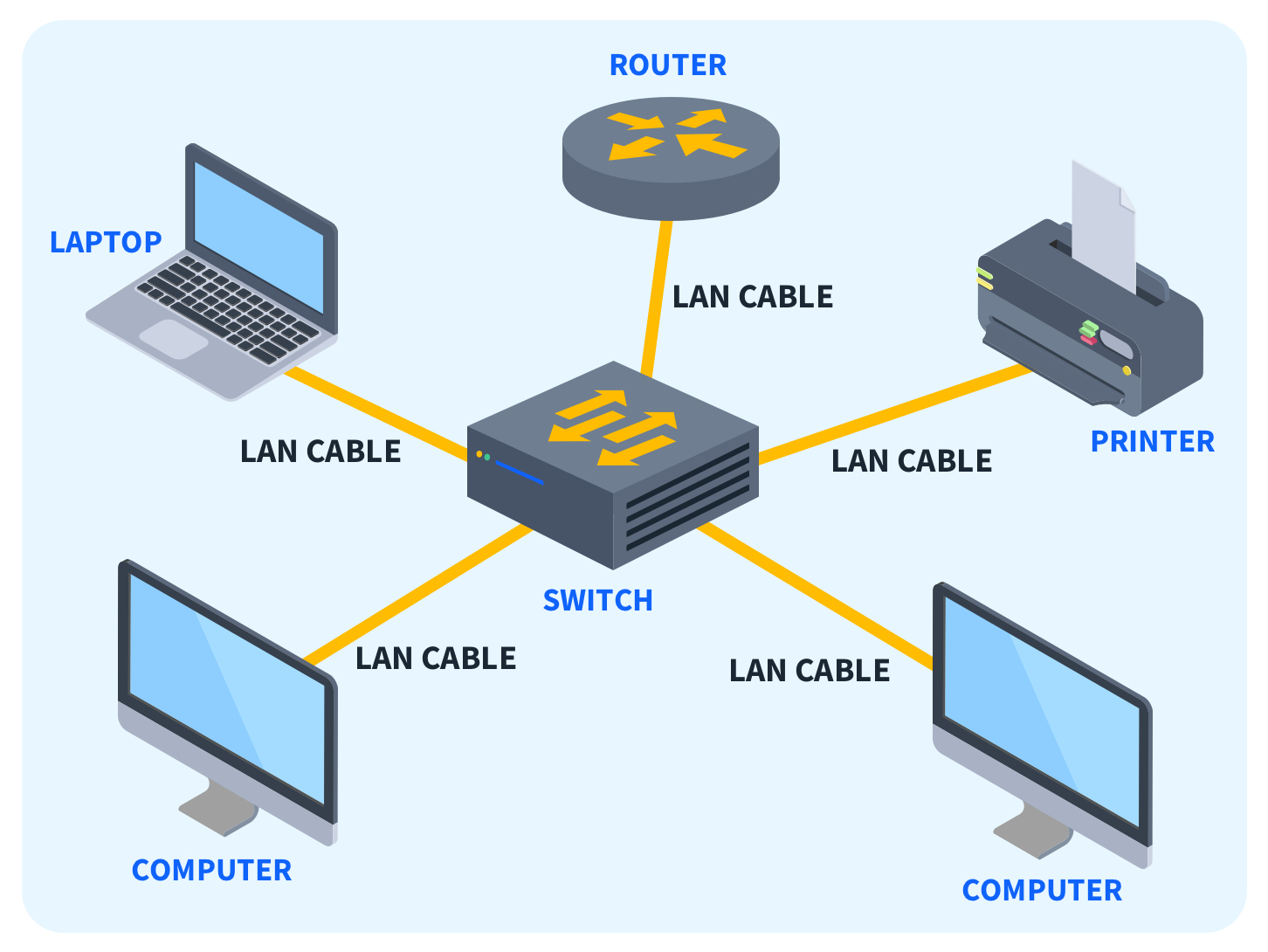
Proper network segmentation is a crucial aspect of network security. By dividing the network into smaller segments, you can significantly reduce the ability for an adversary to reach and exploit other systems. According to the Cybersecurity and Infrastructure Security Agency (CISA), layering network security through segmentation is a key strategy for preventing lateral movement and containing breaches.Physical Infrastructure Security
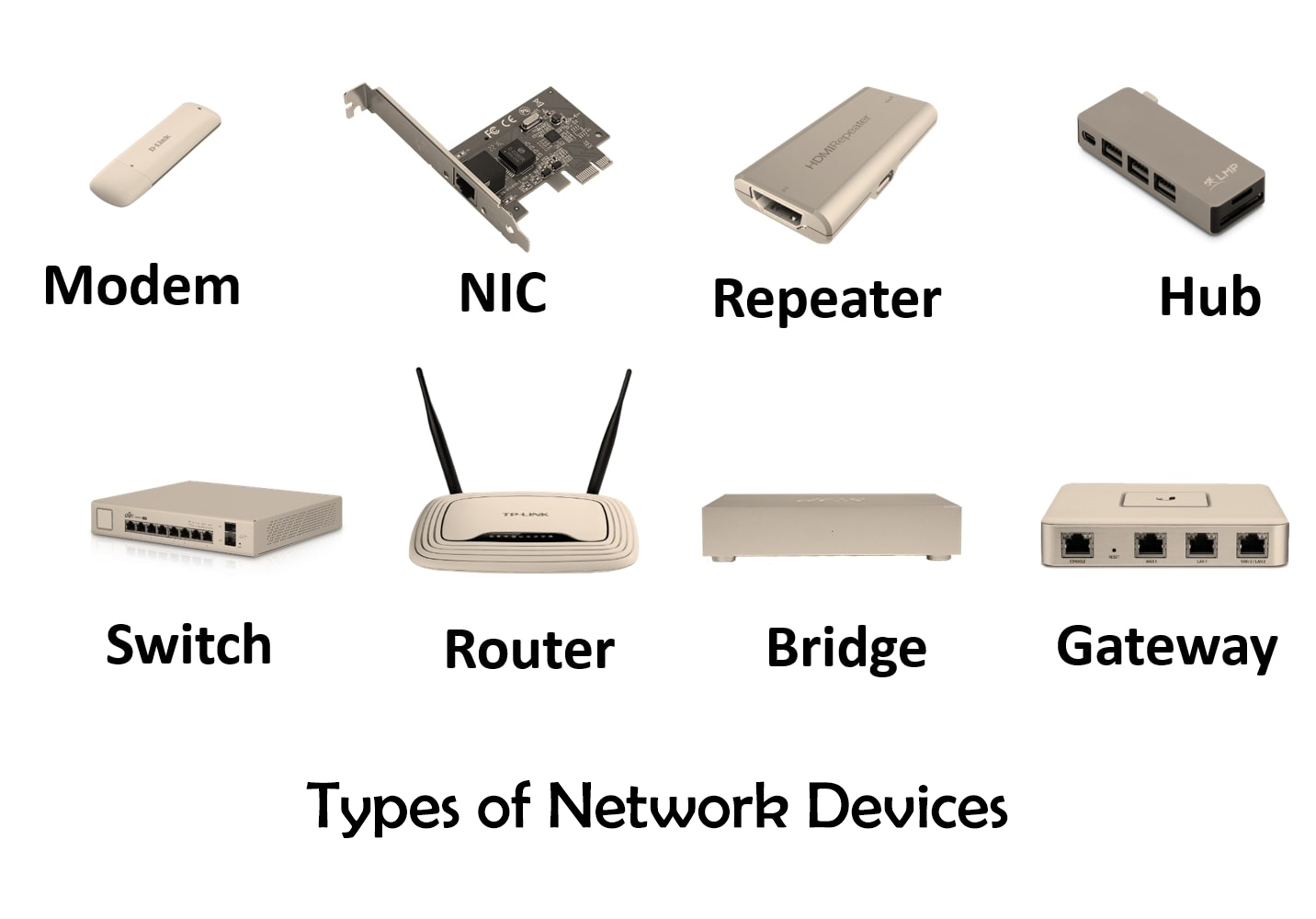
Before establishing a robust network security posture, the physical infrastructure must be secure. This includes protecting high-speed and fiber-optic networks from unauthorized access and tampering. It's essential to ensure that all network devices, including switches and routers, are properly secured and configured to prevent vulnerabilities.Steps to Secure a Wired Network
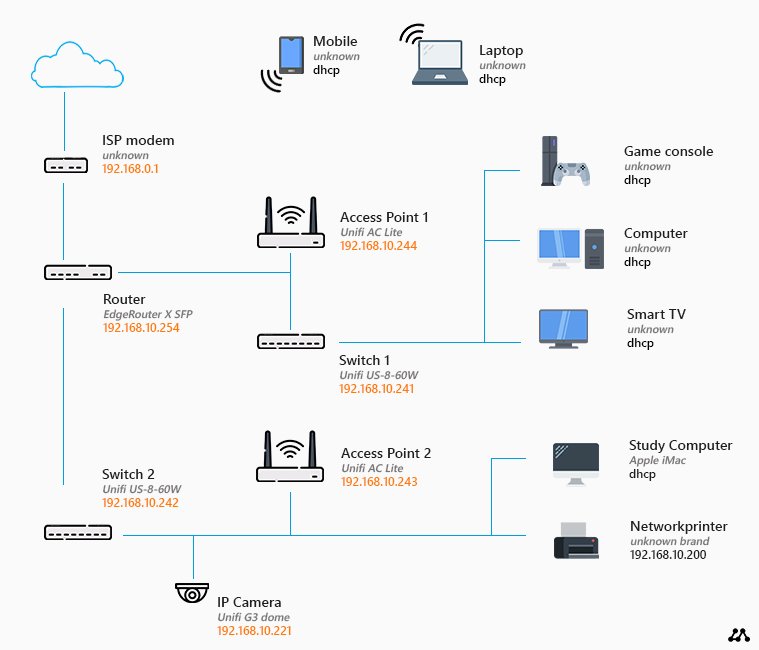
- Implement proper network segmentation to limit access and contain breaches.
- Secure the physical infrastructure by protecting network devices and preventing unauthorized access.
- Implement robust access controls, such as IEEE 802.1x authentication, to ensure only authorized devices can access the network.
- Regularly update and patch network devices and software to prevent vulnerabilities.
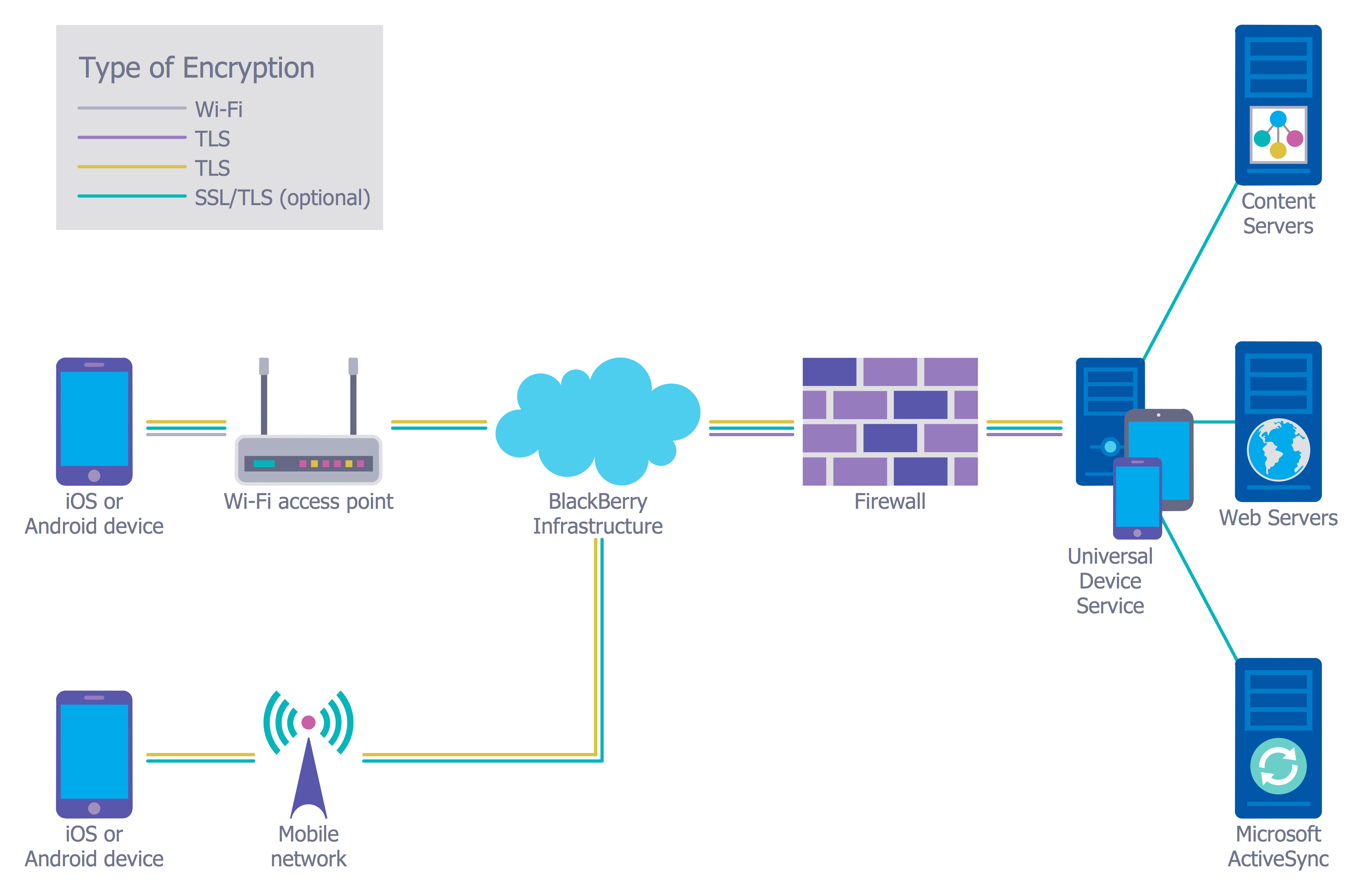
- Implement a firewall and intrusion prevention system to detect and prevent malicious activity.
- Monitor network traffic and activity to quickly identify and respond to security incidents.
Best Practices for Wired Network Security
To further enhance wired network security, consider the following best practices:- Use secure protocols, such as SSH and HTTPS, for remote access and management.
- Implement a network access control (NAC) system to manage and monitor device access.
- Use secure authentication methods, such as multi-factor authentication (MFA), to prevent unauthorized access.
- Regularly back up critical data to prevent losses in case of a security incident.
- Develop and implement a comprehensive incident response plan to quickly respond to security incidents.