Recovery and Injury Prevention Tools for Fitness Instructors
As a fitness instructor, ensuring the safety and well-being of your clients is paramount. Injury prevention is a critical aspect of fitness training that helps maintain client health and enhances their performance. In this article, we will explore effective injury prevention techniques that fitness instructors can implement to create a safe and productive workout environment.
Why Injury Prevention is Essential for Fitness Instructors
Injury prevention is a crucial aspect of fitness assessment and programming. As fitness professionals, it is our responsibility to ensure that our clients are safe and effective in their fitness journey. Chronic pain and injuries are becoming more and more common in today's fitness industry. Without proper injury prevention strategies, clients may suffer from muscle imbalances, joint problems, and other injuries that can lead to long-term health consequences.
Recovery Tools for Fitness Instructors
Incorporating recovery tools and techniques into your training program can help prevent injuries, improve client performance, and enhance their overall well-being. Some of the essential recovery tools for fitness instructors include:
- Foam rollers: These tools can help reduce muscle soreness, improve flexibility, and aid in musculature recovery.
- Massage guns: Massage guns like Theragun can help reduce muscle tension, improve circulation, and accelerate recovery.
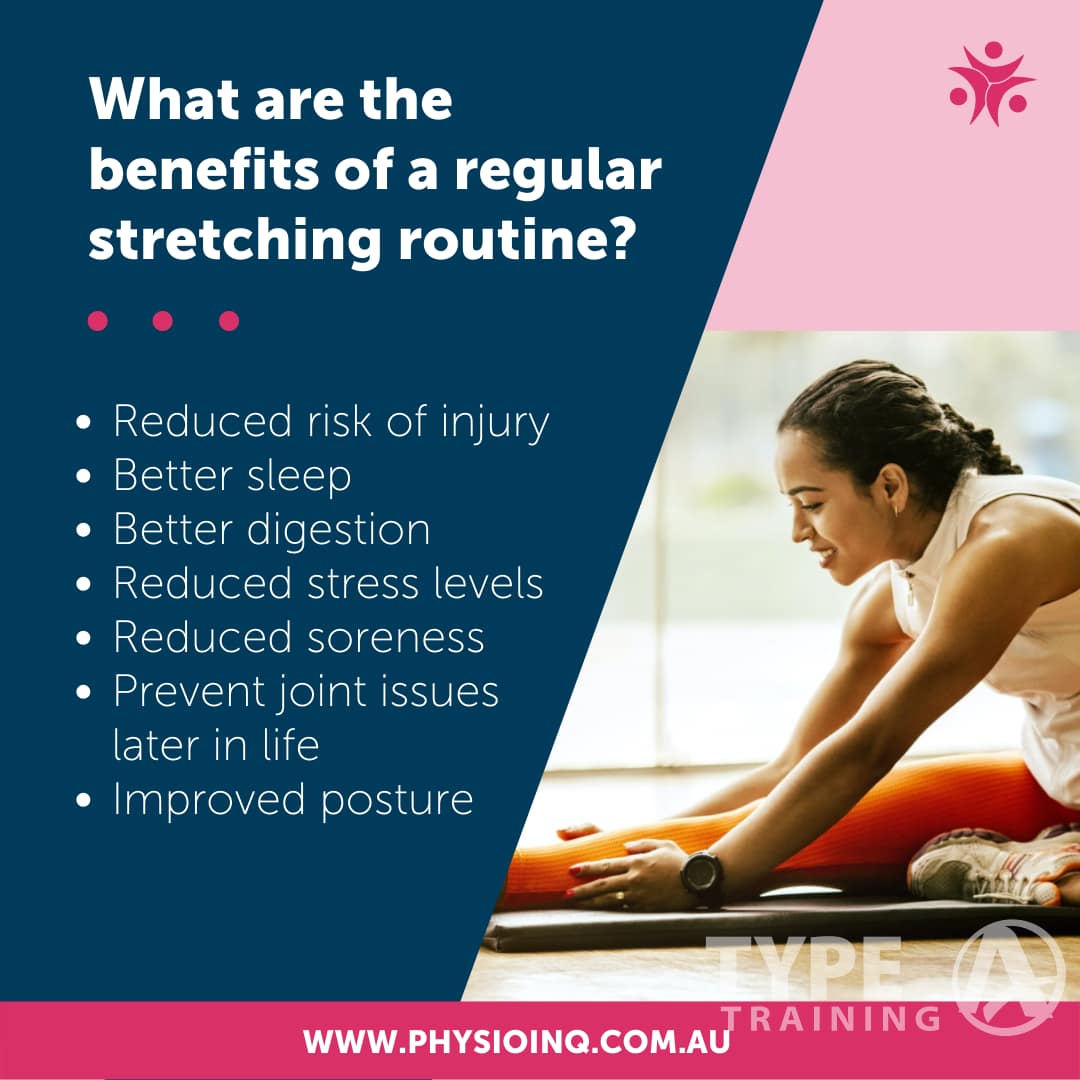
- Stretching and self-myofascial release tools: These tools can help improve flexibility, reduce muscle tension, and promote relaxation.
- Wearable technology: Wearable devices can help monitor client heart rate, calories burned, and activity levels during workouts.
Prevention Strategies for Fitness Instructors

In addition to incorporating recovery tools, fitness instructors can implement several prevention strategies to minimize injury risks and support rehabilitation. These strategies include:
- Proper assessments: Conduct thorough assessments to identify potential risk factors and develop personalized training programs.
- Warm-up and cool-down exercises: Incorporate dynamic warm-ups and cool-downs to reduce muscle imbalances and improve flexibility.
- Corrective exercises: Incorporate corrective exercises to address muscle imbalances and improve overall movement patterns.
- Client education: Educate clients on proper form, technique, and injury prevention strategies to promote self-awareness and responsibility.
The Importance of Data Analytics in Injury Prevention
Data analytics and business intelligence can play a significant role in optimizing injury prevention outcomes. Fitness instructors can use data to track client progress, identify potential risk factors, and develop targeted interventions. This data can be used to:
- Identify high-risk clients: Use data to identify clients who are at a higher risk of injury and develop personalized prevention strategies.
- Monitor client progress: Track client progress and adjust training programs accordingly to minimize injury risks.
- Develop targeted interventions: Use data to develop targeted interventions to address specific injury prevention needs.
Conclusion
Injury prevention is a critical aspect of fitness training that requires a comprehensive approach. Fitness instructors can implement recovery tools, prevention strategies, and data analytics to minimize injury risks and support rehabilitation. By prioritizing client safety and well-being, fitness instructors can create a safe and productive workout environment that promotes long-term health and well-being.