Why You Need a Freelance Contract for Service
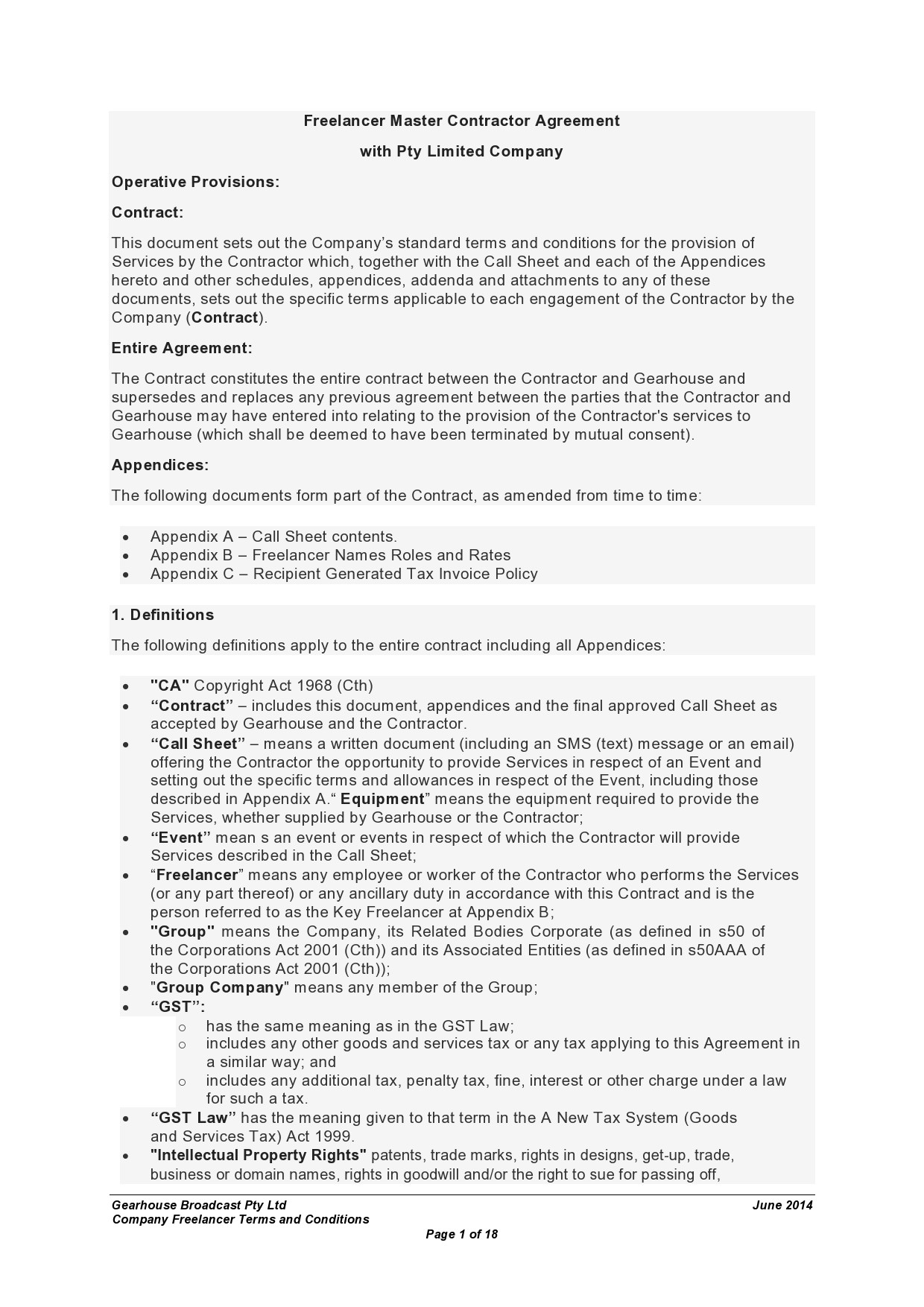
When it comes to freelancing, having a contract in place is crucial for protecting both parties involved in the project. A freelance contract for service is a legally binding agreement between a freelancer and a client that outlines the terms and conditions of the working relationship. In this article, we'll delve into the importance of having a contract and provide valuable insights on how to create a comprehensive one.
The Importance of a Freelance Contract for Service
Before we dive into the details of a freelance contract, it's essential to understand why you need one. Here are a few reasons:
- Protection of Rights and Interests: A freelance contract for service ensures that both parties' rights and interests are protected. It outlines the scope of work, payment terms, and deadlines, reducing the risk of disputes and misunderstandings.
- Clarifies the Working Relationship: A contract serves as a clear understanding of the working relationship between the client and the freelancer. It defines the freelancer as an independent contractor and not an employee, avoiding potential misclassification issues.
- Safeguards Against Non-Payment: A contract includes provisions for payment terms, which helps protect the freelancer from non-payment or late payment. It also provides a clear outline of what happens if the client fails to pay.
- Reduces the Risk of Disputes: A well-written contract reduces the risk of disputes and misunderstandings. It outlines the terms and conditions of the project, making it easier to resolve any issues that may arise.
Key Components of a Freelance Contract for Service
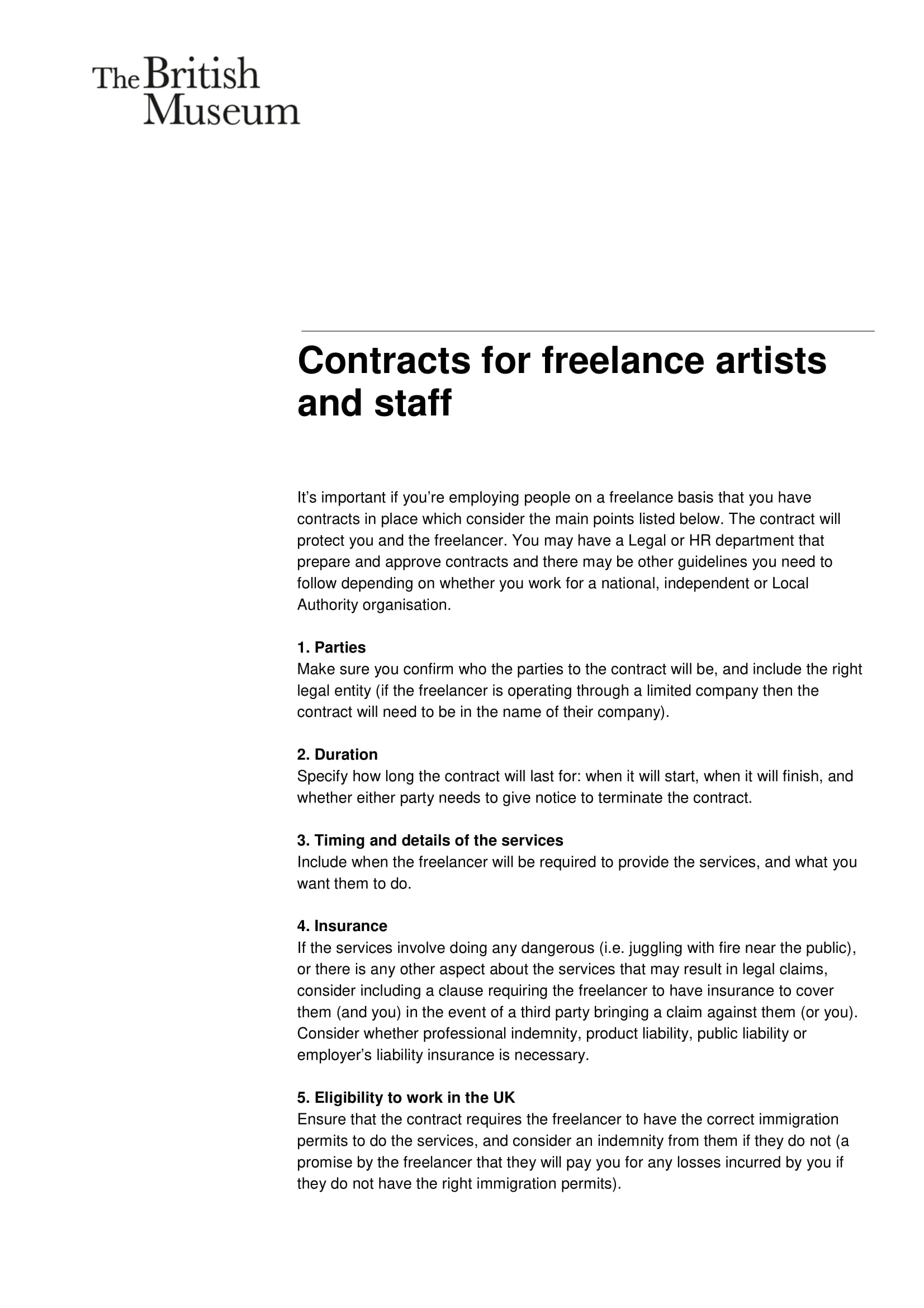
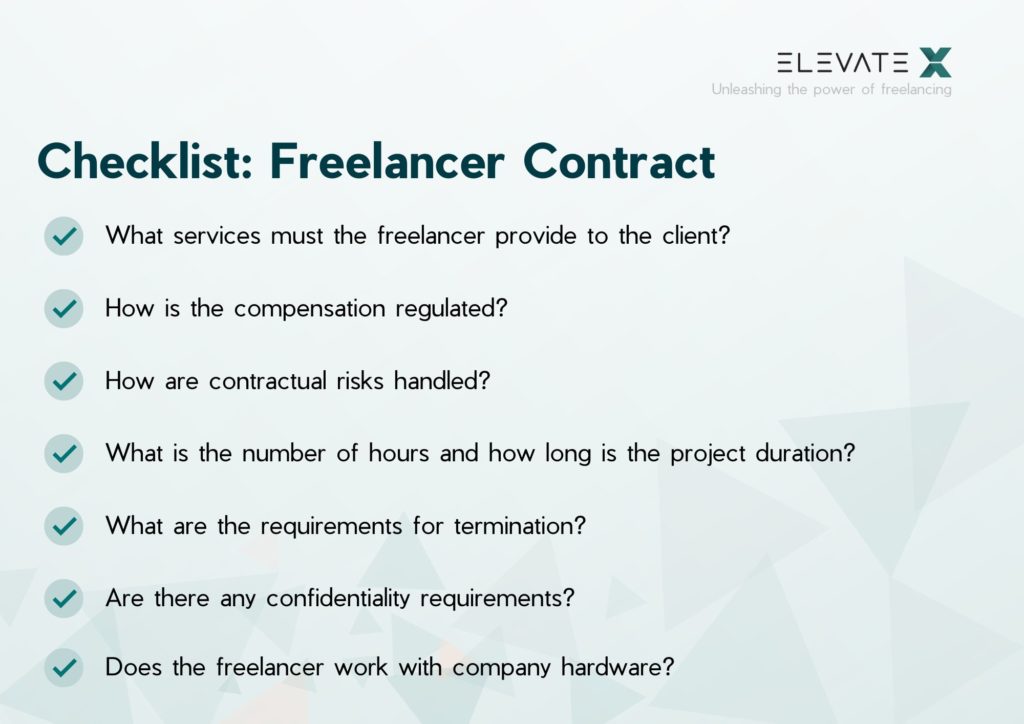
A comprehensive freelance contract for service should include the following key components:
- Scope of Work: A clear description of the services to be provided, including the tasks, milestones, and deliverables.
- Payment Terms: The terms and conditions of payment, including the payment amount, method, and frequency.
- Deadlines: The timeline for completion of the project, including any milestones and deadlines.
- Intellectual Property: Ownership and usage rights of any intellectual property created during the project. li>Termination Clause: The terms and conditions for terminating the contract, including notice period and any outstanding payment obligations.
Tips for Creating a Freelance Contract for Service
When creating a freelance contract for service, keep the following tips in mind:
- Be Clear and Concise: Use simple language to avoid any confusion or misinterpretation.
- Include All Essentials: Don't leave out any crucial information that may lead to disputes or misunderstandings.
- Review and Revise: Review and revise the contract to ensure it meets your needs and protects your rights.
- Get it Signed: Once you've finalized the contract, get it signed by both parties to make it legally binding.
Conclusion
Having a freelance contract for service is essential for freelancers and clients alike. It protects both parties' rights and interests, clarifies the working relationship, and reduces the risk of disputes. By including all essential components and following our tips, you can create a comprehensive contract that safeguards your freelance business.
Resources
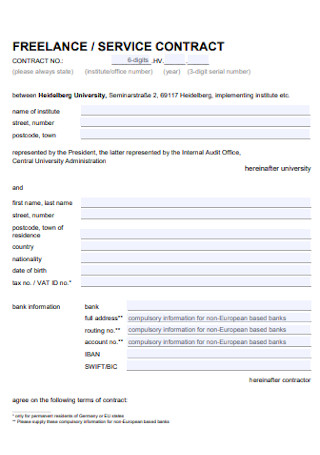
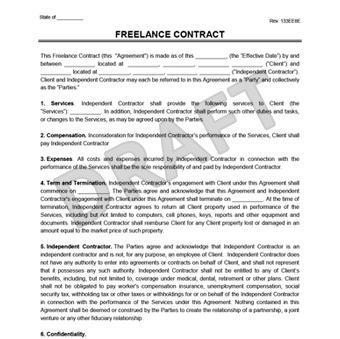
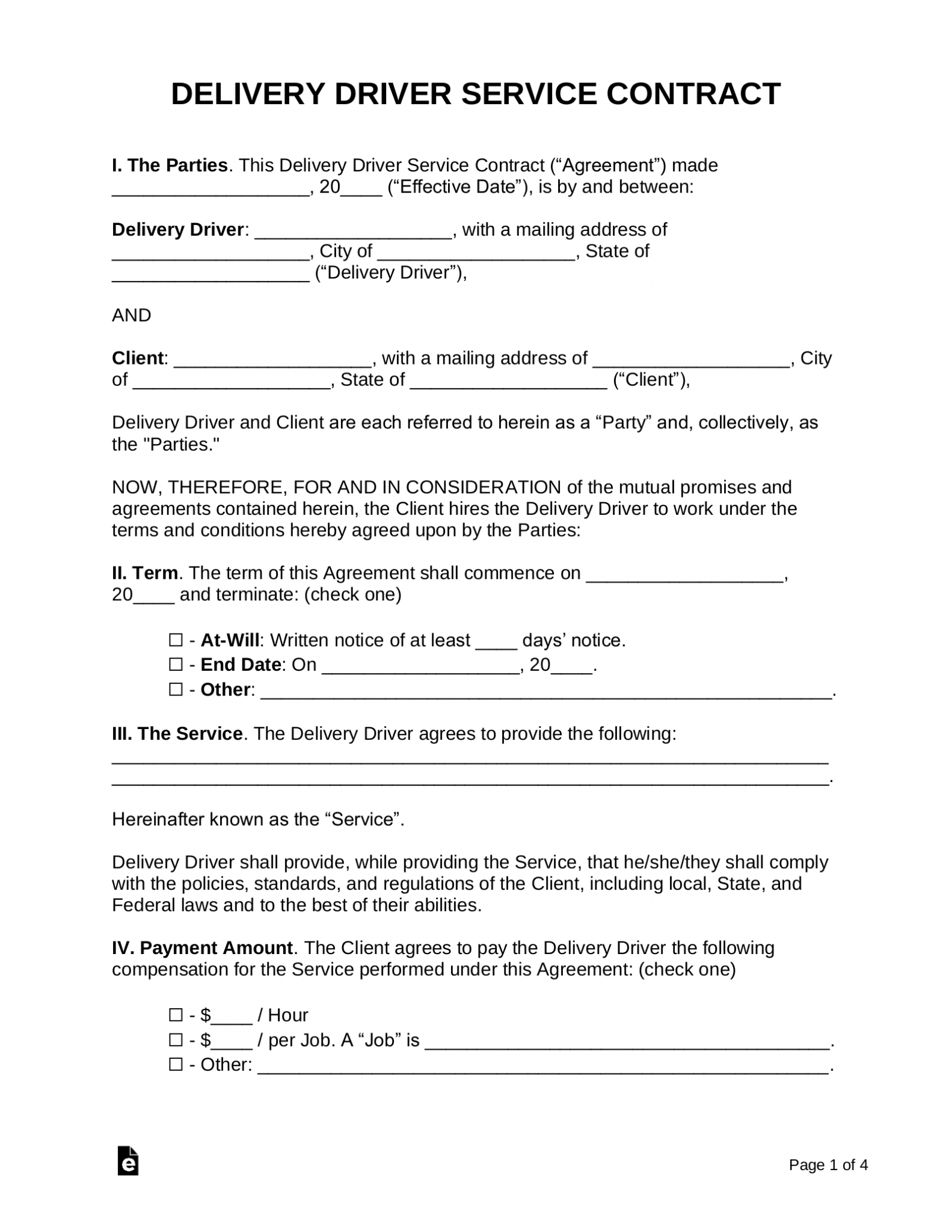
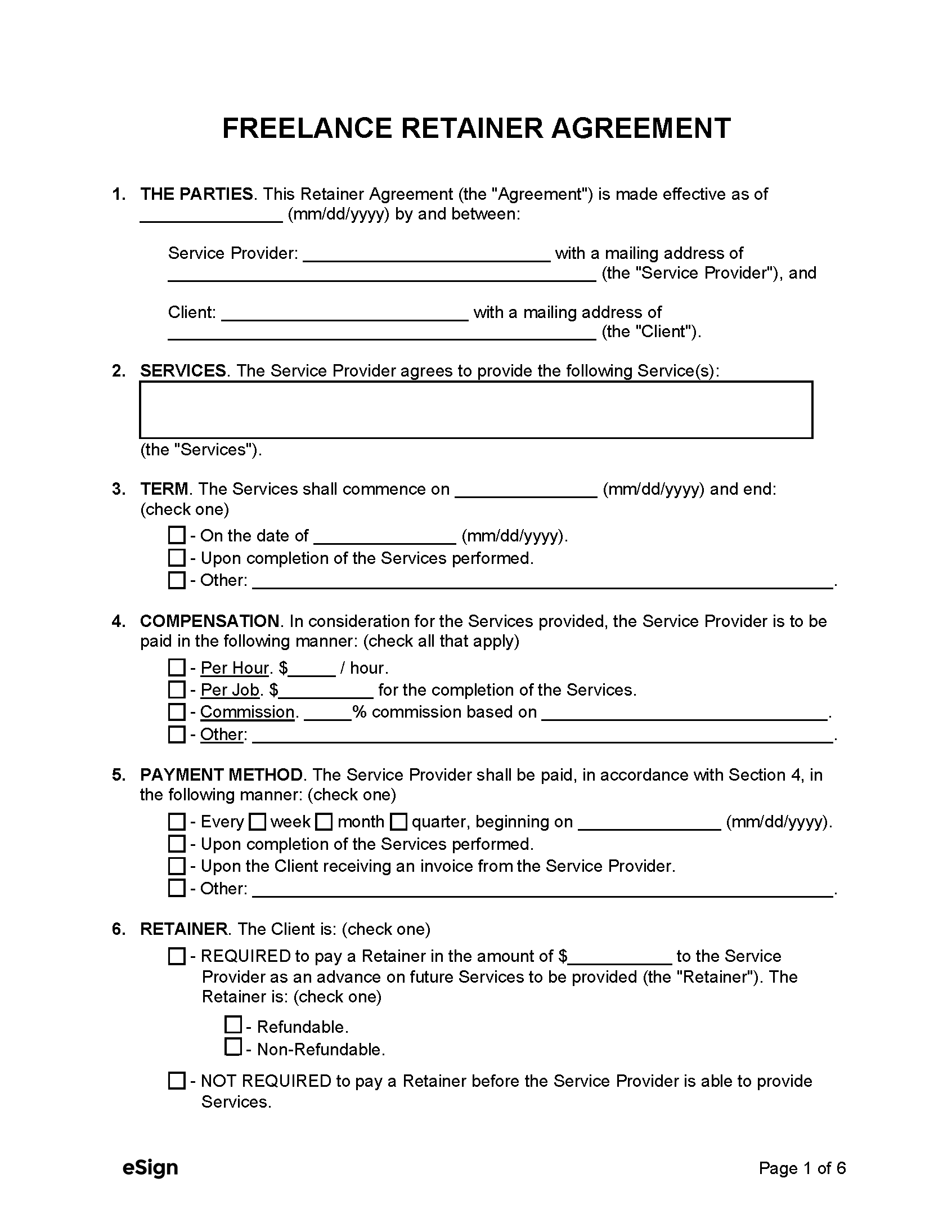
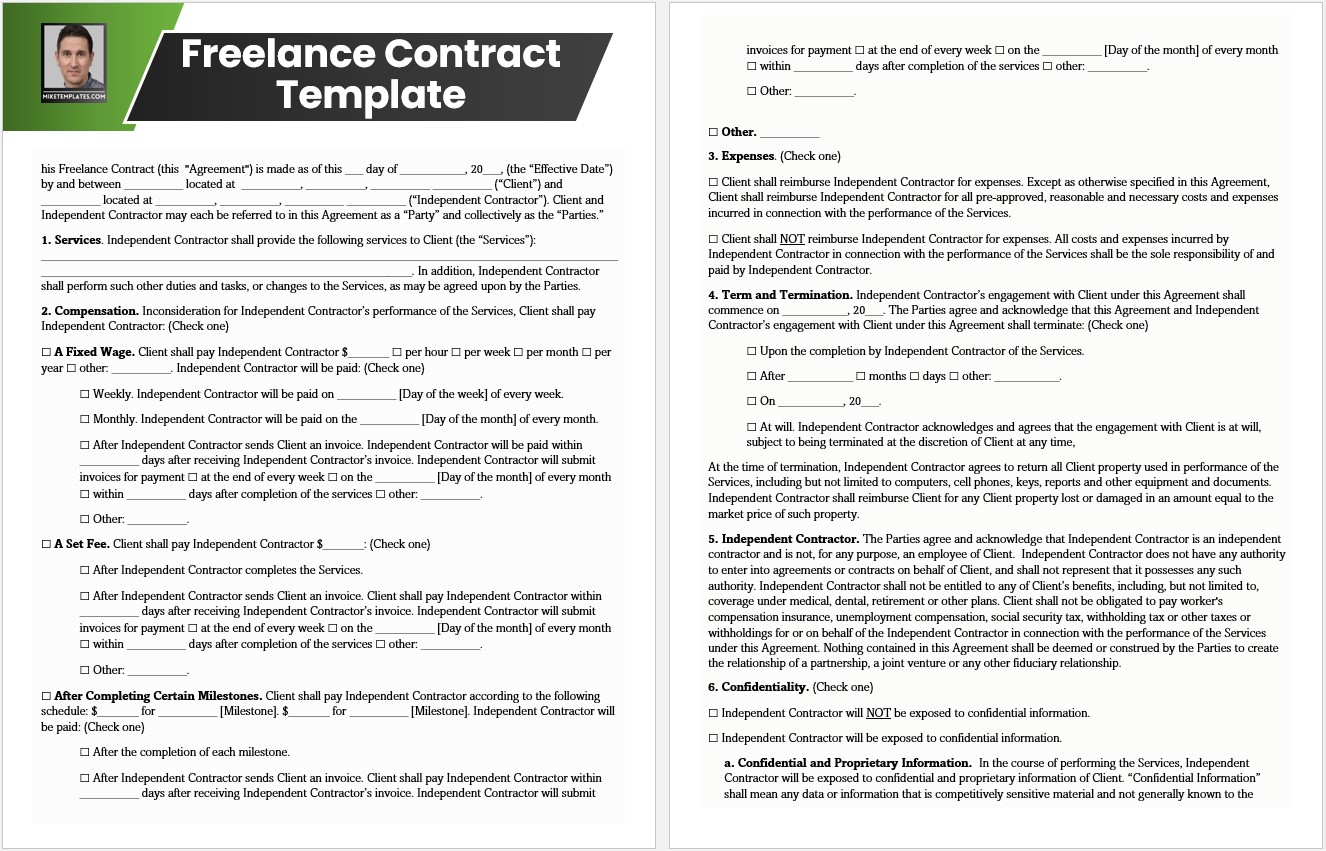
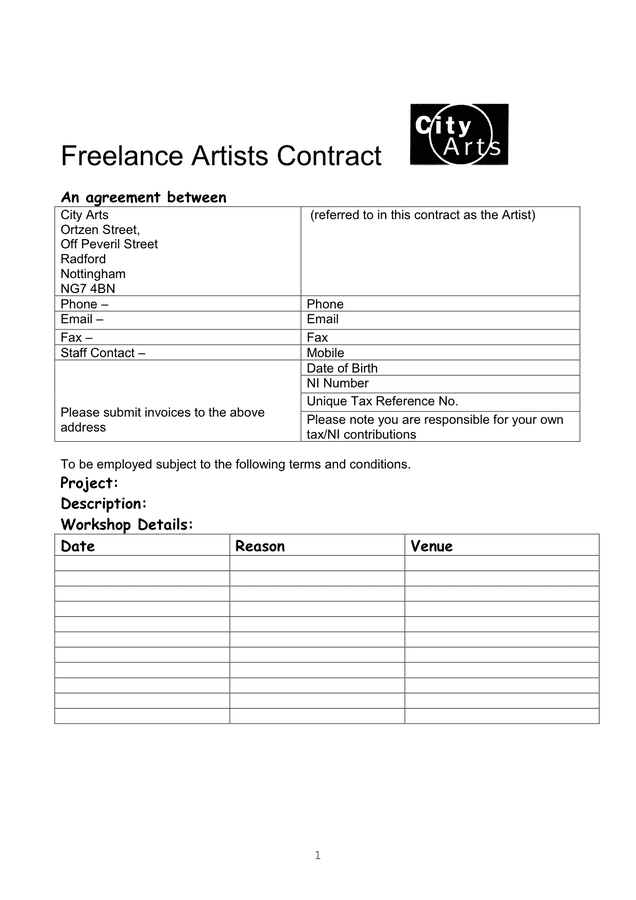
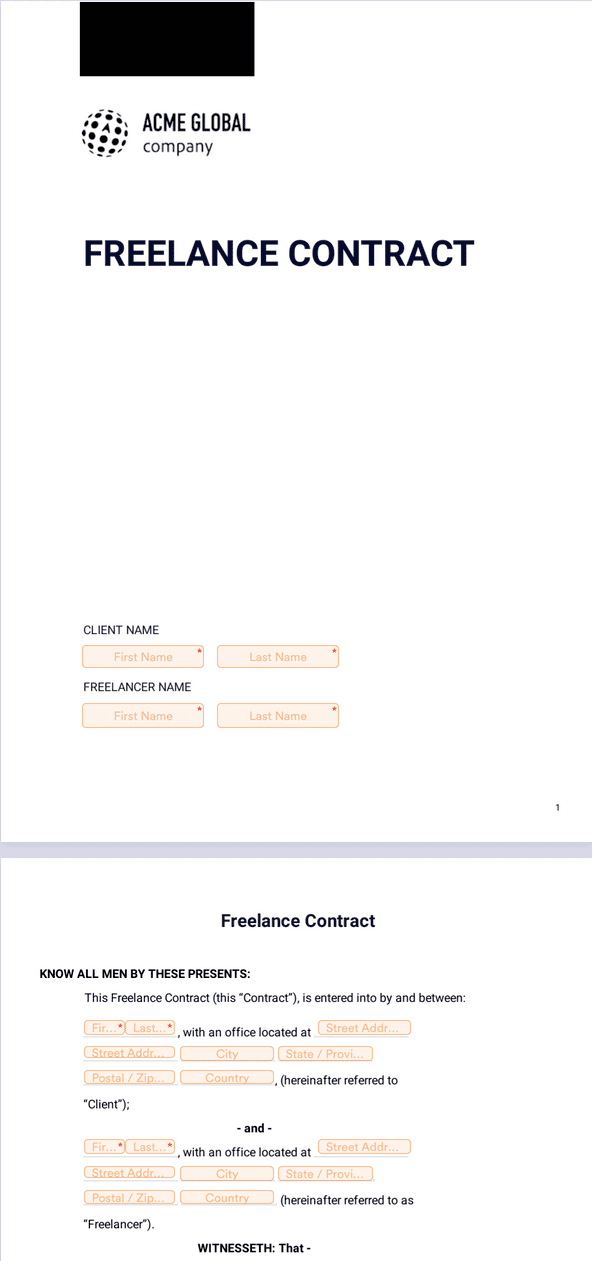
If you're unsure about how to create a freelance contract for service, don't worry! Our website offers a range of resources to help you get started. You can download a free freelance contract template in PDF or Word, or explore our contract templates selection to find one that suits your needs.
Remember, a well-written contract is the key to a successful freelance working relationship. Don't leave yourself vulnerable to disputes and misunderstandings - protect your freelance business with a professional contract for service.
Download a free freelance contract template today and safeguard your freelance business.
Freelance Contract Templates
Looking for a comprehensive freelance contract template? Browse our selection of freelance contract templates to find one that suits your needs.