Find Calm and Reduce Stress with Stress Relief Journaling for Anxiety
Are you tired of feeling overwhelmed by anxiety and stress? Do you struggle to find moments of peace in your daily life? Journaling can be a powerful tool for managing anxiety and stress, and it's simpler than you might think. In this article, we'll explore the benefits of stress relief journaling for anxiety, provide you with 15 curated prompts to get started, and offer some valuable tips for incorporating journaling into your self-care routine.
The Benefits of Journaling for Anxiety
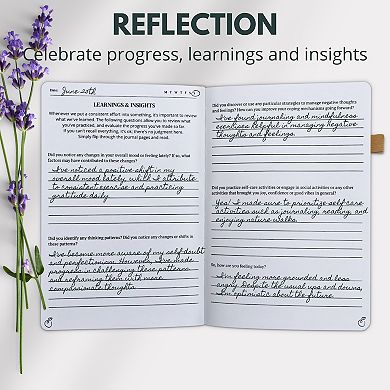
Journaling has been shown to be an effective tool for reducing anxiety and stress. By putting your thoughts and feelings down on paper, you can gain clarity, reduce stress, and recognize patterns over time. Journaling can also help you process emotions, identify triggers, and develop coping strategies for managing anxiety.
How to Start a Journaling Practice for Anxiety
Getting started with journaling for anxiety is easy. All you need is a notebook and a pen. Here are a few tips to help you get started:
- Set aside a few minutes each day to journal.
- Start with a prompt or question to guide your writing.
- Write freely and honestly, without worrying about grammar or spelling.
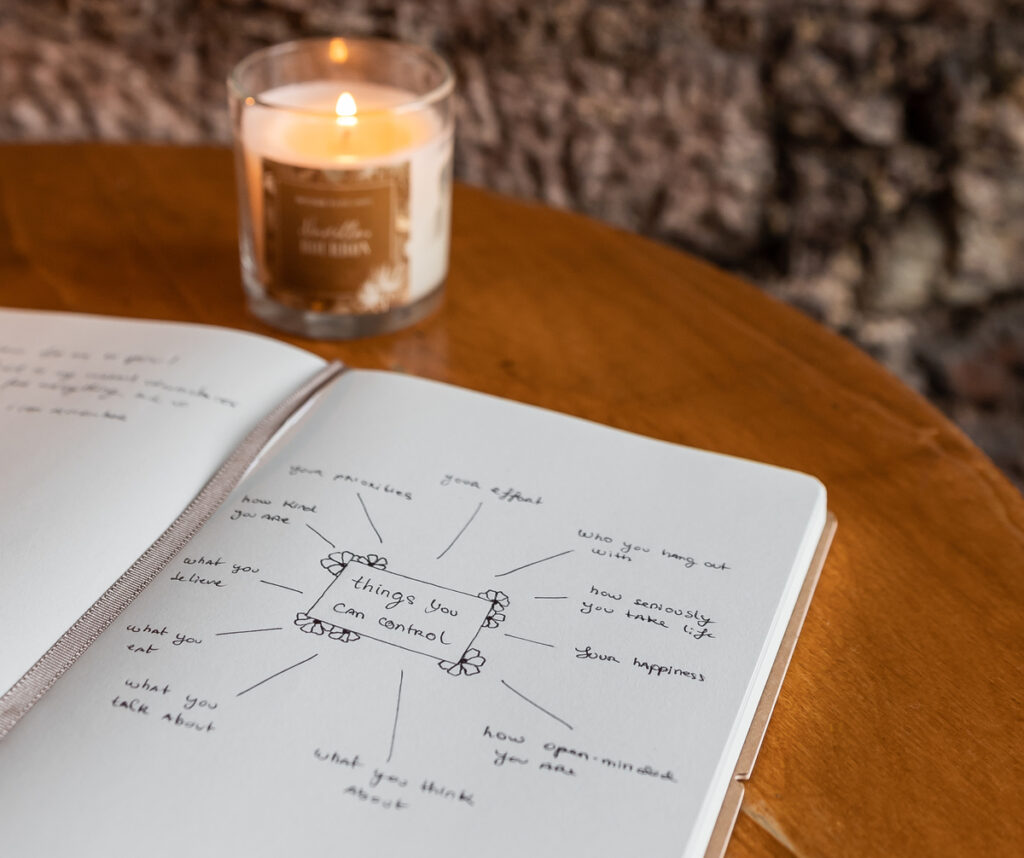
- Experiment with different journaling styles, such as drawing or collage.
15 Journal Prompts for Anxiety

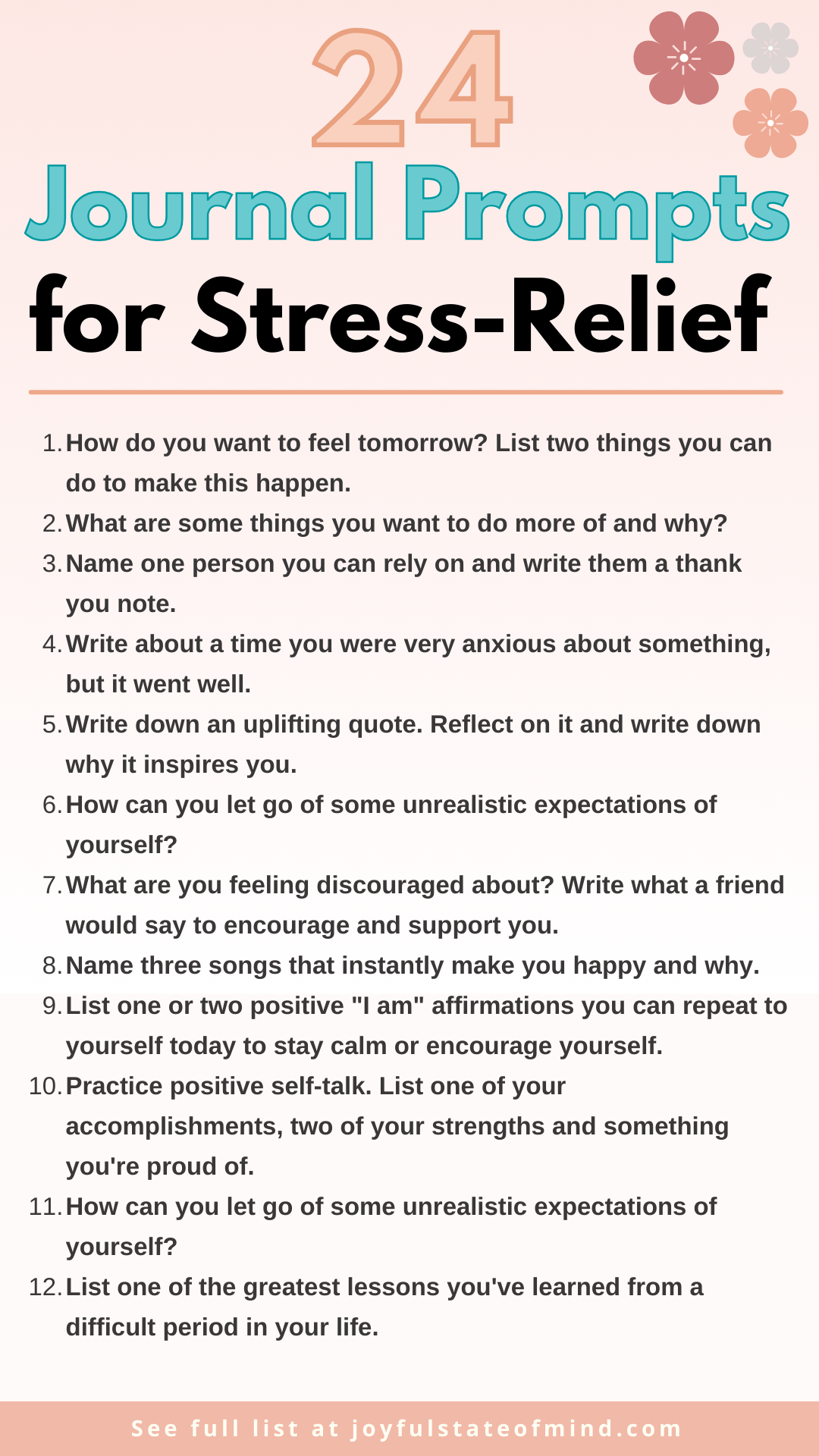
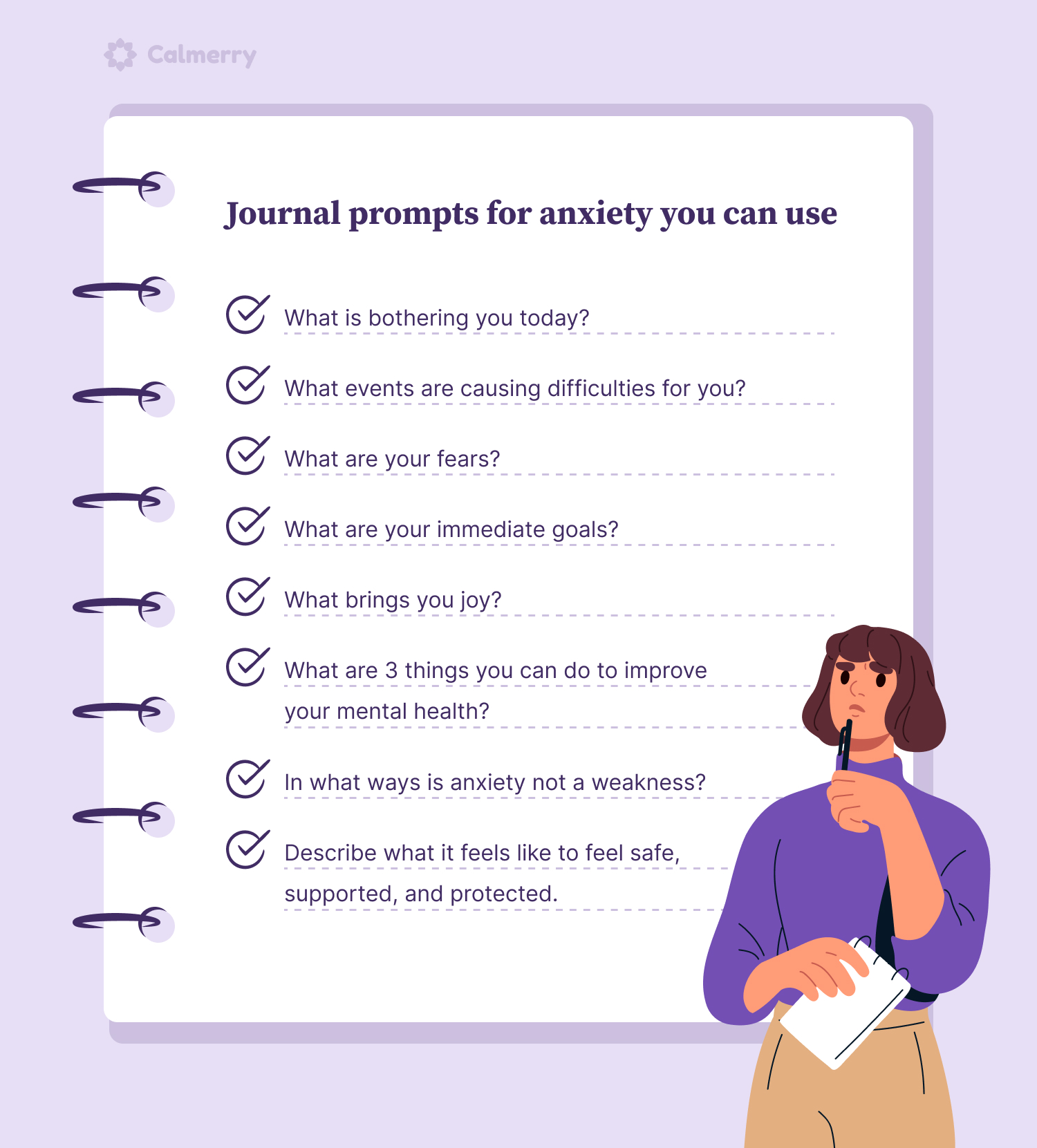
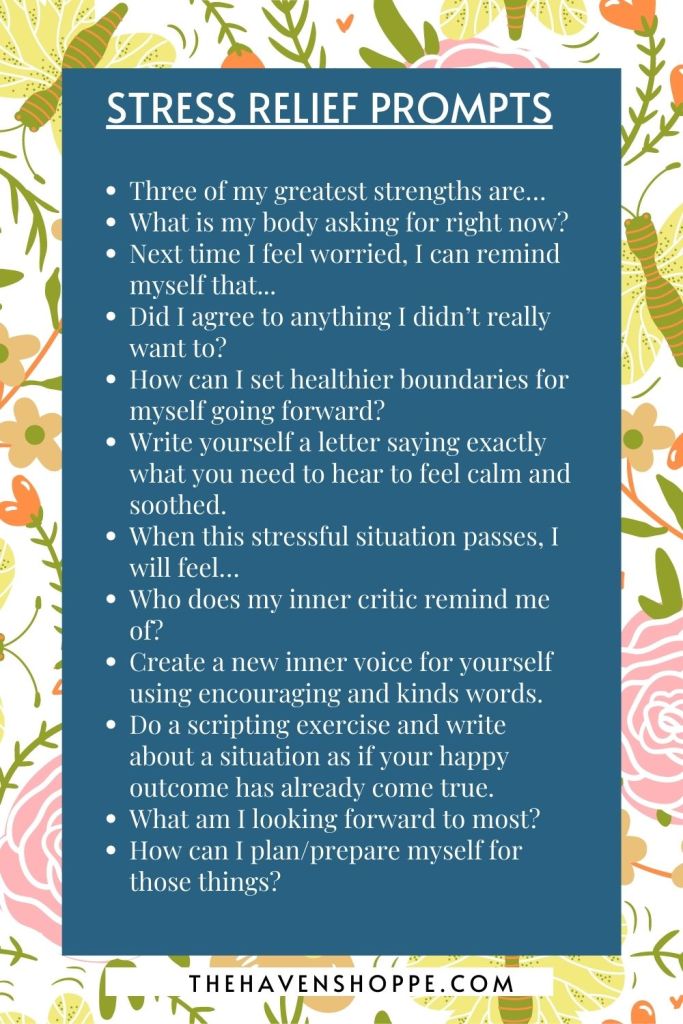
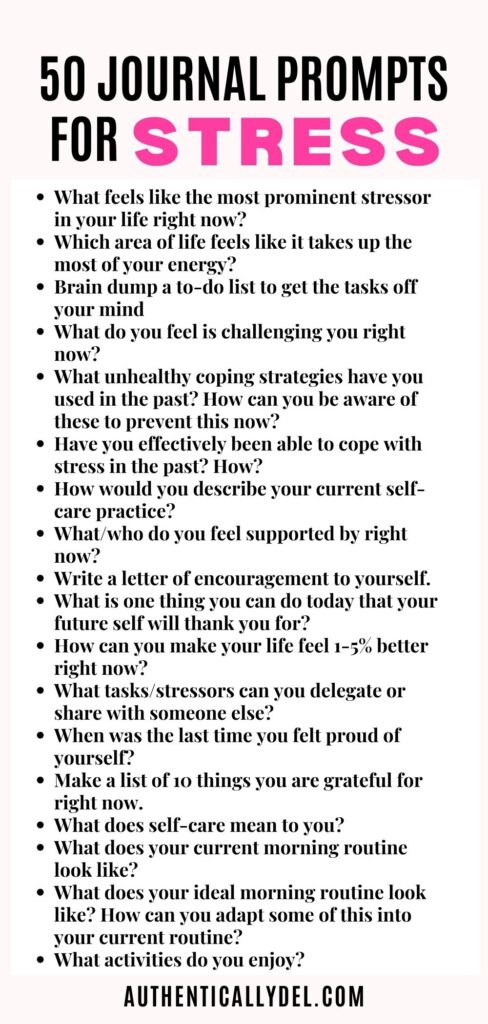
Here are 15 journal prompts to help you get started with stress relief journaling for anxiety:
- What are my anxiety triggers, and how can I avoid them?
- What are some things I'm grateful for today?
- Describe a time when I felt calm and relaxed. What was I doing, and how can I replicate that feeling?
- Write about a situation that's causing me anxiety. What are my thoughts and feelings about it, and what can I do to address it?
- What self-care practices can I incorporate into my daily routine to reduce anxiety?
- Describe a time when I felt anxious or overwhelmed. What were my thoughts and feelings, and how did I cope?
- Write a letter to myself, offering support and encouragement during difficult times.
- What are some healthy coping mechanisms for managing anxiety?
- Describe a peaceful and calming place. What are the sights, sounds, and smells that create a sense of relaxation?
- Write about a time when I felt proud of myself for managing anxiety. What did I do, and how can I build on that success?
- What are some things I can do to take care of my physical health and reduce anxiety?
- Describe a situation where I felt anxious or fearful. What were my thoughts and feelings, and how did I cope?
- Write a mindfulness exercise to help you stay present and focused.
- What are some ways I can challenge negative thoughts and reframe them in a more positive light?
Additional Tips for Stress Relief Journaling for Anxiety
Here are some additional tips for incorporating stress relief journaling for anxiety into your self-care routine:
- Make journaling a habit by incorporating it into your daily routine.
- Experiment with different journaling styles and formats to find what works best for you.
- Keep your journal private and confidential to ensure you feel comfortable expressing yourself.
- Consider using a guided journal or prompts to help you get started.
- Don't be too hard on yourself if you miss a day or two. Just get back to journaling as soon as you can.
Conclusion
Stress relief journaling for anxiety is a powerful tool for managing anxiety and stress. By incorporating journaling into your self-care routine, you can gain clarity, reduce stress, and recognize patterns over time. Remember to experiment with different journaling styles and formats, and don't be too hard on yourself if you miss a day or two. With consistent practice, journaling can be a valuable resource for managing anxiety and finding peace in your daily life.