GLP-1 and Dopamine Interactions: A New Frontier in Weight Management and Beyond
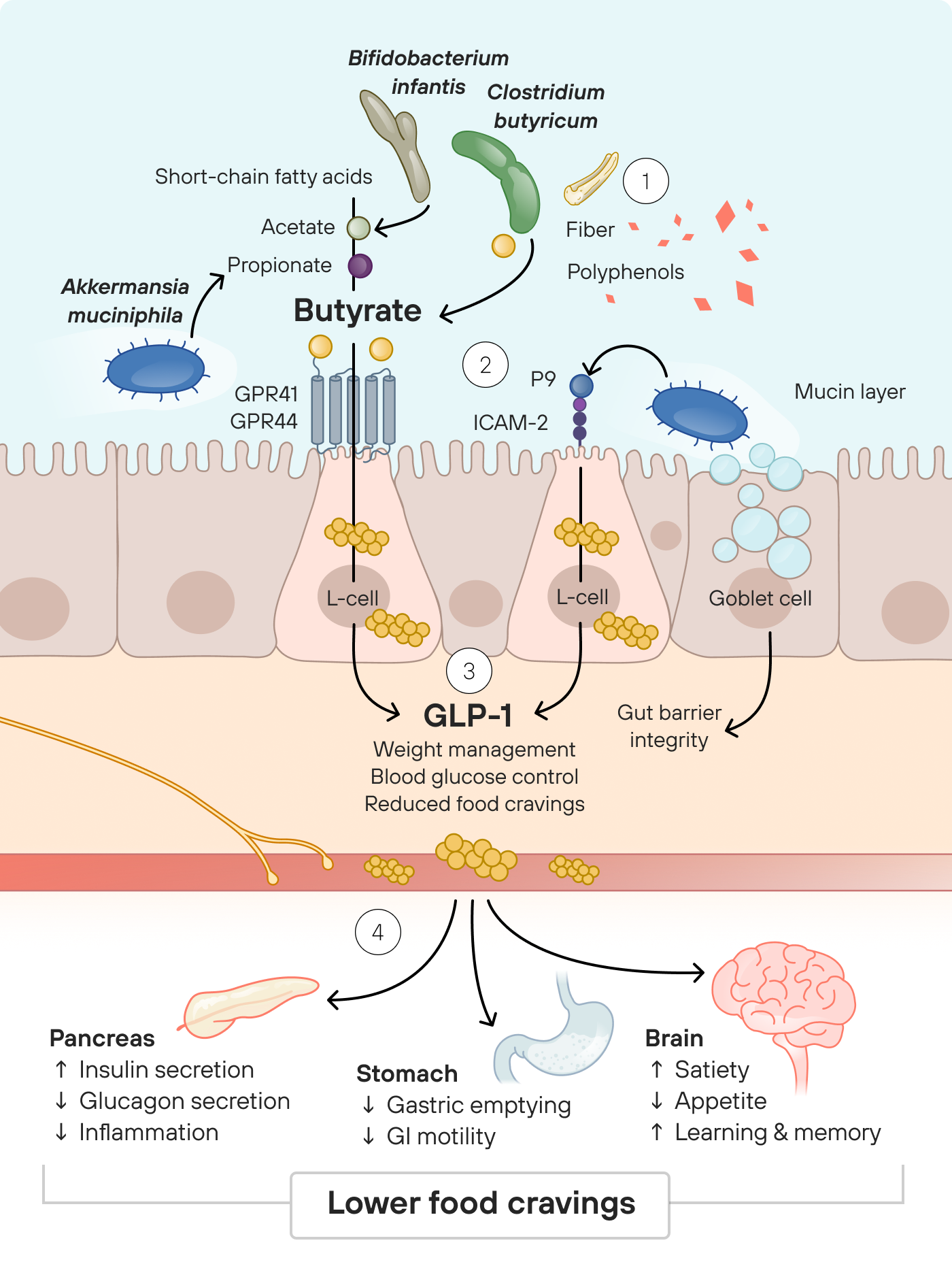
The relationship between natural reward and drug reward has long been understood to converge on a common neural pathway, the mesolimbic dopamine system. This system is responsible for regulating the brain's reward and pleasure centers, and it's no surprise that appetite-regulating peptides, like glucagon-like peptide-1 (GLP-1), have been found to target areas associated with reward and addiction.1 As researchers continue to unravel the mysteries of GLP-1, recent studies have shed light on the interactions between GLP-1 and dopamine pathways. This emerging research has far-reaching implications for our understanding of weight management, mental health, and beyond.GLP-1 and Dopamine: A Complex Interplay
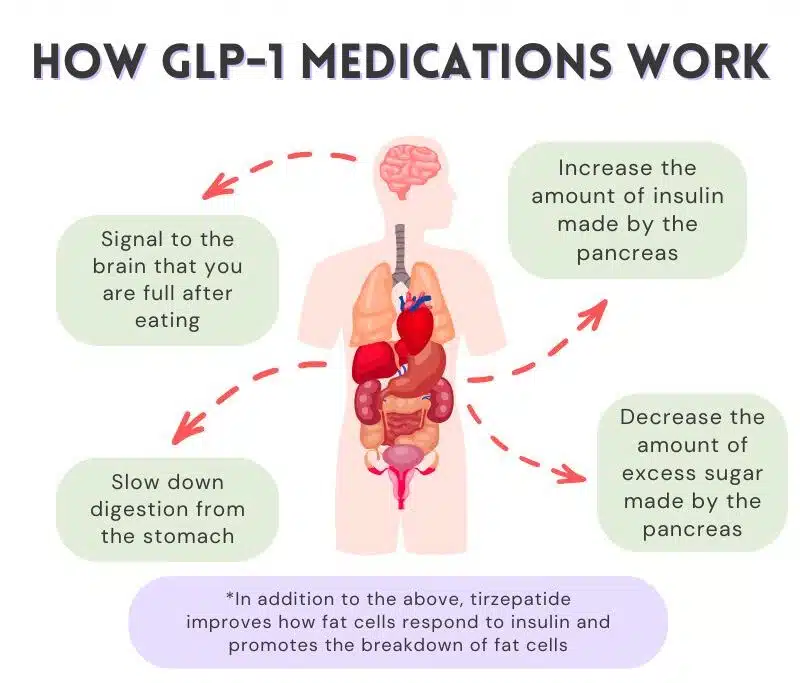
GLP-1, a hormone that plays a crucial role in energy homeostasis, has been found to have a profound impact on dopamine signaling in the brain. This interplay is multifaceted and influenced by various factors, including diet, exercise, and other hormones like insulin and glucagon. One study demonstrated that GLP-1 receptor agonists, such as semaglutide, may play a role in regulating dopamine pathways. This is significant, as dopamine is a key neurotransmitter involved in reward processing, motivation, and addiction.2GLP-1 and Dopamine Crosstalk: From Animal Studies to Human Applications
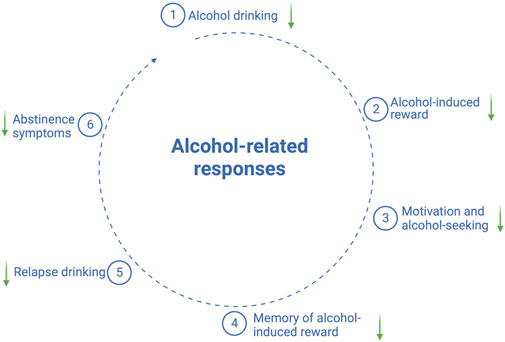
Research conducted on rat WAT explants demonstrated that dopamine receptor 1 (D1DR) and GLP-1 receptor (GLP-1R) expression are correlated, indicating a direct interaction between these two systems. Additionally, studies have shown that GLP-1-induced AMPK activity in the presence of dopamine receptor antagonists, suggesting that GLP-1 may upregulate dopamine activity in certain contexts.3 Furthermore, a comprehensive analysis of preclinical and clinical studies has revealed a connection between GLP-1 agonists and mental disorders. This has sparked interest in using these medications as a potential therapeutic avenue for treating conditions like depression, anxiety, and substance use disorders.4