G Network Setup for Virtual Private Networks
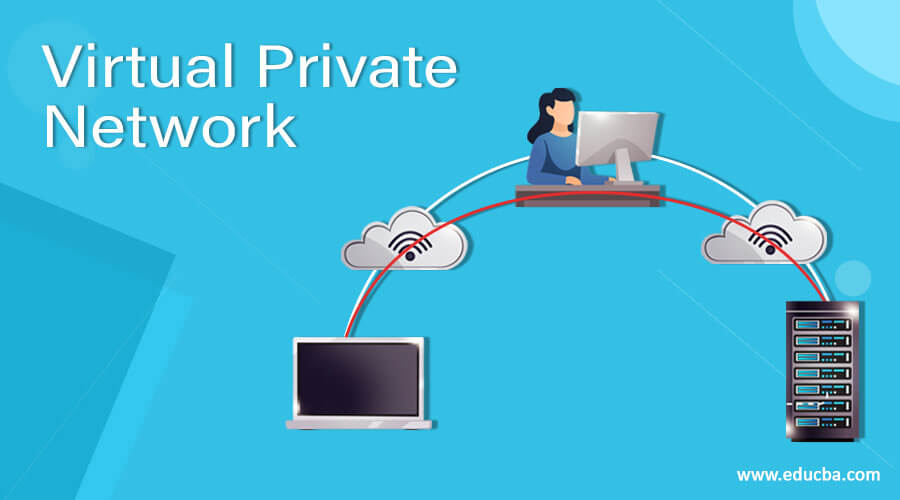
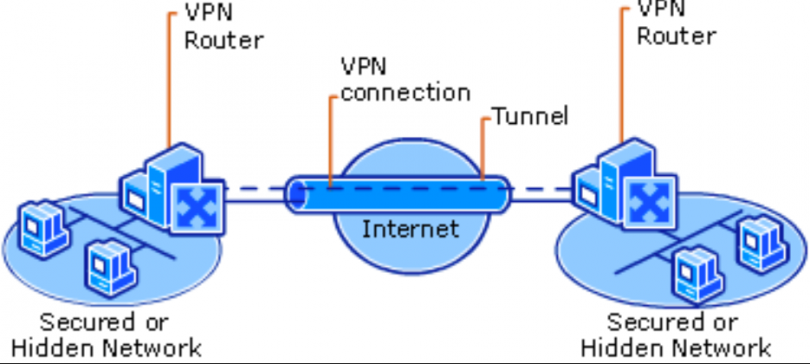
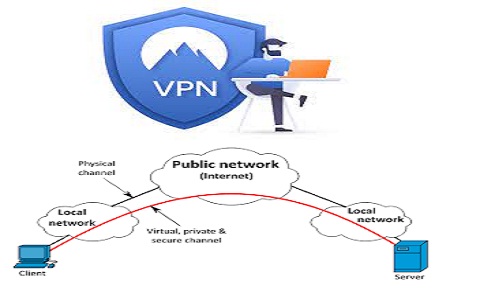
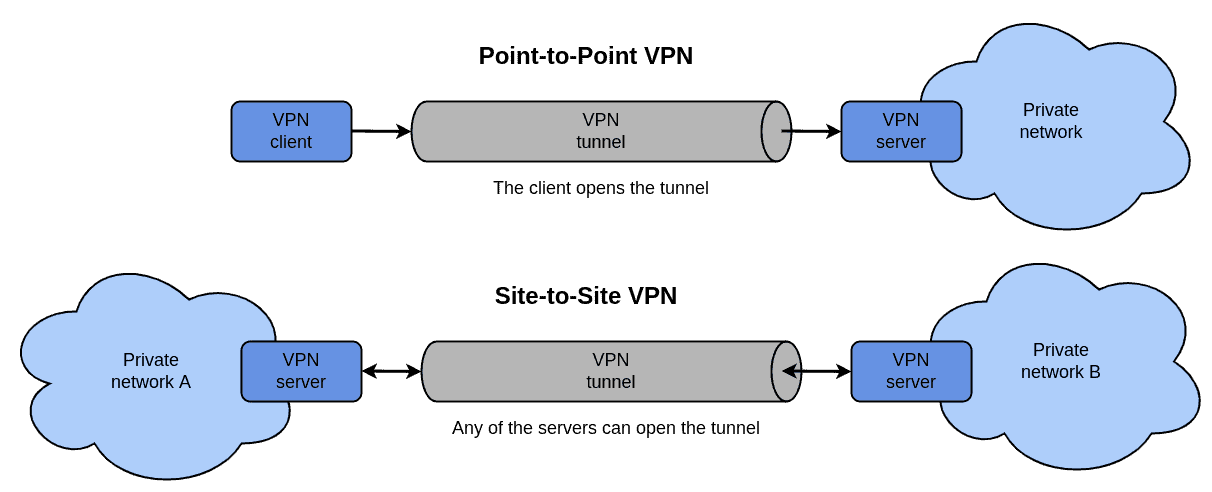
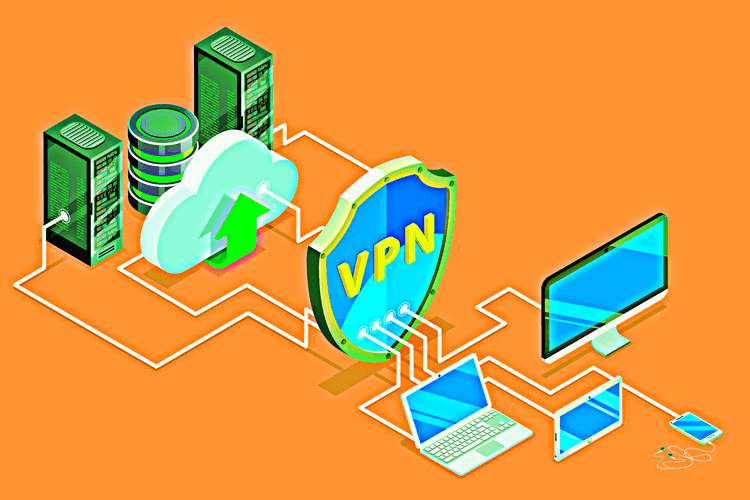
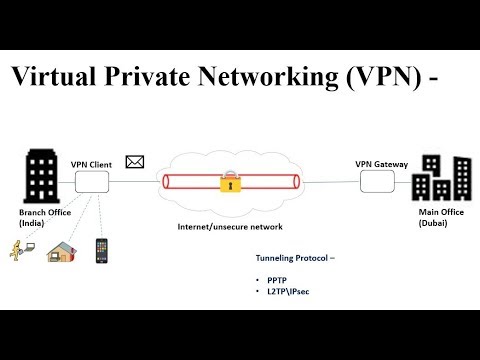
In today's digital age, maintaining a secure and private online presence is crucial for individuals and businesses alike. One effective way to achieve this is by setting up a Virtual Private Network (VPN). A VPN creates a secure and encrypted connection between your device and a VPN server, protecting your data from unauthorized access and prying eyes. In this article, we will explore the G Network Setup for Virtual Private Networks, providing you with a comprehensive guide on how to set up a VPN on Google Cloud Platform (GCP).
What is a Virtual Private Cloud (VPC) Network?
A Virtual Private Cloud (VPC) network is a logically isolated network on GCP, providing a virtualized network infrastructure. It allows you to create a private network within Google Cloud, connecting your resources and devices securely. A VPC network is similar to a physical network, except it is virtualized within Google Cloud, providing a secure and isolated environment for your resources.
Benefits of Setting Up a VPN on GCP
Enhanced Security: A VPN provides a secure and encrypted connection, protecting your data from unauthorized access and cyber threats.
Improved Performance: A VPN can improve network performance by reducing latency and packet loss.
Increased Flexibility: A VPN allows you to access resources and devices from anywhere, at any time, as long as you have an internet connection.
Better Compliance: A VPN helps you comply with data protection regulations, such as GDPR and HIPAA, by ensuring that sensitive data is transmitted securely.
Step-by-Step Guide to Setting Up a VPN on GCP
To set up a VPN on GCP, follow these steps:
Login to your Google Cloud Console and navigate to the VPC networks page.
Click on the "Create VPC network" button and enter a name for your VPC network.
Configure your VPC network settings, including the network range, subnet mask, and gateway.
Create a VPN connection between your VPC network and your on-premises network or another Google Cloud network.
Configure your VPN settings, including the protocol, encryption, and authentication.
Test your VPN connection to ensure it is working correctly.
Configuring Your VPC Network

To configure your VPC network, follow these steps:
Click on the "Subnetworks" tab and create a new subnetwork for your VPC network.
Configure your subnetwork settings, including the network range, subnet mask, and gateway.
Create a network tag for your VPC network to identify it.
Configure your network ACLs to control traffic flow between your VPC network and other networks.
Best Practices for Setting Up a VPN on GCP
Use a strong password and two-factor authentication to secure your VPN connection.
Configure your VPN settings to use a secure protocol, such as IPsec or OpenVPN.
Use encryption to protect your data in transit.
Regularly test and update your VPN connection to ensure it remains secure and functional.
Conclusion
In conclusion, setting up a VPN on GCP provides a secure and private online presence for individuals and businesses. By following the steps outlined in this article, you can create a secure and isolated network environment within Google Cloud, protecting your data and resources from unauthorized access and cyber threats. Remember to follow best practices for setting up a VPN on GCP to ensure your connection remains secure and functional.
Further Reading
For more information on setting up a VPN on GCP, consult the official Google Cloud documentation or contact a Google Cloud professional for guidance.