Recovery Tools for Athletes with Ankle Injuries: Understanding the Options
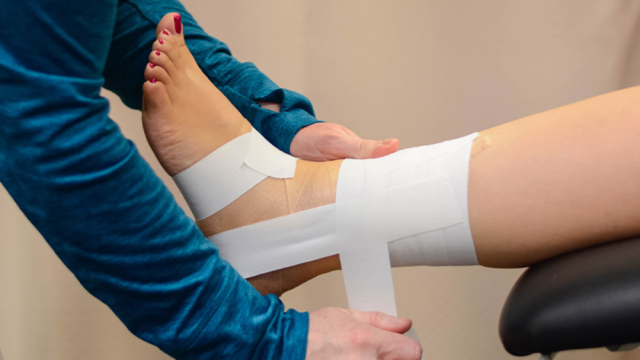
Ankle injuries are a common occurrence in sports, with sprains, fractures, and tendinitis being among the most prevalent types of injuries. Despite their prevalence, ankle injuries can be debilitating and may require a lengthy recovery period. In this article, we will explore the various recovery tools available for athletes with ankle injuries, highlighting their benefits, limitations, and effective applications.
Understanding the Importance of Early Intervention
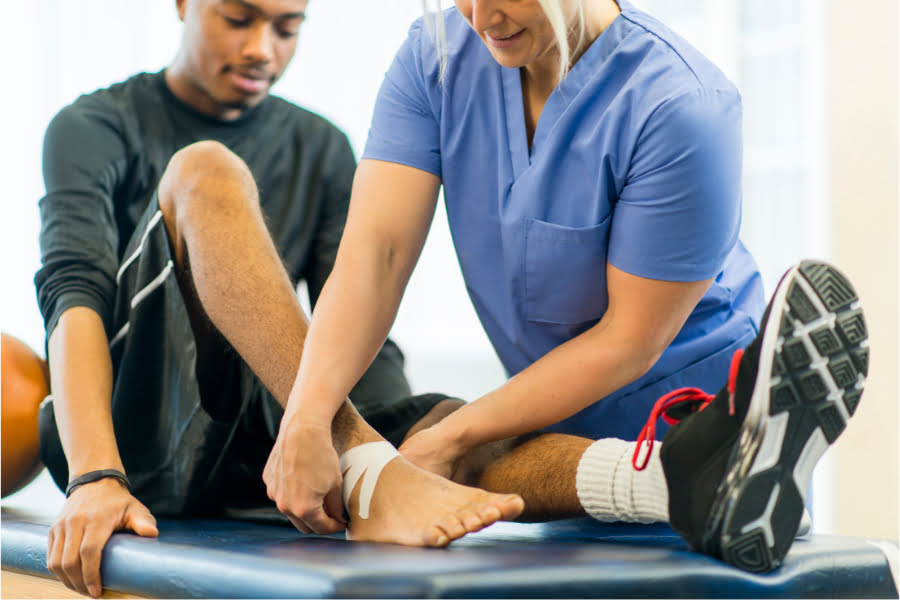
Early intervention is crucial in managing ankle injuries, as it can significantly impact the recovery timeline and outcomes. Research suggests that athletes who undergo timely treatment and rehabilitation tend to experience faster recovery rates and reduced recurrence risks. This highlights the importance of incorporating effective recovery tools into an athlete's treatment plan.
Common Ankle Injuries in Sports
- Ankle Sprains: Accounting for 15% to 25% of all sports-related injuries, ankle sprains are among the most common types of injuries in sports.
- Plantar Fasciitis: A common overuse injury characterized by inflammation of the plantar fascia, causing heel and arch pain.
- Stress Fractures: Occurring in up to 5% of athletic populations, stress fractures represent a significant concern for athletes.
- Achilles Tendinitis: An overuse injury caused by repeated strain on the Achilles tendon, leading to pain and stiffness in the ankle and lower leg.
Recovery Tools for Ankle Injuries
Effective recovery tools for ankle injuries provide several benefits, including accelerated healing, reduced pain, and improved performance outcomes. Some of the most widely used recovery tools for ankle injuries include:

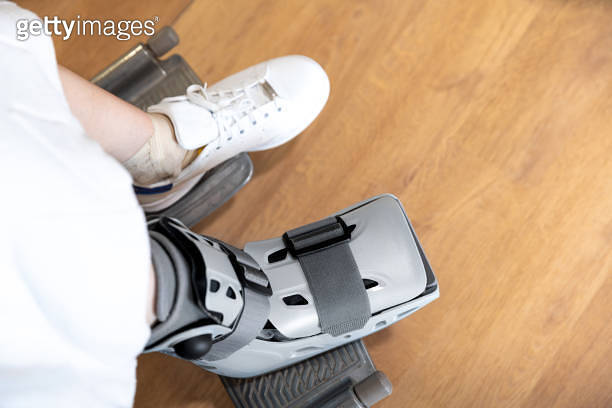
- Compression Boots: Providing compression and support, compression boots can help reduce swelling and inflammation, accelerating the recovery process.
- Massage Guns: Utilizing advanced vibrational technology, massage guns can help increase blood flow, reduce muscle tension, and promote healing.
- Air Inflation Devices: Focusing on plantar fasciitis and Achilles tendinitis relief, air inflation devices provide targeted support and stability, reducing pain and inflammation.
- Foam Rollers: Utilizing deep tissue massage, foam rollers can help reduce muscle tension, promote relaxation, and accelerate recovery.
- Ice and Heat Therapy: Used to reduce pain and inflammation, ice and heat therapy can be applied in various combinations to enhance recovery outcomes.
Effective Use of Recovery Tools
The key to leveraging recovery tools effectively lies in knowing how to integrate them into an athlete's treatment plan. Effective application involves:
- Consulting with a Medical Professional: Athletes should consult with a qualified medical professional to determine the most suitable recovery tools for their specific condition and needs.
- Proper Use and Maintenance: Recovery tools must be used correctly and regularly to maximize their benefits.
- Gradual Return to Activity: A gradual return to activity, following the conclusion of the recovery period, is crucial to prevent re-injury and ensure long-term success.
Conclusion
Recovery tools for athletes with ankle injuries offer numerous benefits, including accelerated healing, reduced pain, and improved performance outcomes. By incorporating the right recovery tools into an athlete's treatment plan, it is possible to reduce the recovery period, minimize the risk of re-injury, and promote peak performance in sports. By understanding the various recovery tools available and their effective applications, athletes and medical professionals can work together to optimize recovery outcomes.