Understanding South African Trademark Infringement: A Comprehensive Guide
Trademarks play a vital role in distinguishing businesses and their products or services from their competitors. However, trademark infringement is a significant issue in South Africa, affecting businesses and consumers alike. In this article, we will delve into the implications of trademark infringement in South Africa, how it can affect your brand, and the legal steps you can take to protect your intellectual property.
What is South African Trademark Infringement?
South African trademark infringement occurs when someone uses a name, logo, slogan, or brand design that is confusingly similar to an existing trademark, causing consumer confusion about the source or origin of the goods or services. Once a trademark has been registered, you have the exclusive right to use that trademark in relation to the goods or services covered by your registration.
The Legal Framework for Trademark Infringement in South Africa
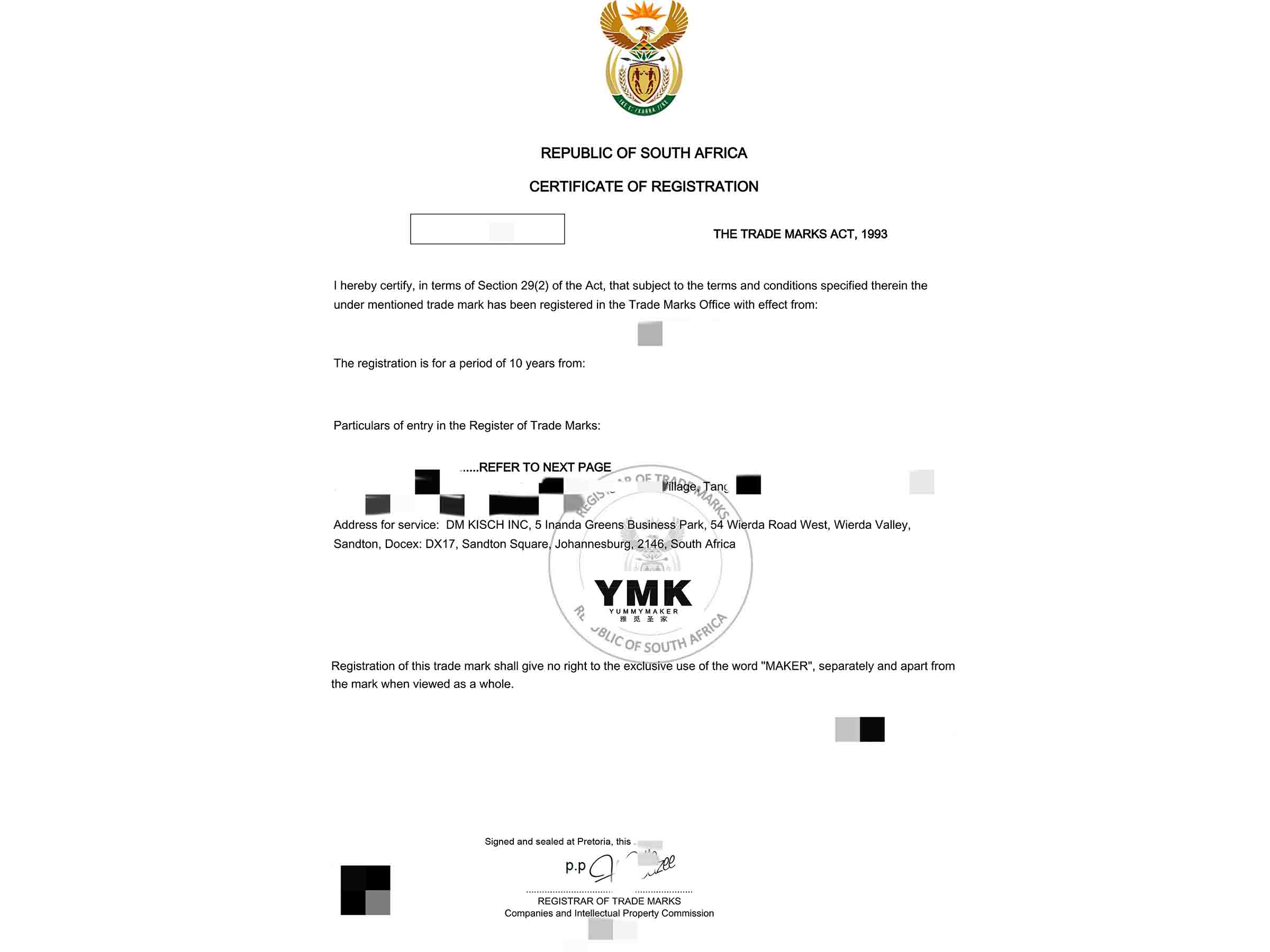
The Trade Marks Act of 1993 provides the legal framework for trademark protection under South African law. According to the Act, a registered trademark prevents others from making, importing, advertising and selling a product; or offering and providing a service, within the same or confusingly similar class using a "confusingly similar" mark.
Identifying Trademark Infringement
Recognizing trademark infringement requires analyzing whether a competitor's trademark or mark is identical or similar to your registered trademark. To identify potential infringement, you need to:
- Ensure that your trademark is registered and protected in South Africa
- Monitor competitors and potential infringers
- Assess potential infringers' marks for similarity or identity
- Investigate any unauthorized use of your trademark
Responding to Trademark Infringement
When faced with trademark infringement, follow these steps:
- Document evidence of infringement, including photographs, screenshots, and witness statements
- Send a cease and desist letter to the infringing party
- Monitor the infringing party's activities and report any ongoing infringement
Preventing Trademark Infringement

Preventing trademark infringement involves taking proactive measures to protect your trademark investments. You can:
- Regularly monitor the market for potential infringers
- Invest in trademark monitoring services
- Maintain professional relationships with all trademark holders
What to Do When Faced with Trademark Infringement in South Africa
If you are faced with trademark infringement in South Africa, consult with a trademark attorney to discuss your options. You may file a complaint with the South African High Court, seeking to have the infringing trademark removed from the register or to enjoin further use.
Cost of Filing a Trademark Infringement Lawsuit in South Africa
The cost of filing a trademark infringement lawsuit in South Africa depends on various factors, including the complexity of the case, the number of parties involved, and the attorney's hourly rate. It is best to consult with a trademark attorney to discuss the costs involved.
Conclusion
Trademark infringement is a significant issue in South Africa, requiring businesses to be proactive in protecting their intellectual property. By understanding the legal framework for trademark infringement and taking preventive measures, businesses can protect their trademarks and prevent unauthorized use. If faced with trademark infringement, consult with a trademark attorney to discuss your options and ensure that you take the necessary legal steps to protect your trademark investments.
References
For more information on South African trademark law, including case law and legislation, please refer to the following sources:
- Trade Marks Act of 1993
- Chambers and Partners: South Africa - Intellectual Property Law
- Lexis Nexis: South African Intellectual Property Law and Practice
- South African Law Reports
Disclaimer: This is a general guide to trademark infringement in South Africa. It is not intended to be a substitute for specific legal advice. Consult with a trademark attorney to discuss your options and ensure that you take the necessary legal steps to protect your trademark investments.