How GLP-1 Influences Lipid Metabolism
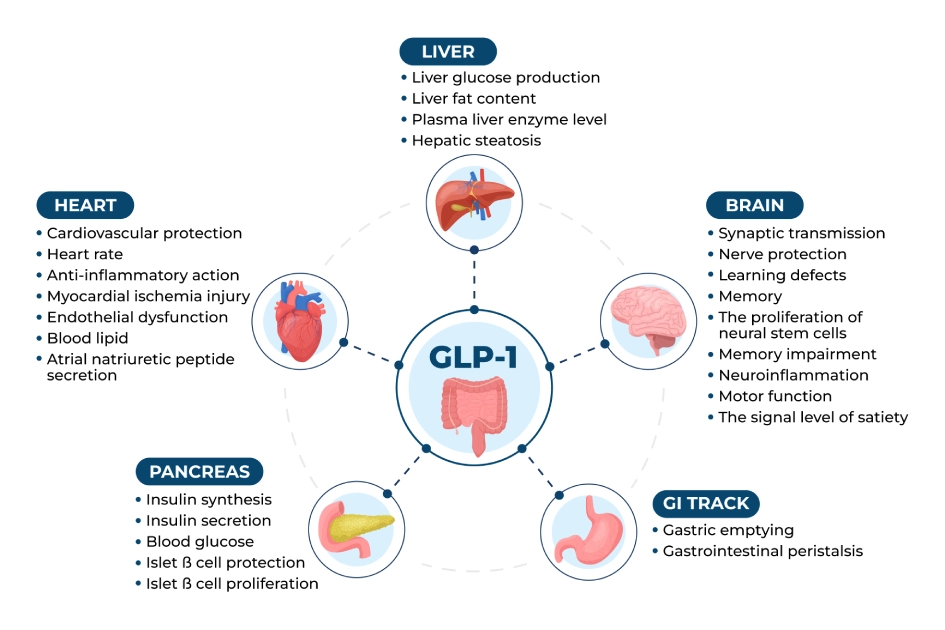
GLP-1 (Glucagon-Like Peptide-1) is a hormone that plays a crucial role in regulating various bodily functions, including glucose homeostasis, insulin sensitivity, and lipid metabolism. Research has shown that GLP-1 affects lipid metabolism in several ways, making it an important area of study in the field of metabolic research.GLP-1 and Lipid Metabolism: The Complex Relationship
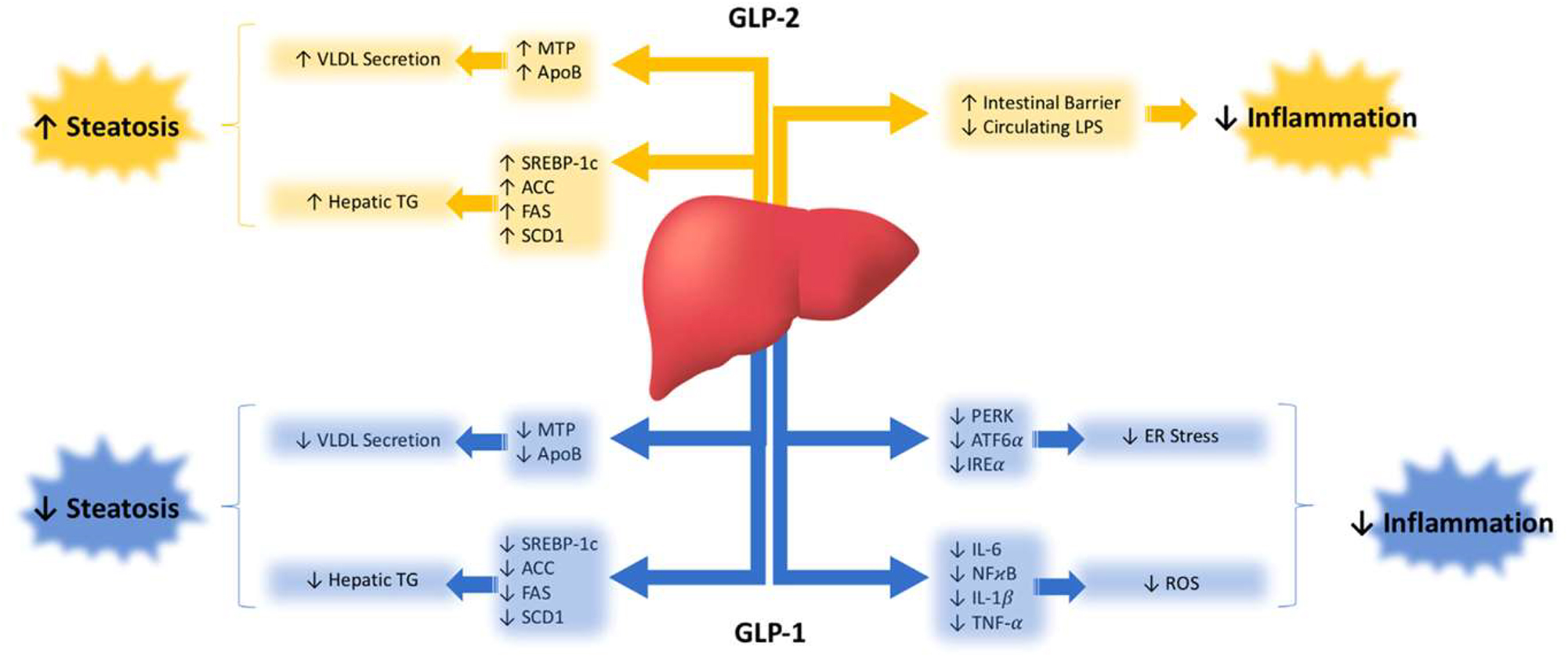
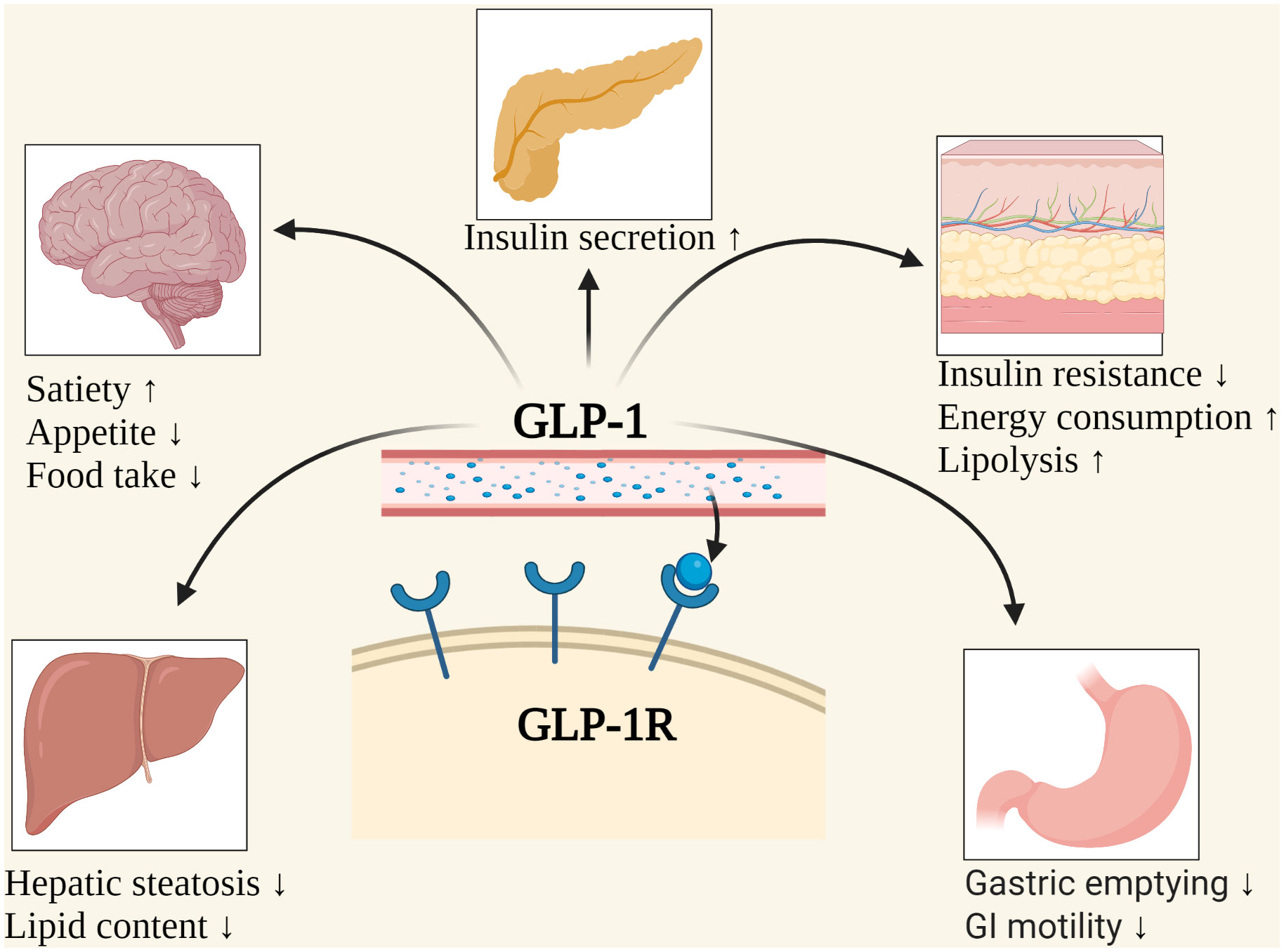
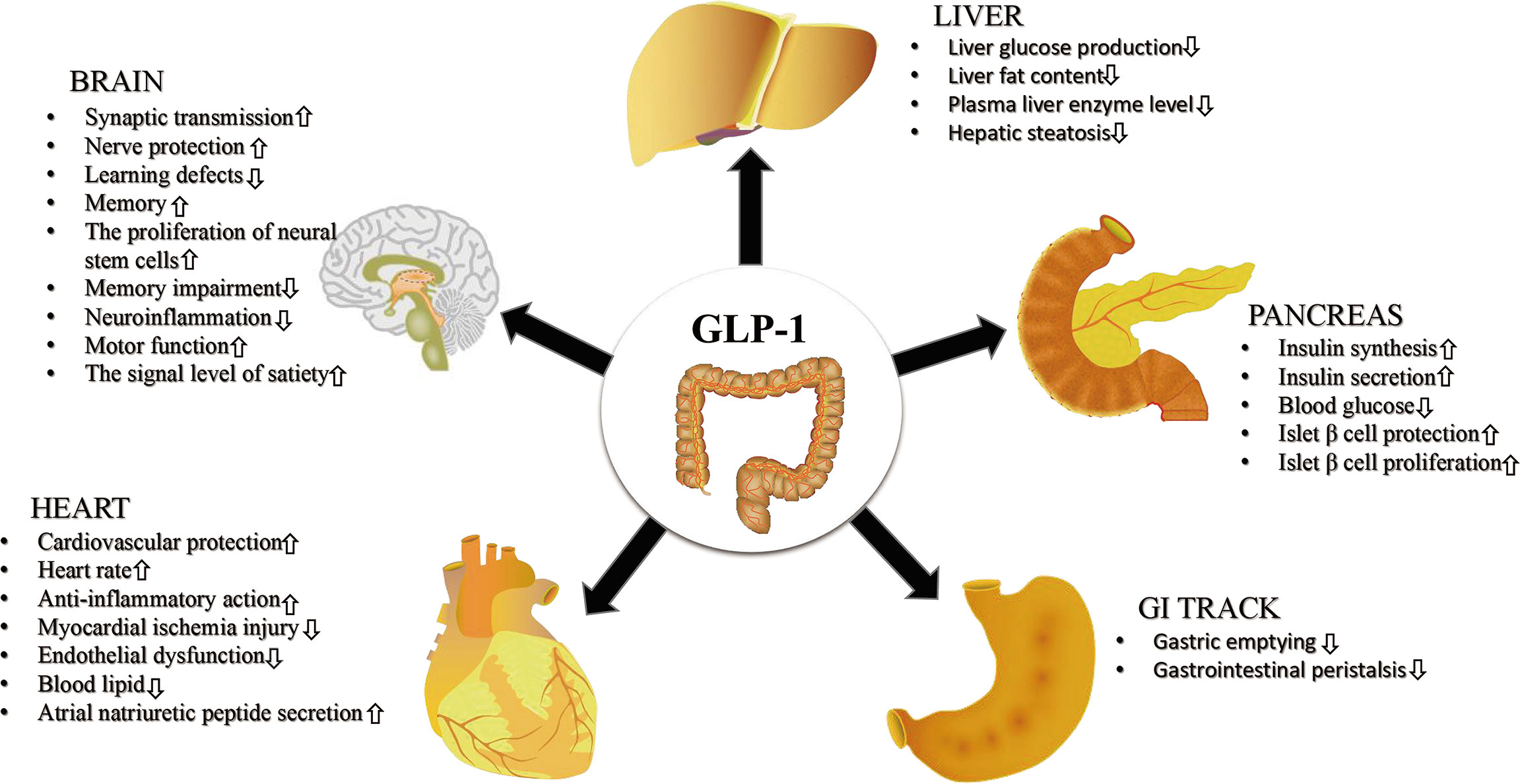
GLP-1 is a 30-amino acid peptide hormone primarily expressed in the intestine and hypothalamus. Studies have shown that GLP-1 is closely related to lipid metabolism, influencing the body's lipid management. Inhibiting fat synthesis, promoting fat differentiation, enhancing cholesterol metabolism, and promoting the breakdown of triglycerides are some of the ways GLP-1 affects lipid metabolism.Lipid Metabolism and GLP-1
The body's ability to store and release triglycerides is central to lipid metabolism. Studies have shown that GLP-1 analogs can directly affect triglyceride levels by reducing them, indicating that GLP-1 has a role in regulating lipid levels.GLP-1's Effects on Lipid Storage and Estrogen Status