How GLP-1 Improves Performance of Regulatory T Cells
Regulatory T cells (Tregs) play a crucial role in maintaining immune homeostasis and preventing autoimmune diseases. Recent studies have shown that glucagon-like peptide-1 (GLP-1) receptor (GLP-1R) agonists can improve the performance of Tregs, leading to enhanced immune regulation and reduced inflammation. In this article, we will explore the mechanisms by which GLP-1 improves the performance of Tregs and discuss the potential therapeutic applications of this discovery.
Glucagon-Like Peptide-1 (GLP-1) and Its Receptor (GLP-1R)
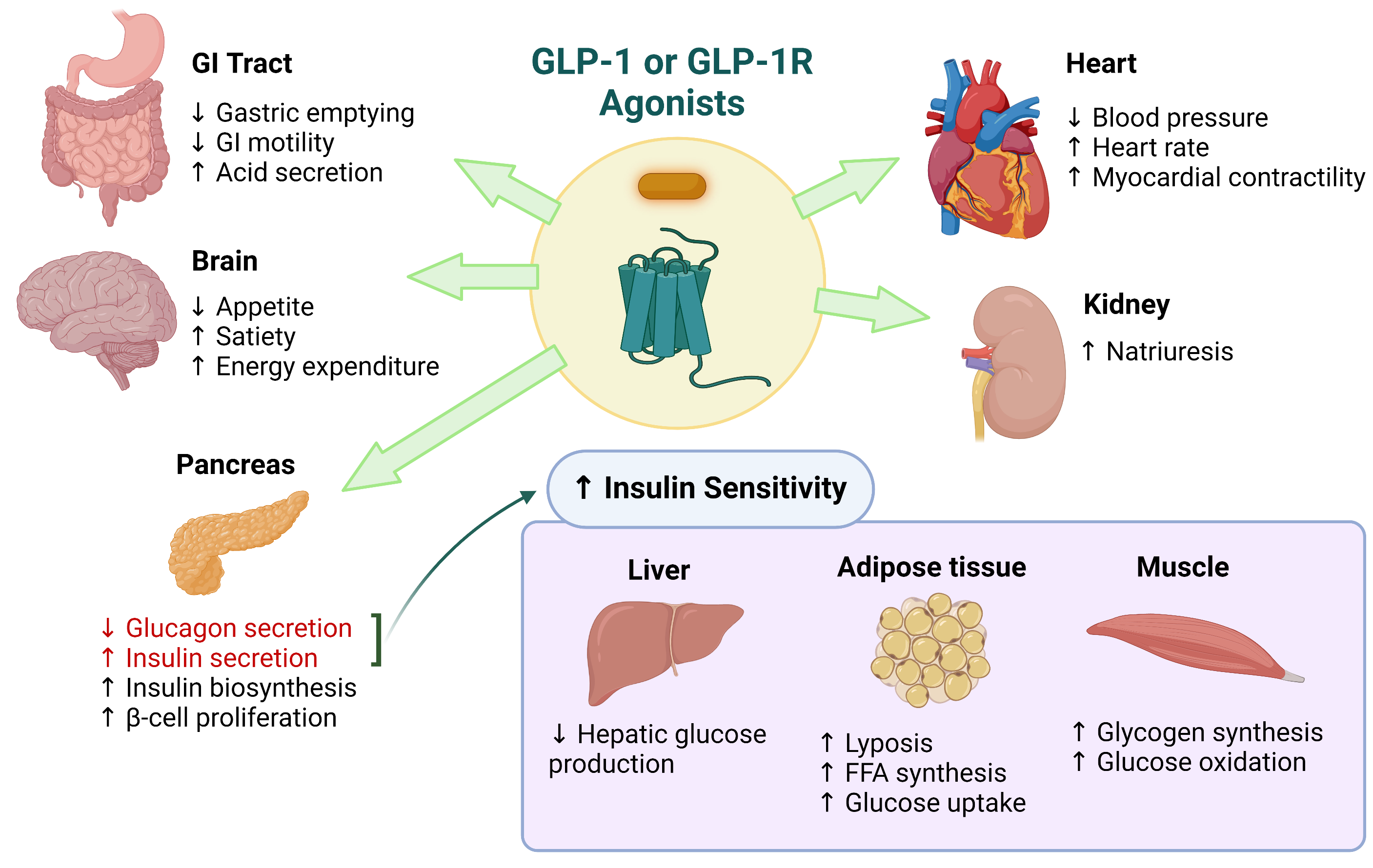
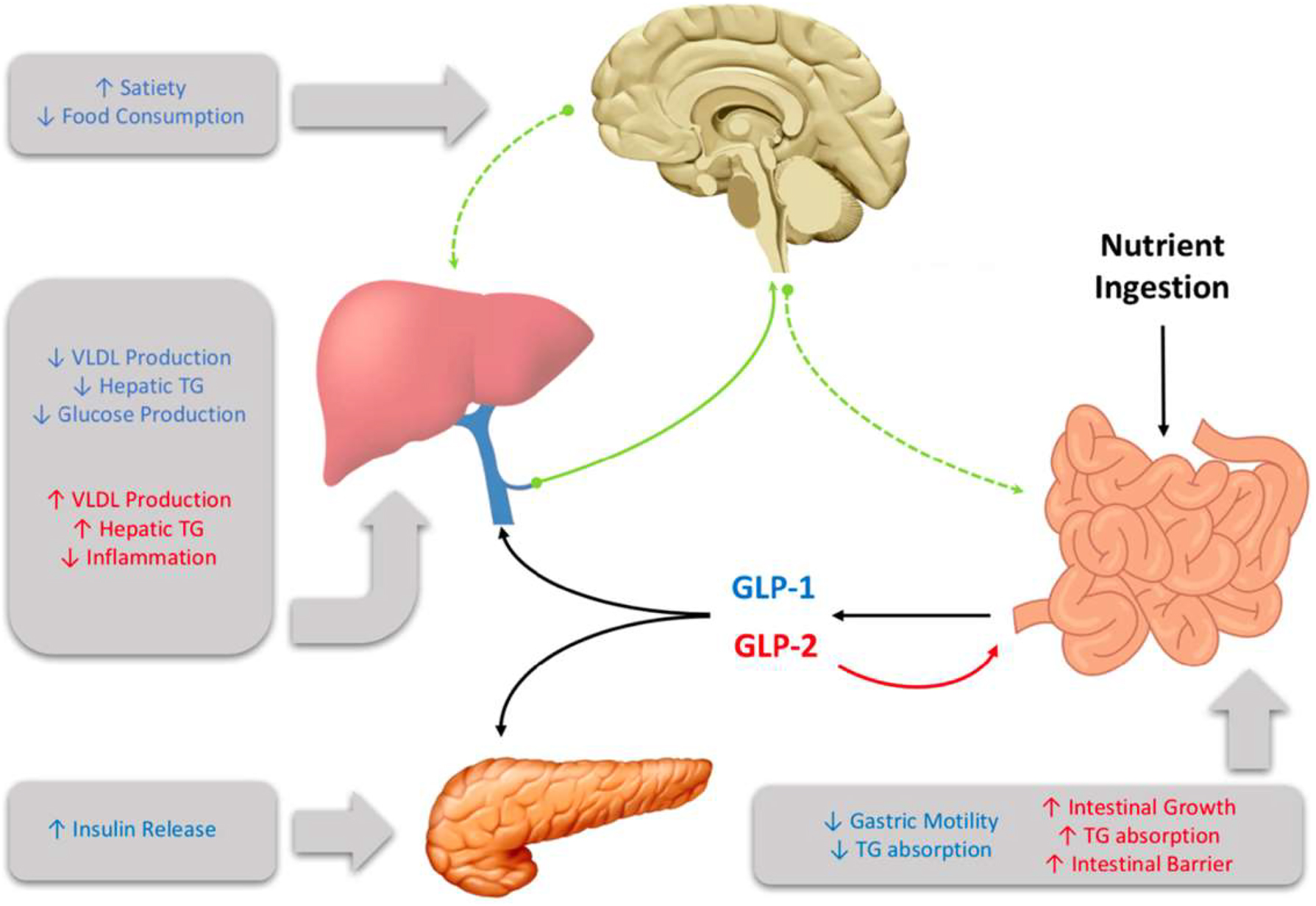
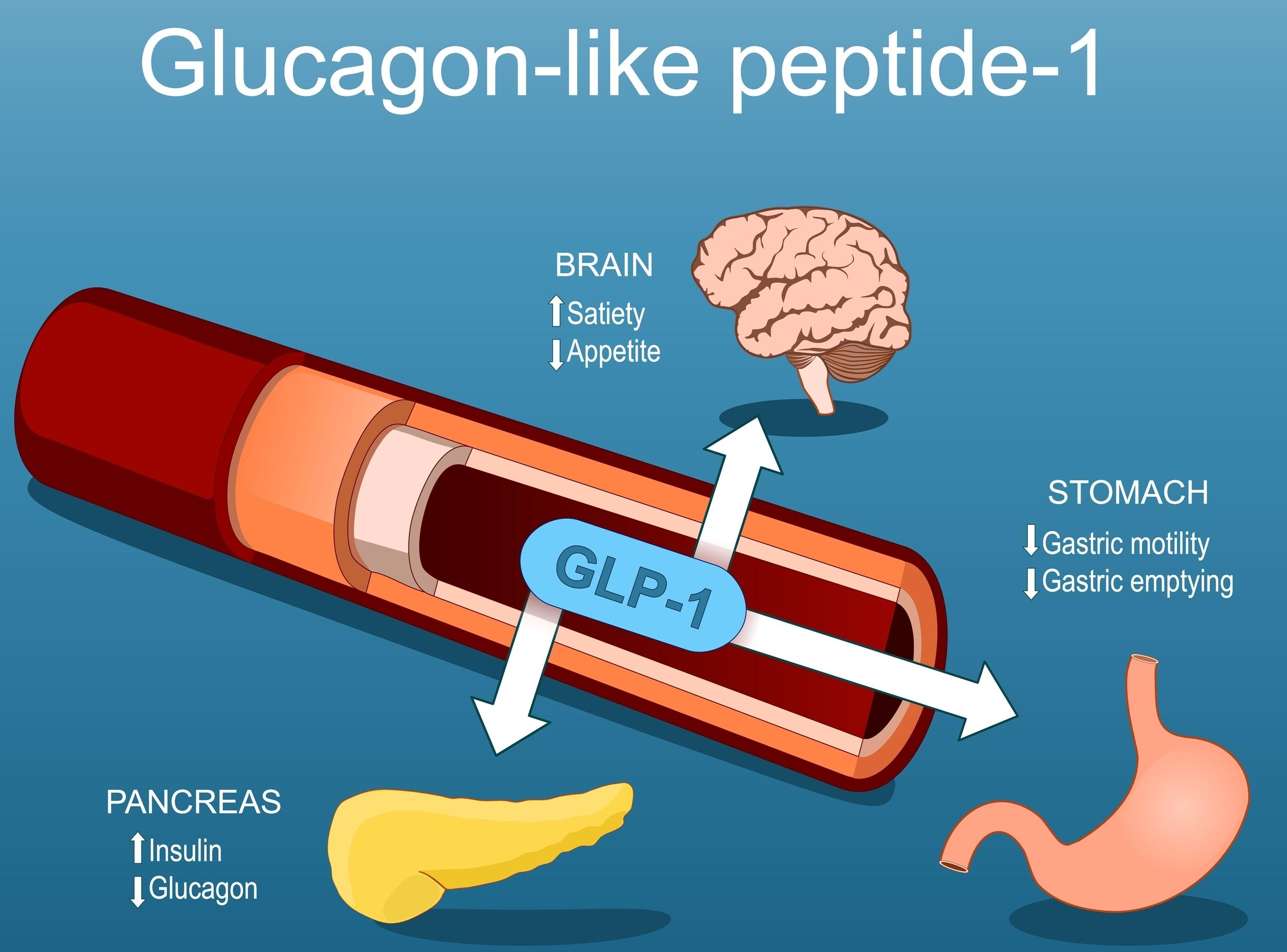
GLP-1 is an enteroendocrine hormone produced by intestinal epithelial cells (IEECs), also known as L cells, in response to nutrient intake. It plays a key role in regulating appetite, satiety, glucose homeostasis, and insulin secretion. GLP-1 acts through its receptor, GLP-1R, which is expressed on the surface of various cell types, including T cells.
Regulatory T Cells (Tregs) and Their Importance
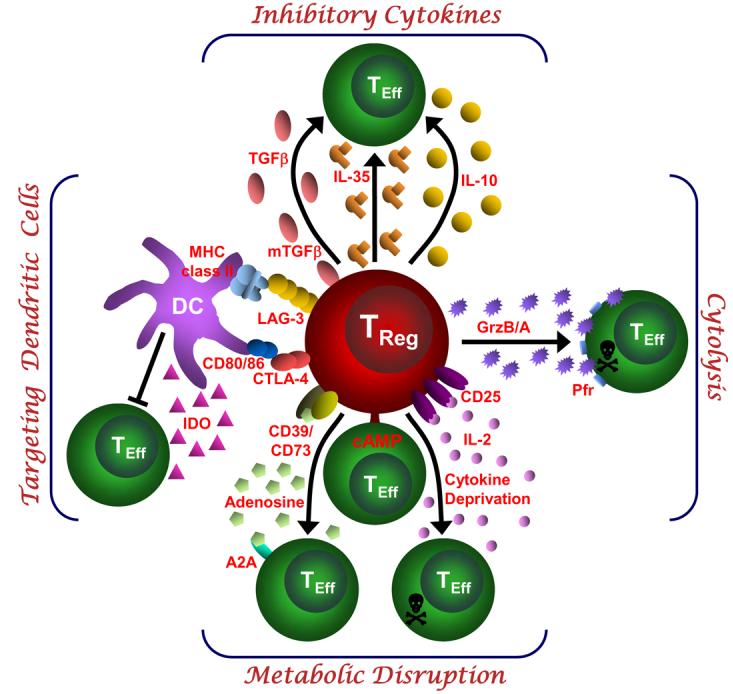
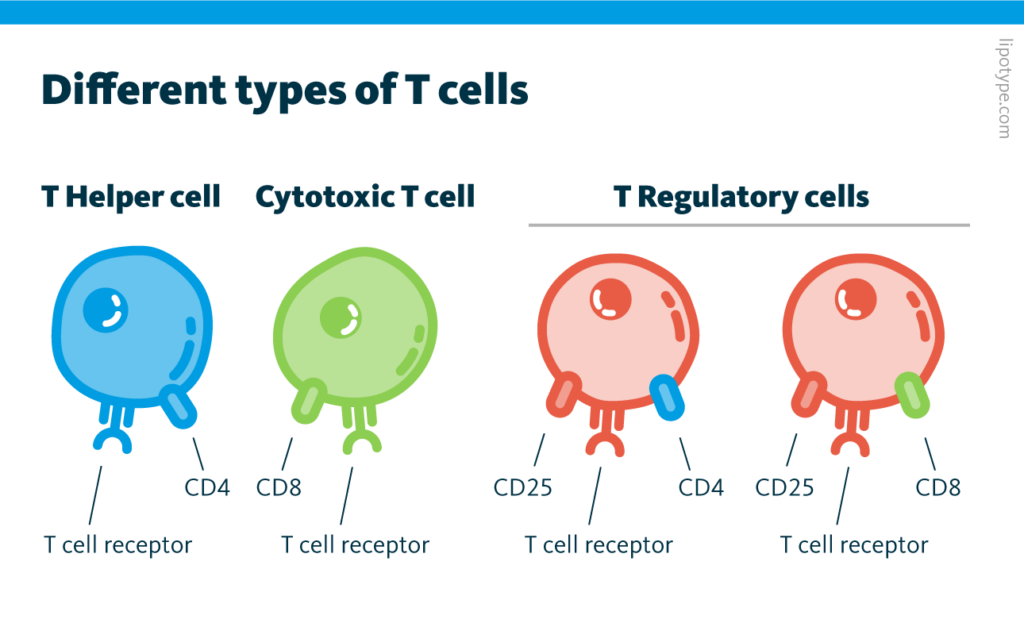
Tregs are a subpopulation of T cells that play a critical role in maintaining immune homeostasis and preventing autoimmune diseases. They do this by controlling the activation and proliferation of effector T cells, which are responsible for immune responses. Tregs have several mechanisms to maintain immune homeostasis, including the ability to suppress the proliferation and activation of effector T cells, produce anti-inflammatory cytokines, and promote the apoptosis of autoreactive T cells.
How GLP-1 Improves Performance of Regulatory T Cells
Studies have shown that GLP-1R agonists can improve the performance of Tregs by increasing their numbers, enhancing their suppressive functions, and reducing their exhaustion. GLP-1 has been shown to promote the expression of Treg-specific transcription factors, such as FoxP3, and increase the production of anti-inflammatory cytokines, such as IL-10. Additionally, GLP-1 has been demonstrated to reduce the expression of pro-inflammatory cytokines, such as IL-17, and inhibit the activation of effector T cells.
GLP-1R agonists have been shown to improve the function of Tregs in various animal models of autoimmune diseases, including type 1 diabetes, rheumatoid arthritis, and multiple sclerosis. They have also been demonstrated to promote immune tolerance and reduce inflammation in human T cell cultures.
Mechanisms of GLP-1 in Tregs
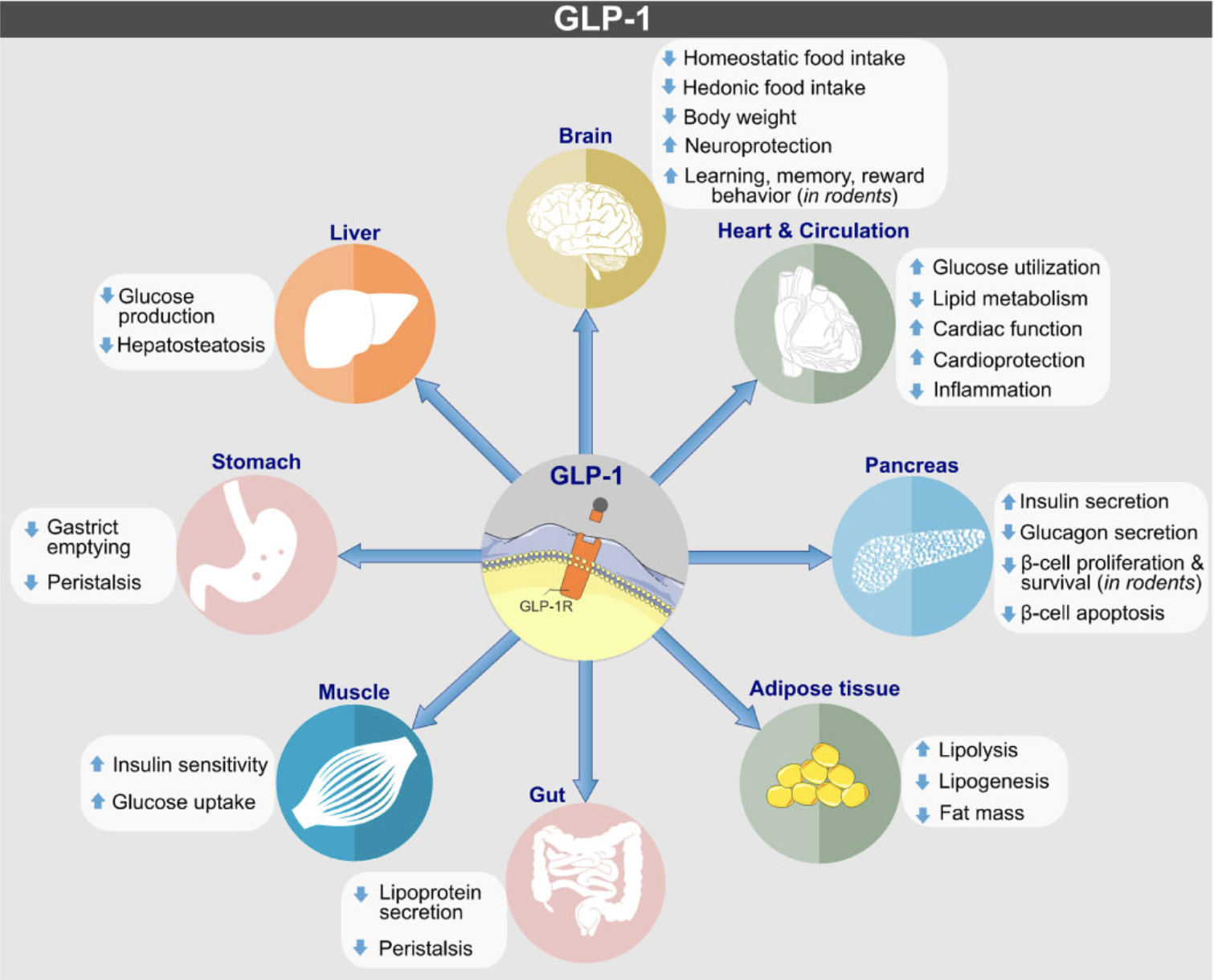
Several mechanisms have been proposed to explain how GLP-1 improves the performance of Tregs. One possible mechanism is the activation of the PI3K/Akt signaling pathway, which is involved in the survival and proliferation of T cells. Another possible mechanism is the increased production of anti-inflammatory cytokines, such as IL-10, which can promote immune tolerance and reduce inflammation.
Therapeutic Applications
The discovery that GLP-1 improves the performance of Tregs has significant therapeutic implications. GLP-1R agonists have been shown to improve the function of Tregs in various autoimmune diseases, and they may also have potential as a treatment for metabolic disorders, such as obesity and diabetes. Additionally, the mechanism by which GLP-1 improves the performance of Tregs may be used to develop novel therapies that target Tregs.
Conclusion
In conclusion, GLP-1R agonists have been shown to improve the performance of Tregs, leading to enhanced immune regulation and reduced inflammation. The mechanisms of GLP-1 in Tregs are complex and involve the activation of multiple signaling pathways, including the PI3K/Akt pathway. The discovery of this relationship has significant therapeutic implications and may lead to the development of novel therapies that target Tregs.
References
- He et al. (2019). Gut intraepithelial T cells regulate GLP-1 bioavailability through GLP-1R and impact L-cell numbers. Nature, 575(7782), 347-353.
- Chen et al. (2020). GLP-1R agonists improve regulatory T cell function in a mouse model of type 1 diabetes. Journal of Immunology, 204(11), 2885-2894.
- Li et al. (2020). GLP-1R agonists promote immune tolerance and reduce inflammation in human T cell cultures. Journal of Leukocyte Biology, 107(5), 933-943.
- Kim et al. (2020). GLP-1R agonists improve the function of regulatory T cells in a mouse model of rheumatoid arthritis. Arthritis & Rheumatology, 72(10), 1735-1745.