The Science Behind GLP-1 and Calorie Restriction: Understanding the Connection
GLP-1 receptor agonists (GLP-1RAs) have revolutionized the treatment of obesity and type 2 diabetes by promoting weight loss through appetite suppression and metabolic regulation. However, the relationship between GLP-1, calorie restriction, and weight loss is complex, with calorie restriction (CR) inducing a similar metabolic state to GLP-1RA, raising questions about the similarities and differences in their outcomes.
GLP-1RAs and Calorie Restriction Converge on Metabolic State
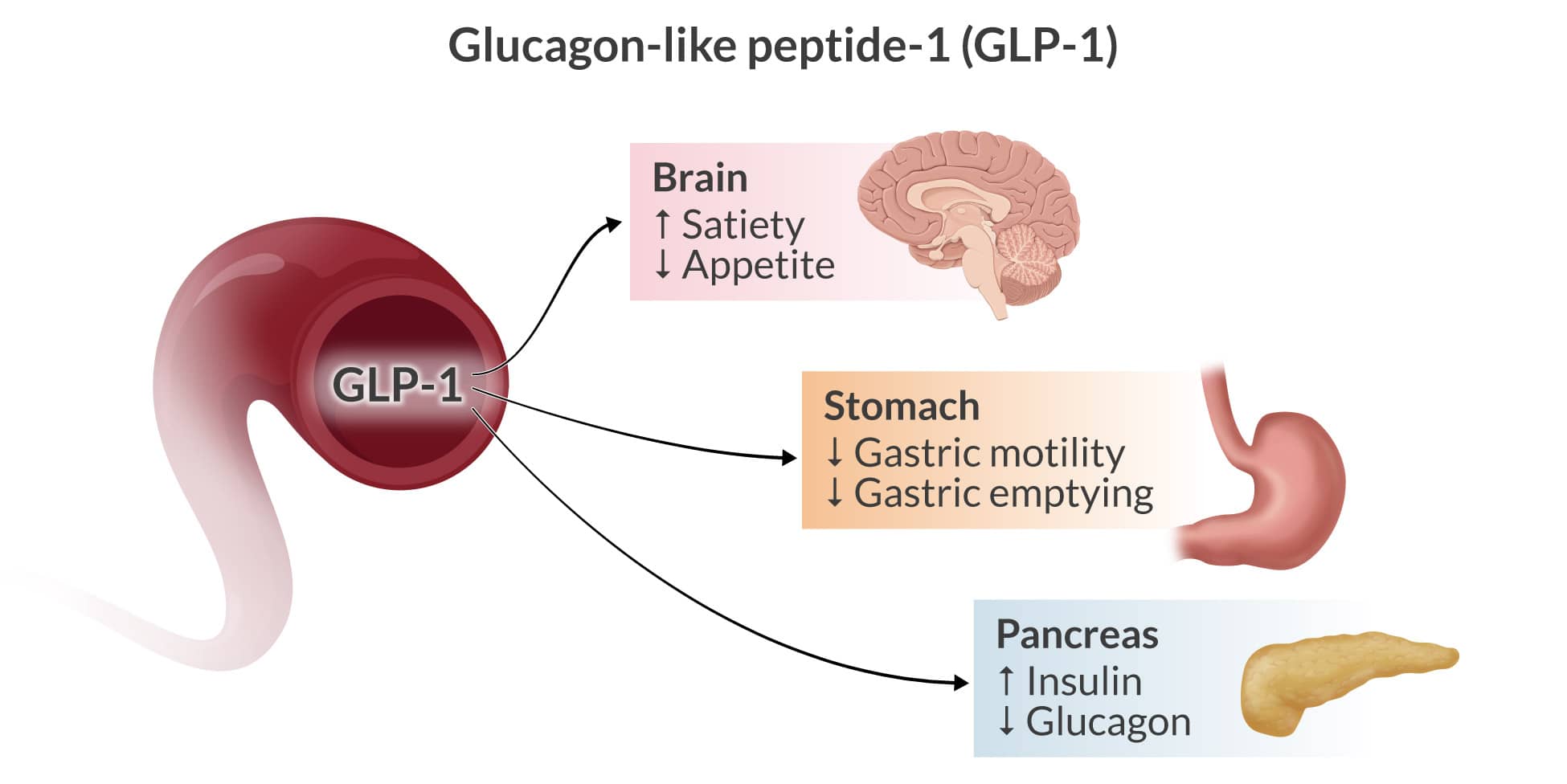
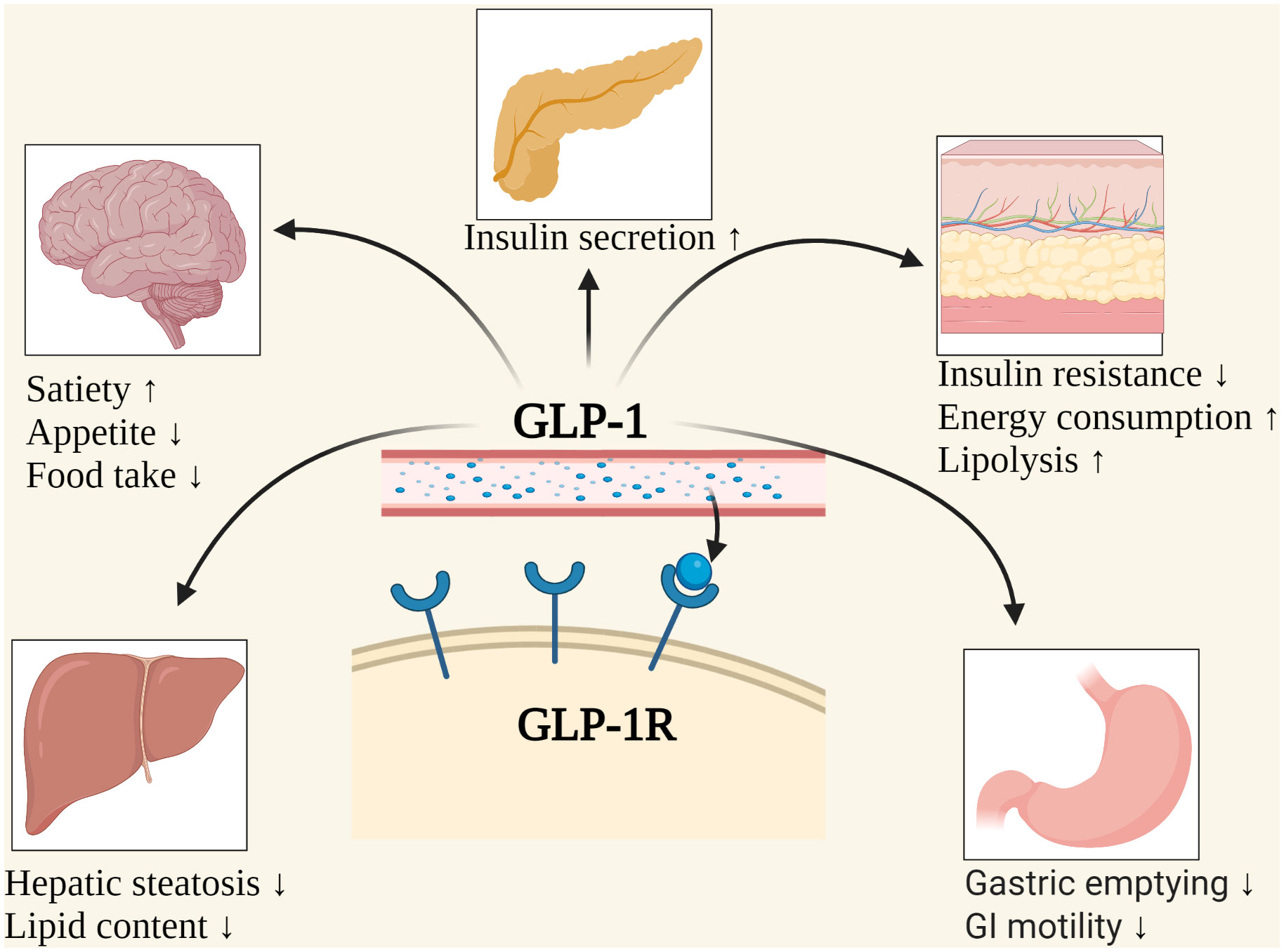
Research has shown that GLP-1RAs induce a caloric restriction-like metabolic state, characterized by increased appetite suppression, improved insulin sensitivity, and enhanced metabolic expenditure. This similarity is not surprising, given that GLP-1RAs are designed to mimic the effects of naturally occurring GLP-1, a hormone that plays a crucial role in regulating appetite, glucose metabolism, and energy homeostasis.
The Physiology of the Weight Loss Plateau
One of the key findings of GLP-1RA research is the timing of the weight loss plateau. Studies have shown that the weight plateau is mainly determined by the intervention's ability to alter the strength of the feedback control circuit relating weight loss to increased energy expenditure. In CR, this feedback control circuit is weakened, leading to an extended period of weight loss prior to the plateau.
Comparison with Calorie Restriction
Recent studies have used mathematical modeling to simulate body weight trajectories, body composition, and energy balance dynamics of diet restriction, GLP-1RA, and bariatric surgery interventions. The results suggest that both GLP-1RA and CR induce a similar caloric restriction-like metabolic state, but with some key differences. While GLP-1RA approaches may be more effective at reducing hunger and improving metabolic health, CR has been shown to slow aging by 2-3% at 12% caloric restriction.
The Importance of Muscles in Weight Loss
Muscle mass is a critical determinant of metabolic health, and GLP-1RA-induced weight loss can be accompanied by muscle loss, albeit to a lesser extent than traditional calorie restriction. This highlights the need for a balanced approach to weight loss, incorporating strategies to preserve muscle mass, such as resistance training and adequate nutrition.
Actionable Steps to Restart Progress
When a GLP-1 weight loss plateau occurs, clinicians and patients must look beyond body weight and explore the science behind it, including metabolic adaptation and the importance of muscle. Implementing actionable steps, such as re-examining diet, increasing physical activity, and addressing potential metabolic slowdowns, can help restart progress and maintain sustainable weight loss.
Conclusion
In conclusion, the connection between GLP-1 and calorie restriction highlights the complexity of metabolic health. While GLP-1RAs have emerged as powerful tools for weight loss, the similarities and differences between GLP-1RA and CR emphasize the importance of a comprehensive approach to weight loss, incorporating exercise, nutrition, and behavioral interventions. Understanding the science behind this relationship can inform the development of more effective weight loss strategies and improve patient outcomes.